
19-04-2026 21:23
Steve ClementsBonjour, I found this anamorphic fungus on old pl
19-04-2026 20:46
Steve Clements1 mm diameter approx spherical conidiophores on pl
12-04-2026 17:56
 Hardware Tony
Found on dead stems in February earlier this year
17-04-2026 19:16
 Enrique Rubio
Hi to everybodyI would appreciate any assistance r
14-04-2026 05:32
Ethan CrensonHi all, A few weeks back a friend pointed out som
17-04-2026 15:14
 Bruno Coué
Bonjour.Récoltes du 16/04/2026, sur feuilles mort
12-04-2026 15:52
Gernot FriebesHi,I'm looking for help with this anamorph collect
14-04-2026 21:52
Gernot FriebesHi,found on dead leaves of Carex elata. Conidia: 4
16-04-2026 22:09
Buckwheat PeteHello, I'd like to ask about this older specimen:
15-04-2026 19:33
Fátima Durán ManzanequeHi!! I need help, I found this Ascomycete but I d
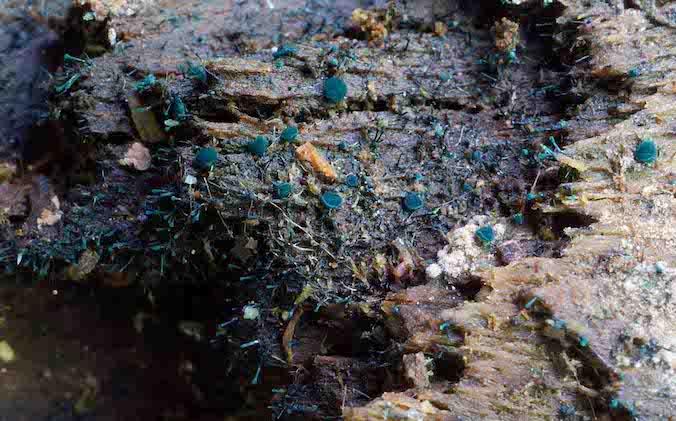
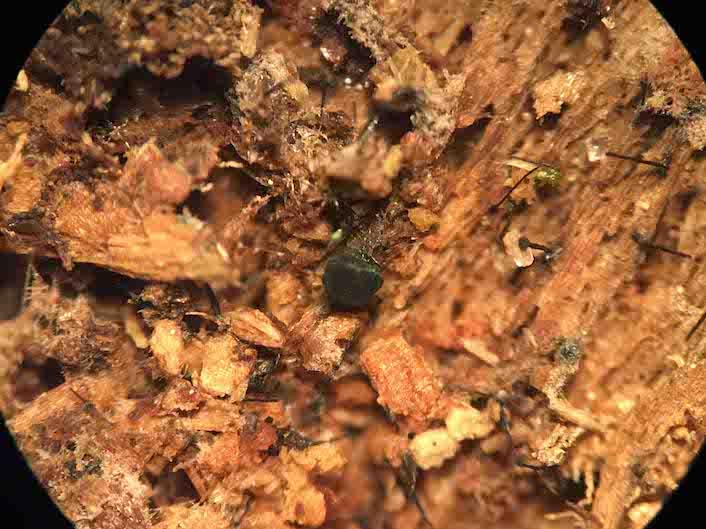
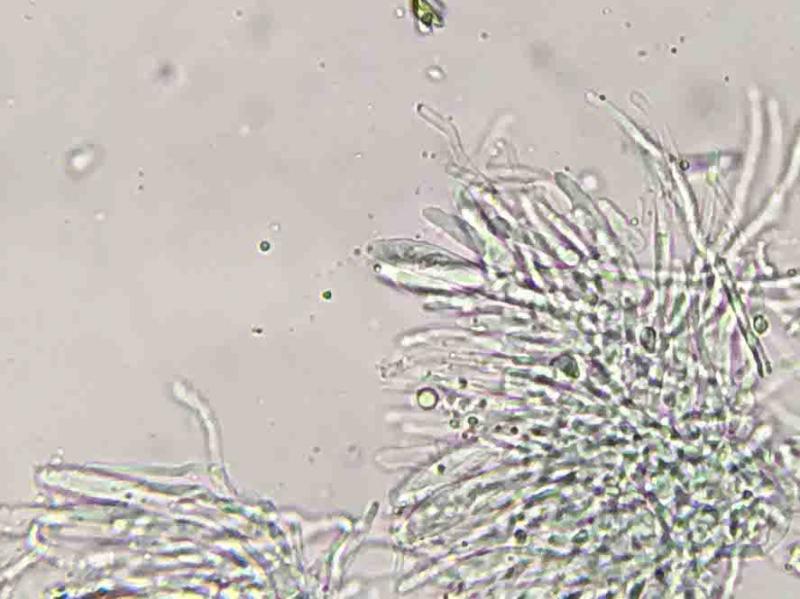
Claussenomyces sp.?
Bigelow Tom,
08-07-2017 02:06



Hans-Otto Baral,
08-07-2017 08:52

Re : Claussenomyces sp.?
Dear Tom
interesting observation but more data are necesary to help here.
You say the largest apos are 3 mm. With a razor blade you should easily make a median section to show the excipulu. Is it brown or hyaline? Cell shape? Where is it gelatinous?
Did you test Lugol for the ascus apex?
Do you have images of the anamorph too?
At present I have no idea for a genus.
Zotto
interesting observation but more data are necesary to help here.
You say the largest apos are 3 mm. With a razor blade you should easily make a median section to show the excipulu. Is it brown or hyaline? Cell shape? Where is it gelatinous?
Did you test Lugol for the ascus apex?
Do you have images of the anamorph too?
At present I have no idea for a genus.
Zotto