
21-04-2026 13:36
Gernot FriebesHi,I am out of ideas for this one. I collected Sal
21-04-2026 13:19
Gernot FriebesHi,this Lophodermium on Typha has ascospores measu
21-04-2026 13:05
Gernot FriebesHi,this hyphomycete feels familiar but I was not a
20-04-2026 22:00
 Malcolm Greaves
These pale yellow, hairy ascos were growing on cul
19-04-2026 21:23
Steve ClementsBonjour, I found this anamorphic fungus on old pl
19-04-2026 20:46
Steve Clements1 mm diameter approx spherical conidiophores on pl
12-04-2026 17:56
 Hardware Tony
Found on dead stems in February earlier this year
17-04-2026 19:16
 Enrique Rubio
Hi to everybodyI would appreciate any assistance r
14-04-2026 05:32
Ethan CrensonHi all, A few weeks back a friend pointed out som
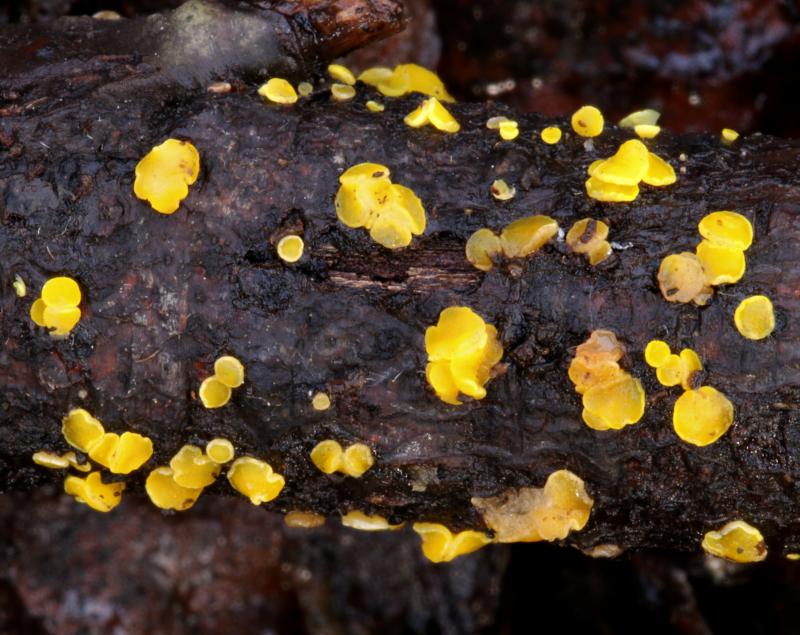
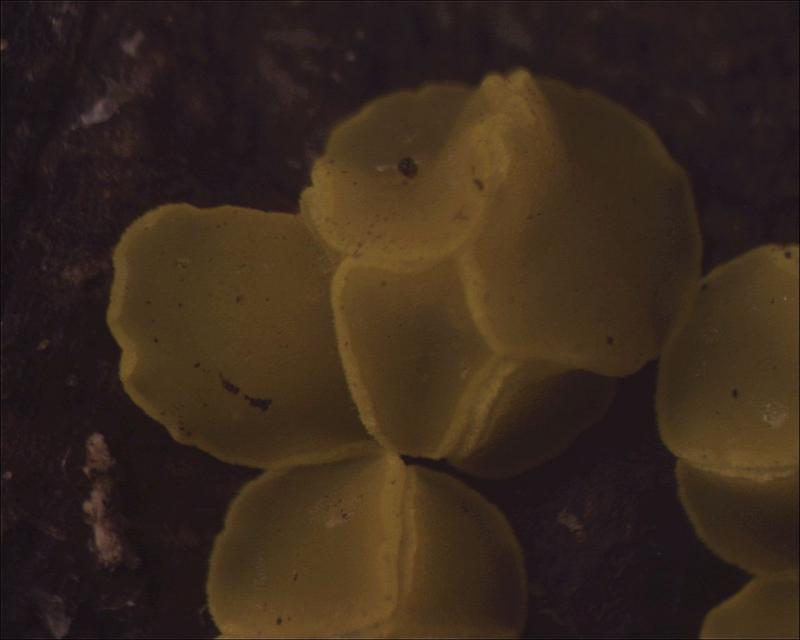
Bisporella sulfurina?
William Slosse,
11-03-2017 21:28
 I always find it hard to distinguish citrina from sulfurina.
Am I right that this one is sulfurina?
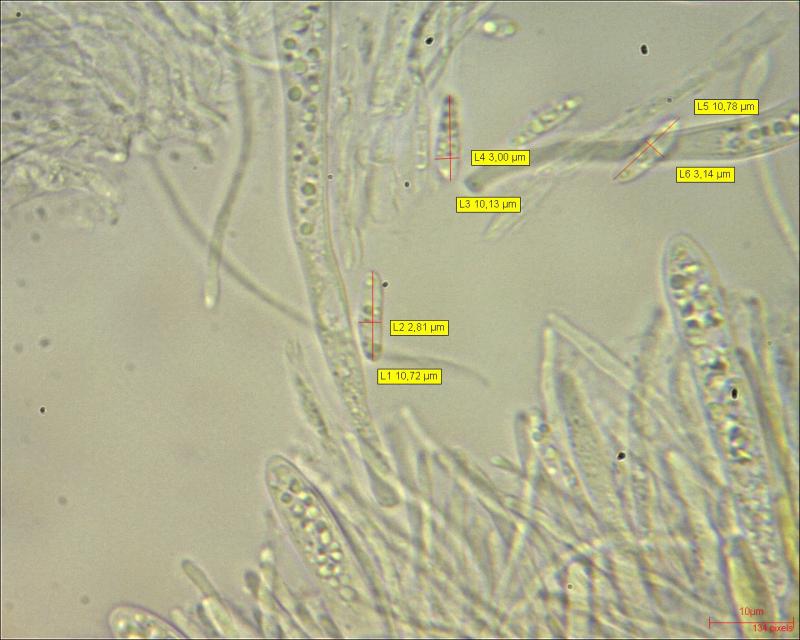
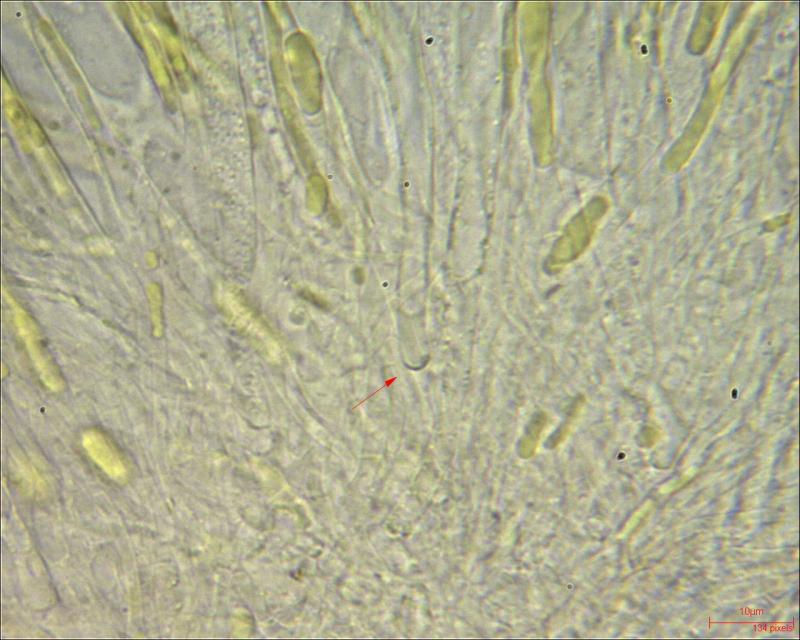
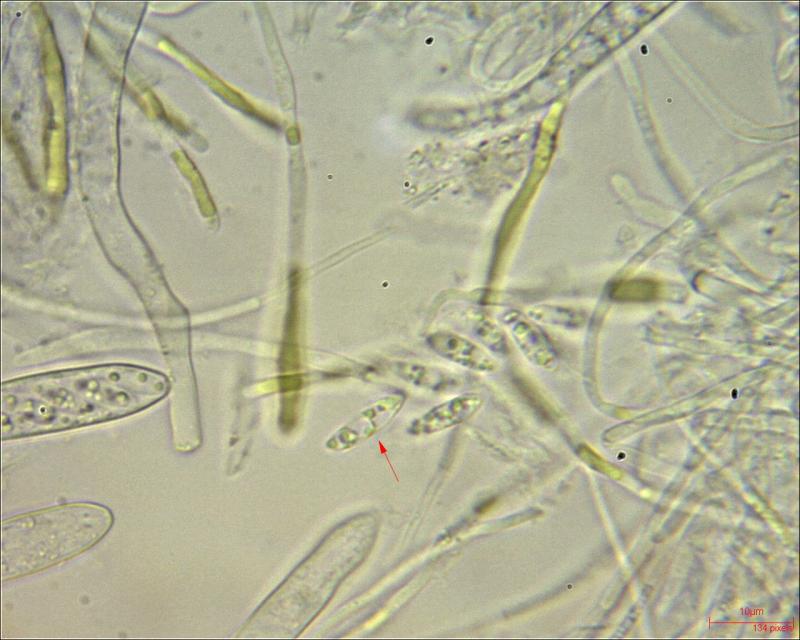
° Matured spores with mostly 4 oildrops and one septated / 10.54x2.98mu
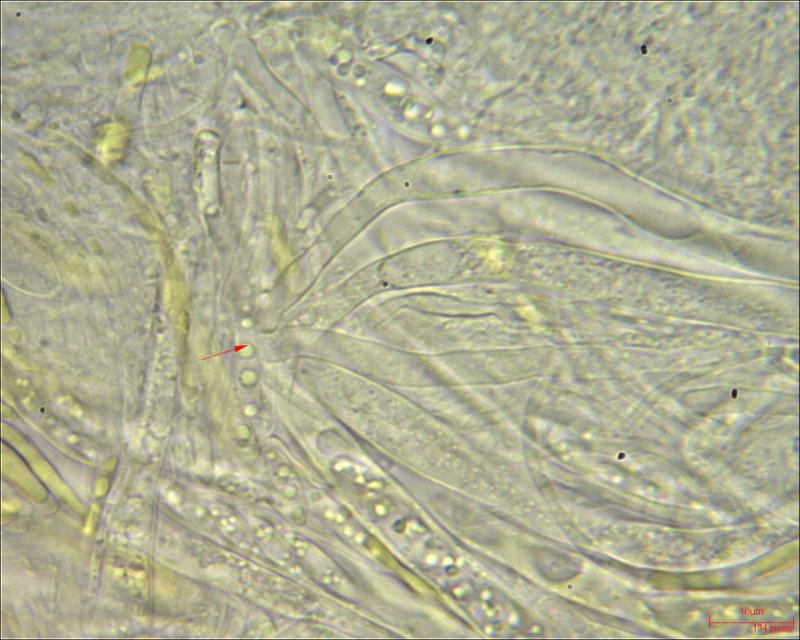
° asci with no croziers
° growing in clusters
Thx in advance,
William
Hans-Otto Baral,
11-03-2017 21:42

Re : Bisporella sulfurina?
It is not easy to confuse these two species! What you show is clearly B. sulfurina (or now Calycina claroflava). When you apply Lugol you will not see an amyloid apical ring whereas B. citrina (Calycina citrina) reacts blue or dirty red at higher concentration.