
02-05-2026 13:06
Pauline. PennaBonjour Please can someone help me with this id
02-05-2026 12:42
Alain BRISSARDBonjour à tousJeuidi 30 avril dernier on m'a remi
01-05-2026 22:45
 Thierry Blondelle
Bonjour à tous, Une récolte sur bouse séchée d
28-04-2026 20:07
 Lothar Krieglsteiner
... on twig in the air at standing Ceratonia siliq
14-04-2026 05:32
Ethan CrensonHi all, A few weeks back a friend pointed out som
28-04-2026 20:33
Vitus SchäfftleinHello, I found Trochila ilicina on Ilex aquifoliu

30-04-2026 10:28
Rot BojanHello, by appearance I would say that I am dealing
27-04-2026 18:48
Tony MoverleyCollected 23rd April 2026, Norfolk, EnglandSwarms
27-04-2026 20:52
Lothar Krieglsteiner
Found on hanging tiwg of Olea europaea in dried-ou
Mollisia sp.
François Freléchoux,
21-11-2025 10:47
 Bonjour,
Peut-être Mollisia palustris ?
Trouvée sur tige de Phragmites, tout en bas, quasiment dans l'eau.
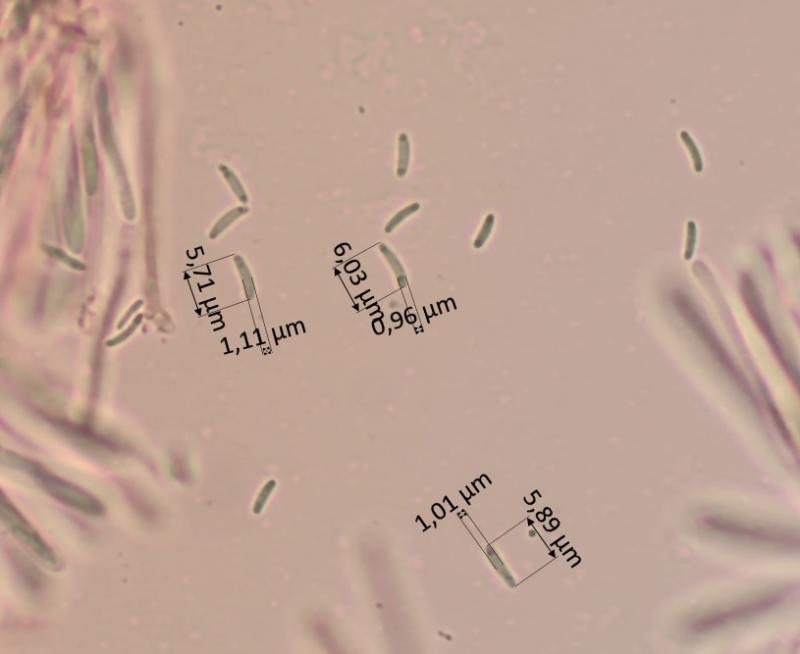
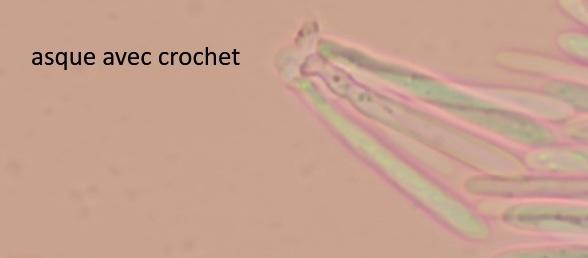
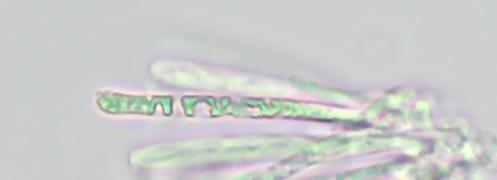
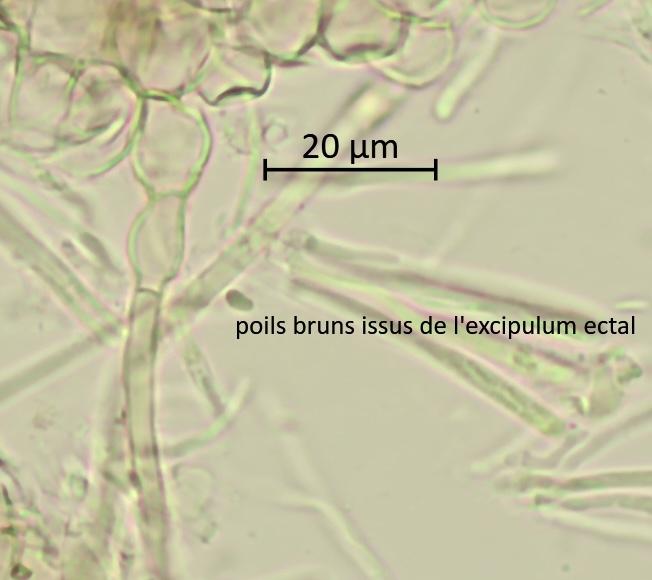
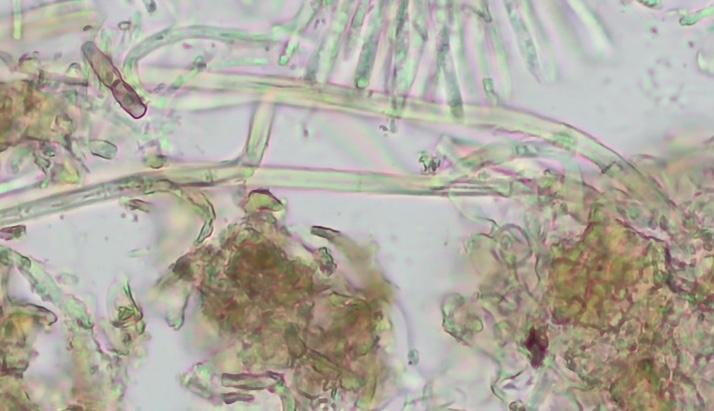
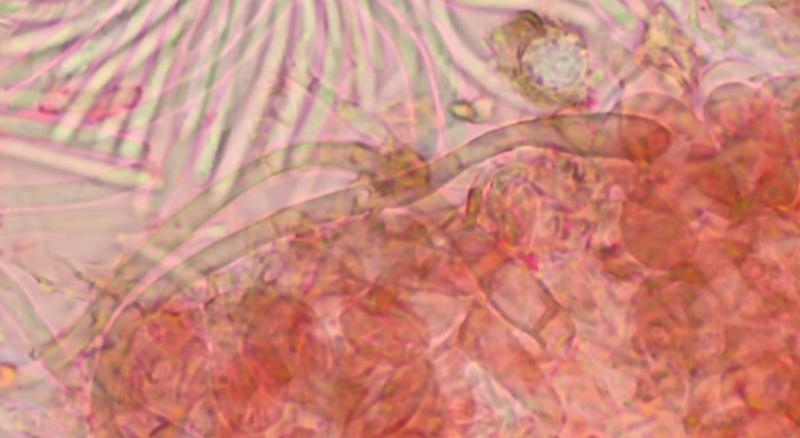
Fructifications 0,5-1,5 mm, sessiles et appliquées contre le substrat, gris-brun, marge claire. Elles jaunissent fortement dans le KOH. Spores petites 5-7 x 1-1,5- µm, incurvées, guttulées aux extrémités. Asques 30-40 x 3-5 µm, J+, avec crochet ( ?). Paraphyses : plus ou moins de même longueur et assez larges, avec de nombreuses vacuoles très réfringentes. Excipulum extal : textura globosa. Présence de poils brun septés et issus de l'excipulum ectal.
Merci de donner votre avis.
François

Hans-Otto Baral,
21-11-2025 16:01

Re : Mollisia sp.
Typical Mollisia caricina, except that this could be heterogeneous and your find would be M. phragmitis. See article by Gminder 2006 in Czech Mycol.
François Freléchoux,
21-11-2025 16:35
Re : Mollisia sp.
Thank you very much!
François Freléchoux,
21-11-2025 18:26
Re : Mollisia sp.
Do you think it would be useful to sequence it?
François
François
Hans-Otto Baral,
21-11-2025 20:39
Re : Mollisia sp.
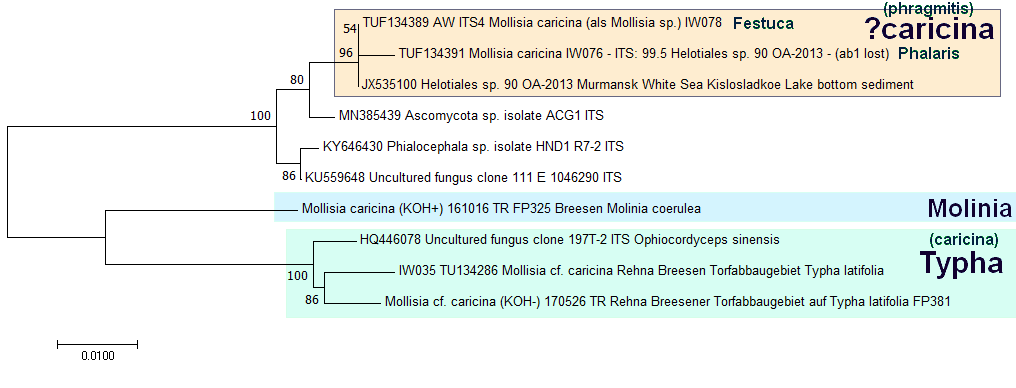
I am indeed glad about such a question. M. caricina/phragmitis is a problem to be solved. At the mnoment (no, it is 3.5 years ago) we know the following: Typha has a special clade very distant from Phalaris and Festuca. So it seems probable that Phragmites is in the latter clade and M. phragmitis comprises Poaceae while M. caricina is restricted to Cyperaceae and Typhaceae. But this is a bit speculative.
 caricina-I.2020-0001.png
François Freléchoux,
21-11-2025 21:30
Re : Mollisia sp.
I put it out to dry and we're going to sequence it.
François
Best regards
François
Louis DENY,
17-12-2025 11:21
Re : Mollisia sp.
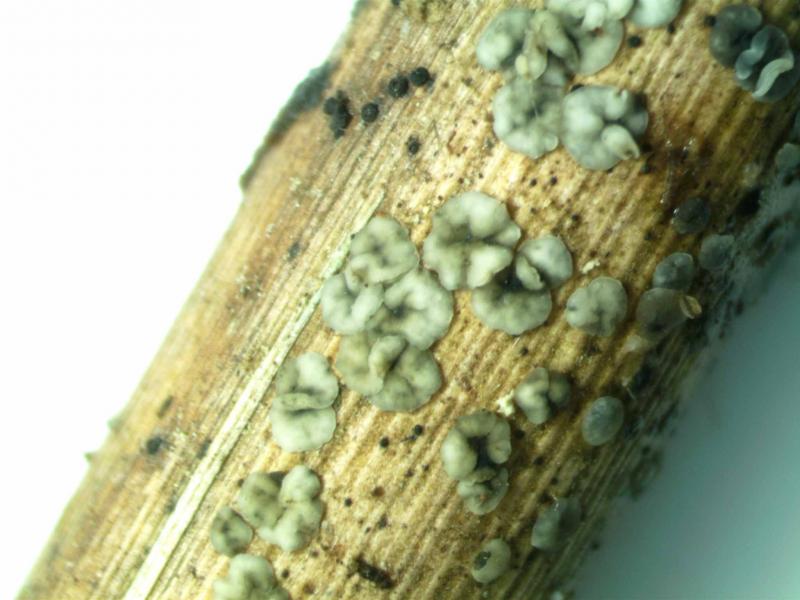
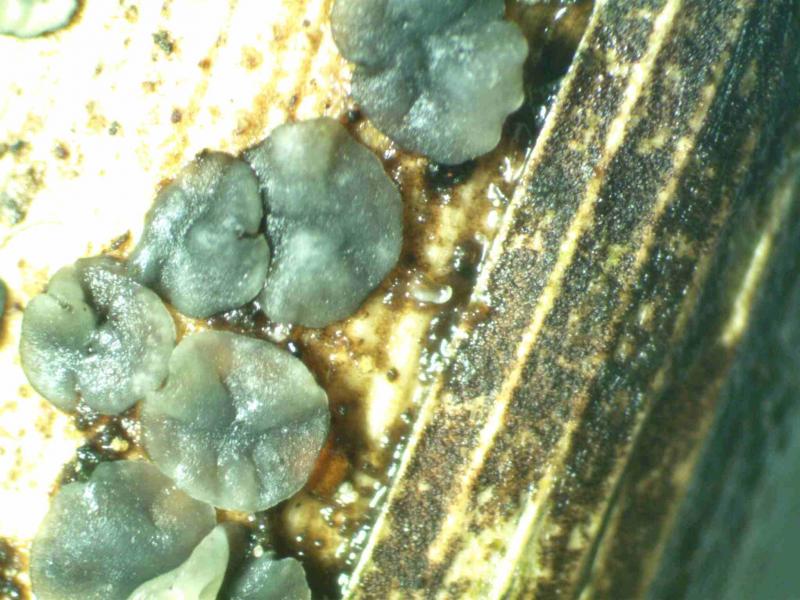
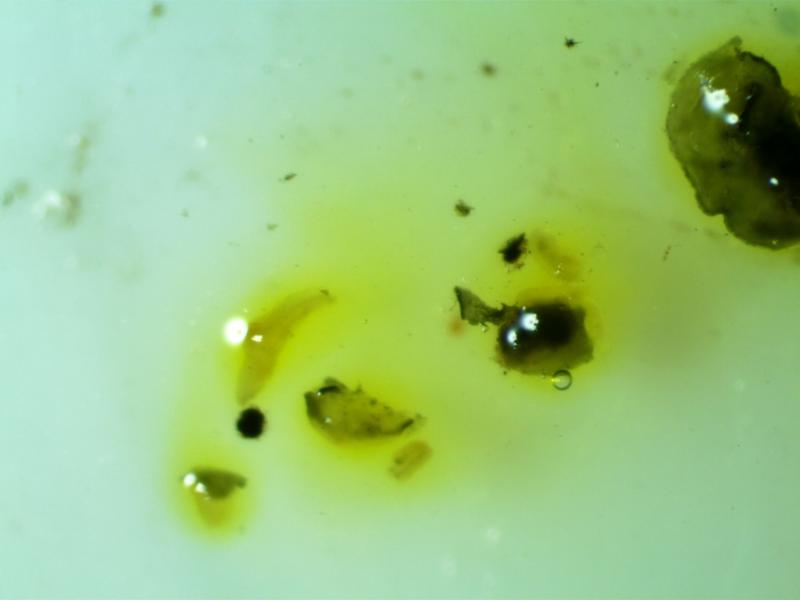
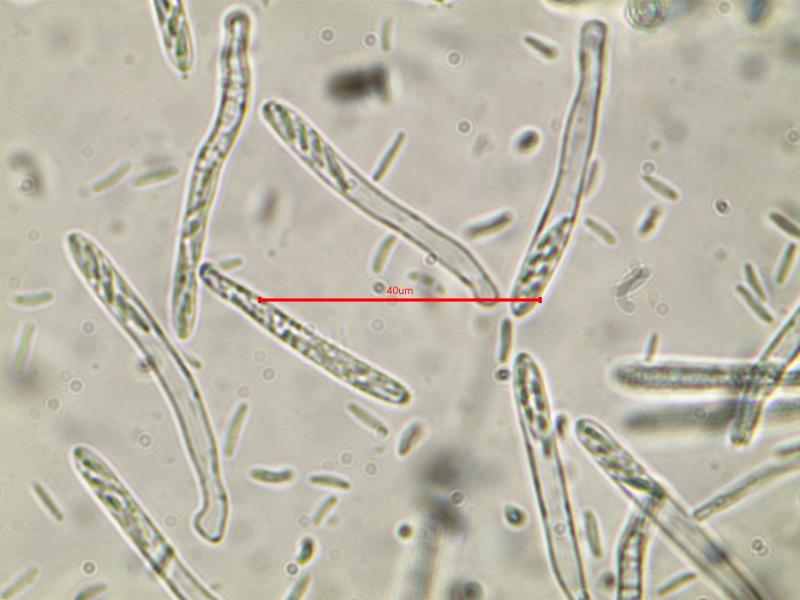
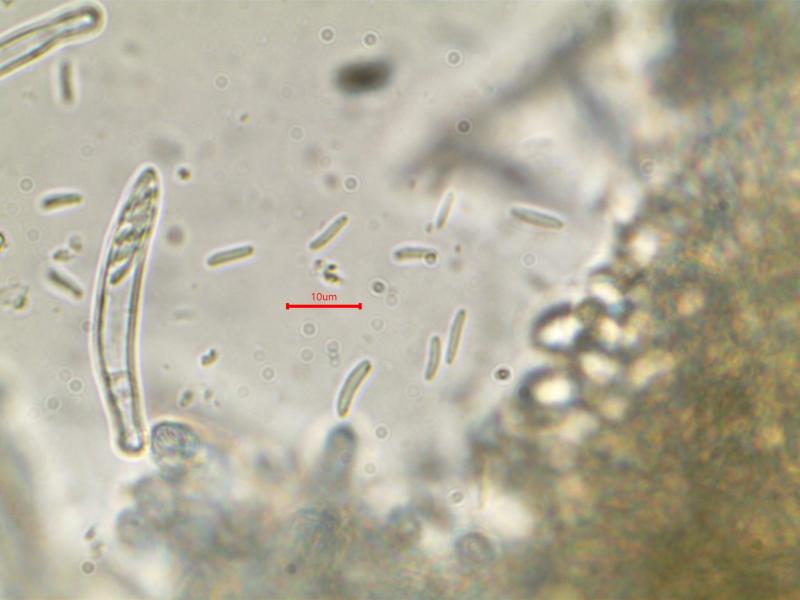
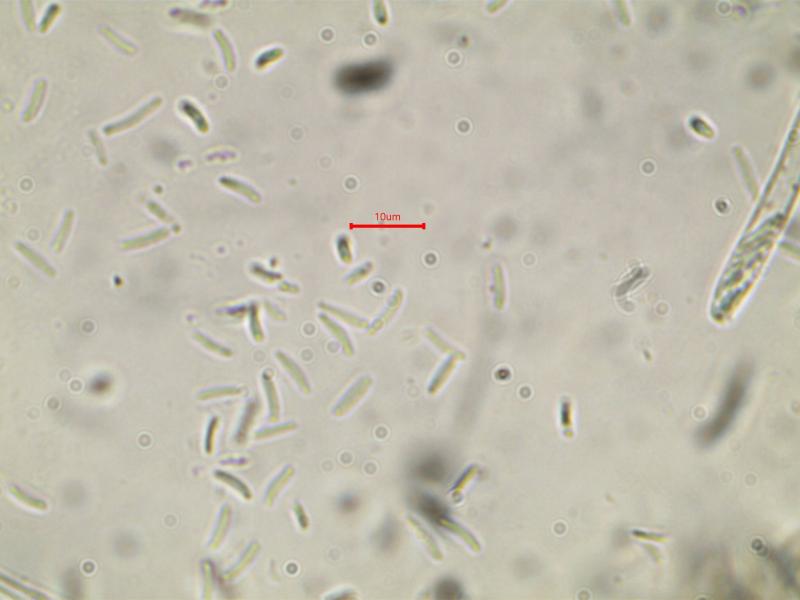
I found what I assume is the same mollisia, aslso on Phragmites, with a strong posotive reaction with KOH, minute spores needle shape (5-8X1.2-1.5), sometimes curves, OCI 0-1 (one small guttule at each end) and asci 30-40 long with croziers.
Hans-Otto Baral,
17-12-2025 13:36
Re : Mollisia sp.
Yes, earlier I said M. caricina but now I say M. phragmitis, believing that Cyperaceae have M. caricina.