
11-05-2026 12:32
 Bernard CLESSE
Pourriez-vous m'aider à identifier cette héloti
13-05-2026 15:26
 François Freléchoux
Bonjour,Voici une récolte faite il y a quelques j
12-05-2026 15:41
 Nicolas VAN VOOREN
Dear Ascolovers, especially interested in Pezizale
13-05-2026 12:05
 Thierry Blondelle
Bonjour à tous,J'aimerais avoir confirmation de c
10-05-2026 23:17
 Andreas Gminder
Hello,today we found in a moist steep decidous for
28-04-2026 20:07
 Lothar Krieglsteiner
... on twig in the air at standing Ceratonia siliq
27-04-2026 20:52
Lothar Krieglsteiner
Found on hanging tiwg of Olea europaea in dried-ou
11-05-2026 20:22
Lothar Krieglsteiner
on attached twig of standing Ficus caricaquite uns
29-04-2026 10:44
Lothar Krieglsteiner
growing at moist, drying-out soil at the side of a
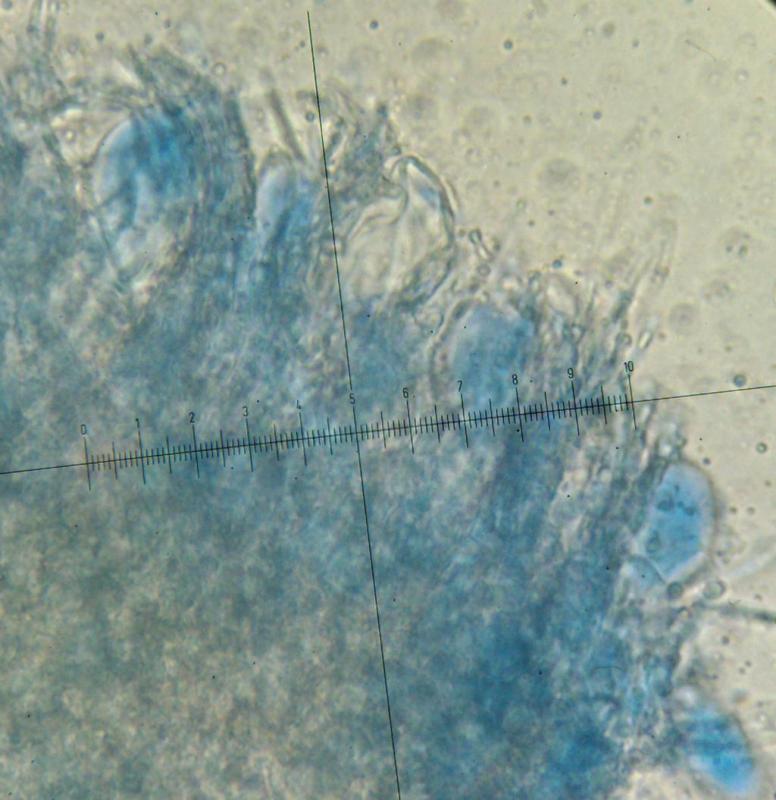
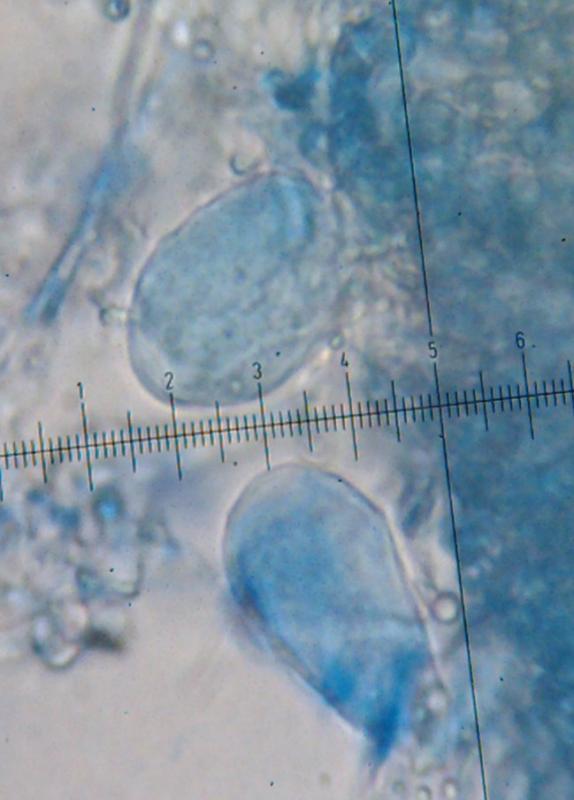
I found this on live Salix sp. Ascii without spores 90-115 x 17-20 µm.
Palo
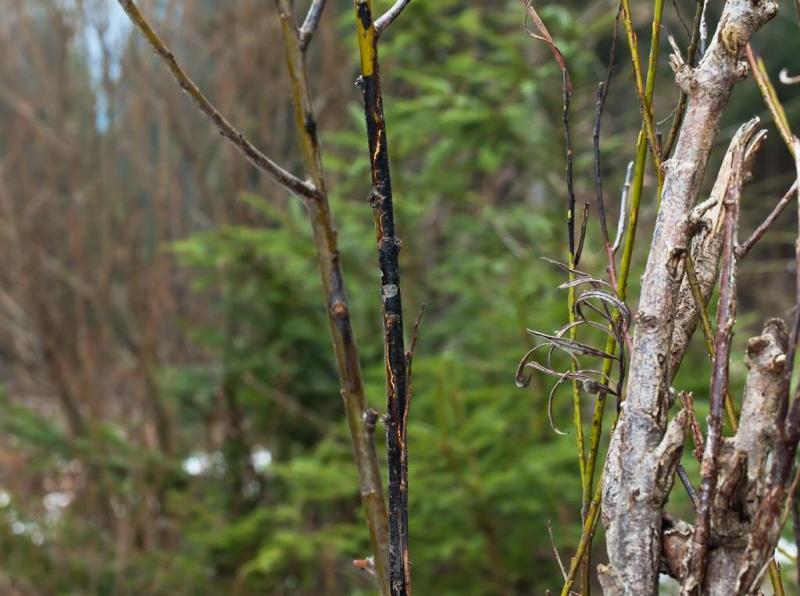
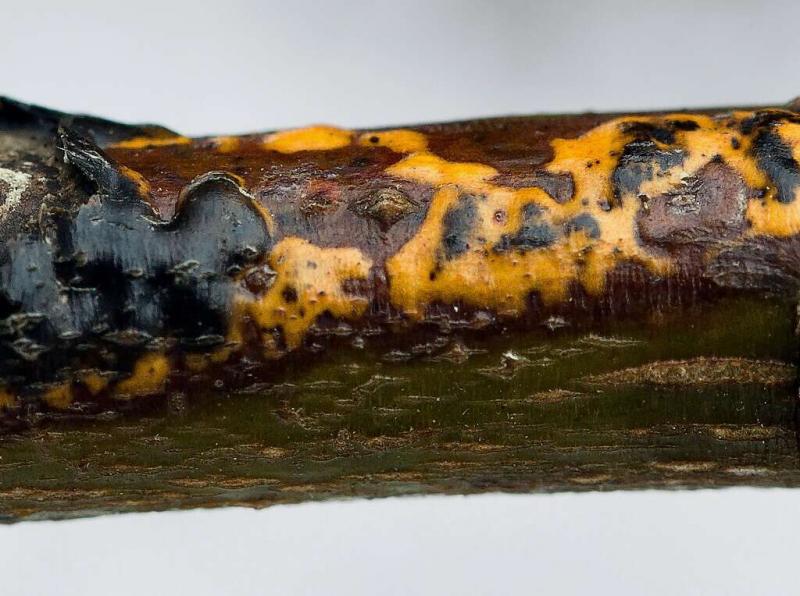
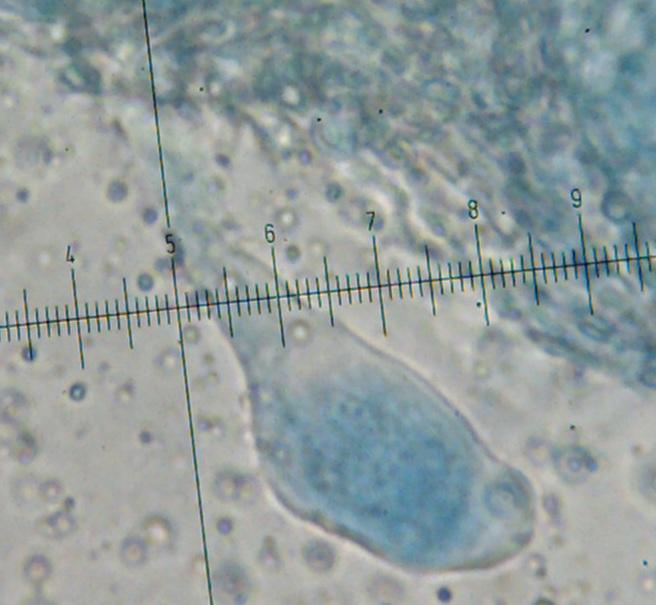

I would say definitely 'yes'. There is some interesting information here:
http://www.artsdatabanken.no/File/1042/Granmo%20A.%202011%20Den%20g%C3%A5tefulle%20Cryptomyces%20maximus.%20Blyttia%2069;%20145-149
and
http://www.somerton.f2s.com/pfrn/4-2010.pdf
In Britain is is very rare with Pembrokeshire (SW Wales) being a stronghold. I remember finding it there in 1987 and British mycologists getting very excited. Interestingly it seemed to be more or less restricted to twigs of 'sallows' (Salix caprea / S. cinerea) which had been nibbled by horses.
best wishes
Chris
thank you very much
With Best Wishes,
Palo
p.s. The twigs of Salix sp. has been nibbled maybe by deer