
02-06-2026 14:33
 Nicolas VAN VOOREN
Hello.I'm searching for a PDF copy of the followin
18-10-2022 00:12
Valencia Lopez Francisco JavierHola amigos/asRecientemente encontré esta colecci
02-06-2026 17:58
Louis DENYBonjour forum, Sur feuille de Populus tremula, en

28-07-2011 18:31
 Alex Akulov
Dear FriendsToday I made the pdf file of Velenovsk
11-09-2025 16:57
 Jason Karakehian
Our revision of Marthamycetales (Leotiomycetes) is
12-11-2019 10:32
 Miguel Ángel Ribes
Hi againExactly at the same place than my previous
25-12-2019 17:54
Valencia Lopez Francisco JavierHola a todos/asEstas supuestas pezizas estaban en
12-07-2015 00:05
 Nedim Jukic
This one from the same locality as the previous on

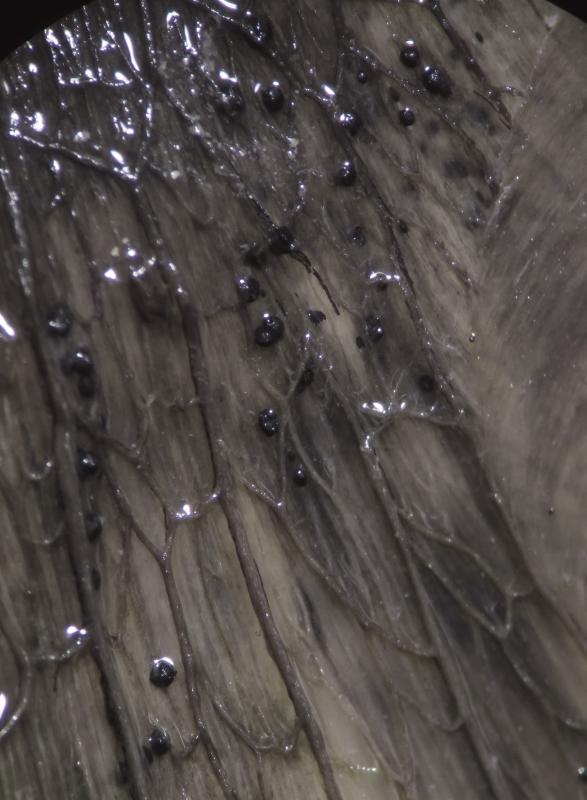
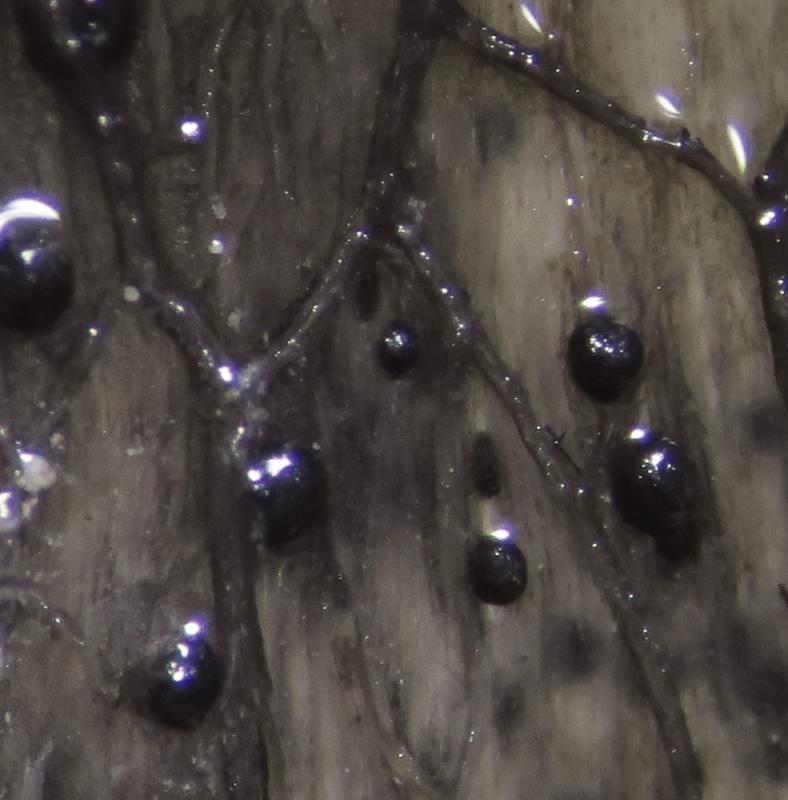
ID request: This specimen was collected in Malta on 30/04/2026 from the bottom of a stagnant pond. I retrieved some submerged organic debris, and on a sunken, decomposing globe artichoke I found extremely small black pseudothecia, approximately 0.1–0.2 mm in diameter.
Beyond the ID, I'm particularly interested in whether these structures belong to a truly aquatic or semi?aquatic species, or whether they were produced during the aerial phase and simply persisted on the involucral bracts before the plant material became waterlogged.
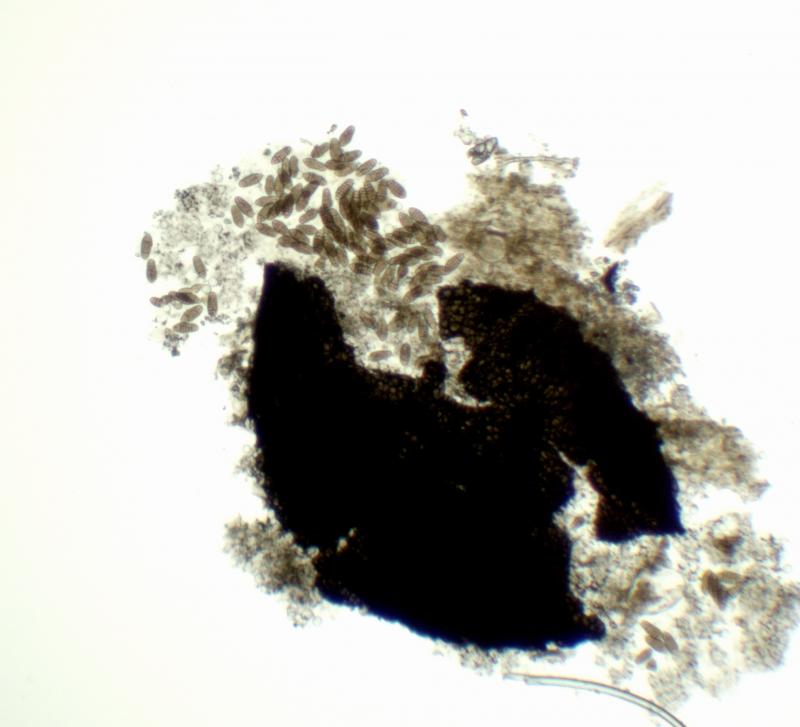
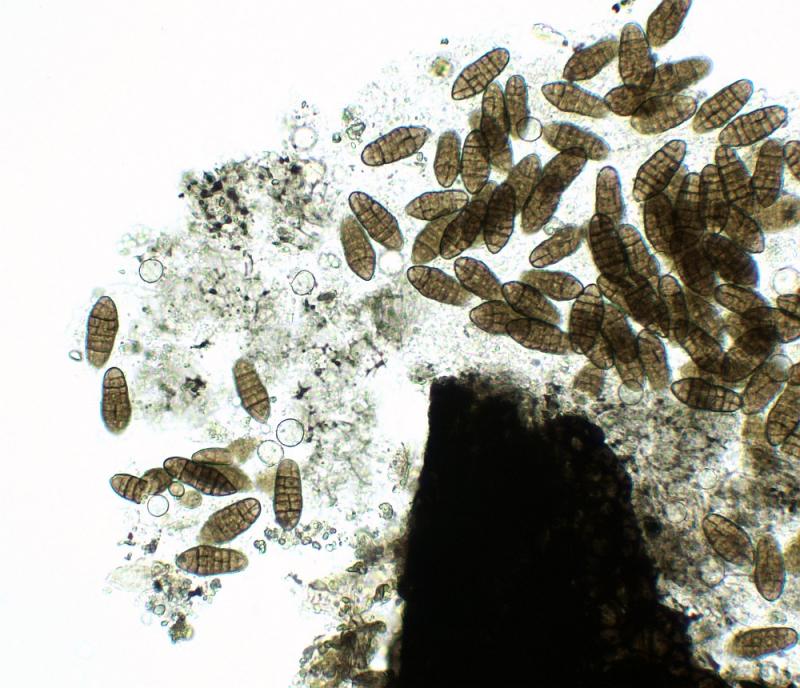
The substrate appears to have been underwater for quite some time, yet the pseudothecia were intact, firm, and not degraded as if they are truly aquatic. When opened for examination, they contained clusters of healthy muriform ascospores.
My initial thought is a species of Pleospora (or closely related genus ) and I am hoping it might be one of the aquatic or freshwater?adapted taxa, though it could also be just a Pleospora herbarum or P. graminearum that has remained viable underwater.
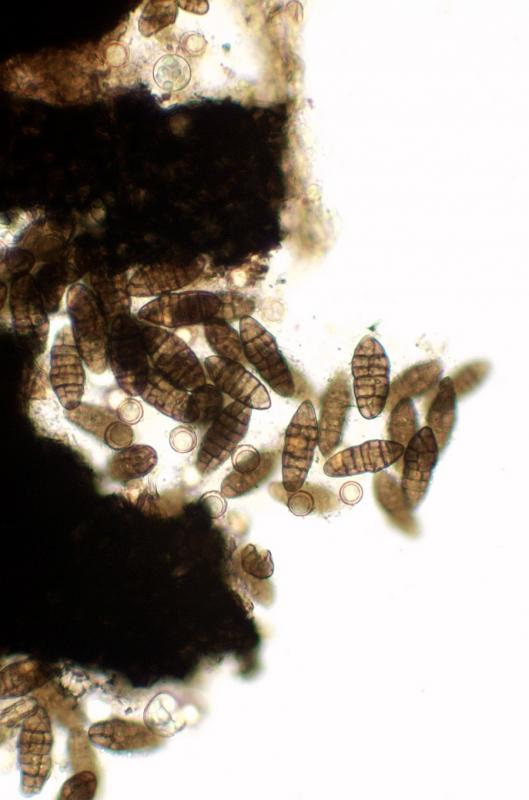
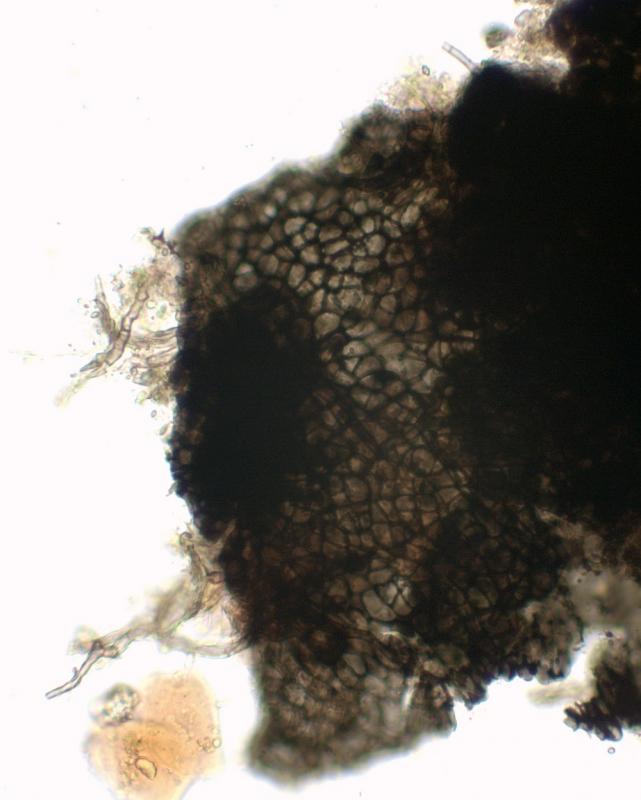
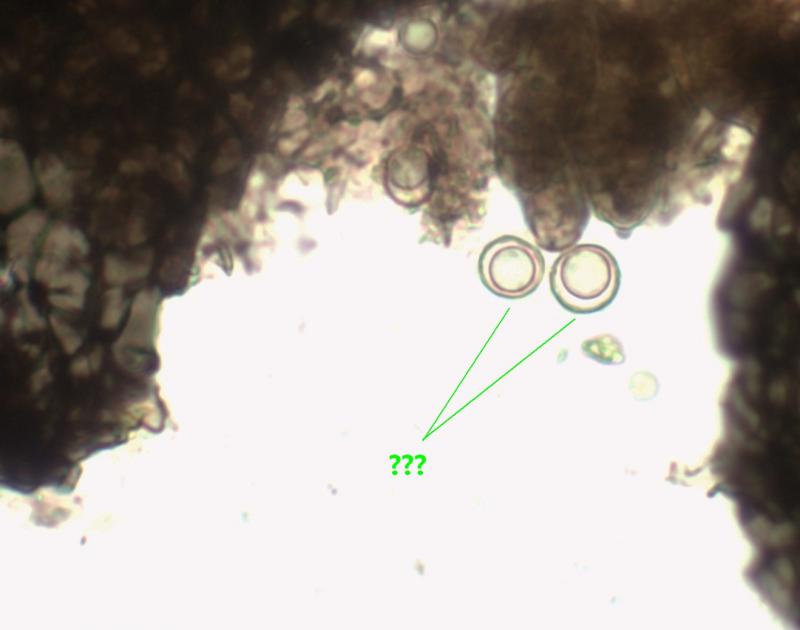
If someone has a different interpretation and these may be an aquatic species, please let me know because I am involved in a project or a group studying aquatic fungi.