
28-04-2026 20:07
 Lothar Krieglsteiner
... on twig in the air at standing Ceratonia siliq
14-04-2026 05:32
Ethan CrensonHi all, A few weeks back a friend pointed out som
28-04-2026 20:33
Vitus SchäfftleinHello, I found Trochila ilicina on Ilex aquifoliu

30-04-2026 10:28
Rot BojanHello, by appearance I would say that I am dealing
27-04-2026 18:48
Tony MoverleyCollected 23rd April 2026, Norfolk, EnglandSwarms
27-04-2026 20:52
Lothar Krieglsteiner
Found on hanging tiwg of Olea europaea in dried-ou
28-04-2026 22:51
 Bernard CLESSE
Bonsoir à toutes et tous,Pourriez-vous m'aider à
29-04-2026 08:01
Lothar Krieglsteiner
... on twig attached to small tree of Citrus auran
29-04-2026 10:44
Lothar Krieglsteiner
growing at moist, drying-out soil at the side of a
Melanospora cf. lagenaria on decaying polypore
Danny Newman,
15-12-2025 15:48
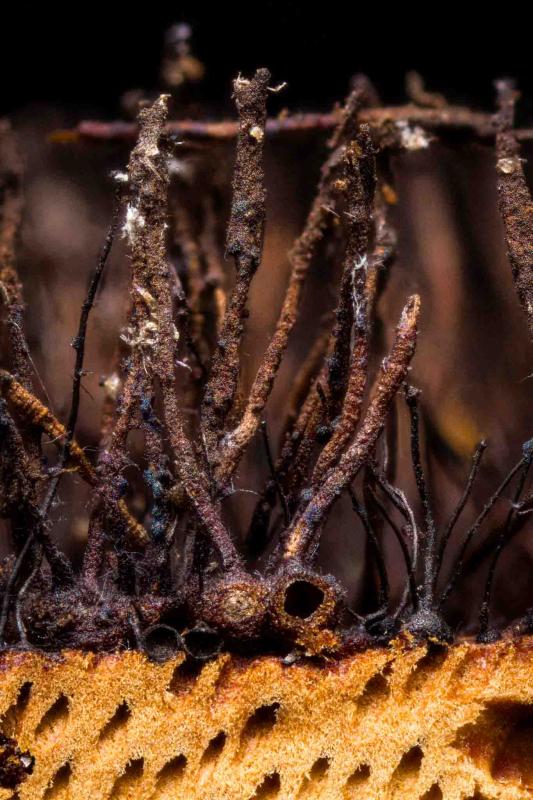
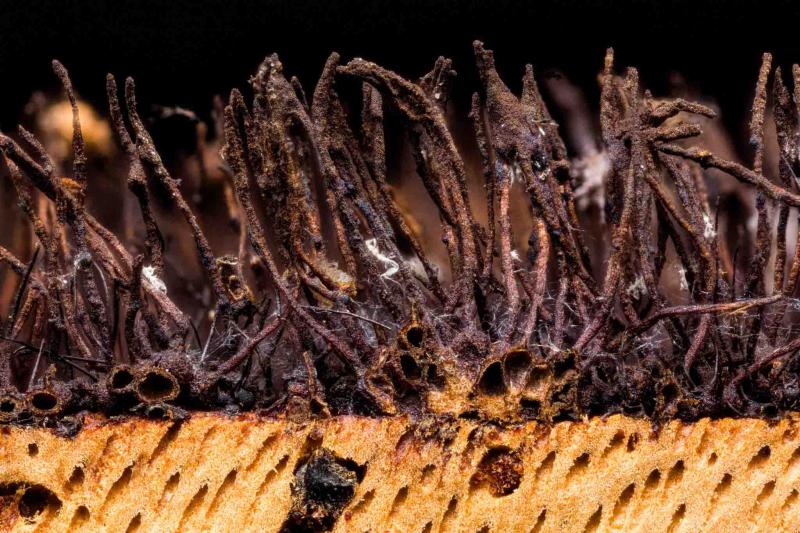
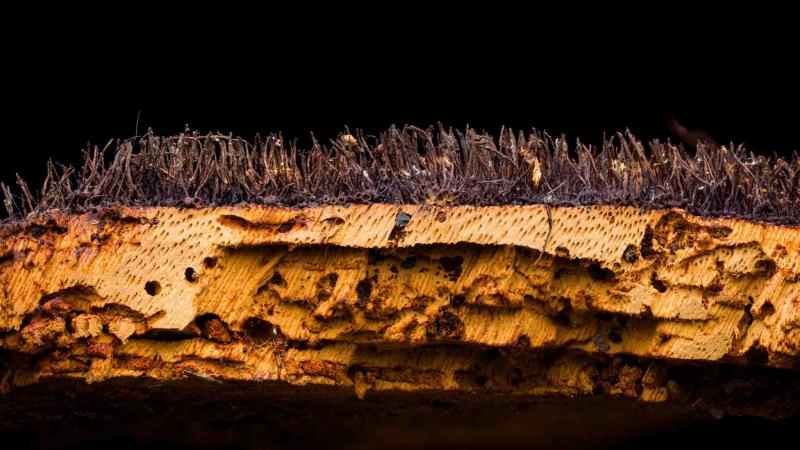
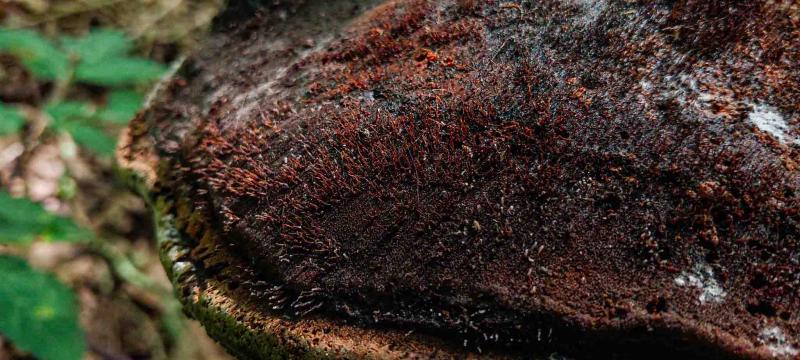
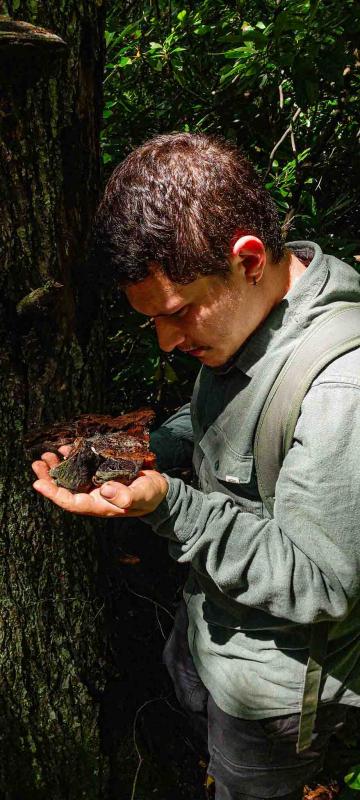
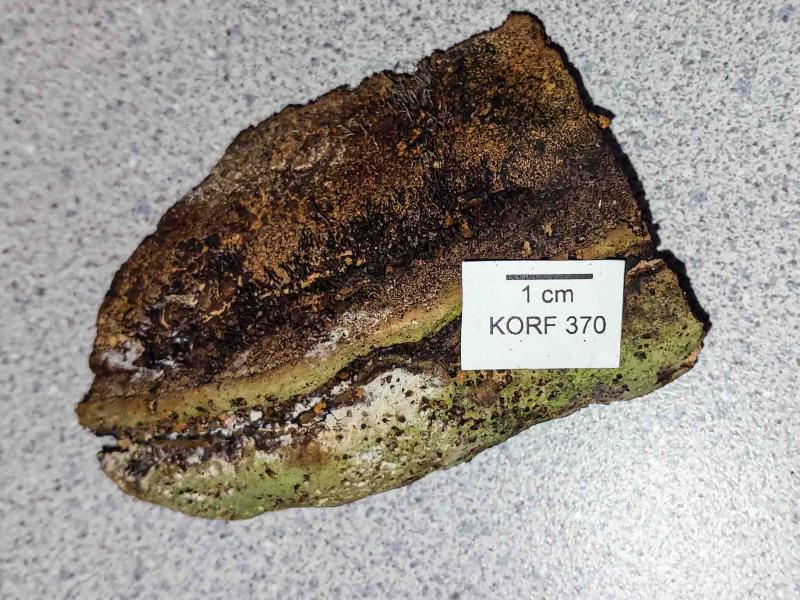
 Melanospora cf. lagenaria on old, rotting, fallen and still attached FBs of conk (possibly Fomes sp.)
near Purchase Road, Appalachian Highlands Science Learning Center, Great Smoky Mountains National Park, Haywood County, North Carolina, USA
https://www.inaturalist.org/observations/305939943
Collected during the 2025 Richard P. Korf Memorial North American Ascomycete Foray (aka "The Korf Foray), held at the Appalachian Highlands Science Learning Center in Purchase Knob, North Carolina.
no sequences available
photo credits: Danny Newman
micrograph credits: Danny Newman
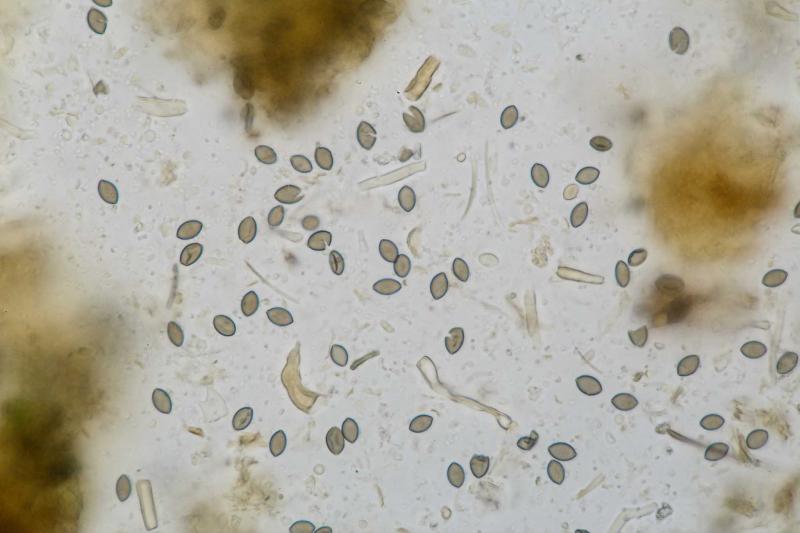
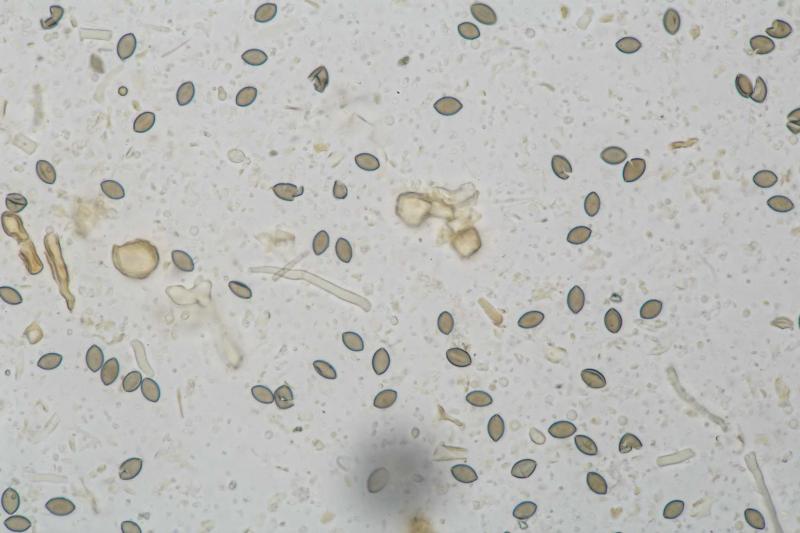
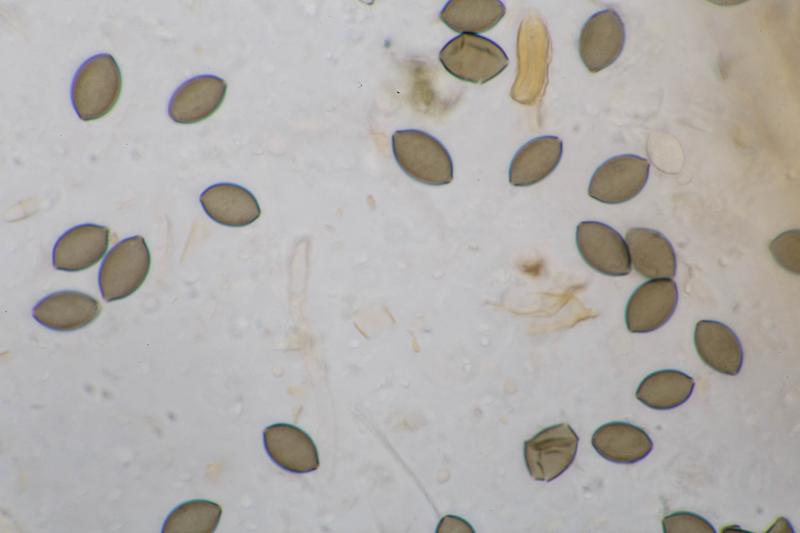
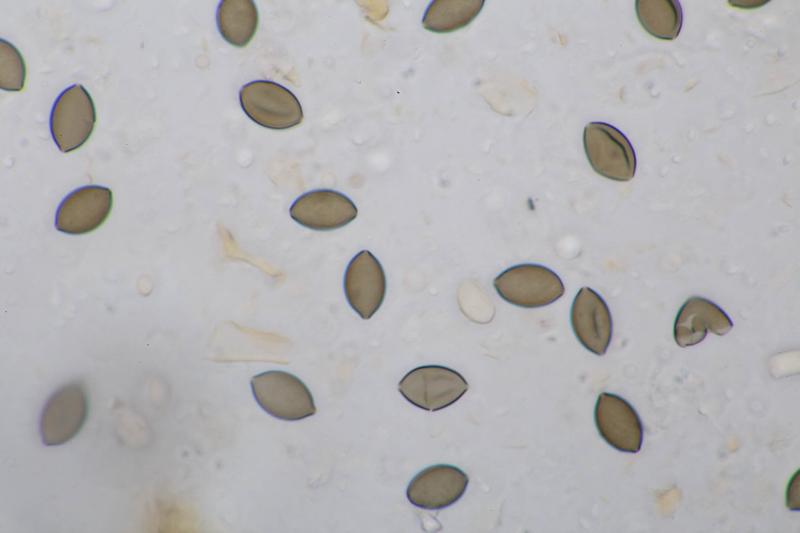
Of what I believe are two distinct ophiostomatoid fungi shown, the larger of them is the target organism, and it is spores from this fungus which are shown in the micrographs and in the measurements below.
Spores:
(10.7) 11.6 - 13.2 (13.7) × (6.4) 7 - 8 (8.4) µm
Q = (1.5) 1.54 - 1.7 (1.9) ; N = 20
Me = 12.3 × 7.5 µm ; Qe = 1.6
Different references give different spore size ranges for M. lagenaria, and if anything our spores seem small by comparison. Our collection would appear to constitute a range extension for M. lagenaria, if it can indeed be said to be that sp.. Is there another possibility?
Any and all help is greatly appreciated. Additional micrographs available upon request.
Enrique Rubio,
16-12-2025 18:26

Re : Melanospora cf. lagenaria on decaying polypore
Hi Danny
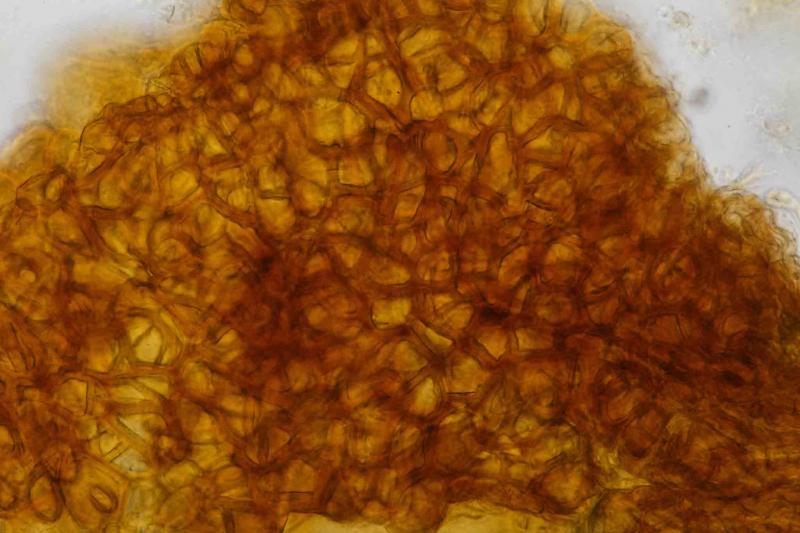
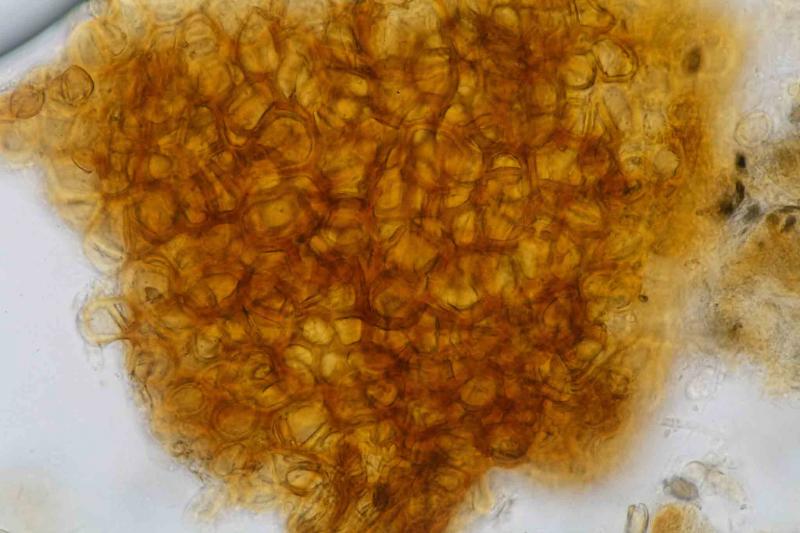
My own european collection on Fomitopsis (Piptoporus) betulina seems to match yours well. I think you should study the hairs.
https://www.centrodeestudiosmicologicosasturianos.org/?p=25315
My own european collection on Fomitopsis (Piptoporus) betulina seems to match yours well. I think you should study the hairs.
https://www.centrodeestudiosmicologicosasturianos.org/?p=25315