
05-05-2026 22:40
Gernot FriebesHi,I believe this is a Plagiostoma growing on a Sa
04-05-2026 18:13
 Stephen Martin Mifsud
ID request for what seems to be a true aquatic fun
04-05-2026 16:39
Stephen Martin Mifsud
ID request: This specimen was collected in Malta o
28-07-2011 18:31
 Alex Akulov
Dear FriendsToday I made the pdf file of Velenovsk
28-04-2026 20:07
 Lothar Krieglsteiner
... on twig in the air at standing Ceratonia siliq
04-05-2026 09:50
 Castillo Joseba
Me mandan el material seco de Galicia,(España) re
02-05-2026 12:42
Alain BRISSARDBonjour à tousJeuidi 30 avril dernier on m'a remi
02-05-2026 13:06
Pauline. PennaBonjour Please can someone help me with this id
01-05-2026 22:45
 Thierry Blondelle
Bonjour à tous, Une récolte sur bouse séchée d
I try, but I am just not getting anywhere.
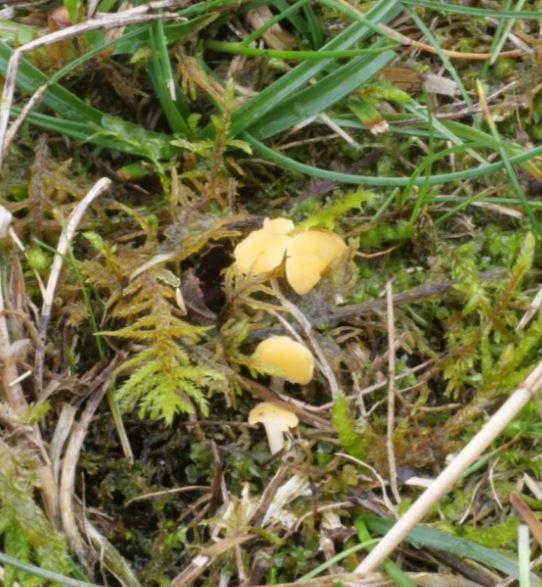
They were found in a field of unimproved grassland with Juniperus, and alongside the field were Fagus, Quercus, Crataegus, Pinus, Picea.
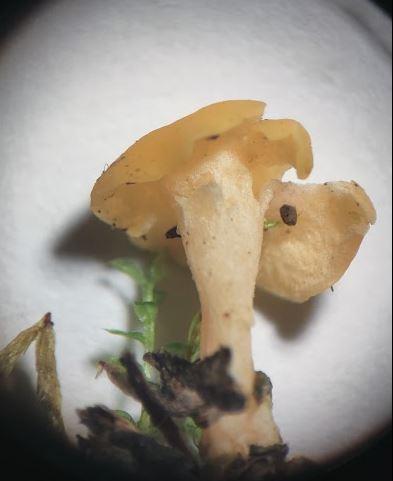
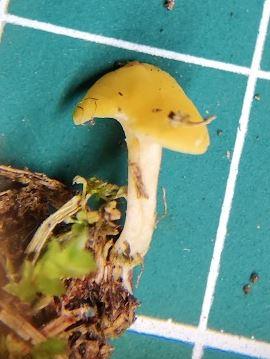
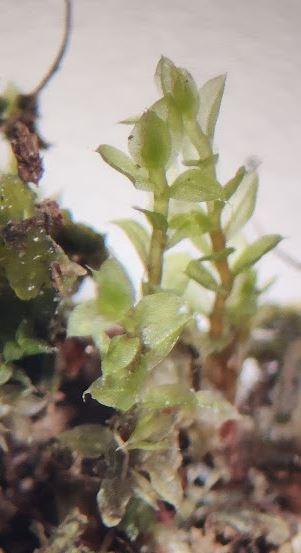
These Ascos looked like they were on an exposed root but under the bino they looked attached to Plagiomnium affina (ID google).
Largest Ascocarp ca 5-6 mm x 7 mm. Seems to be too large for Bryoscyphus.
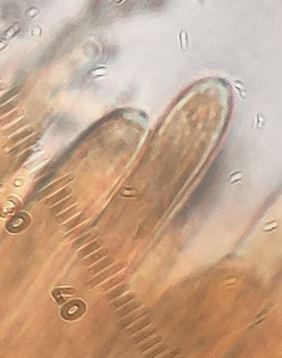
Ascoporus blue in IKI.
Asci length 70 - 93 µm measured, p = 15
Spores 12-15 x 2.5 -3.5 (4) µm.
No Croziers observed
Does not redden.
Are the pictures enough to determine the genus?
Any chance at the species?
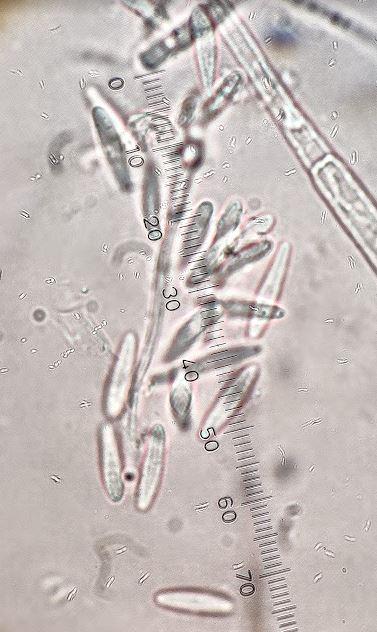
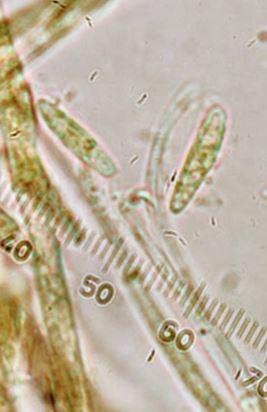
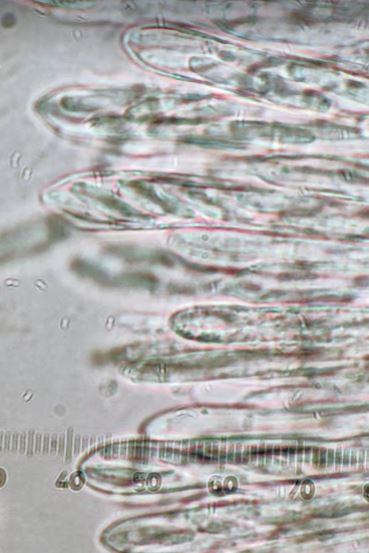


All best
Dirk
nice to meet you here.
attached to Plagiomnium affina (ID google)".
"
surely not. There is no noss on the picture that has only a little similarity to Plagiomnium.
Google now tries to determinate mosses. Perhaps in some years ...
Yours, Lothar
Thanks for the info on the moss. I do not trust google and that is why I put on a question mark.
I just keep trying.
-r-
Thank you very much.
-r-
I used Lugol.
I'll have to ask about the wood, I did not find this ascomycete, a friend did.
I'll try to work on it again today, the the ascocarp is still ok.
-r-