
06-05-2026 17:23
Thomas Læssøehttps://svampe.databasen.org/observations/10594257
06-05-2026 11:25
 Castillo Joseba
Me mandan el material seco de Galicia (España) re
28-04-2026 20:07
 Lothar Krieglsteiner
... on twig in the air at standing Ceratonia siliq
05-05-2026 22:40
Gernot FriebesHi,I believe this is a Plagiostoma growing on a Sa
04-05-2026 18:13
 Stephen Martin Mifsud
ID request for what seems to be a true aquatic fun
04-05-2026 16:39
Stephen Martin Mifsud
ID request: This specimen was collected in Malta o
28-07-2011 18:31
 Alex Akulov
Dear FriendsToday I made the pdf file of Velenovsk
04-05-2026 09:50
Castillo Joseba
Me mandan el material seco de Galicia,(España) re
02-05-2026 12:42
Alain BRISSARDBonjour à tousJeuidi 30 avril dernier on m'a remi
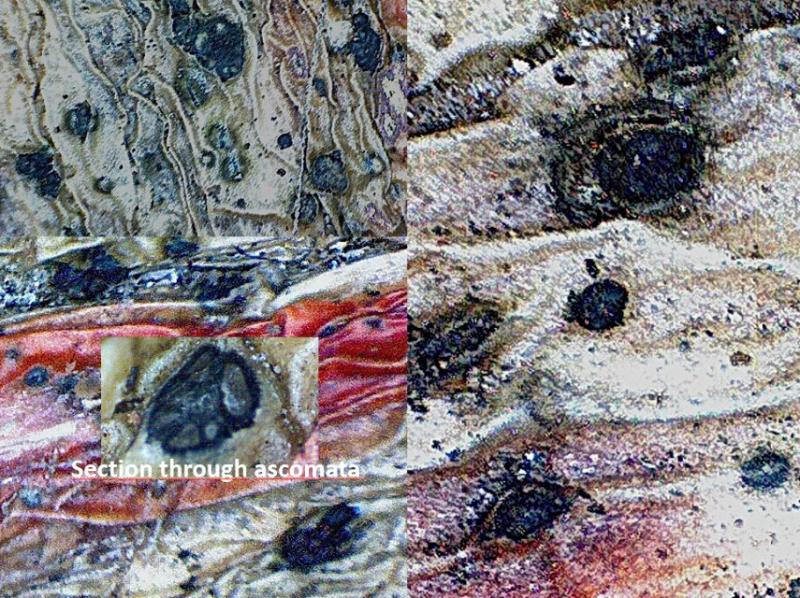
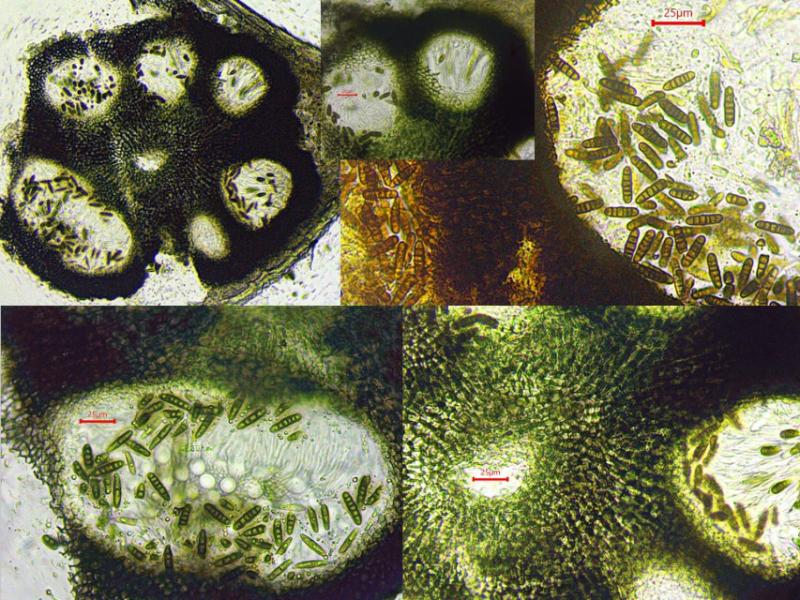
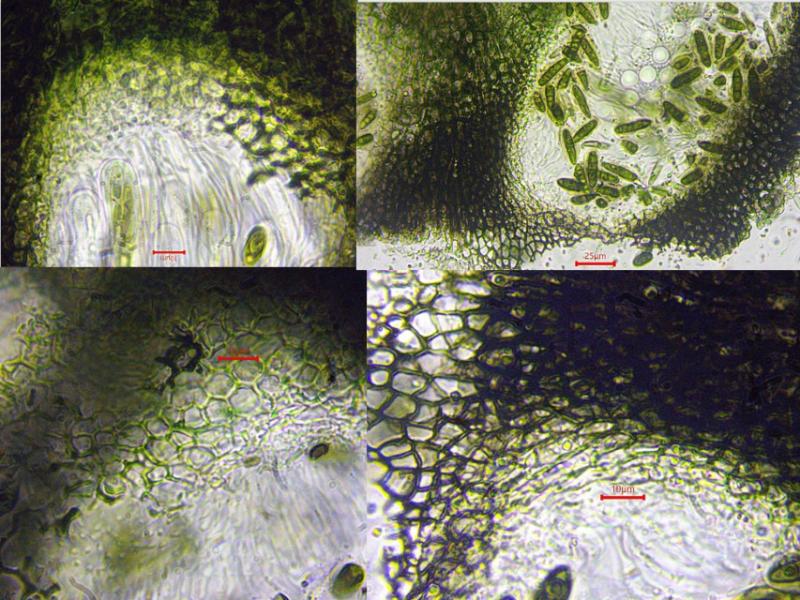
ascomycete on Agave from Portugal
Lothar Krieglsteiner,
11-03-2025 17:22
found last November in the Algarve, Serra Monchique. Who can provide me with a hint?Yolurs, Lothar
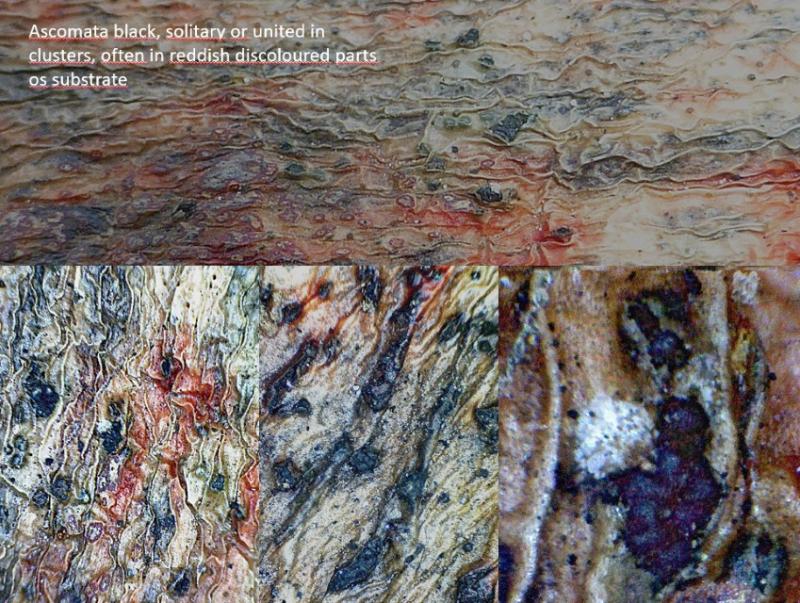
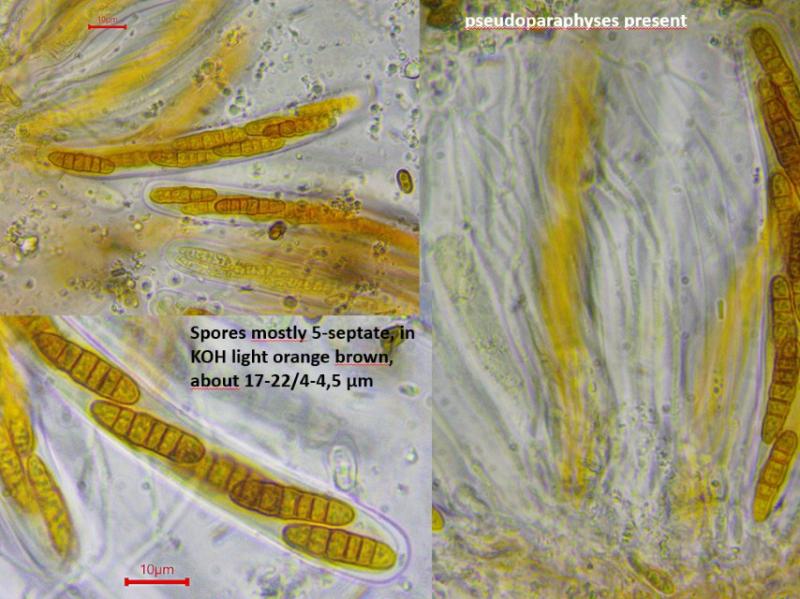
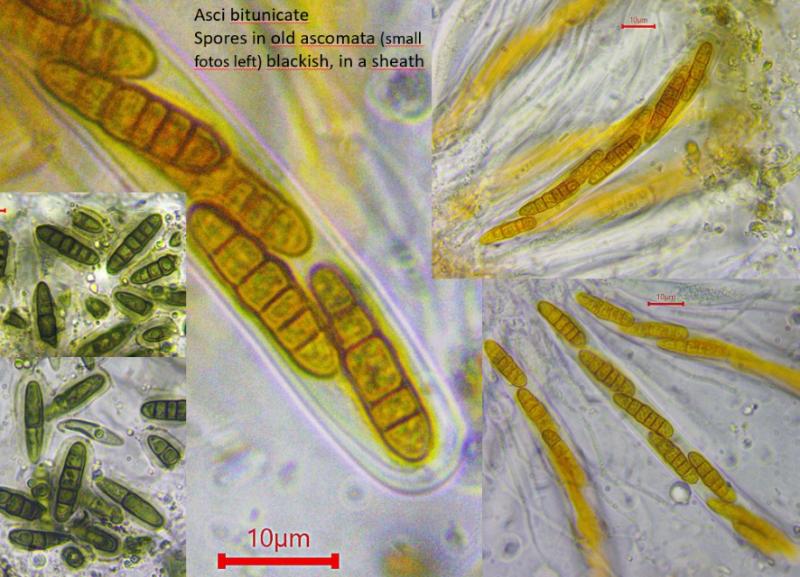
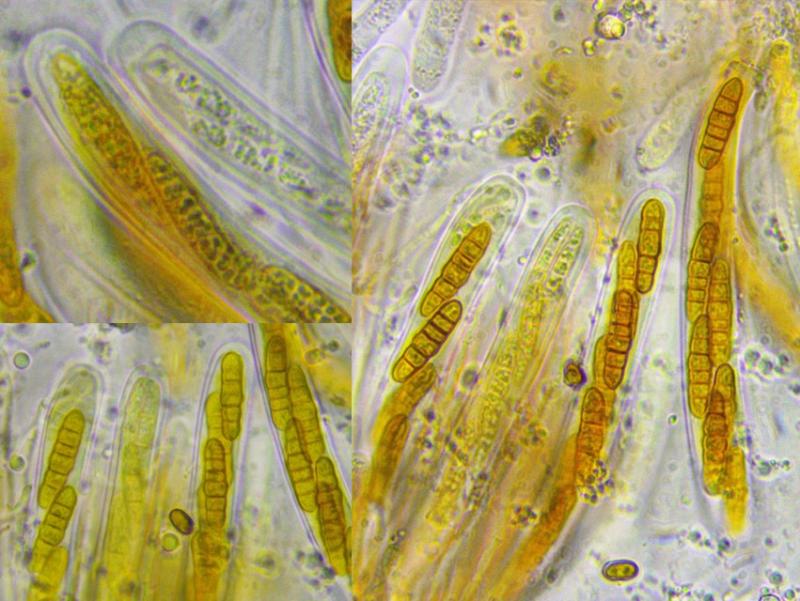
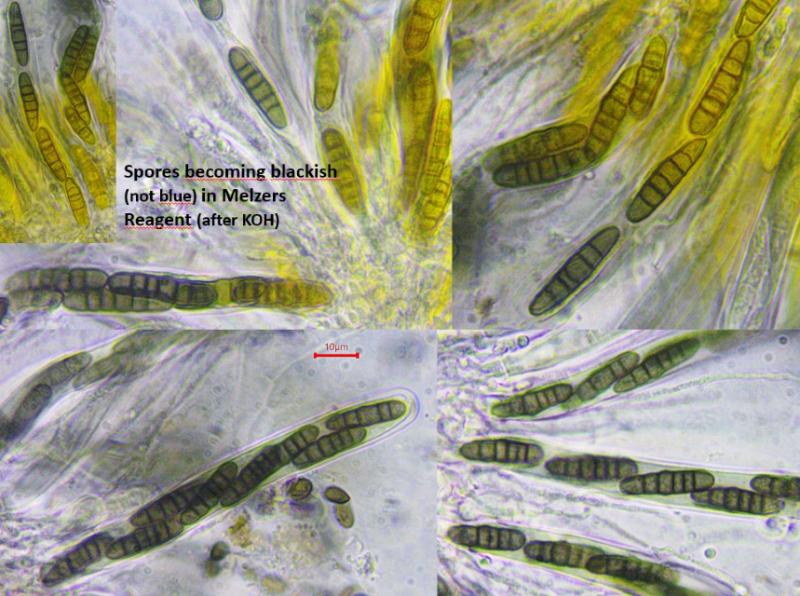
Hardware Tony,
12-03-2025 15:21

Re : ascomycete on Agave from Portugal
Hi Lothar,
Take a look at Phaeosphaeriopsis obtusispora, as the spores blacken in Lugols, the size fits and the key was the central cell slightly larger than the rest. Looked at Leptospharia also as this is a key feature of spores in that genera also. Or in and around Phaeosphaeriaceae. Just an option perhaps,
regarsd Tony
Take a look at Phaeosphaeriopsis obtusispora, as the spores blacken in Lugols, the size fits and the key was the central cell slightly larger than the rest. Looked at Leptospharia also as this is a key feature of spores in that genera also. Or in and around Phaeosphaeriaceae. Just an option perhaps,
regarsd Tony
Lothar Krieglsteiner,
12-03-2025 15:33
Re : ascomycete on Agave from Portugal
Hello Tony,
thank you very much for this hint that - I will follow it in the next days. At first glance it looks if it could be a "Hit the bull's eye".
Best regards, Lothar
thank you very much for this hint that - I will follow it in the next days. At first glance it looks if it could be a "Hit the bull's eye".
Best regards, Lothar
Lothar Krieglsteiner,
12-03-2025 16:21
I think better P. agavensisl
Using the key in Thambugala & al. (Phylogeny and morphology of Phaeosphaeriopsis triseptata sp. nov., and Phaeosphaeriopsis glaucopunctata) I come to P. agavensis, because the ascomata are partly multilocular (as can bee seen in the section in my second picture). The spore width fits better, too, even if the spore length is a little bit large.
Thanks again, Tony!
Thanks again, Tony!