

30-05-2026 21:12
Philippe PELLICIERSur branche de mélèze (Larix) près de la neige,
31-05-2026 10:35
Hulda Caroline HolteHello,I collected this species growing on a rather
25-05-2026 16:35
 Bernard CLESSE
Bonjour à toutes et tous,J'ai trouvé récemment,
29-05-2026 15:35
daniel FERREBonjour à tous,Je voudrais votre aide pour cette
28-05-2026 16:15
James MitchellHello,Does anyone have the original publication of
28-05-2026 11:06
Thomas Læssøehttps://svampe.databasen.org/observations/10596750
23-05-2026 11:44
 Charles Grapinet
Hello, I am having trouble identifying this copro
25-05-2026 16:44
François BartholomeeusenHi forum members,During an excursion organised by
26-05-2026 21:25
Dirk GerstnerHello everyone, I'm completely stumped by this li
 Hi All,
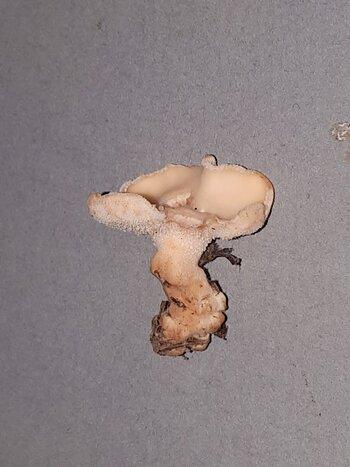
On 11th September I was surprised and excited to find an Arpinia in a spruce plantation on Anglesey, North Wales. A description is given below:
Arpinia cf luteola, Cae Brych Forestry, 11/9/23
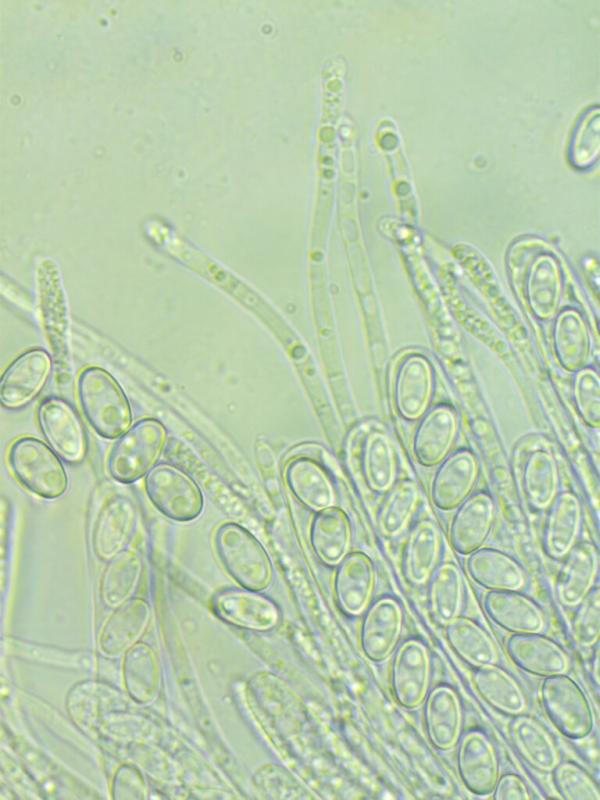
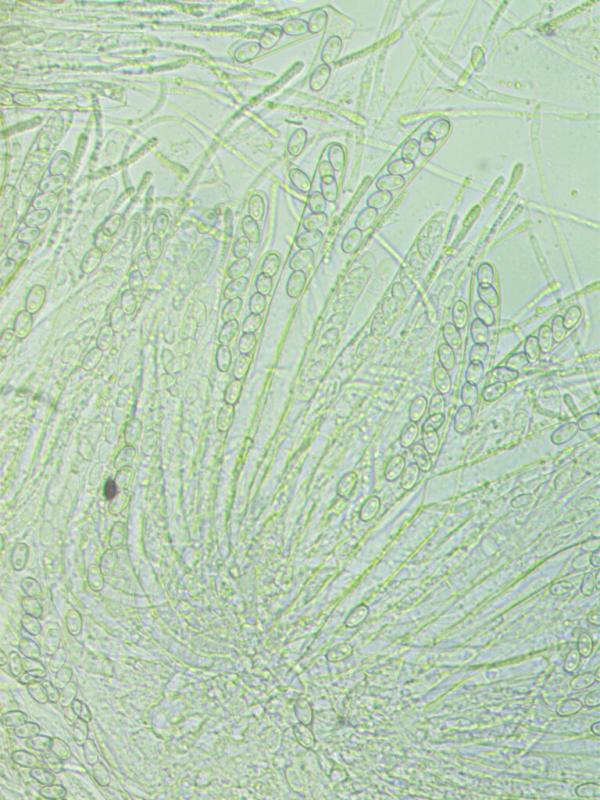
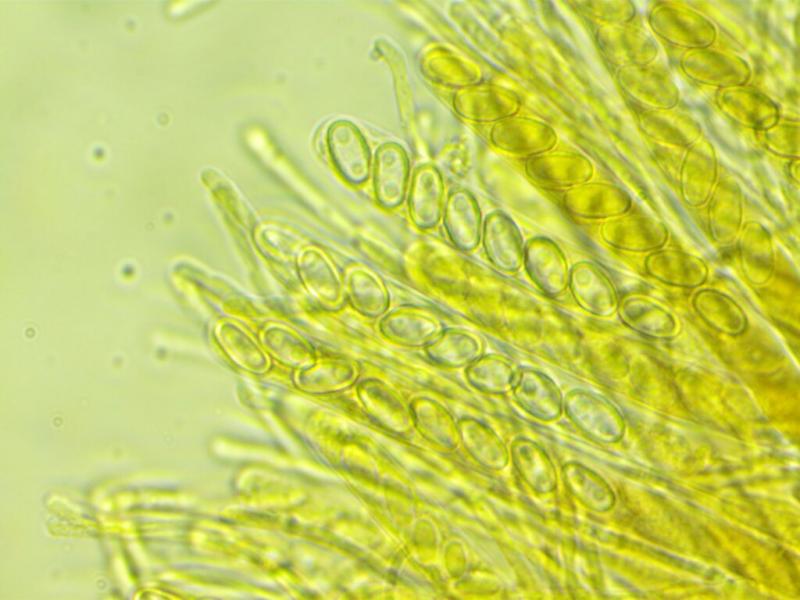
Ascospores with two guttules. Ellipsoid. Thick-walled.
10.2x6.6, 10.2x6.2, 11x6.4, 11.3x6.2, 10.8x7, 10.6x6.6, 10.1x6.2, 11.2x6.2,
10.2-11.3x6.2x7
Paraphyses mostly slightly bent or curved at apices. Slightly enlarged to about 3/3.5. Filled with guttules.
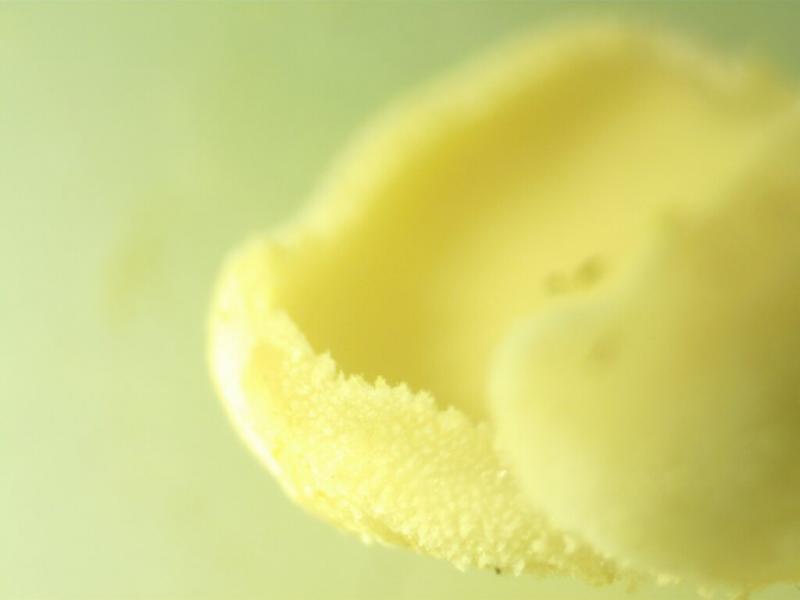
Fb 19mm, stipe 12mm. Cup shallow, 16x12mm, lobed with an incurved margin. Excipulum slightly paler & with a pink tinge. Becoming markedly pinkish on damage. Markedly furfuraceous. Stipe pale, downy.
Habitat. In litter of Picea.
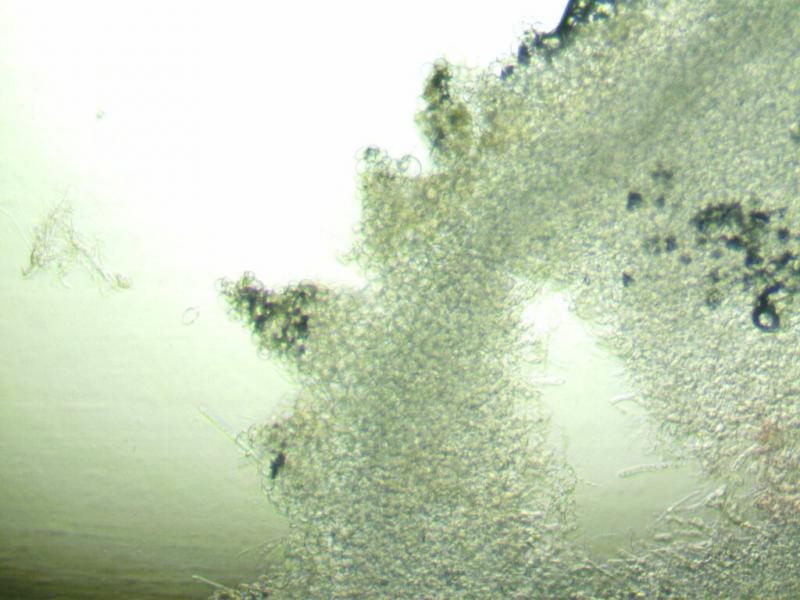
Excipular warts consisting of thin-walled globose or subglobose cells 20-30 across.
Asci X400: 56x4, 69x4, 97x4, 60x3.7, 61x4, 63x3.6, 63x3.9, 65x3.9, 63x4.1,
140-163X9-10.3
Paul Cannon kindly confirmed the ID of Arpinia as a new genus to Britain and also sent me Hohnemeyer's 1988 keys key file:///C:/Users/User/Downloads/Hohmeyer%20(1988)%20Arpinia%20(1).pdf
I am a bit torn between microspora, which has a similar spore width, and luteola var. pallidorosea which has narrower spores than my collection (5-6) but agrees in every other respect with A. luteola var. pallidorosea. We were both wondering if anyone in the forum has more experience with these elusive taxa. I intend to have the material sequenced.
Best wishes,
Charles.

I am not anywhere near an expert in this genus but found this research article from Anatolian J. of Botony by Y. Uzum. Have you seen this? It suggests A. microspora has not been found in Europe and differs from A. luteola by a whitish hymenia. Measurements look all acceptable except a very marginally difference on the width for A. luteola.
See what you think if not seen this article.
See you in Scarborough ... !!
Tony
 YUzum-10.30616-ajb.1335980-3300872-0001.pdf
Many thanks for your comments and info. Yes, it is close to luteola apart from the slight niggle re spore width. The material has been dried and I definitely intend to have it sequenced so maybe that will shed a bit more light on this.
Best wshes,
Charles.