
12-06-2026 14:50
 François Freléchoux
Bonjour, Voici la brève description d'une Mollis
10-06-2026 21:16
François Freléchoux
Bonsoir,Le dernier du jour, en attendant votre avi
11-06-2026 19:01
 William Slosse
Hello all,In an attempt to make a culture of a sus
11-06-2026 19:03
 Nicolas VAN VOOREN
Chers membres d'Ascofrance,Le site sera placé en

09-06-2026 18:32
Camille MertensSur morceau de roseau immergé 0,5 - 0,7 mm de dia
10-06-2026 12:54
Steve ClementsBonjour encore, Pouvez-vous m'aider, s'il vous pl
10-06-2026 21:07
François Freléchoux
Toutes les tiges de gentianes jaunes de l'an passÃ
10-06-2026 13:41
François Freléchoux
Bonjour à nouveau, Voici une trouvaille d'hier.
Psilachnum ? on Equisetum hyemale
Thorben Hülsewig,
22-08-2021 20:54
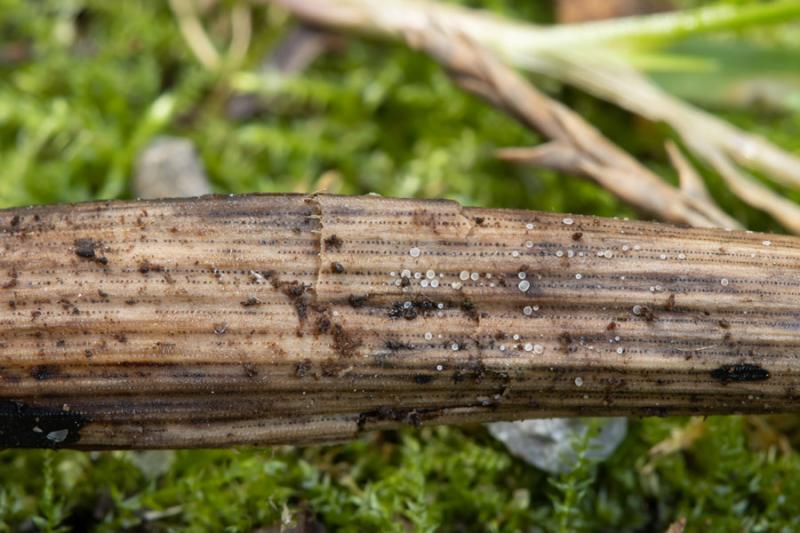
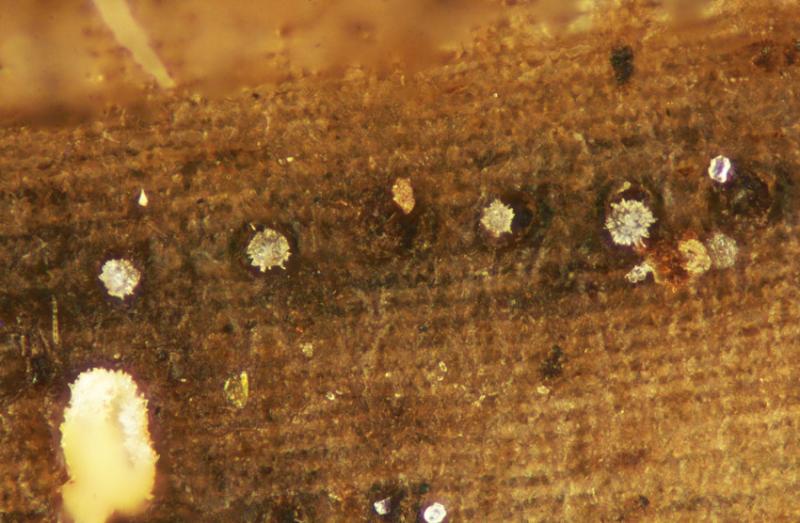
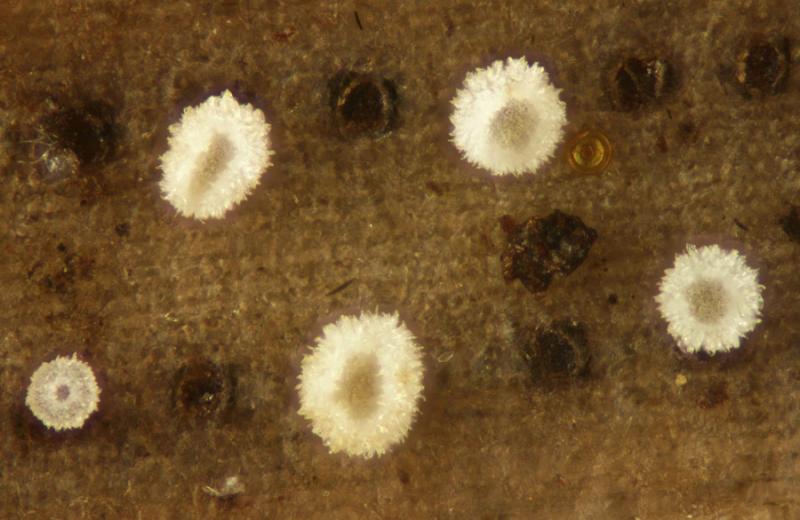
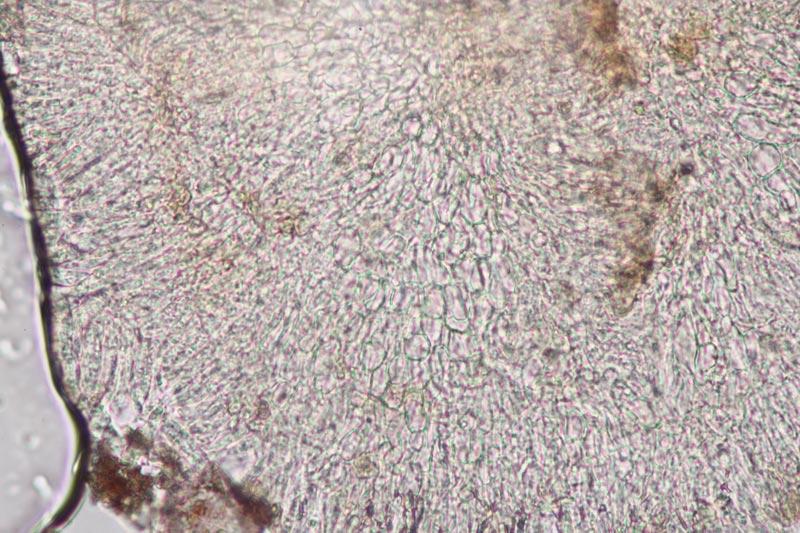
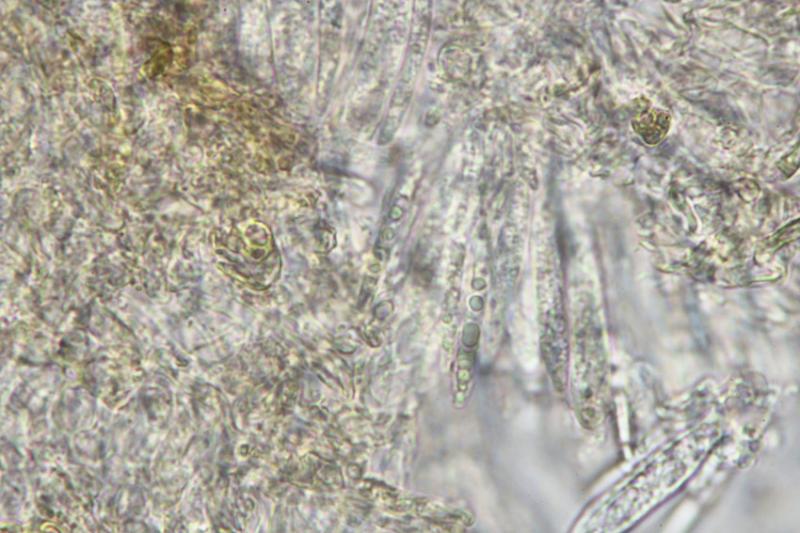
yesterday I found im botanical garden Bochum this asco on Equisetum hyemale.
My guess was a Psilachnum, but now I am not so sure.
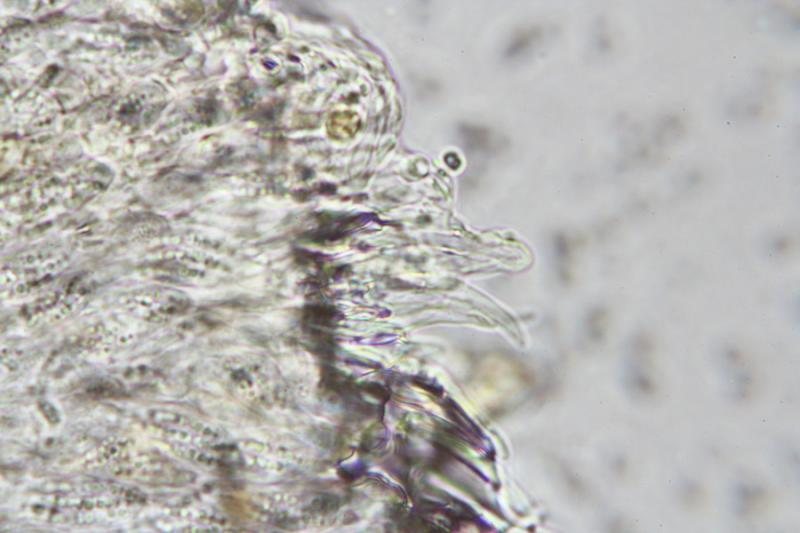
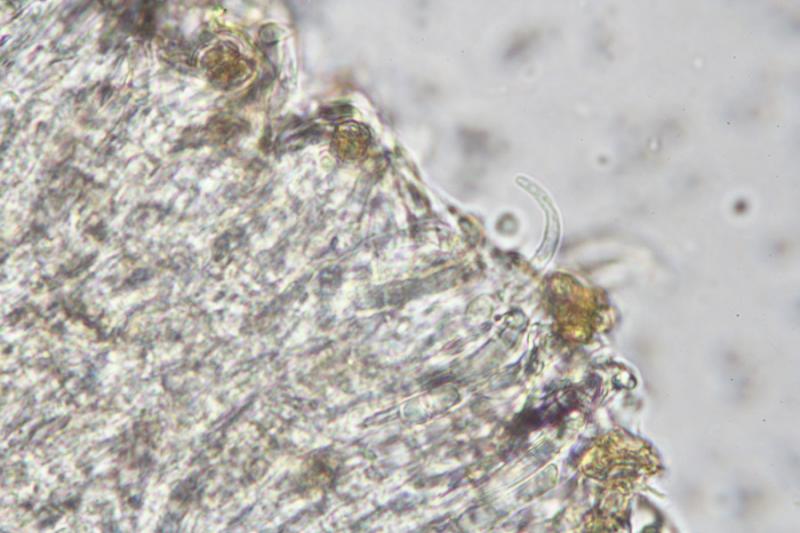
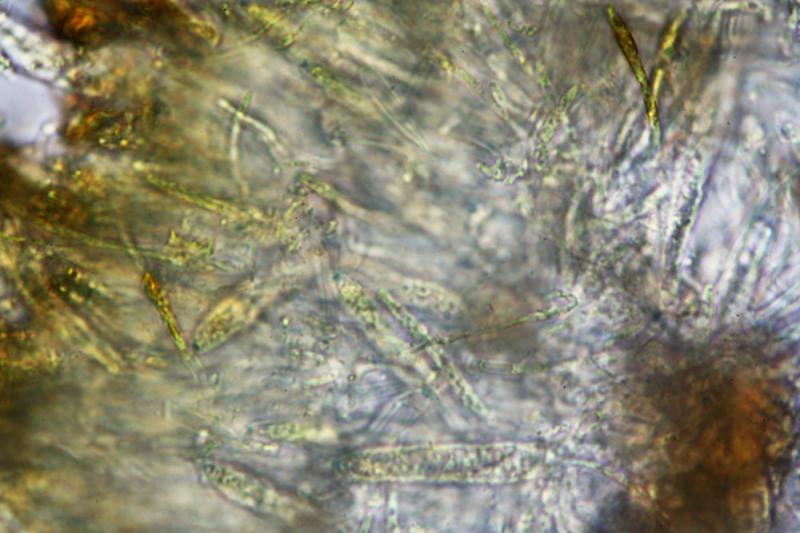
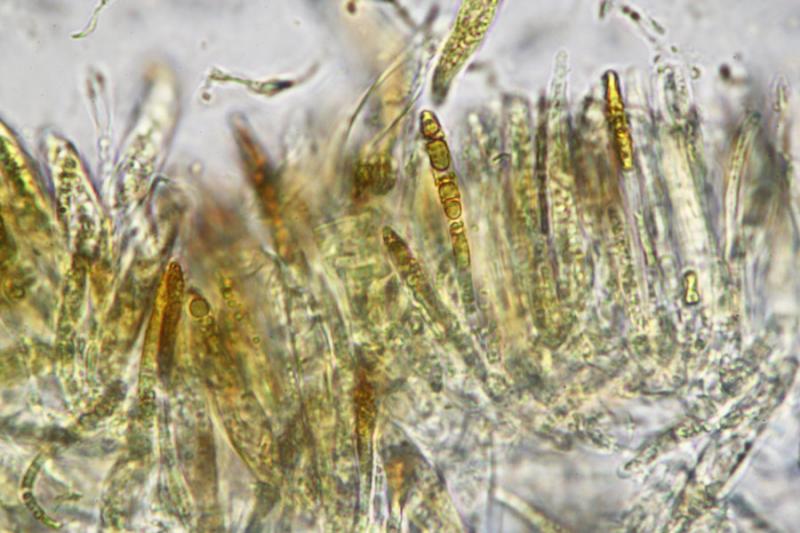
The marginal hairs are curved (like claws) and partly glued.
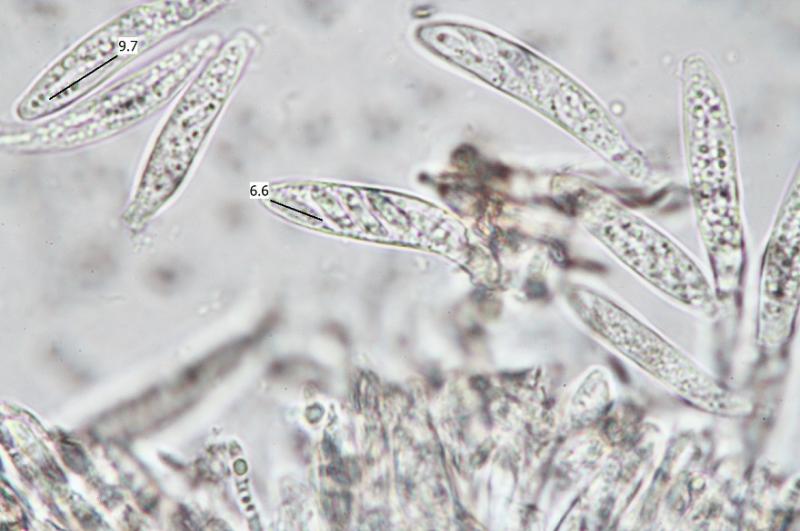
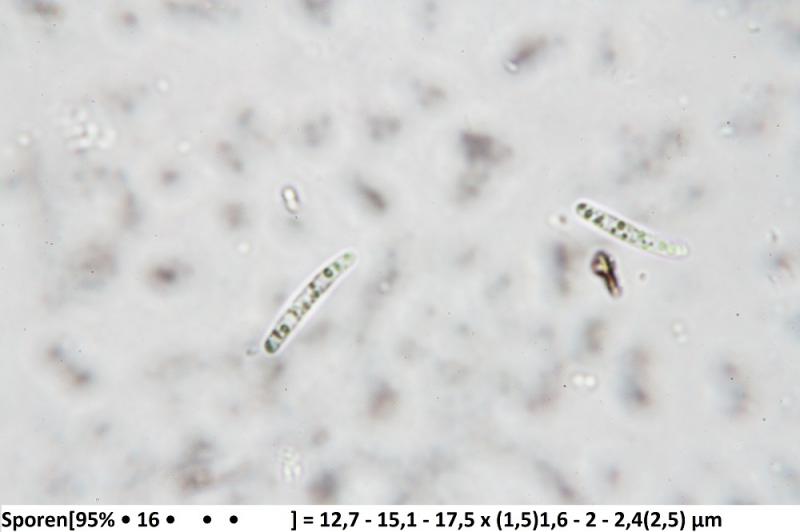
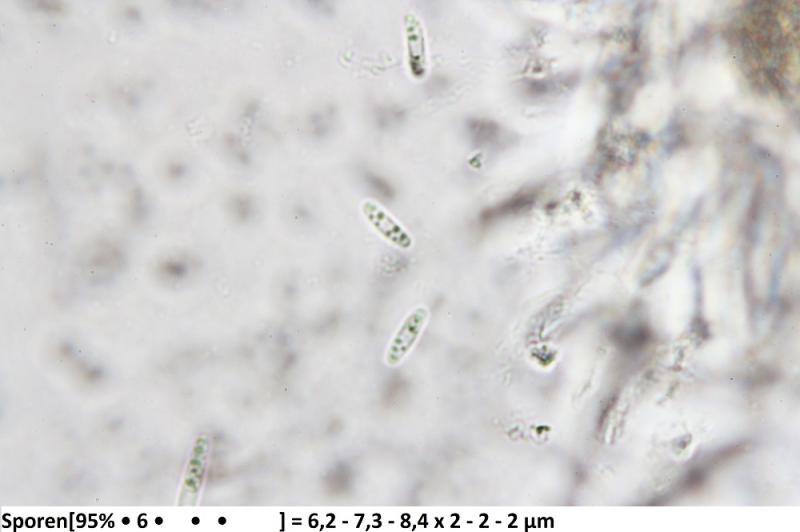
There are 2 types of spores (the short and the long spores).
Both spore types are formed in the ascus, unfortunately I don't know if all asci are 8-spored.
Any idea what this could be ?
best regards,
Thorben
Thorben Hülsewig,
24-08-2021 18:04
Re : Psilachnum ? on Equisetum hyemale
No ideas ?
Juuso Äikäs,
24-08-2021 23:12
Re : Psilachnum ? on Equisetum hyemale
Psilachnum inquilinum is a species that grows on Equisetum and has hairs thar are apically bent. Where I live it seems to be fairly common. Maybe this could be that? Zotto has earlier mentioned that there is a species with bigger spores that grows on E. hyemale. The two-sized spores are maybe a bit weird? Are they from different apos?
Thorben Hülsewig,
26-08-2021 17:17
Re : Psilachnum ? on Equisetum hyemale
Hi Juuso,
i think your idea with Psilachnum inquilinium is not bad.
The two-sized spores are in all Apos present. That's why think it belongs to the fungus.
I see also only the Psilachnum apos on these substrate and some Hydropisphaera, but no other.
I saved it as Psilachnum cf. inquilinum and wait until i can collect more material.
Maybe the other material doesn't have 2 types of spores.
best regards,
Thorben
i think your idea with Psilachnum inquilinium is not bad.
The two-sized spores are in all Apos present. That's why think it belongs to the fungus.
I see also only the Psilachnum apos on these substrate and some Hydropisphaera, but no other.
I saved it as Psilachnum cf. inquilinum and wait until i can collect more material.
Maybe the other material doesn't have 2 types of spores.
best regards,
Thorben