11-05-2026 12:32
 Bernard CLESSE
Pourriez-vous m'aider à identifier cette héloti
13-05-2026 15:26
 François Freléchoux
Bonjour,Voici une récolte faite il y a quelques j
12-05-2026 15:41
 Nicolas VAN VOOREN
Dear Ascolovers, especially interested in Pezizale
13-05-2026 12:05
 Thierry Blondelle
Bonjour à tous,J'aimerais avoir confirmation de c
10-05-2026 23:17
 Andreas Gminder
Hello,today we found in a moist steep decidous for
28-04-2026 20:07
 Lothar Krieglsteiner
... on twig in the air at standing Ceratonia siliq
27-04-2026 20:52
Lothar Krieglsteiner
Found on hanging tiwg of Olea europaea in dried-ou
11-05-2026 20:22
Lothar Krieglsteiner
on attached twig of standing Ficus caricaquite uns
29-04-2026 10:44
Lothar Krieglsteiner
growing at moist, drying-out soil at the side of a
Thyridaria sp.
Andgelo Mombert,
15-09-2020 17:27

Bonjour,
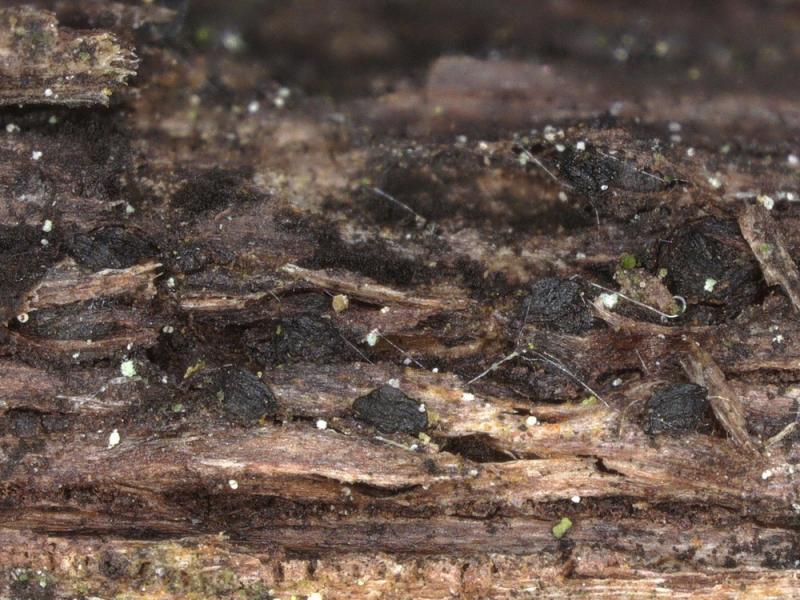
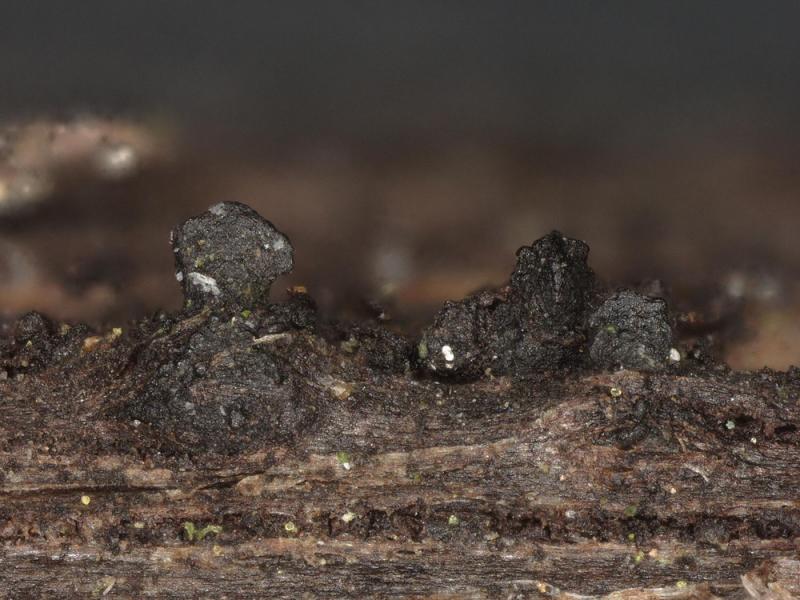
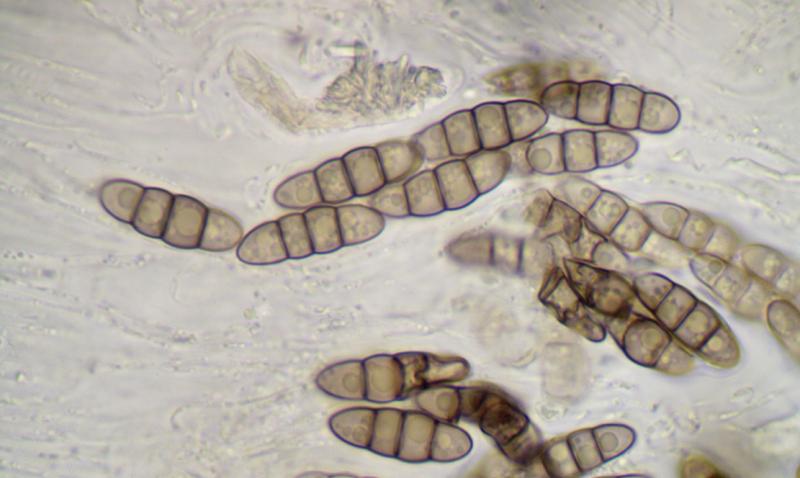
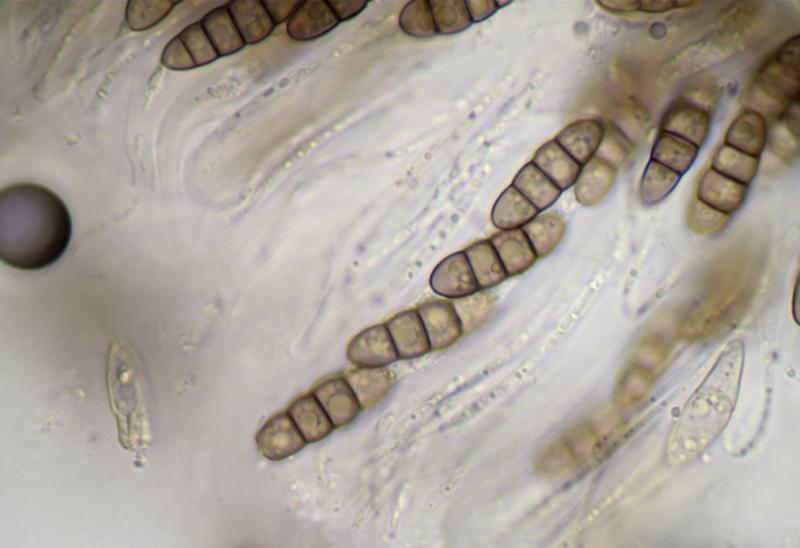
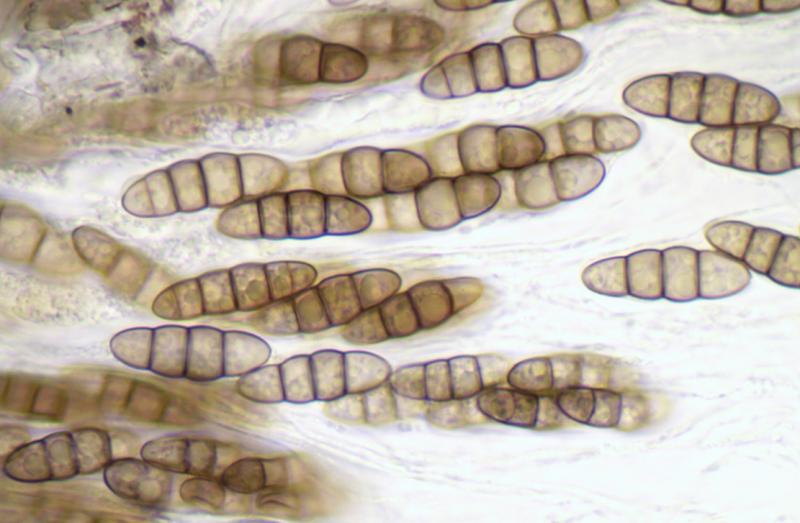
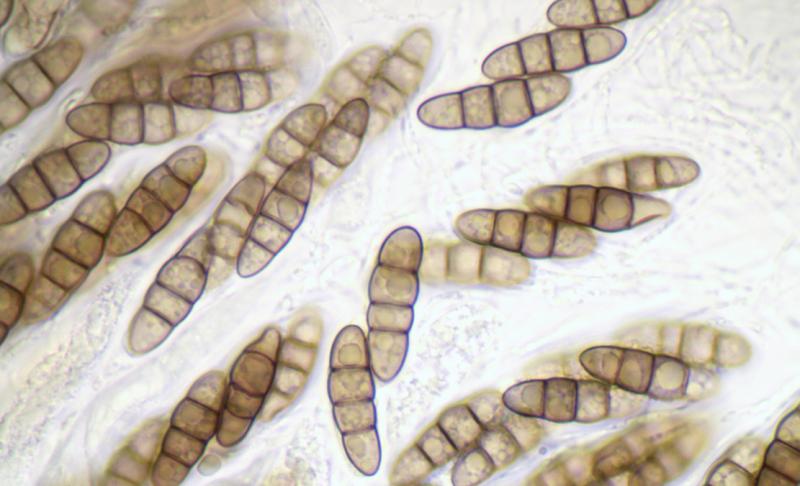
Sur branche morte décortiquée de Berberis vulgaris en montagne (Valais, Suisse).
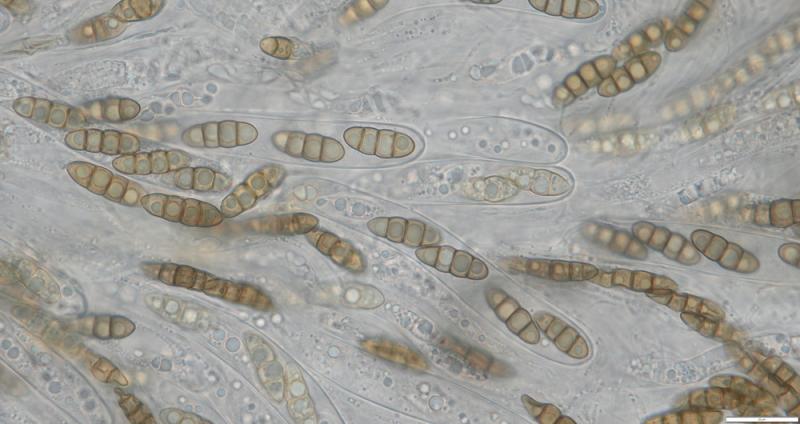
Ascospores : 19,5-25 x 6-9 µm, en moyenne 22 x 7 µm, brunes, à 3(4) cloisons, lisses.
Asques : cylindriques, bituniqués, contenant huit ascospores unisériées ou bisériées.
Pourrait-il s'agir de Thyridaria triseptata ?
Merci d'avance pour votre aide !
Andgelo

Gernot Friebes,
11-03-2026 13:38
Re : Thyridaria sp.
Dear Andgelo,
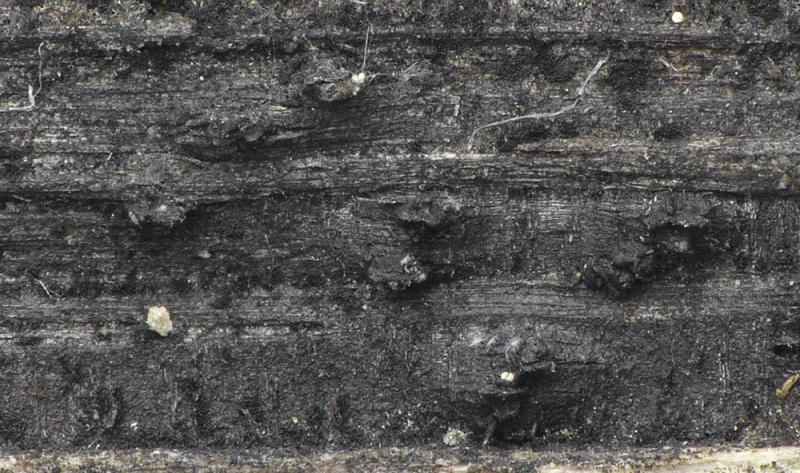
I likely found the same species, also on Berberis vulgaris. Ascospores: approx. 21.2-24.3 x 6.5-8.6 µm, apparently always 3-septate.
I would put this in the vicinity of Lophiostoma quadrinucleatum. The ascospore size of our collections falls between L. quadrinucleatum and L. caespitosum. Interestingly, Holm & Holm mention collections from Berberis deviating from L. quadrinucleatum, but I have not seen the additional septa that they describe, and the ascospore length they give is still on the larger side.
So, my best guess would be that this is a distinct (undescribed?) species from the L. quadrinucleatum complex.
Best wishes,
Gernot
I likely found the same species, also on Berberis vulgaris. Ascospores: approx. 21.2-24.3 x 6.5-8.6 µm, apparently always 3-septate.
I would put this in the vicinity of Lophiostoma quadrinucleatum. The ascospore size of our collections falls between L. quadrinucleatum and L. caespitosum. Interestingly, Holm & Holm mention collections from Berberis deviating from L. quadrinucleatum, but I have not seen the additional septa that they describe, and the ascospore length they give is still on the larger side.
So, my best guess would be that this is a distinct (undescribed?) species from the L. quadrinucleatum complex.
Best wishes,
Gernot