
27-04-2026 20:52
 Lothar Krieglsteiner
Found on hanging tiwg of Olea europaea in dried-ou
27-04-2026 18:48
Tony MoverleyCollected 23rd April 2026, Norfolk, EnglandSwarms
27-04-2026 17:41
Lothar Krieglsteiner
.. Algarve, same leaf than the last post. The con
27-04-2026 18:05
Lothar Krieglsteiner
... still attached at standing tree. The green con
27-04-2026 17:16
Lothar Krieglsteiner
.. Algarve, moist lying.The conidiomata look like
27-04-2026 12:54
Steve ClementsBonjour. Ce petit champignon blanc résupiné et
27-04-2026 09:59
Pauline. PennaBonjour Can anyone advise me on these pycnidia fo

22-04-2026 20:54
 Enrique Rubio
Hi to everybody.This Pyrenopeziza grew in moist le
Moellerodiscus sp?? Rubus ulmifolius
Valencia Lopez Francisco Javier,
17-02-2020 00:10
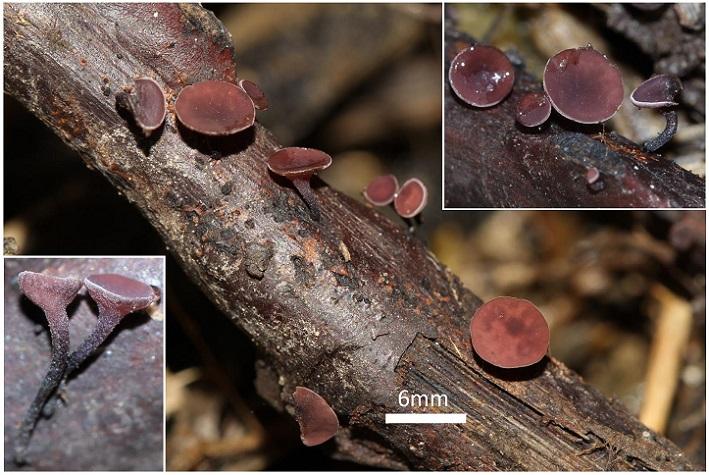
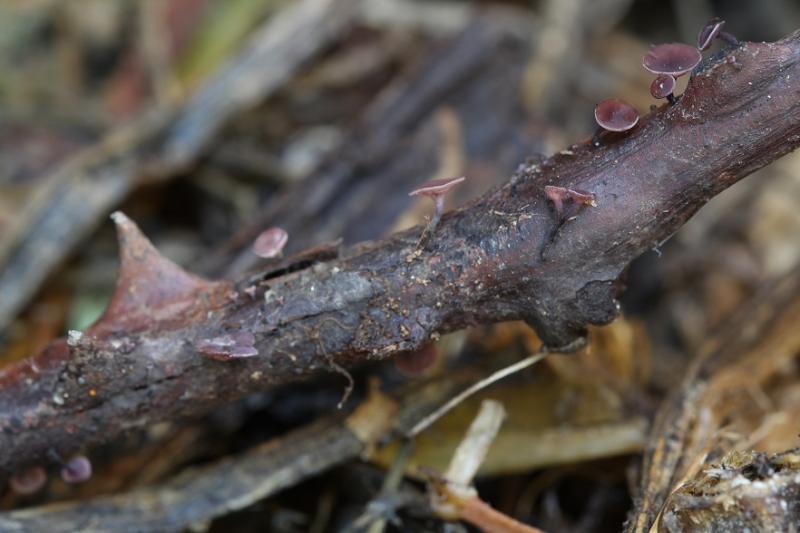
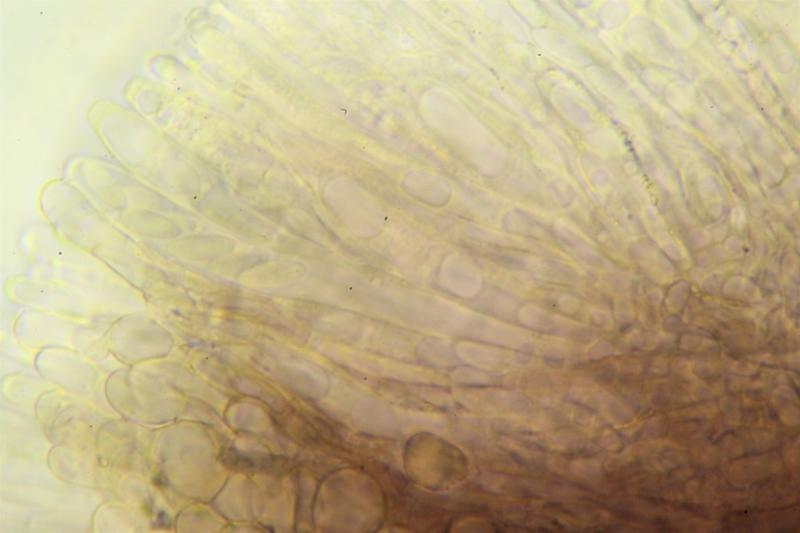
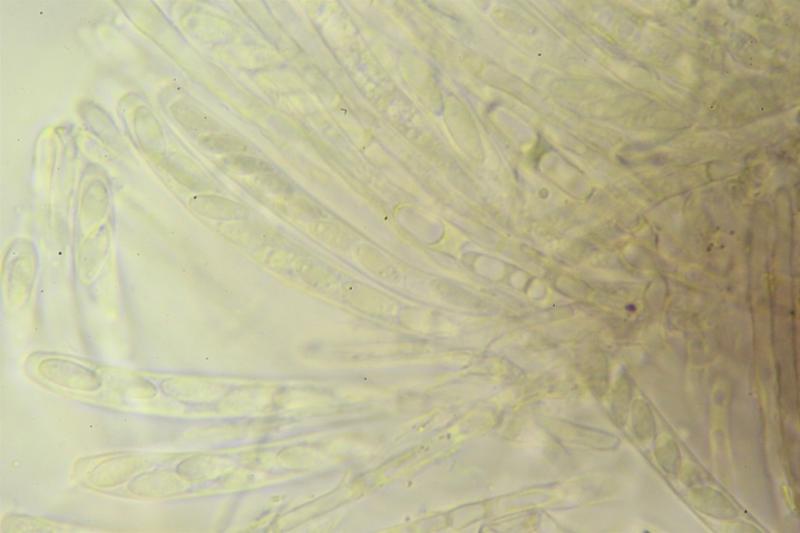
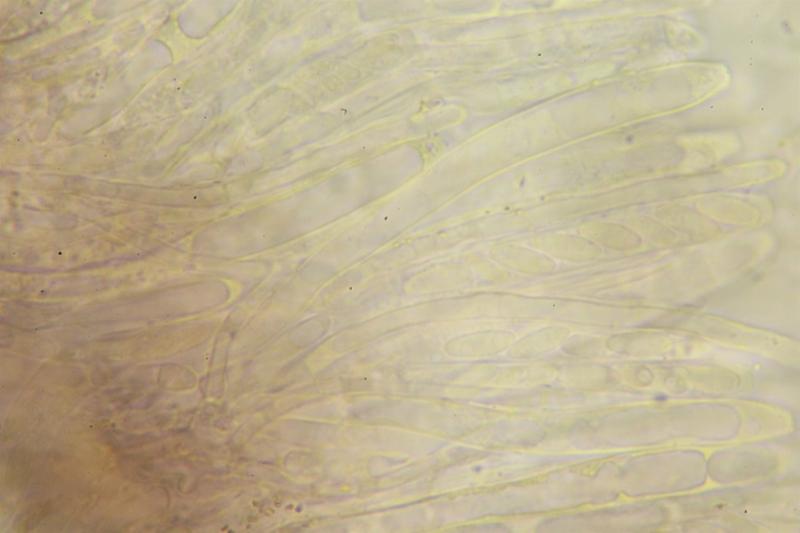
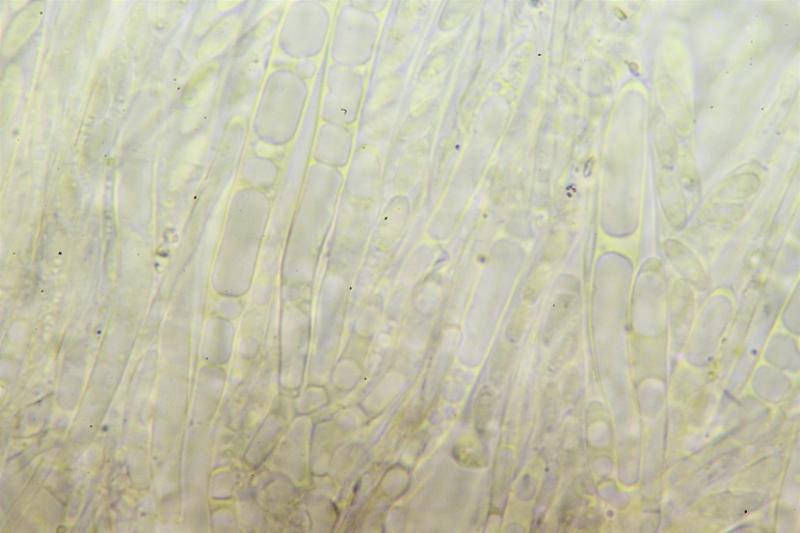
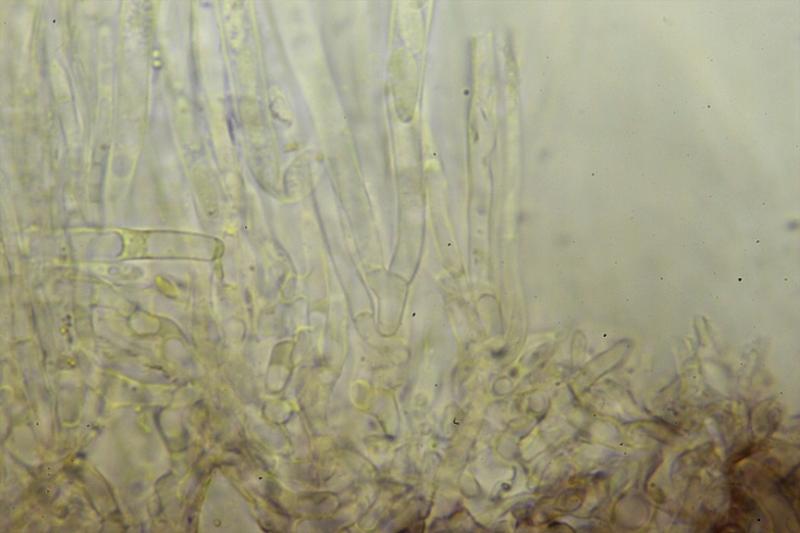
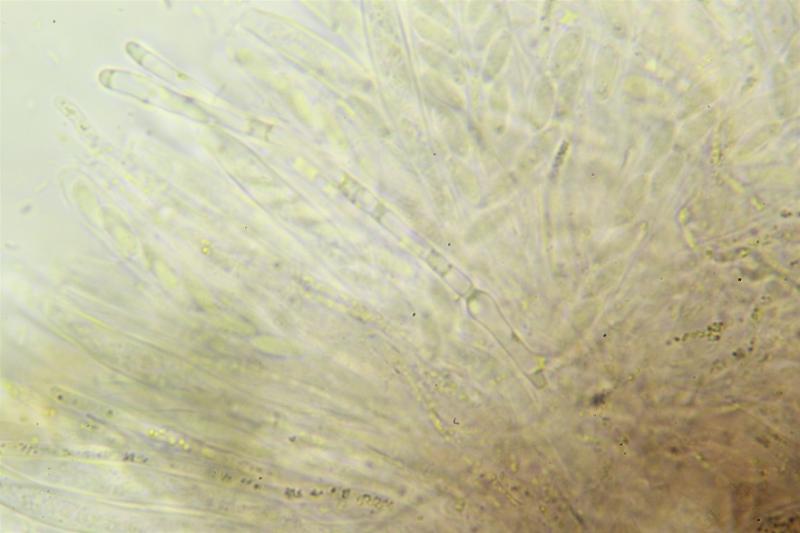
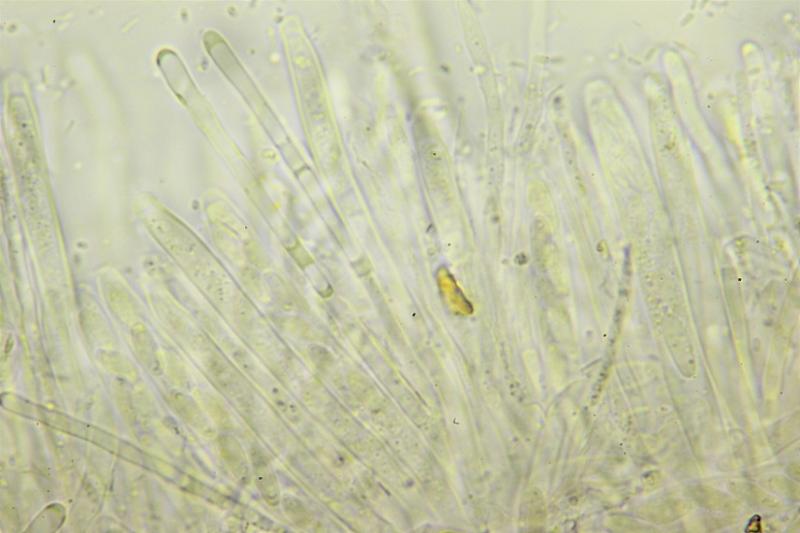
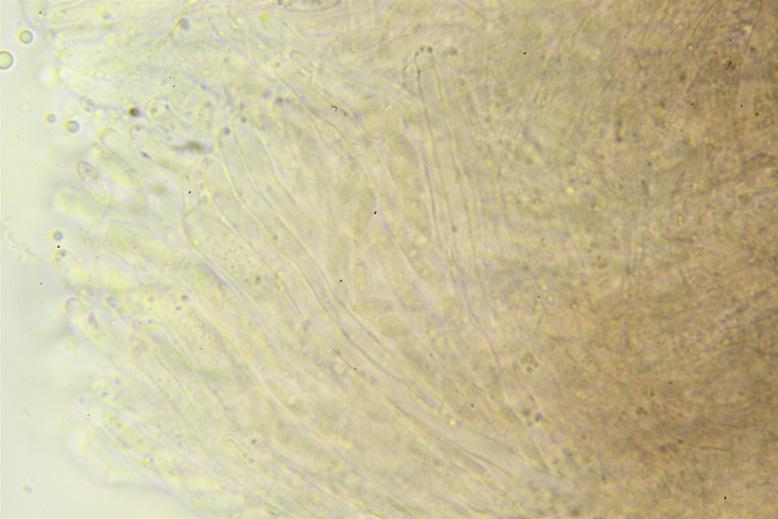
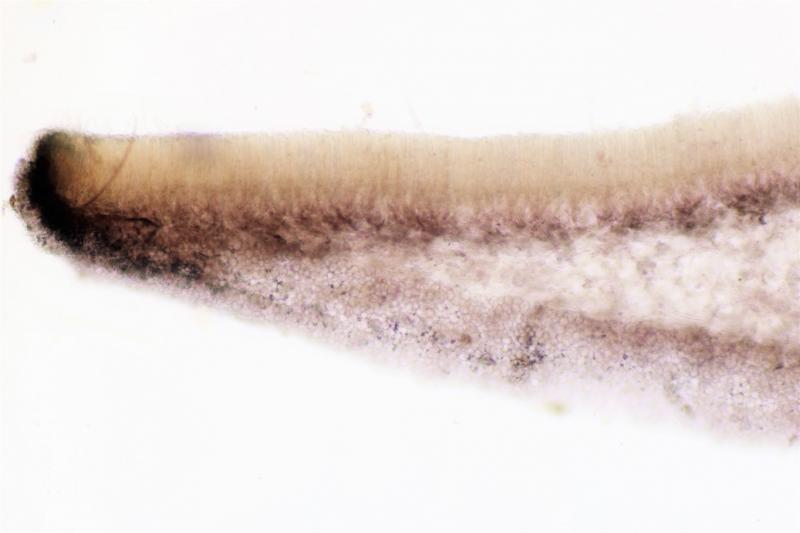
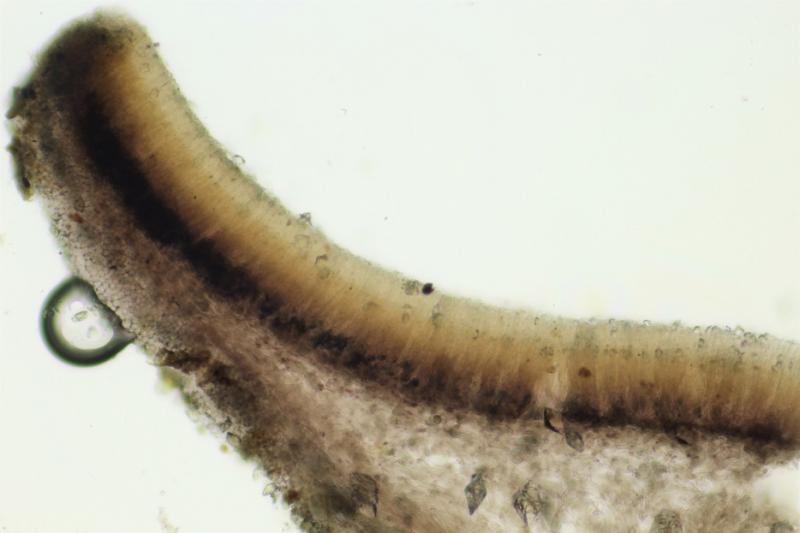
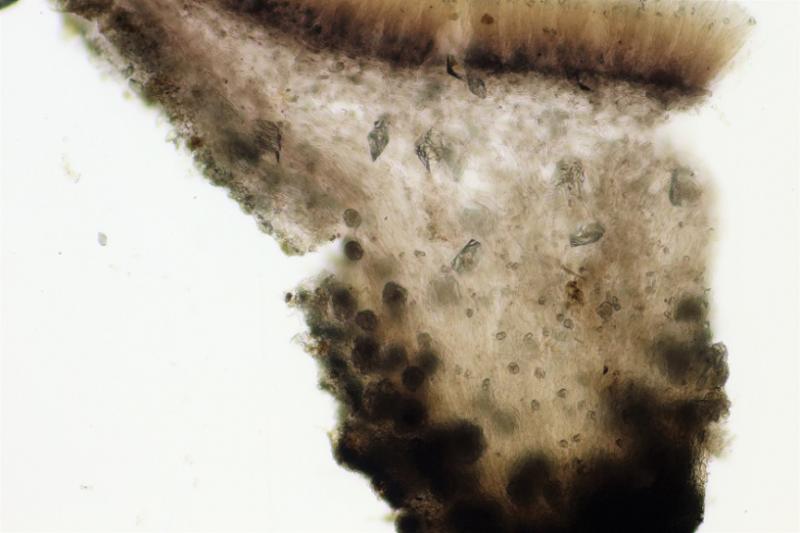
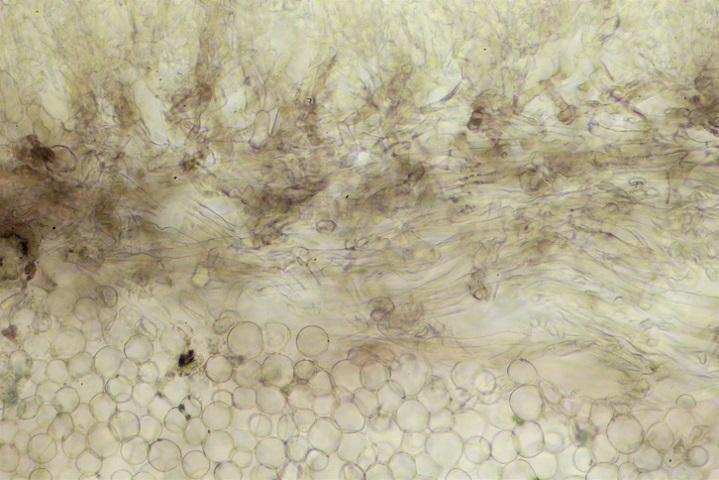
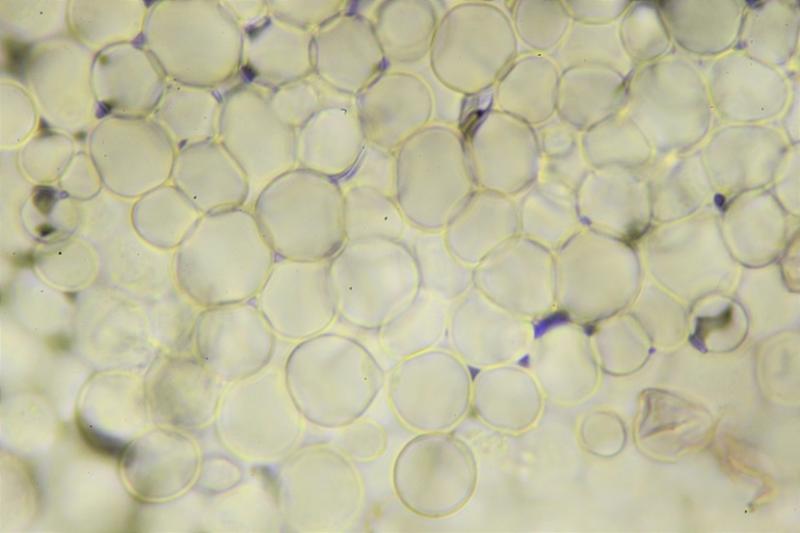
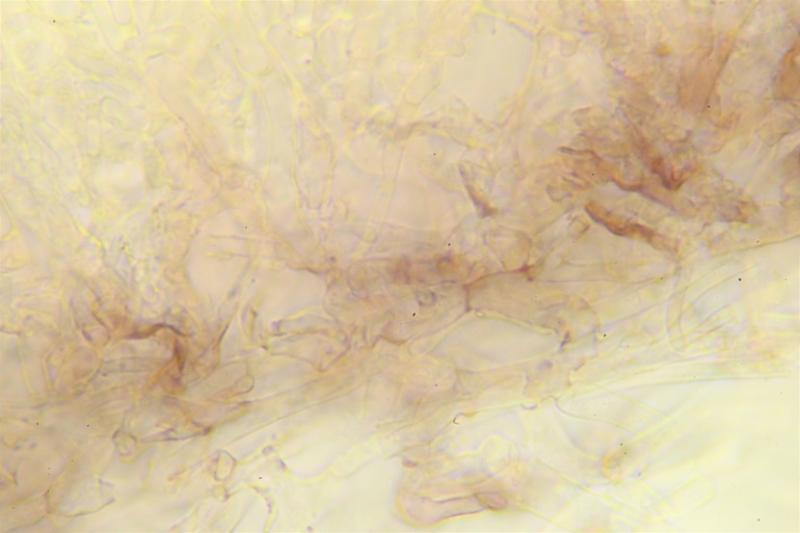
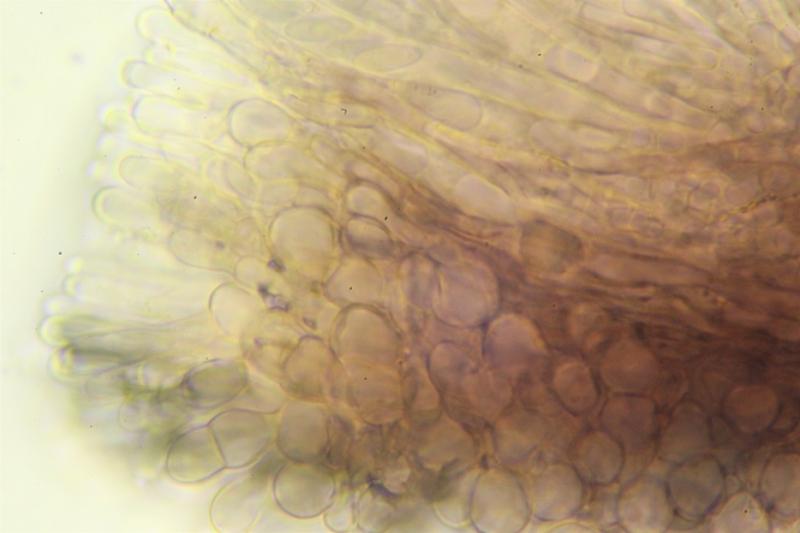
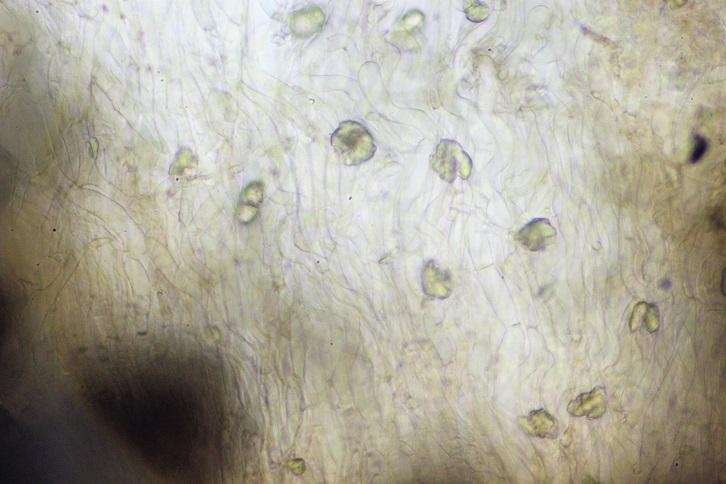
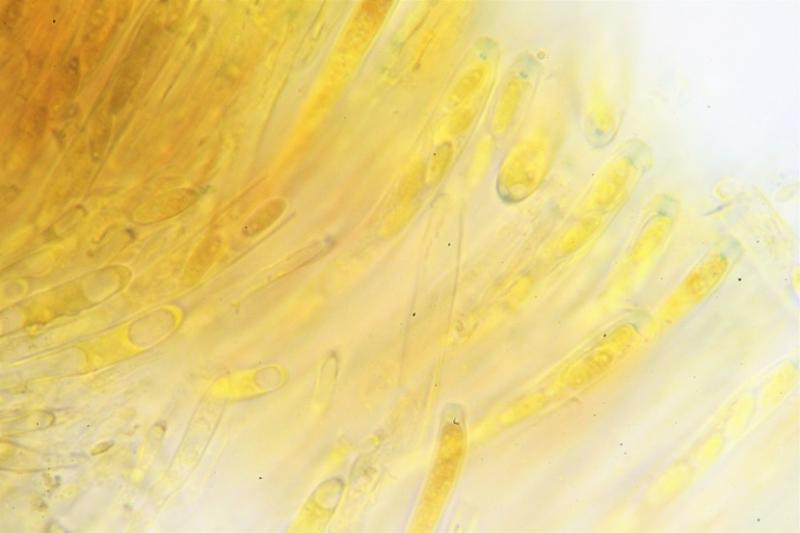
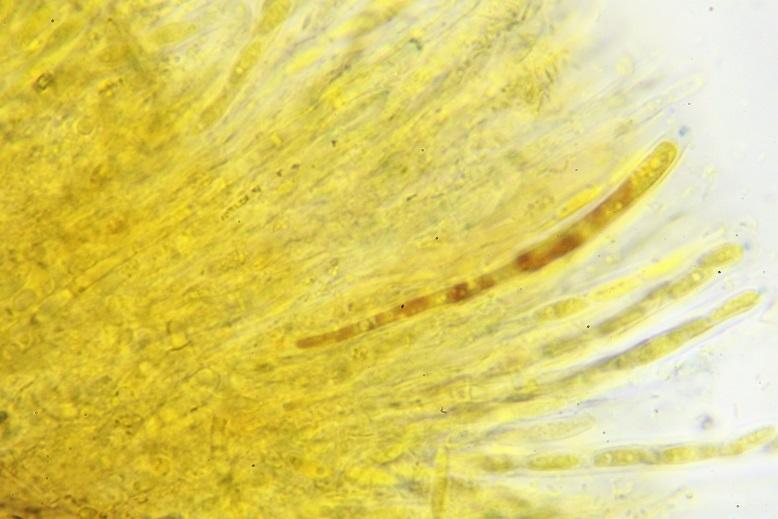
Adjunto algunas fotos de unos supuestos Moellerodiscus sp, recolectados en ramitas muertas de Rubus ulmifolius, en un lugar húmedo dentro de una plantación de aguacates (Persea amaricana) en Nerja (Málaga)
Apotecios de hasta 6mm aproximadamente, de color violeta oscuro, con el margen y el estípite furfuráceo.
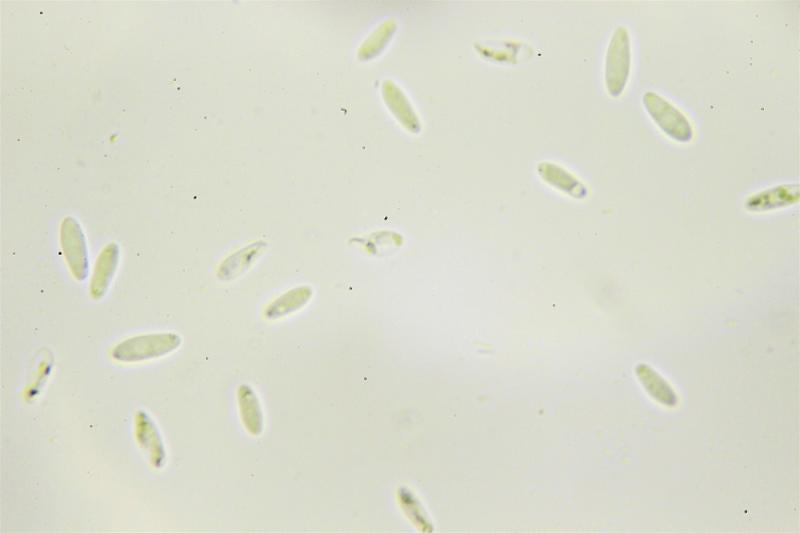
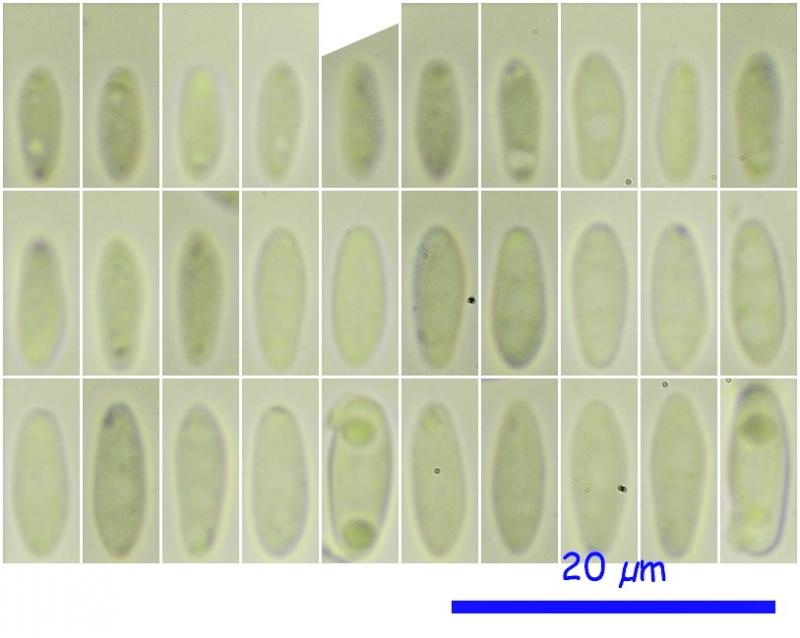
Esporas de: (6,9) 7,4 - 9,7 (10,6) × (2,5) 2,8 - 3,6 (3,9) µm
Q = (2,3) 2,5 - 2,9 (3,0) ; N = 30
Me = 8,6 × 3,2 µm ; Qe = 2,7
Paráfisis (ápice) de: (2,0) 2,3 - 3,1 (3,3) µm
Los demás caracteres macro/micro quedan reflejados en las fotografías adjuntas.
Moellerodiscus sp, parece una buena opción, he consultado en las carpetas de Google drive esta colección de Zotto (Moellerodiscus Rubus H+ NO VBs ) y tiene cierta similitud, difiere en que esta parece que presenta croziers en la base de las ascas y el color de los apotecios son diferentes, no violetas.
Me gustaría contar con vuestra opinión.
Gracias anticipadas y saludos a todos.
Curro Valencia.
Raúl Tena Lahoz,
17-02-2020 08:04

Re : Moellerodiscus sp?? Rubus ulmifolius
Hola Curro
It looks as the widespread Ciboria ("Moellerodiscus") aestivalis... But the species type still has to be checked to confirm the absence of croziers and other features... It would be good if you could check the hemiamyloidity of the rounded excipular cells and also marginal cells... I recommend to pre-treat with KOH first, then wash gently with water and finally add Lugol... I think you will obtain a blue reacción... I see a couple of spores with LBs... Strange and interesting!
Un saludo,
Raúl
It looks as the widespread Ciboria ("Moellerodiscus") aestivalis... But the species type still has to be checked to confirm the absence of croziers and other features... It would be good if you could check the hemiamyloidity of the rounded excipular cells and also marginal cells... I recommend to pre-treat with KOH first, then wash gently with water and finally add Lugol... I think you will obtain a blue reacción... I see a couple of spores with LBs... Strange and interesting!
Un saludo,
Raúl
Valencia Lopez Francisco Javier,
17-02-2020 23:57
Re : Moellerodiscus sp?? Rubus ulmifolius
Hola Raul
Me alegro de escucharte de nuevo por aquí!!
Muchas gracias por tus observaciones, desgraciadamente no puedo testar la hemiamiloide de las células excipulares redondas y las células marginales, al menos con apotecios frescos, estos estuvieron algunos días en la nevera y las ramitas empezaron a degradarse, los tuve que secar rápidamente, mañana intentaré hidratar un apotecio a ver qué tal sale, imagino que si la reacción hemiamiloide es evidente, tendrá que funcionar también con material de herbario.
Esta reacción hemiamiloide es una característica de Moellerodiscus?? Conozco Ciboria americana y recuerdo que también reaccionan las células excipulares con IKI.
Saludos
Curro Valencia
Me alegro de escucharte de nuevo por aquí!!
Muchas gracias por tus observaciones, desgraciadamente no puedo testar la hemiamiloide de las células excipulares redondas y las células marginales, al menos con apotecios frescos, estos estuvieron algunos días en la nevera y las ramitas empezaron a degradarse, los tuve que secar rápidamente, mañana intentaré hidratar un apotecio a ver qué tal sale, imagino que si la reacción hemiamiloide es evidente, tendrá que funcionar también con material de herbario.
Esta reacción hemiamiloide es una característica de Moellerodiscus?? Conozco Ciboria americana y recuerdo que también reaccionan las células excipulares con IKI.
Saludos
Curro Valencia