12-06-2026 14:50
 François Freléchoux
Bonjour, Voici la brève description d'une Mollis
10-06-2026 21:16
François Freléchoux
Bonsoir,Le dernier du jour, en attendant votre avi
11-06-2026 19:01
 William Slosse
Hello all,In an attempt to make a culture of a sus
11-06-2026 19:03
 Nicolas VAN VOOREN
Chers membres d'Ascofrance,Le site sera placé en

09-06-2026 18:32
Camille MertensSur morceau de roseau immergé 0,5 - 0,7 mm de dia
10-06-2026 12:54
Steve ClementsBonjour encore, Pouvez-vous m'aider, s'il vous pl
10-06-2026 21:07
François Freléchoux
Toutes les tiges de gentianes jaunes de l'an passÃ
10-06-2026 13:41
François Freléchoux
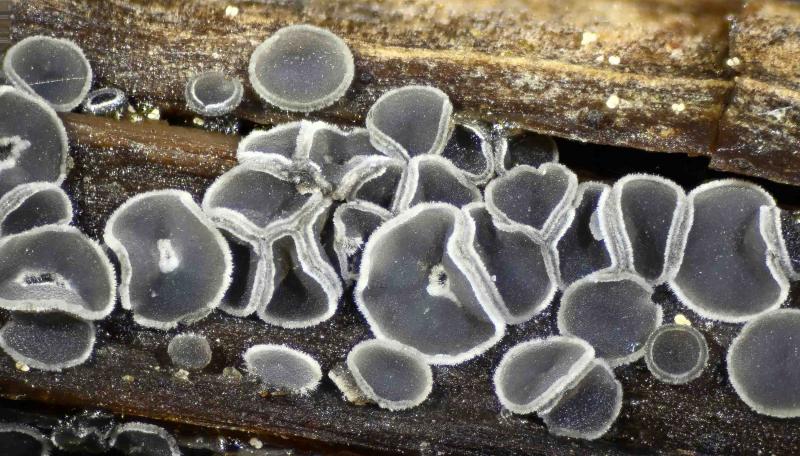
Bonjour à nouveau, Voici une trouvaille d'hier.
Caractères macroscopiques
Fructifications 0,5-1 mm, sessile, grises avec le bord blanc orné de cils courts.
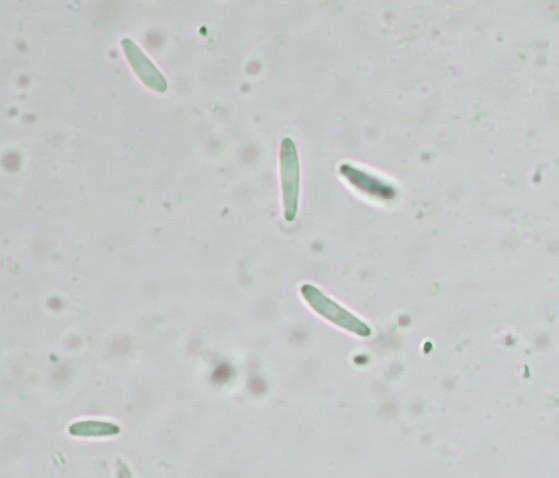
Caractères microscopiques
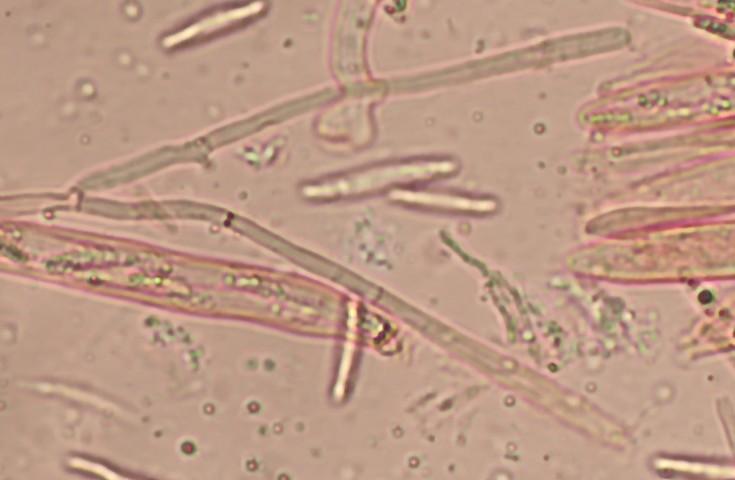
Ascospores 7,5-10 x 1,7-2,4 µm, bacilliformes, à peine fusiformes, guttulées aux extrémités, uni-bisériées dans l'asque.
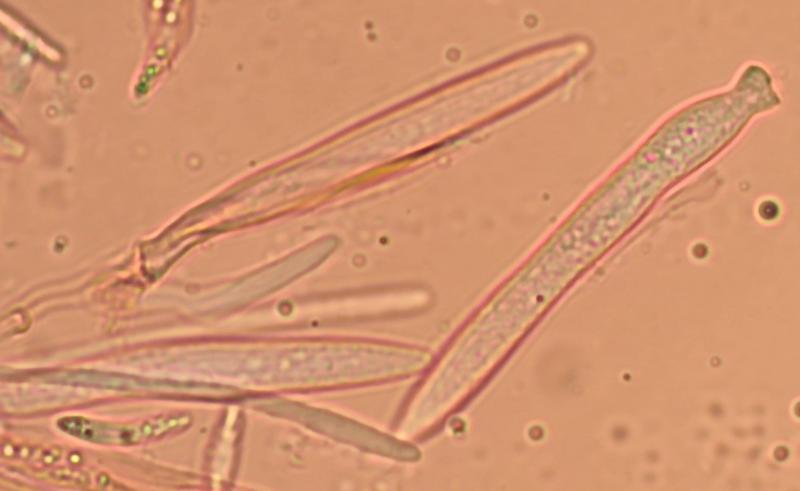
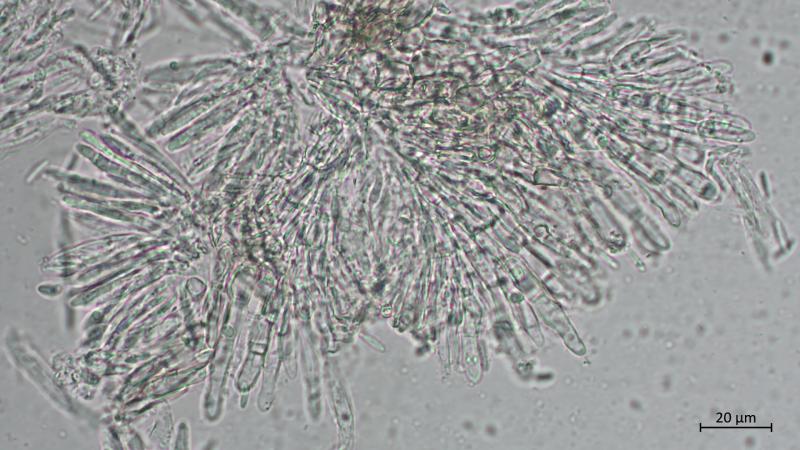
Asques 38-65 x 4-7 µm, cylindriques, avec crochet, octosporés, inoperculés, pore bleu dans le Lugol.
Paraphyses de même longueur que les asques x 2-3 µm, filiformes et un peu dilatées à l'apex, 1-septées, riches en vacuoles réfringentes. Réaction négative à KOH 3%.
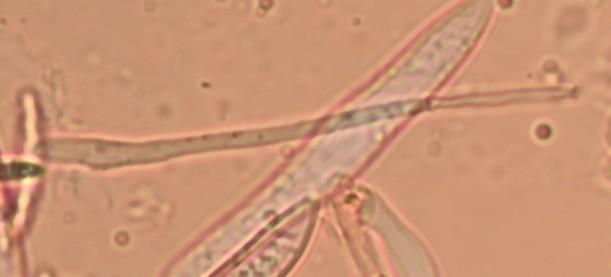
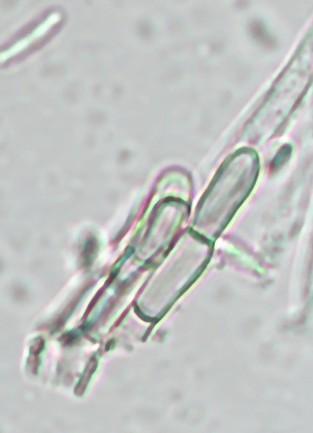
Poils 45-80 x 4,5-6,5 µm, hyalins, à paroi relativement épaisse et lisse, multiseptés.
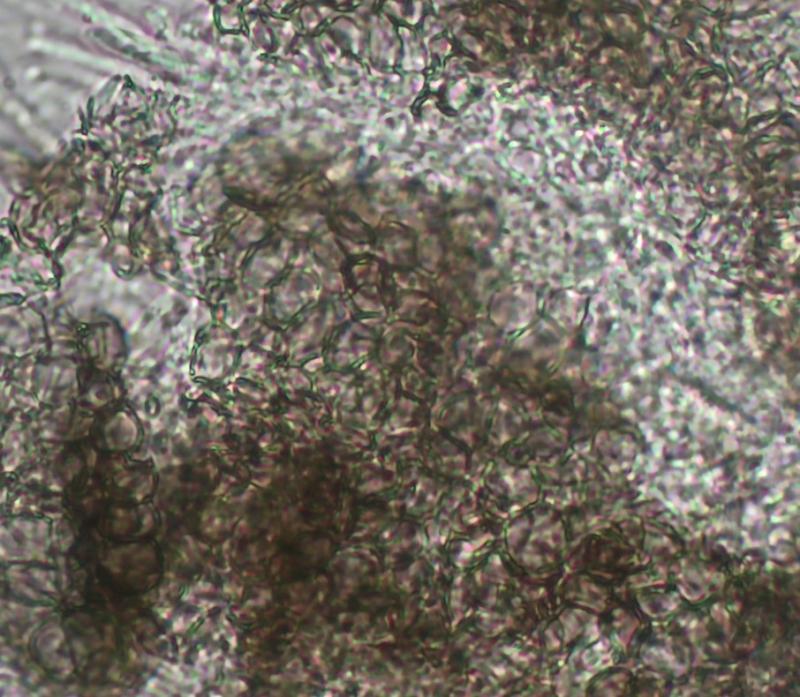
Excipulum ectal à textura globulosa.
Spécimens récoltés sur tige au sol de Filipendula ulmaria de l'année passée, le 05.06.26, dans la tourbière du Bois des Lattes aux Ponts-de-Martel, canton de Neuchâtel, coordonnées suisses : 554'251 x 202614.