
31-03-2026 08:19
 Bernard CLESSE
Bonjour à toutes et tous,Pourriez-vous m'aider à
30-03-2026 12:03
 William Slosse
Hello all,On 27/03/26, in Kraaiveld in Wingene (Be
25-03-2026 10:35
Hulda Caroline HolteHello,I collected this species growing on a dead b
30-03-2026 09:53
Yanick BOULANGERBonjourVoici des petites fructifications poilues s
27-03-2026 10:47
Åge OterhalsI have tentatively identified this Stictis to S. f
28-03-2026 07:55
 Marc Detollenaere
Hello everybody,Yesterday I found a number of whit
26-03-2026 15:31
 Åke Widgren
Hello,I found this one in October last year, on r
27-03-2026 15:23
Gernot FriebesHi,this Trichopezizella deviates from typical T. b
ID help - brown globules
Carmel Sammut,
04-02-2017 17:54
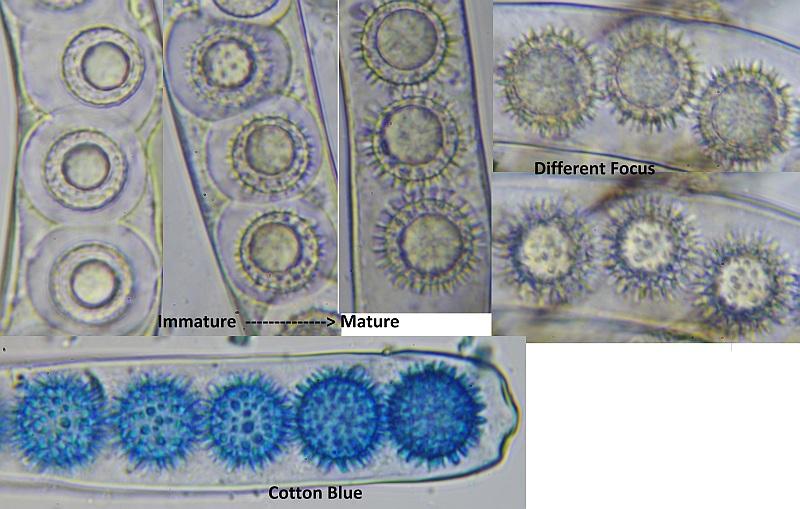
The globular ascoma are small 2-5mm in size, reddish brown to dark brown.
Asci: 8 spored, IKI +ve (faint diffused), pleurorhynchus, large 287-327 x 25-33µm
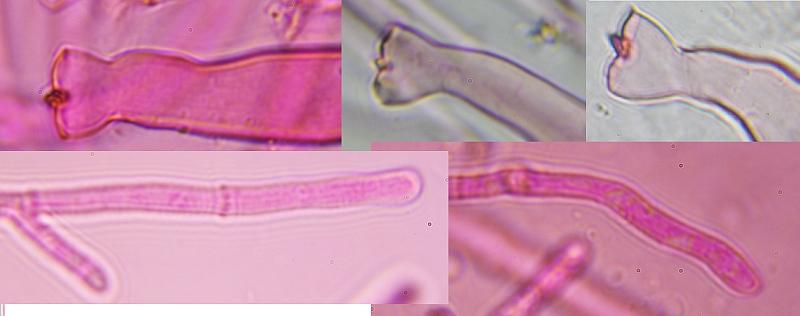
Paraphsis: Thin, very abundant
Spores: Rounded and echinulate. Different stages of maturity observed in same specimen. An outer layer is present at the immature stages. Size: 18.2-20.7 x 17.5-20µm measured inside ascus - no free spores observed.
My initial suspicion is on Sphaerosoma echinulatum but the spores are quite smaller, perhaps because not fully mature spores have been measured?
What do you think?
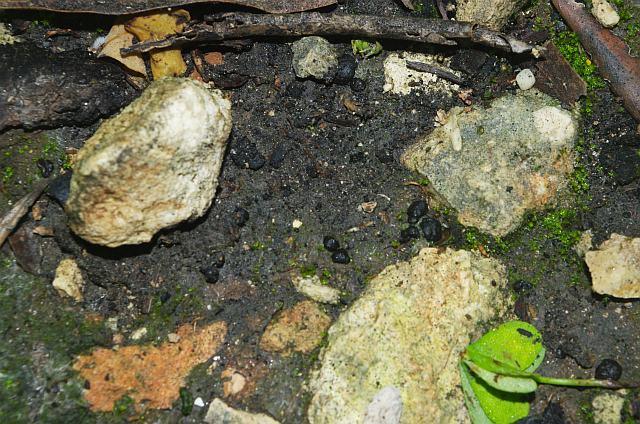
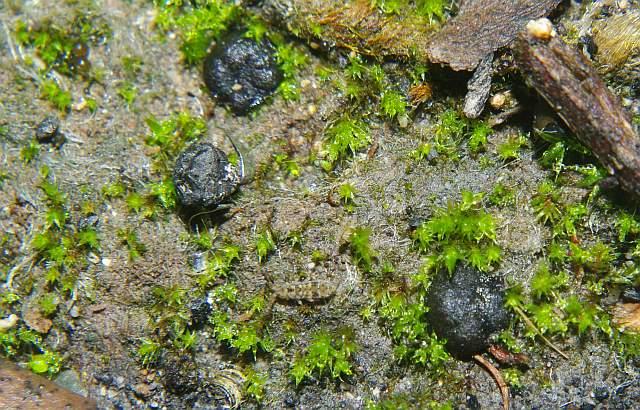
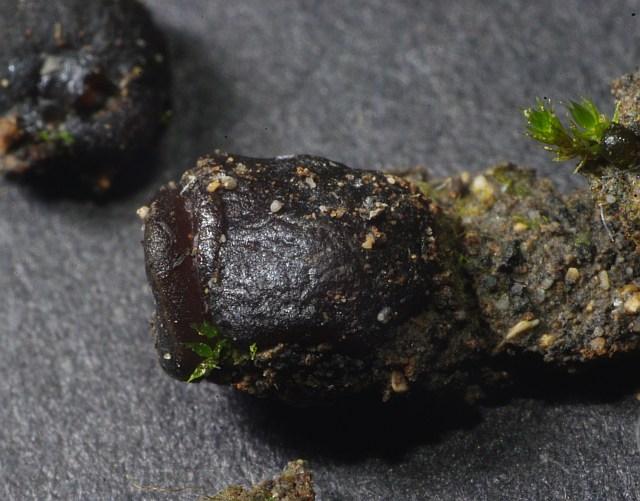
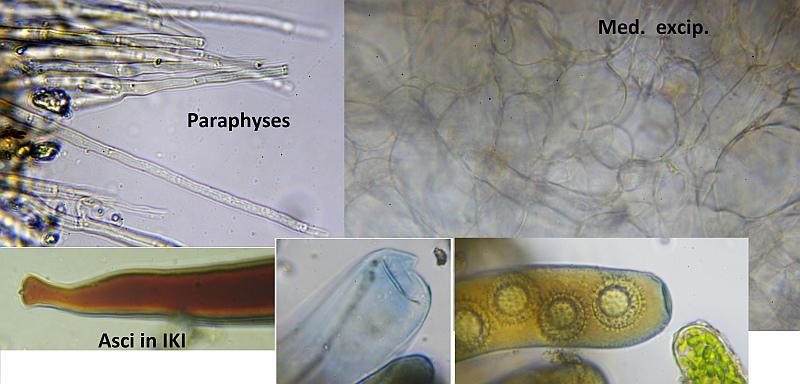
Lothar Krieglsteiner,
04-02-2017 18:13

Re : ID help - brown globules
Very interesting. I first thought of Ruhlandiella berolinensis with a similar spore size. The spores of this taxon are reticulate, anyhow. ...
Best regards from Lothar
Nicolas VAN VOOREN,
04-02-2017 18:51

Re : ID help - brown globules
I think this is a Boudiera species.
Carmel Sammut,
04-02-2017 19:41
Re : ID help - brown globules
Thanks for your input.
I argee Nicolas, it is probaby a Boudiera or somethin close.
The taxon Sphaerosoma echinulatum Seaver was transferred to Boudiera by Seaver himself.
I argee Nicolas, it is probaby a Boudiera or somethin close.
The taxon Sphaerosoma echinulatum Seaver was transferred to Boudiera by Seaver himself.
Carmel Sammut,
05-02-2017 19:27
Re : ID help - brown globules
Thanks Lothar - as you say there is no reticulation on the spores.
I have looked at some species of Boudiera, as suggested, but I am having some difficulty to match it. Apart from the smaller spore size, the paraphyses in my specimen are thin and uninflated (4-5µm). There is also the question of the asci being pleurorhynchus. Boudiera acanthospora, B. areolata and B. tracheia are all aporhynchus. Now I am looking for info on B. denisii to compare.
Could species in the same genus have different ascus development/attachment?
I have looked at some species of Boudiera, as suggested, but I am having some difficulty to match it. Apart from the smaller spore size, the paraphyses in my specimen are thin and uninflated (4-5µm). There is also the question of the asci being pleurorhynchus. Boudiera acanthospora, B. areolata and B. tracheia are all aporhynchus. Now I am looking for info on B. denisii to compare.
Could species in the same genus have different ascus development/attachment?
Viktorie Halasu,
05-02-2017 20:39

Re : ID help - brown globules
Yes, there are both kinds of base in one genus, e.g. Aleuria (A. aurantia = simple septate, others with two septa) or Peziza (small group of simple septate species). If such genus is still monophyletic, that's another question.
Carmel Sammut,
05-02-2017 21:41
Re : ID help - brown globules
Thanks for clarifying, Viktorie