11-05-2026 12:32
 Bernard CLESSE
Pourriez-vous m'aider à identifier cette héloti
13-05-2026 15:26
 François Freléchoux
Bonjour,Voici une récolte faite il y a quelques j
12-05-2026 15:41
 Nicolas VAN VOOREN
Dear Ascolovers, especially interested in Pezizale
13-05-2026 12:05
 Thierry Blondelle
Bonjour à tous,J'aimerais avoir confirmation de c
10-05-2026 23:17
 Andreas Gminder
Hello,today we found in a moist steep decidous for
28-04-2026 20:07
 Lothar Krieglsteiner
... on twig in the air at standing Ceratonia siliq
27-04-2026 20:52
Lothar Krieglsteiner
Found on hanging tiwg of Olea europaea in dried-ou
11-05-2026 20:22
Lothar Krieglsteiner
on attached twig of standing Ficus caricaquite uns
29-04-2026 10:44
Lothar Krieglsteiner
growing at moist, drying-out soil at the side of a
Sur Hypoxylon cohaerens
Michel RIMBAUD,
28-12-2016 16:46
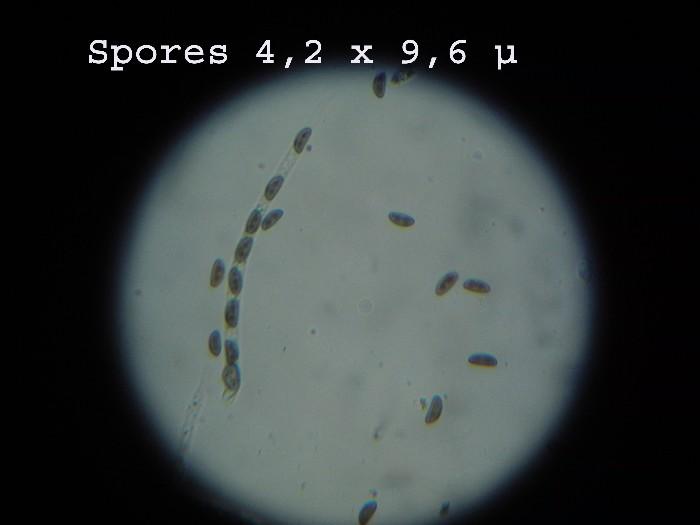
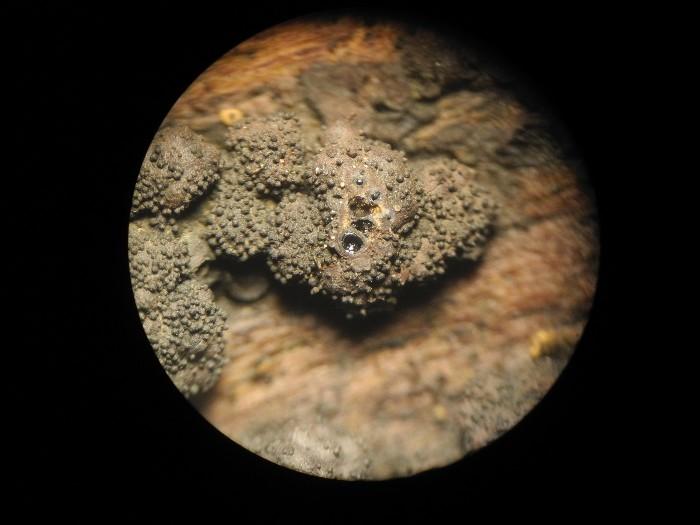
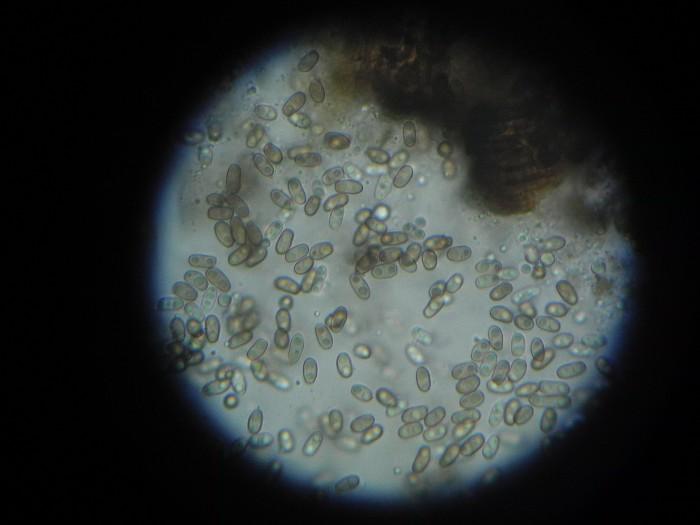
En voulant examiner Hypoxylon cohaerens à la bino je me suis aperçu qu'il était couvert de petites billes noires diam 0,15 mm, un peu molles en touchant avec une aiguille.
A la micro, pas d'asques ni de spores, seulement une multitude de conidies +/- cylindriques 4,8x9,3µ à 2 guttules.
Qu'est-ce que c'est ? est-ce courant ?
Michel
Gernot Friebes,
28-12-2016 16:52
Re : Sur Hypoxylon cohaerens
Hi Michel,
we've had this one recently: Immotthia atrograna.
Best wishes,
Gernot
we've had this one recently: Immotthia atrograna.
Best wishes,
Gernot
Jacques Fournier,
28-12-2016 18:58

Re : Sur Hypoxylon cohaerens
bonsoir Michel,
je suis d'accord avec Gernot pour Immothia atrograna mais il existe aussi un Capronia minuscule, glabre, fréquent sur Annulohypoxylon dont l'anamorphe produit des conidies similaires. C'est en observant des ascomes sexués que tu seras fixé. Le Capronia a des cellules arrondies opaques à la surface supérieure des ascomes, bien visibles par écrasement d'un ascome sous une lamelle.
Capronia parasitica (Ellis & Everh.) E. Müll., Petrini, P.J. Fisher, Samuels & Rossman, Transactions of the British Mycological Society 88 (1): 67 (1987)
Et il y a peut être aussi d'autres candidats!
Bon courage,
Jacques
je suis d'accord avec Gernot pour Immothia atrograna mais il existe aussi un Capronia minuscule, glabre, fréquent sur Annulohypoxylon dont l'anamorphe produit des conidies similaires. C'est en observant des ascomes sexués que tu seras fixé. Le Capronia a des cellules arrondies opaques à la surface supérieure des ascomes, bien visibles par écrasement d'un ascome sous une lamelle.
Capronia parasitica (Ellis & Everh.) E. Müll., Petrini, P.J. Fisher, Samuels & Rossman, Transactions of the British Mycological Society 88 (1): 67 (1987)
Et il y a peut être aussi d'autres candidats!
Bon courage,
Jacques
Gernot Friebes,
28-12-2016 19:11
Re : Sur Hypoxylon cohaerens
I certainly agree with Jacques, it's always good to be cautious with these asexual morphs. Immotthia atrograna is a rather common fungus on old Hypoxylon stromata and its conidia look very similar. Often its sexual morph is also present so maybe you can find it to confirm the identification!
Best wishes,
Gernot
Best wishes,
Gernot
Michel RIMBAUD,
29-12-2016 09:20
Re : Sur Hypoxylon cohaerens
Merci Germot et Jacques pour ces indications.
En cherchant Immothia atrograna sur Google j'ai trouvé ces 2 images : http://images.google.fr/imgres?imgurl=http%3A%2F%2Fwww.boldsystems.org%2Fpics%2F_w300%2FPYRNO%2FOF75370_Immothia_atrograna_picture4%252B1412614810.jpg&imgrefurl=http%3A%2F%2Fwww.boldsystems.org%2Findex.php%2FTaxbrowser_Taxonpage%3Ftaxid%3D655020&h=225&w=300&tbnid=kP7rX3DW4VLrJM%3A&vet=1&docid=rogSC7KsozKsHM&ei=S8NkWJbXD4b1UrShnegN&tbm=isch&iact=rc&uact=3&dur=5320&page=0&start=0&ndsp=16&ved=0ahUKEwjWqMyn-JjRAhWGuhQKHbRQB90QMwgjKAcwBw&bih=537&biw=1164
http://images.google.fr/imgres?imgurl=http%3A%2F%2Fwww.boldsystems.org%2Fpics%2FPYRNO%2FOF75400_Immotthia_atrograna_picture2%252B1412614822.jpg&imgrefurl=http%3A%2F%2Fwww.boldsystems.org%2Findex.php%2FTaxbrowser_Taxonpage%3Ftaxid%3D655019&h=475&w=640&tbnid=PACttx3HO4-2_M%3A&vet=1&docid=qRd5ZMbXSO5fSM&itg=1&ei=S8NkWJbXD4b1UrShnegN&tbm=isch&iact=rc&uact=3&dur=338&page=0&start=0&ndsp=16&ved=0ahUKEwjWqMyn-JjRAhWGuhQKHbRQB90QMwgcKAAwAA&bih=537&biw=1164
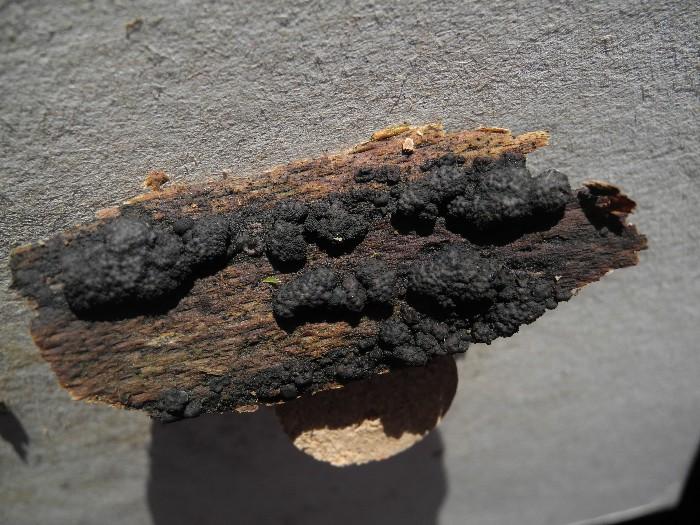
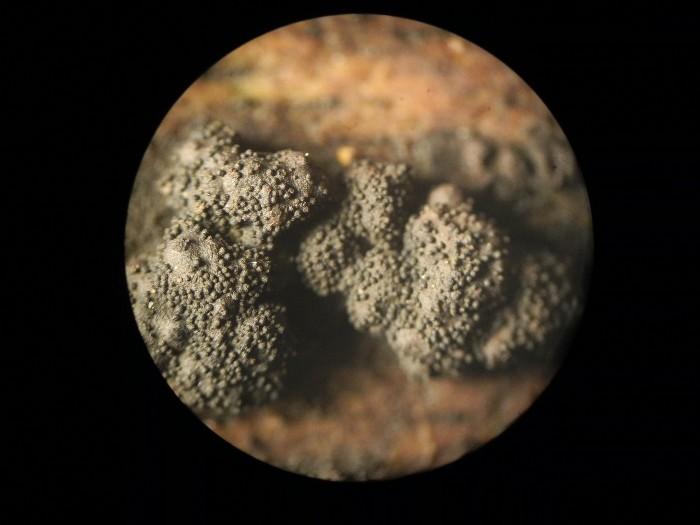
Je joins ici les photos que j'ai prises de ce que j'ai considéré être le substrat et que j'ai identifié comme H.cohaerens. Est-ce que je me suis trompé ? Merci. Michel
En cherchant Immothia atrograna sur Google j'ai trouvé ces 2 images : http://images.google.fr/imgres?imgurl=http%3A%2F%2Fwww.boldsystems.org%2Fpics%2F_w300%2FPYRNO%2FOF75370_Immothia_atrograna_picture4%252B1412614810.jpg&imgrefurl=http%3A%2F%2Fwww.boldsystems.org%2Findex.php%2FTaxbrowser_Taxonpage%3Ftaxid%3D655020&h=225&w=300&tbnid=kP7rX3DW4VLrJM%3A&vet=1&docid=rogSC7KsozKsHM&ei=S8NkWJbXD4b1UrShnegN&tbm=isch&iact=rc&uact=3&dur=5320&page=0&start=0&ndsp=16&ved=0ahUKEwjWqMyn-JjRAhWGuhQKHbRQB90QMwgjKAcwBw&bih=537&biw=1164
http://images.google.fr/imgres?imgurl=http%3A%2F%2Fwww.boldsystems.org%2Fpics%2FPYRNO%2FOF75400_Immotthia_atrograna_picture2%252B1412614822.jpg&imgrefurl=http%3A%2F%2Fwww.boldsystems.org%2Findex.php%2FTaxbrowser_Taxonpage%3Ftaxid%3D655019&h=475&w=640&tbnid=PACttx3HO4-2_M%3A&vet=1&docid=qRd5ZMbXSO5fSM&itg=1&ei=S8NkWJbXD4b1UrShnegN&tbm=isch&iact=rc&uact=3&dur=338&page=0&start=0&ndsp=16&ved=0ahUKEwjWqMyn-JjRAhWGuhQKHbRQB90QMwgcKAAwAA&bih=537&biw=1164
Je joins ici les photos que j'ai prises de ce que j'ai considéré être le substrat et que j'ai identifié comme H.cohaerens. Est-ce que je me suis trompé ? Merci. Michel