02-05-2026 13:06
Pauline. PennaBonjour Please can someone help me with this id
02-05-2026 12:42
Alain BRISSARDBonjour à tousJeuidi 30 avril dernier on m'a remi
01-05-2026 22:45
 Thierry Blondelle
Bonjour à tous, Une récolte sur bouse séchée d
28-04-2026 20:07
 Lothar Krieglsteiner
... on twig in the air at standing Ceratonia siliq
14-04-2026 05:32
Ethan CrensonHi all, A few weeks back a friend pointed out som
28-04-2026 20:33
Vitus SchäfftleinHello, I found Trochila ilicina on Ilex aquifoliu

30-04-2026 10:28
Rot BojanHello, by appearance I would say that I am dealing
27-04-2026 18:48
Tony MoverleyCollected 23rd April 2026, Norfolk, EnglandSwarms
27-04-2026 20:52
Lothar Krieglsteiner
Found on hanging tiwg of Olea europaea in dried-ou
 Found on cow dung.
Disc light green.
Asci: 8-spores; 223.5-233.5x15-17 um.
Parafyses: 18.,6-19.2x3.4-4.2 um; septated; rounded top.
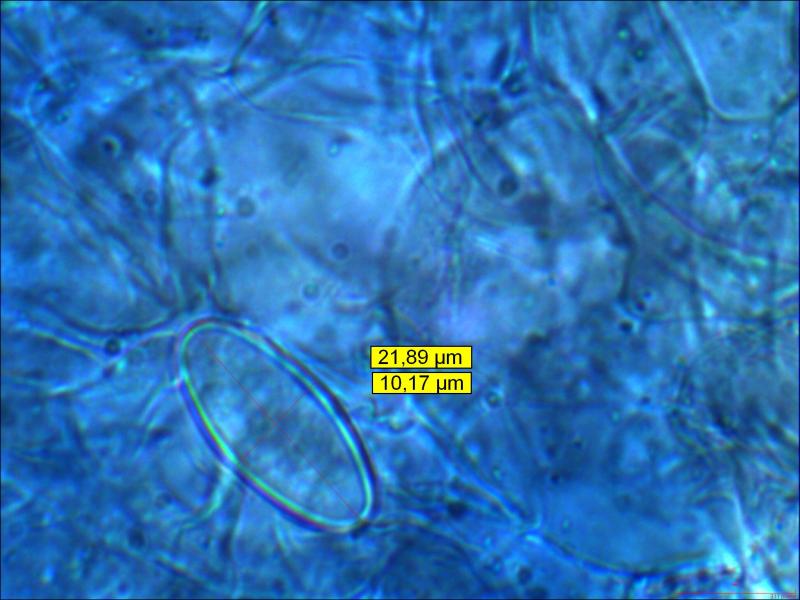
Spores: uniseriate; 17.9-18.9x8.9-9.3 um; surrounded by a gelatinous sheath; longitudinal ornamentation in Cotton Blue.
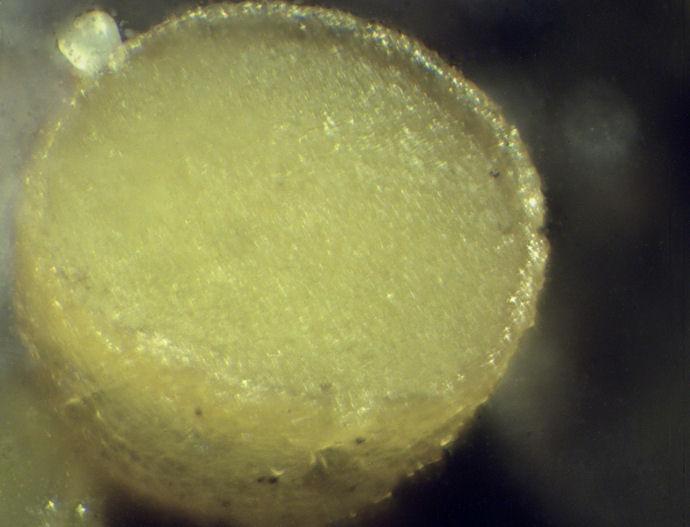
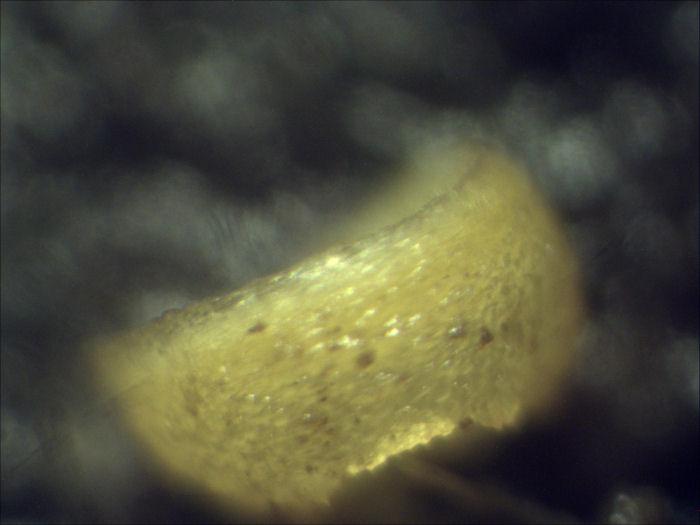
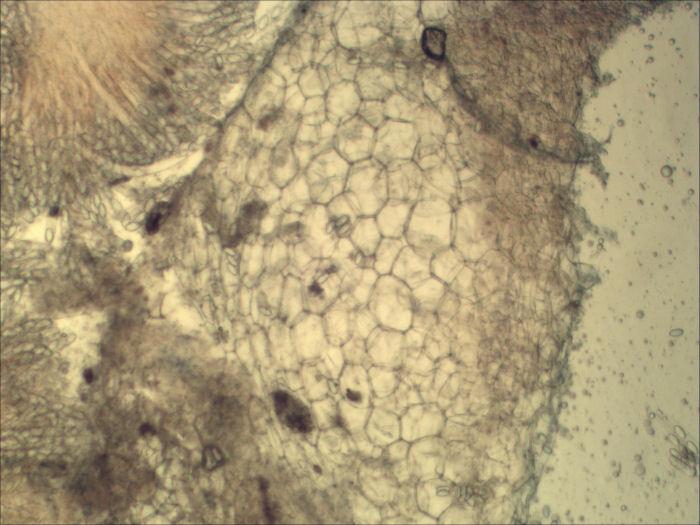
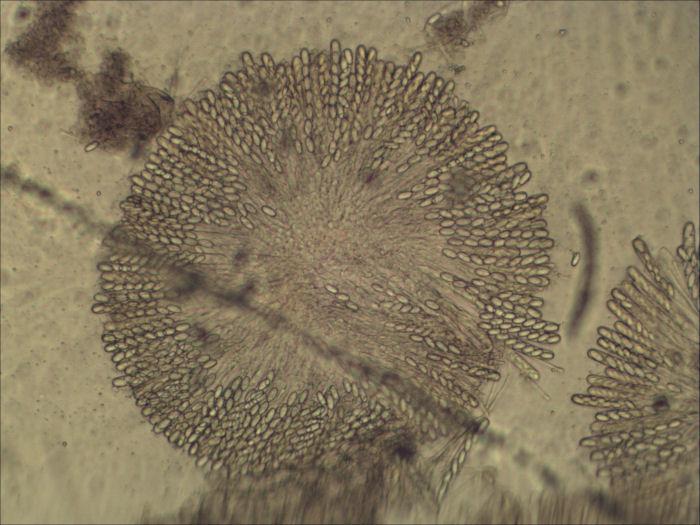
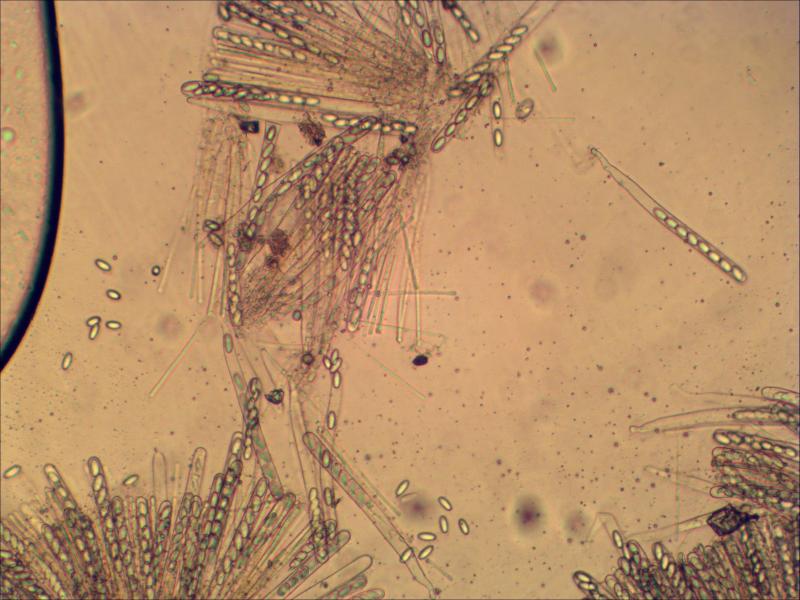
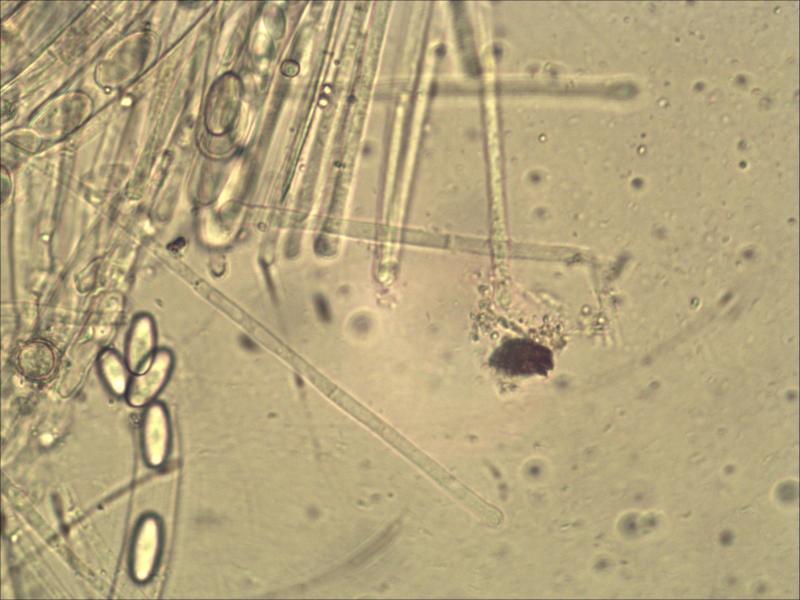
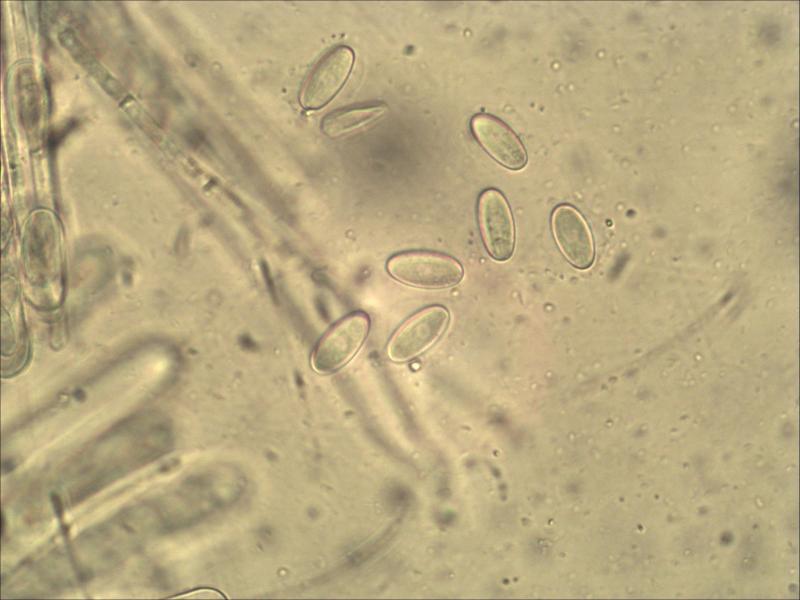
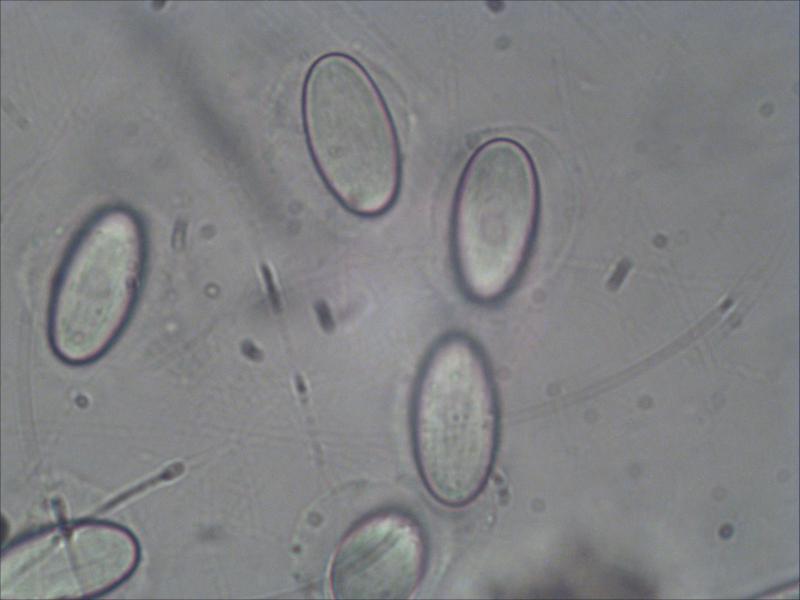
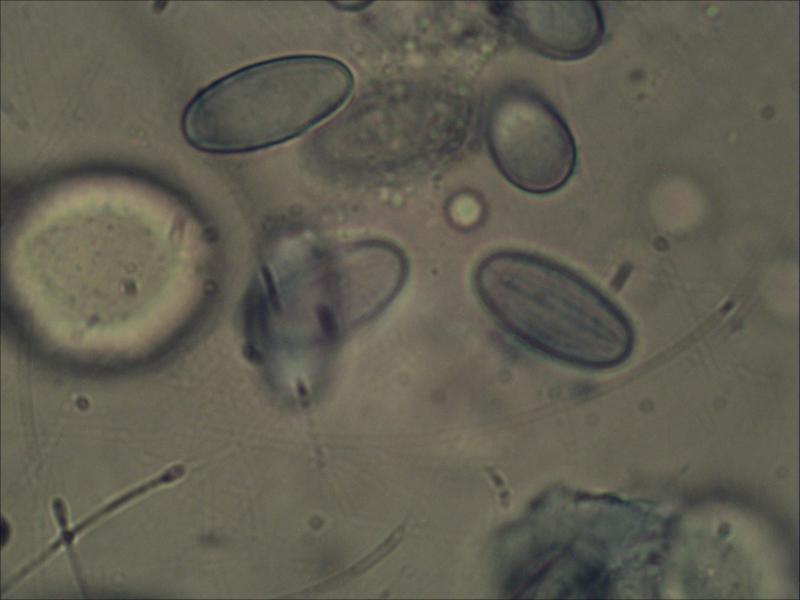

the striate spores are pointing to Cheilymenia.
Maybe it helps if you read the following discussion: http://www.ascofrance.fr/search_forum/22809#
I'm not at home. Therefore I haven't Moravec monograph at hand...
Best, Uwe
Hello Uwe,
I checked Libiri Botanici Vol. 21 and asci + paraphyses + spores do fit the information in the publication of C. karstenii, the only thing I did not observe were the hairs originating from cells of ectal excipulum.
Joop
j'ai trouvé aujourd'hui un asco semblable sur le même substrat en compagnie de Cheilymenia stercorea. Je n'arrive pas à une détermination non plus. Demain j'ajoutterai des fotos de la microscopie
Jacky
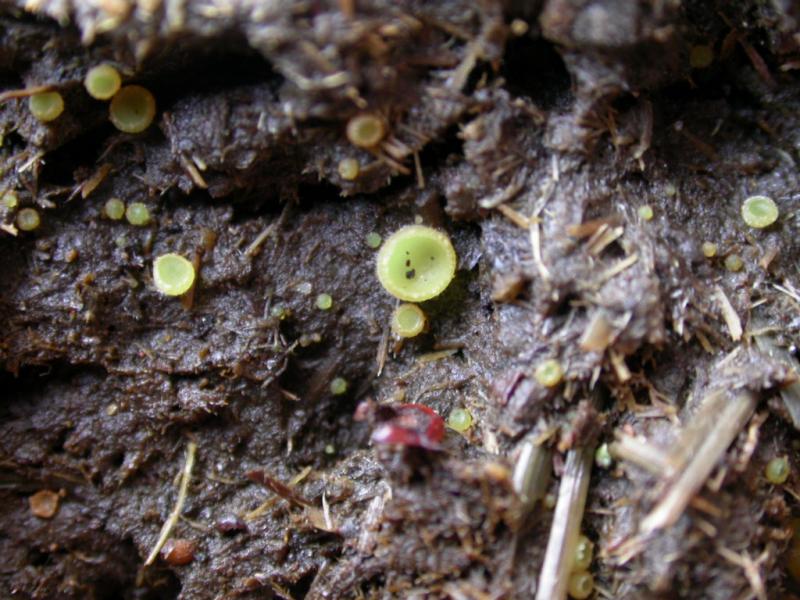
Thanks Jacky.
Joop
J'ai discuté l'espèce avec un collègue . Nous pensons qu'il s'agit d' un Ascobolus sp. pas encore à maturité. Les mesures de mes spores sont à ce stade plus grandes que les votre (20,68- 21,81 x 9,08-10,17 µm) agrandissement 1000 x en bleu coton. Je pence qu'il s'agit dans mon cas de A. furfuraceus selan la description dan Van Brummelen page 108. Dans ton cas ou les spores semblent plus petites peut-être A. crenulatus.
Jacky