11-05-2026 12:32
 Bernard CLESSE
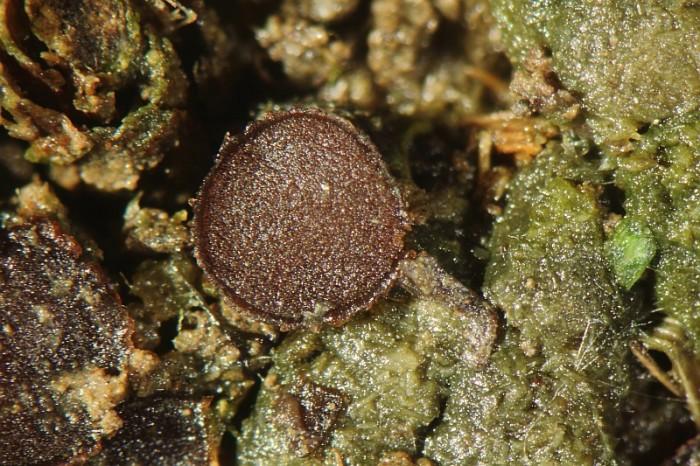
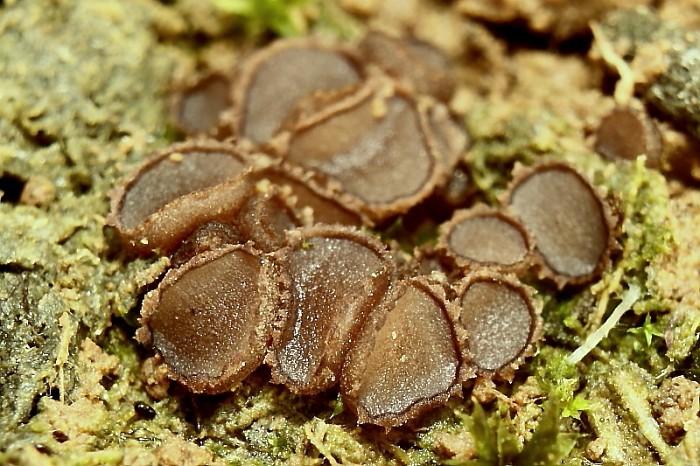
Pourriez-vous m'aider à identifier cette héloti
13-05-2026 15:26
 François Freléchoux
Bonjour,Voici une récolte faite il y a quelques j
12-05-2026 15:41
 Nicolas VAN VOOREN
Dear Ascolovers, especially interested in Pezizale
13-05-2026 12:05
 Thierry Blondelle
Bonjour à tous,J'aimerais avoir confirmation de c
10-05-2026 23:17
 Andreas Gminder
Hello,today we found in a moist steep decidous for
28-04-2026 20:07
 Lothar Krieglsteiner
... on twig in the air at standing Ceratonia siliq
27-04-2026 20:52
Lothar Krieglsteiner
Found on hanging tiwg of Olea europaea in dried-ou
11-05-2026 20:22
Lothar Krieglsteiner
on attached twig of standing Ficus caricaquite uns
29-04-2026 10:44
Lothar Krieglsteiner
growing at moist, drying-out soil at the side of a
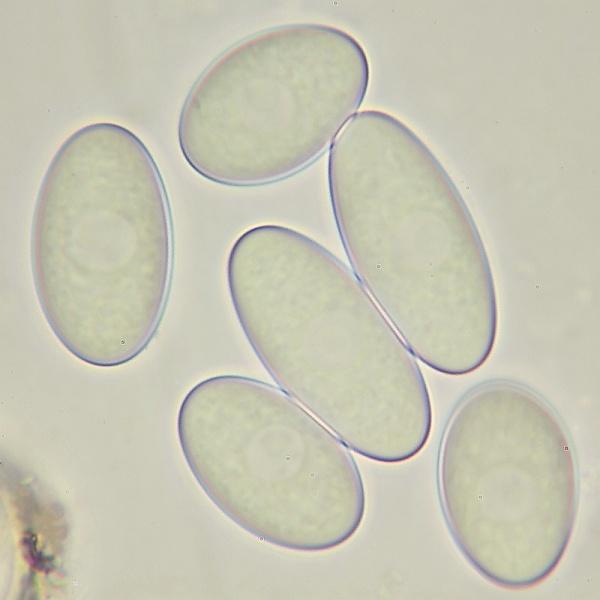
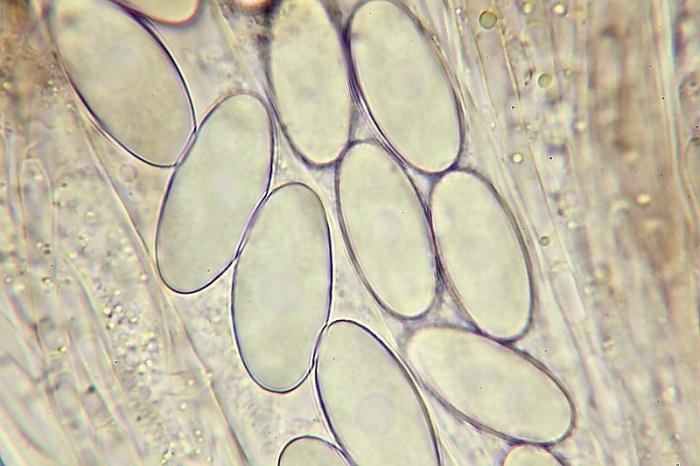
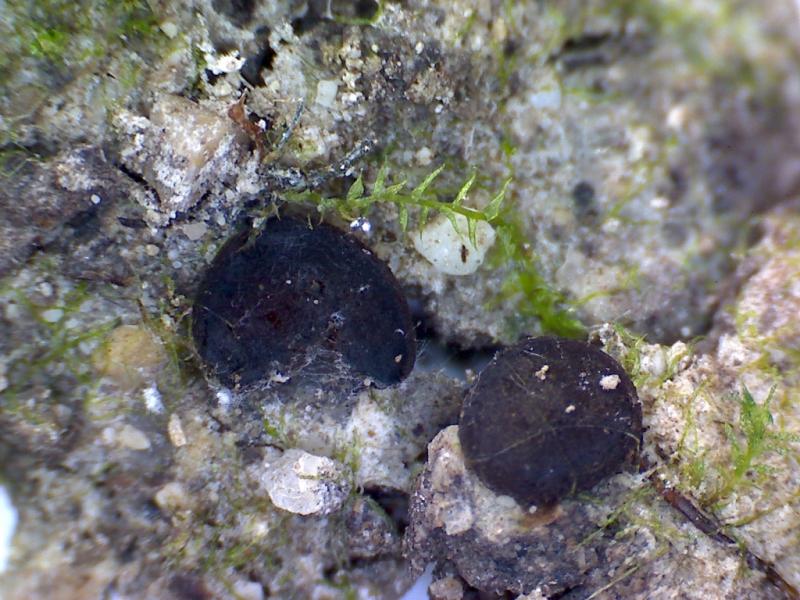
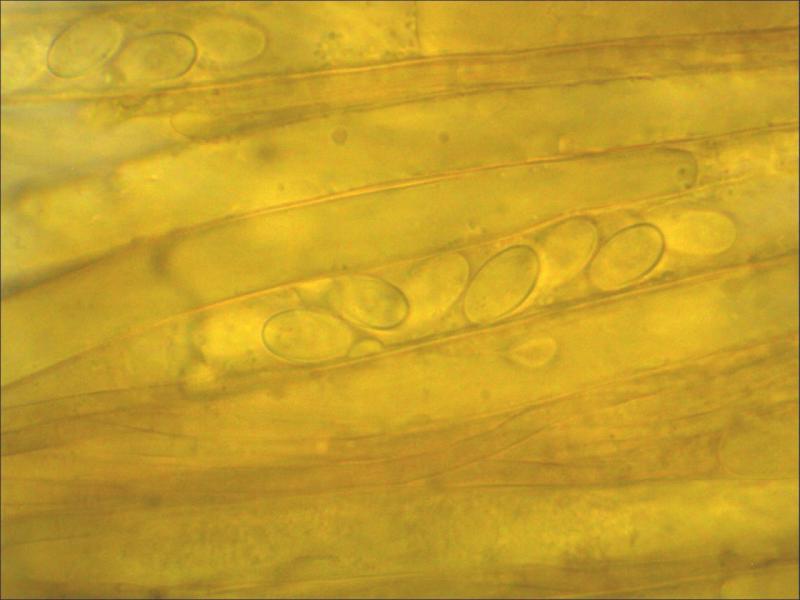
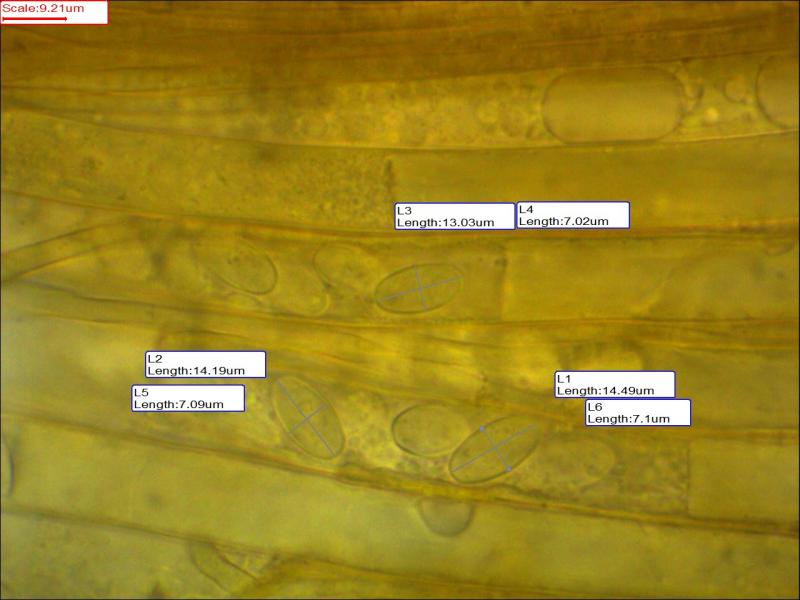
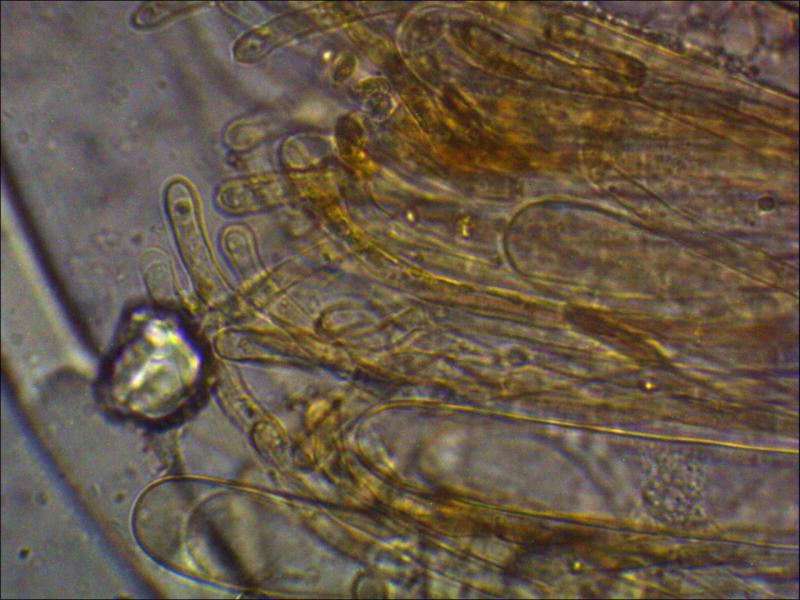
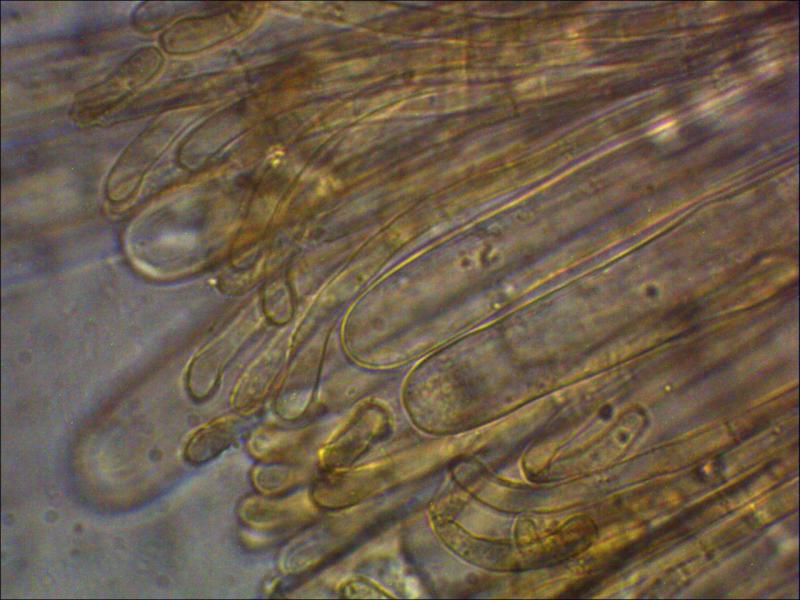
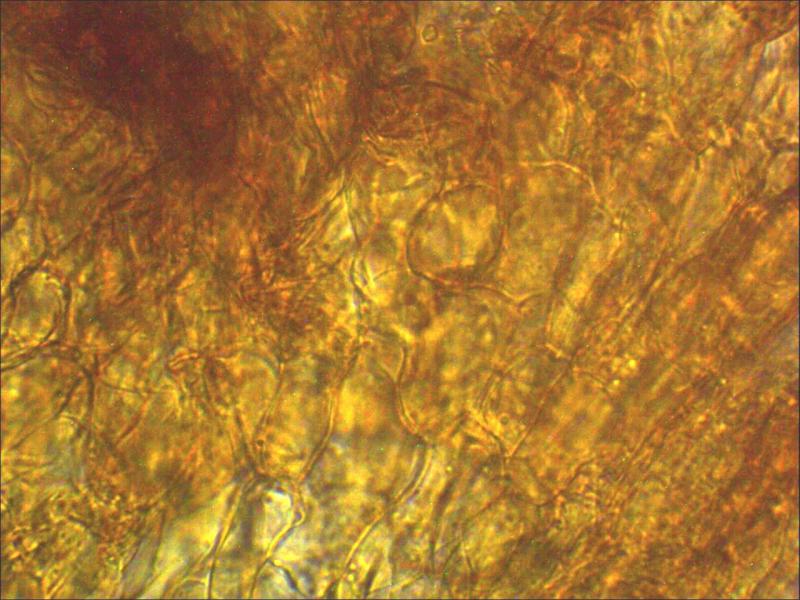
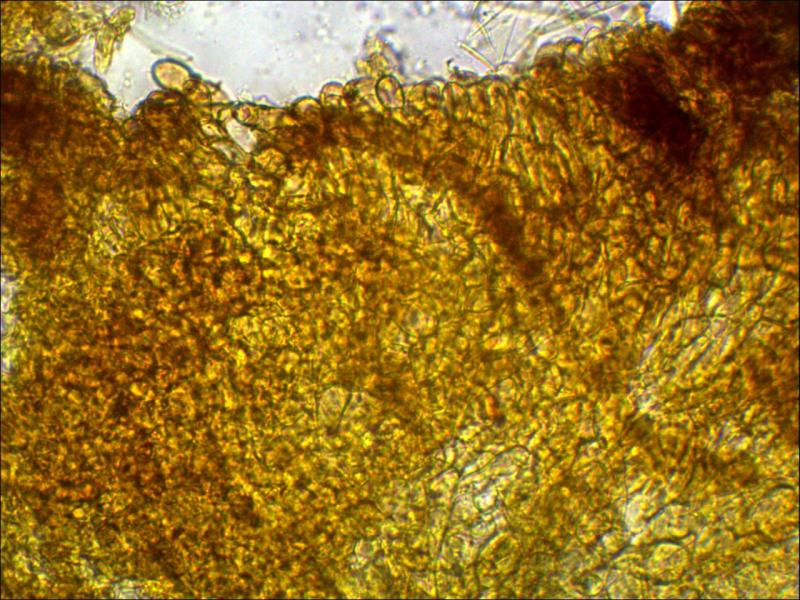
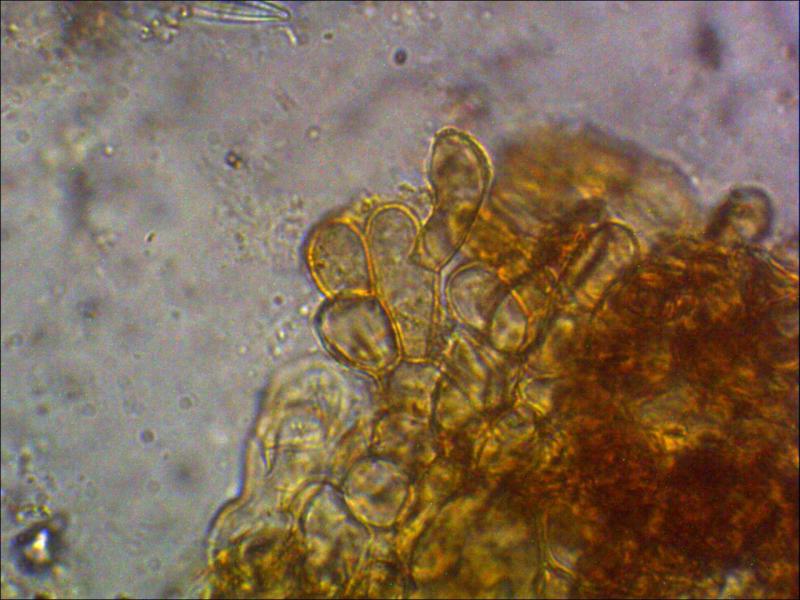
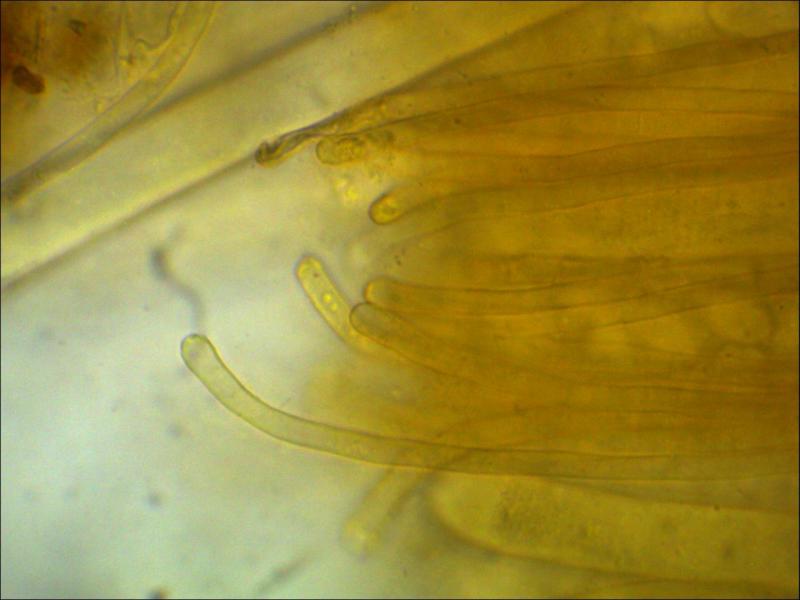
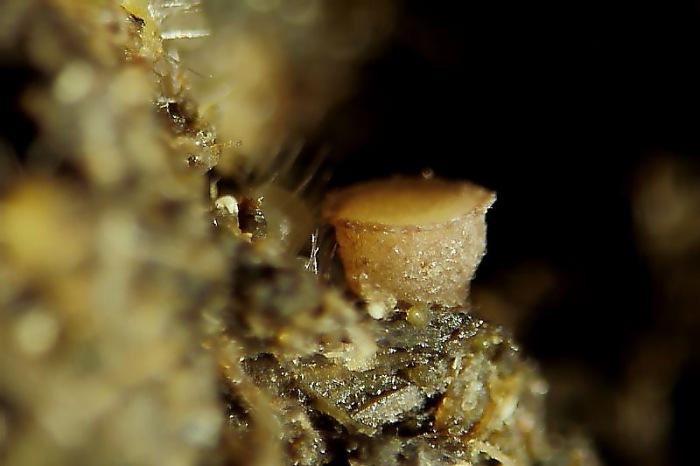
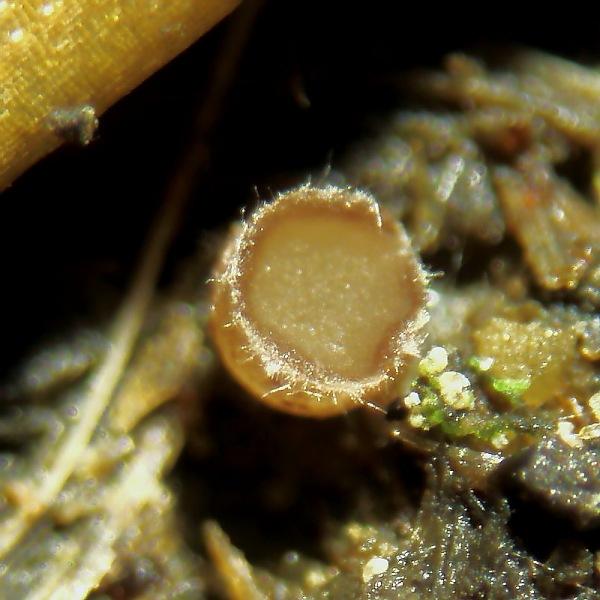
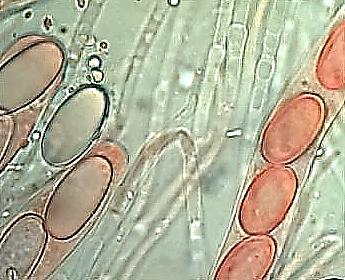
found in 30.7.2015, Germany, Baden-Wuerttemberg, Schwäbisch-Fränkischer Wald near Schotthof. Grew on naked soil in the vicinity of a small rivulet, together with Trichophaea hybrida (gregaria). Apothecia are small (maybe 2-4 mm or so, I forgot to take a measure). First I thought of a Boudiera, but the spores are smooth and elongate. IKI-reaction is negative.
Can somebody help?
Regards from Lothar
Gilbert
Are you sure the specimens are mature? Your measures made on ascospores in asci might be not significant...
The color remains me P. hepatica, but of course the spores should be greater!

rather not. There would become me how already mentioned, the color, the form, the paraphysis....... interfere.
Greetings Peter.
I mean the answer from Gilbert.
Hi Nicolas,
thank you very much for your suggestion. I think it is a good one. What bewildered me a little is the growth on naked soil, without any noticeable dung in the vicinity. P. hepatica indeed looks very similar macroscopically - I found it a few times, always on and besides mouse dung in acid habitats. Yes, the collection seemed to be not fully ripe - so I had no fotos of spores outside the asci.
Best regards from Lothar
Hello Gilbert and Peter,
thank you very much for your contributions, too!
Best regards from Lothar
Même si ici, elles ne sont pas totalement à maturité, il m'étonnerait beaucoup qu'elles atteignent cette taile...
Gilbert
Hi Gilbert,
your objections are good.
So - what remains could be perhaps P. cervaria.
P. theioleuca has a different macroscopical appearance (light-coloured disc, strongly pronounced margo).
Best regards from Lothar
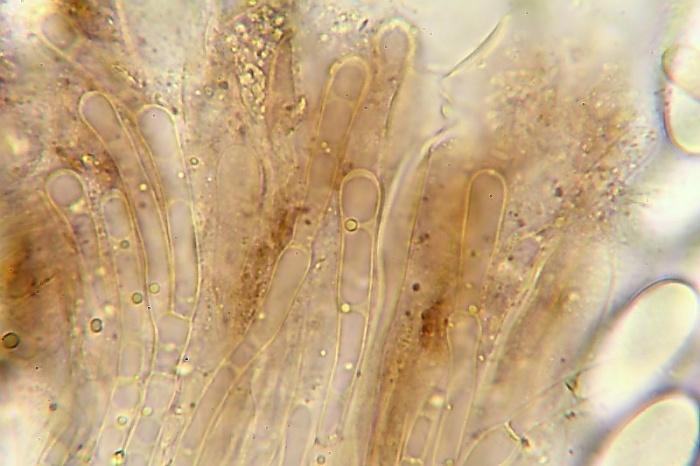
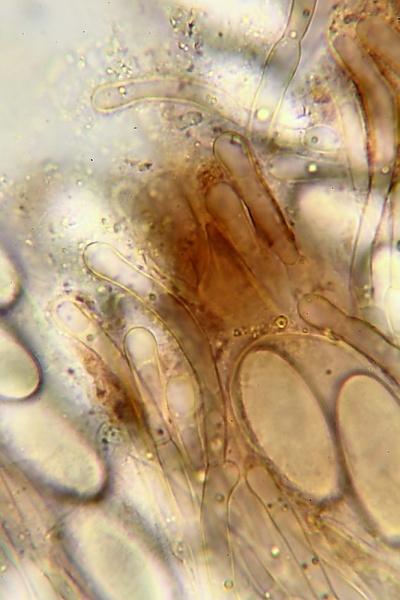
so surely I also did not believe in P. hepatica. I have done the examination just now still in fresh material, the spores are 20-28 x 11-12 µ m, still in the ascus. Striking are also the septate paraphysis and the brownish pigment in between.
Greetings Peter.