06-05-2026 11:25
 Castillo Joseba
Me mandan el material seco de Galicia (España) re
06-05-2026 17:23
Thomas Læssøehttps://svampe.databasen.org/observations/10594257
28-04-2026 20:07
 Lothar Krieglsteiner
... on twig in the air at standing Ceratonia siliq
05-05-2026 22:40
Gernot FriebesHi,I believe this is a Plagiostoma growing on a Sa
04-05-2026 18:13
 Stephen Martin Mifsud
ID request for what seems to be a true aquatic fun
04-05-2026 16:39
Stephen Martin Mifsud
ID request: This specimen was collected in Malta o
28-07-2011 18:31
 Alex Akulov
Dear FriendsToday I made the pdf file of Velenovsk
04-05-2026 09:50
Castillo Joseba
Me mandan el material seco de Galicia,(España) re
02-05-2026 12:42
Alain BRISSARDBonjour à tousJeuidi 30 avril dernier on m'a remi
Setose pyrenomycete
Gernot Friebes,
07-07-2015 13:30
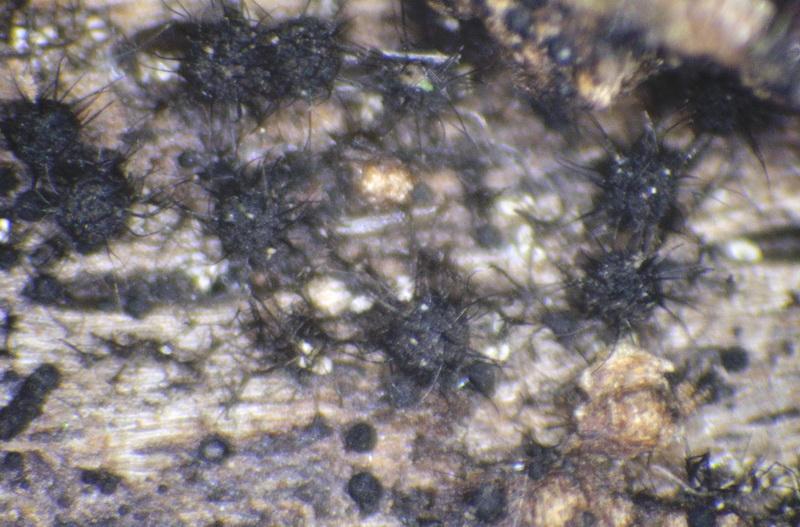
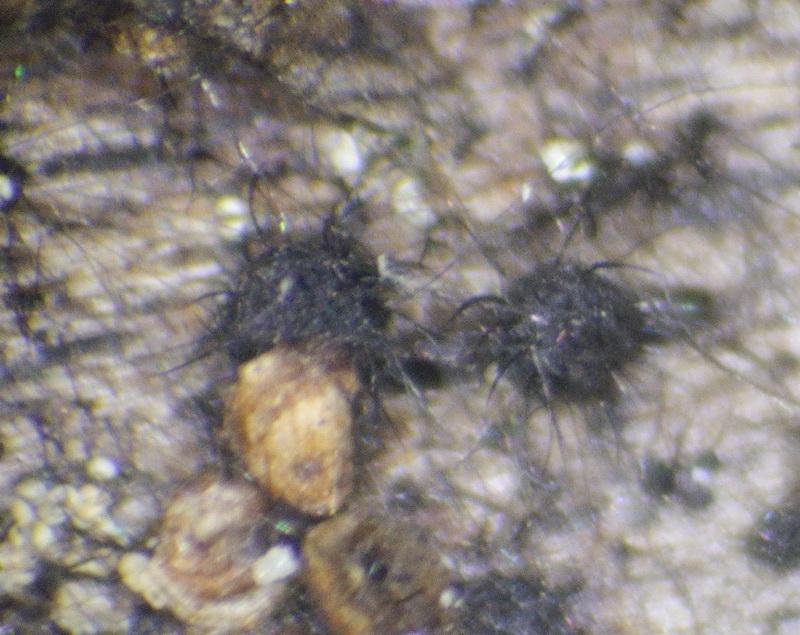
here is the second fungus. Again a short description:
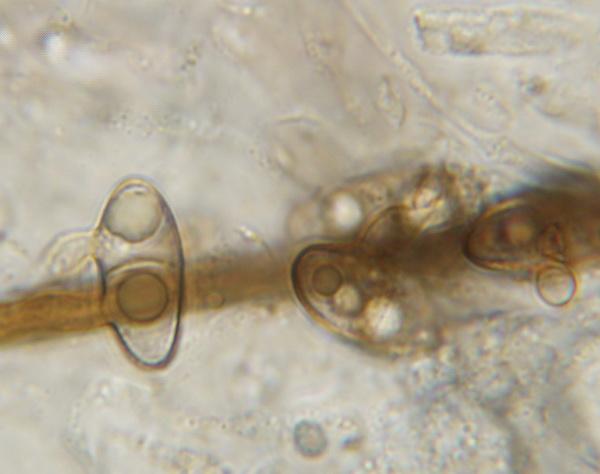
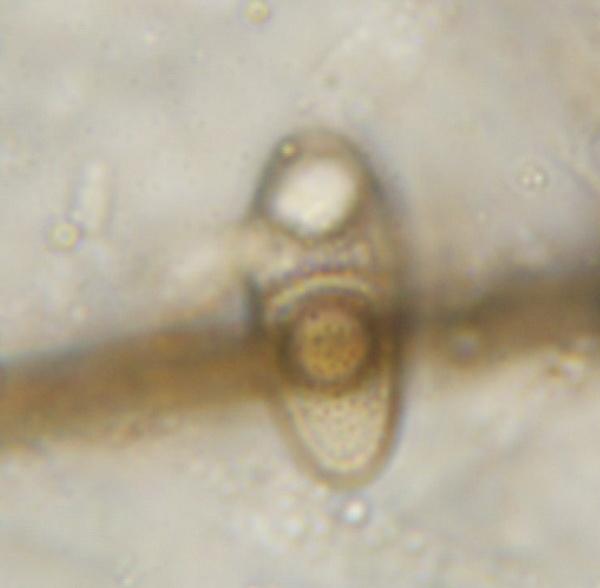
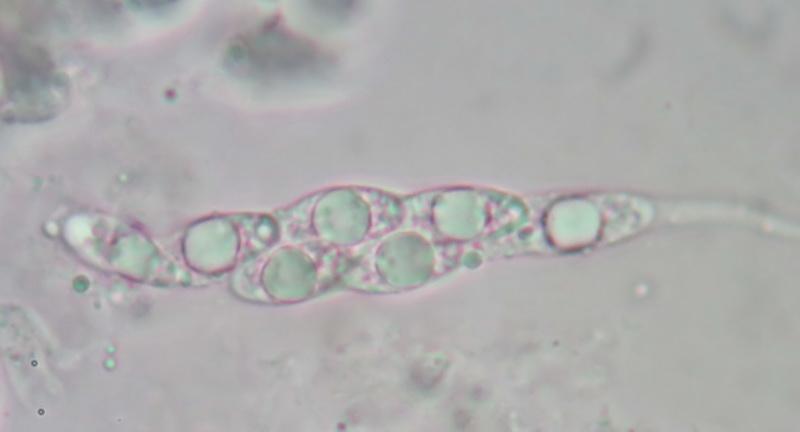
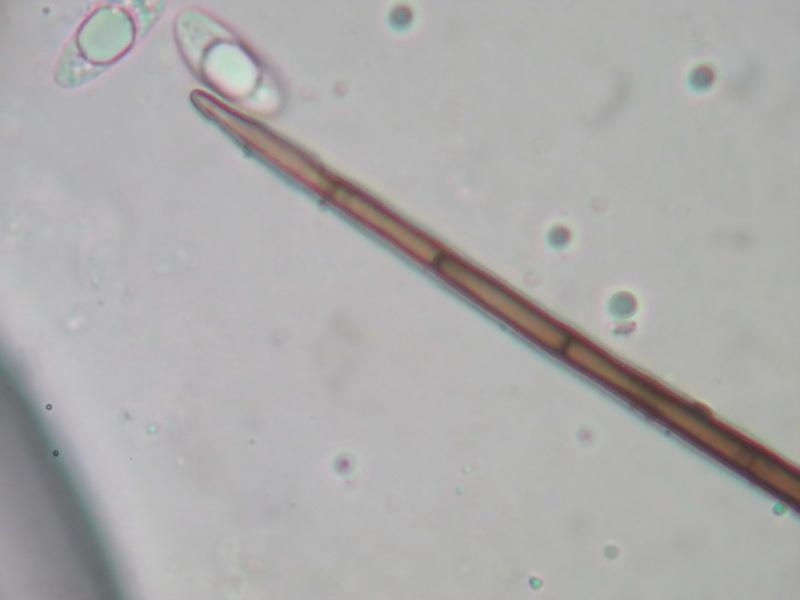
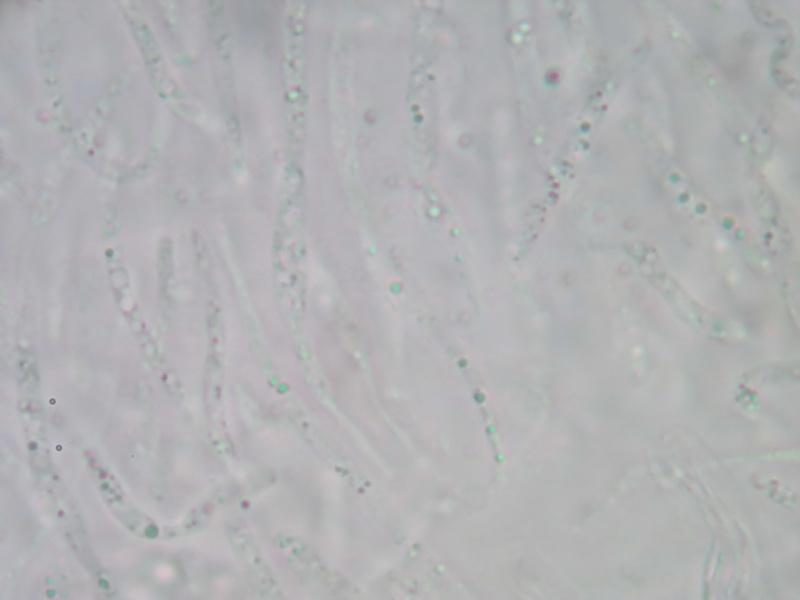
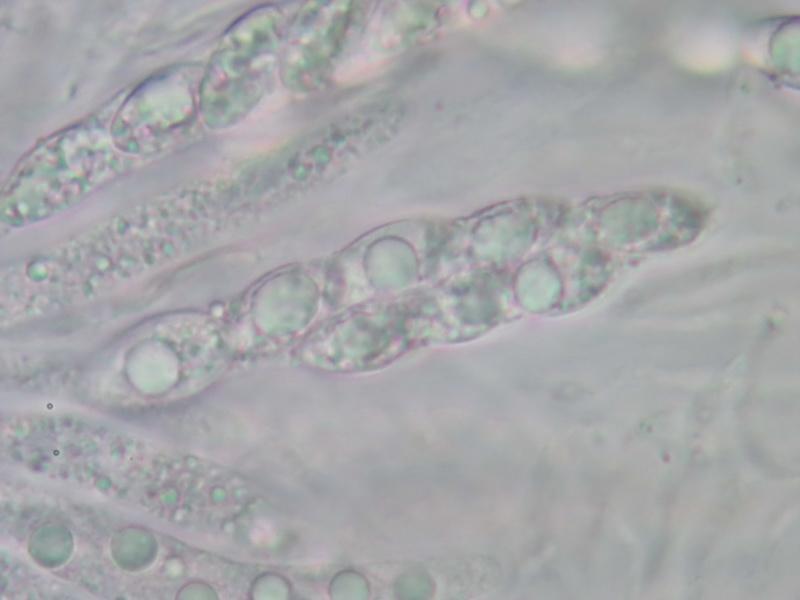
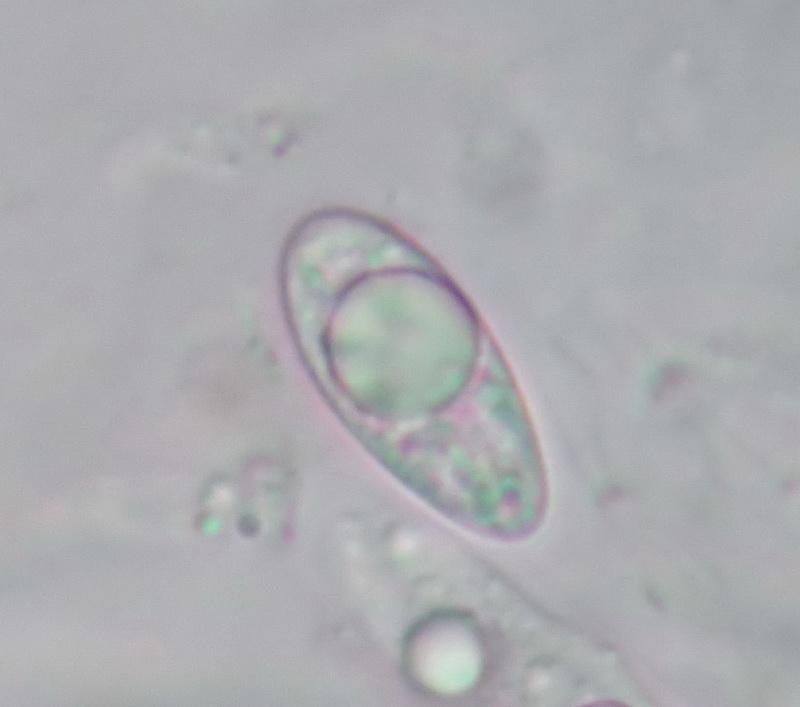
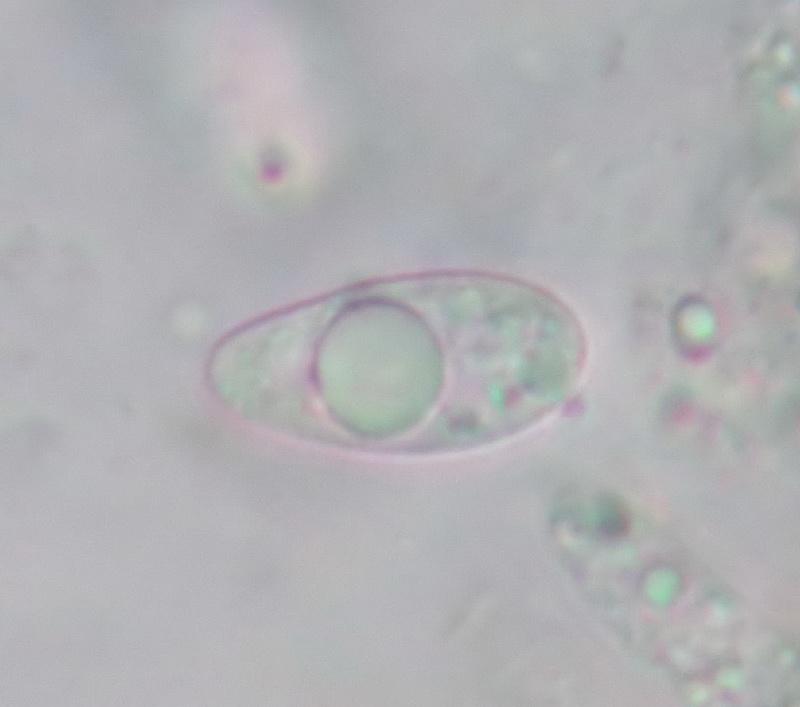
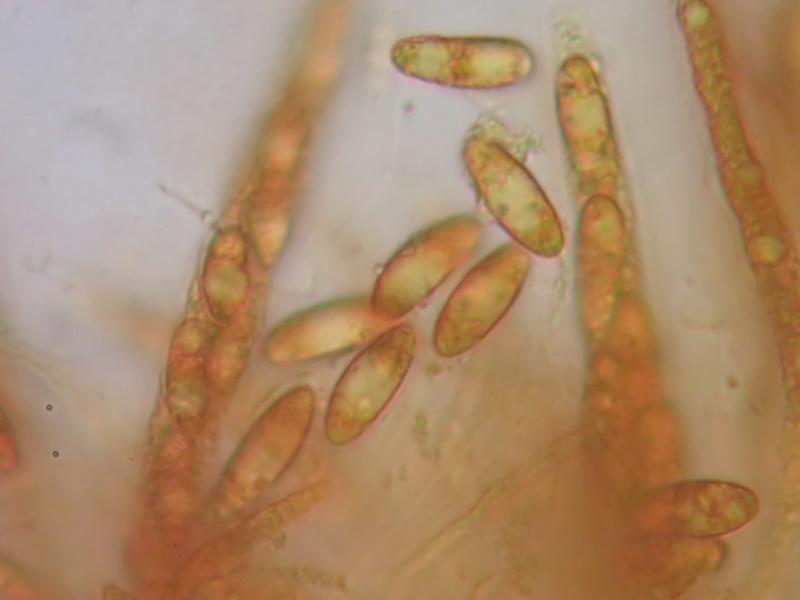
On decorticated parts of a branch of presumably Fagus. The ascomata have long, dark setae that are slightly bent upwards. The asci are biseriate, negativ in IKI and very delicate. They measure about 80-100 x 12-15 µm. The ascospores are oval, filled with one big and a few smaller drops and measure about 14-16 x 6-7 µm. They are again rather delicate and tend to collapse quickly when observed in water. The paraphyses are filiform.
Thanks and best wishes,
Gernot


Björn Wergen,
10-07-2015 15:32

Re : Setose pyrenomycete
Hi Gernot,
quite interesting, Zaca (portugal) postet a rather similar species in April, I have studied it. But Ascus tips react blue in IKI. Are you sure not to have seen any reaction?
I have identified the collection as Lasiobertia sp, but there was no described species fitting. Without ascus porus reaction, I think your one belongs to Coronophorales.
regards,
björn
quite interesting, Zaca (portugal) postet a rather similar species in April, I have studied it. But Ascus tips react blue in IKI. Are you sure not to have seen any reaction?
I have identified the collection as Lasiobertia sp, but there was no described species fitting. Without ascus porus reaction, I think your one belongs to Coronophorales.
regards,
björn
Gernot Friebes,
11-07-2015 00:50
Re : Setose pyrenomycete
Hi Björn,
thanks for sharing your opinion. It is really quite a peculiar fungus! In the meantime Martina Réblová wrote to me that she believes that this species is Phaeotrichosphaeria britannica. For illustrations and a description see http://www.cybertruffle.org.uk/cyberliber/59351/0081/002/0320.htm. I will check the material to see if the ascospores are indeed finely echinulate.
Best wishes,
Gernot
thanks for sharing your opinion. It is really quite a peculiar fungus! In the meantime Martina Réblová wrote to me that she believes that this species is Phaeotrichosphaeria britannica. For illustrations and a description see http://www.cybertruffle.org.uk/cyberliber/59351/0081/002/0320.htm. I will check the material to see if the ascospores are indeed finely echinulate.
Best wishes,
Gernot
Gernot Friebes,
13-07-2015 14:46
Re : Setose pyrenomycete
I can confirm that mature ascospores are light brown and have a finely verrucous surface. Overmature and germinatíng ascospores develop a middle septum. Really happy to have a name for this nice fungus!
Best wishes,
Gernot
Best wishes,
Gernot