
12-06-2026 14:50
 François Freléchoux
Bonjour, Voici la brève description d'une Mollis
10-06-2026 21:16
François Freléchoux
Bonsoir,Le dernier du jour, en attendant votre avi
11-06-2026 19:01
 William Slosse
Hello all,In an attempt to make a culture of a sus
11-06-2026 19:03
 Nicolas VAN VOOREN
Chers membres d'Ascofrance,Le site sera placé en

09-06-2026 18:32
Camille MertensSur morceau de roseau immergé 0,5 - 0,7 mm de dia
10-06-2026 12:54
Steve ClementsBonjour encore, Pouvez-vous m'aider, s'il vous pl
10-06-2026 21:07
François Freléchoux
Toutes les tiges de gentianes jaunes de l'an passÃ
10-06-2026 13:41
François Freléchoux
Bonjour à nouveau, Voici une trouvaille d'hier.
 Hello all,
 Sorry for poor images but I found this Mollisis with grey apothecia and a dark subiculum on Ulex europeaus. Too immature for spores but I remembered Andreas saying in a post on a different forum that Mollisia fusca gave a K+ yellow reaction.
Is the K+ yellow from my specimen sufficient for identification or are there other Mollisia's with a similar reaction?
With regards,
Jenny
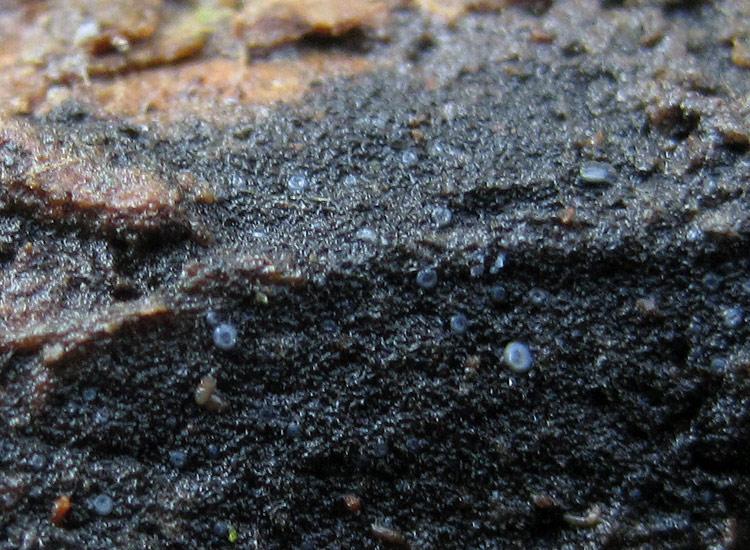
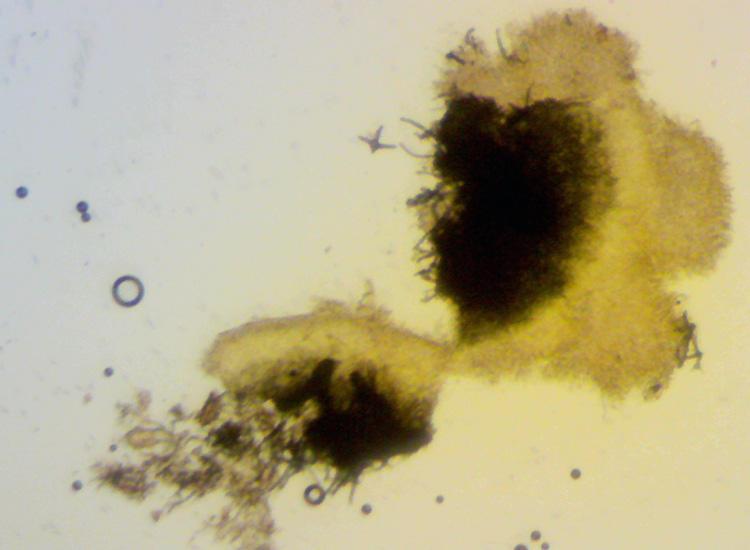

Dear Jenny,
no chance, sorry!
About 25% of all Mollisia species have a yellow KOH reaction.
The reaction you show here is quite weak, what would exclude M. fusca - if the colours are correct.
On Ulex there are several of Mollisia species, some confined to ulex, some lurivorous.
best regards,
Andreas
Knew I shouldn't have ventured into Mollisia's!!
With regards,
Jenny