05-05-2026 22:40
Gernot FriebesHi,I believe this is a Plagiostoma growing on a Sa
06-05-2026 11:25
 Castillo Joseba
Me mandan el material seco de Galicia (España) re
06-05-2026 17:23
Thomas Læssøehttps://svampe.databasen.org/observations/10594257
28-04-2026 20:07
 Lothar Krieglsteiner
... on twig in the air at standing Ceratonia siliq
04-05-2026 18:13
 Stephen Martin Mifsud
ID request for what seems to be a true aquatic fun
04-05-2026 16:39
Stephen Martin Mifsud
ID request: This specimen was collected in Malta o
28-07-2011 18:31
 Alex Akulov
Dear FriendsToday I made the pdf file of Velenovsk
04-05-2026 09:50
Castillo Joseba
Me mandan el material seco de Galicia,(España) re

Dear friends,
last December I collected in the highland cloud forests of Ethiopia. There where a few ascomycetes, among them half a dozen operculate ones.
One of them is posing me problems (the others too, to be honest ....):
Macroscopically it looked like a Peziza with a short, thick stipe, the hymenium colour deep violett, the exterior much lighter, rose coloured.
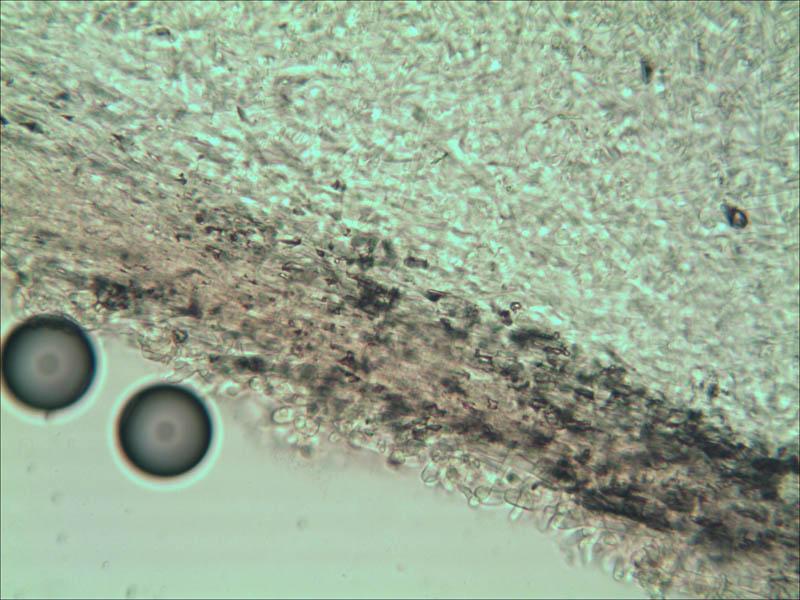
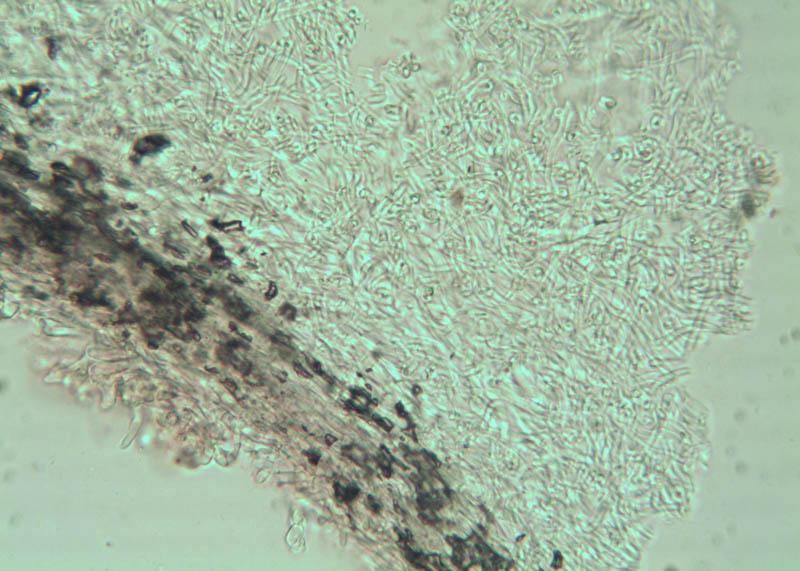
Microscopically the spores with thick longitudinal ridges are surprising.
Judging from the asci, this species should belong into the Sarcoscyphaceae, and the spores hintz towards Cookeina. But the ascocarp was completely without hairs, and the hymenium colour dark violett also is not known in Cookeina.
Has anyone an idea, in which other genus this species could belong?
thaqnk you and best regards,
Andreas
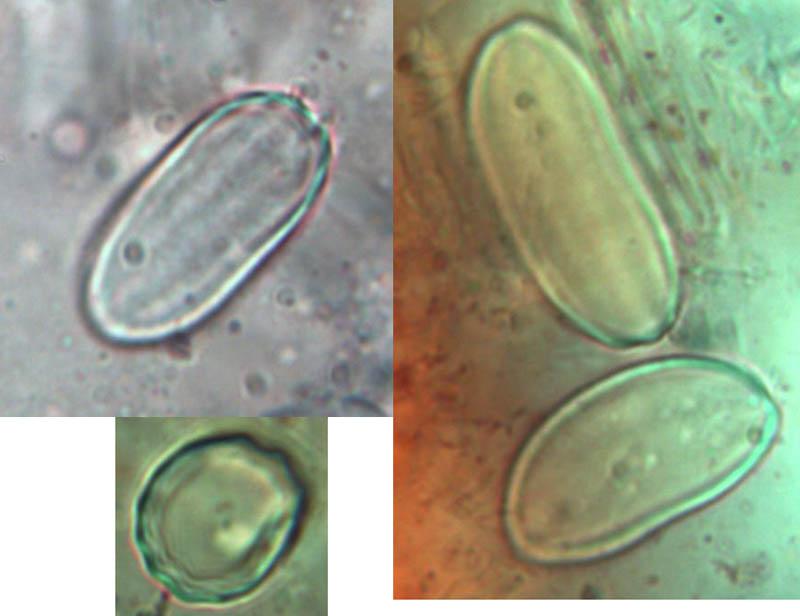
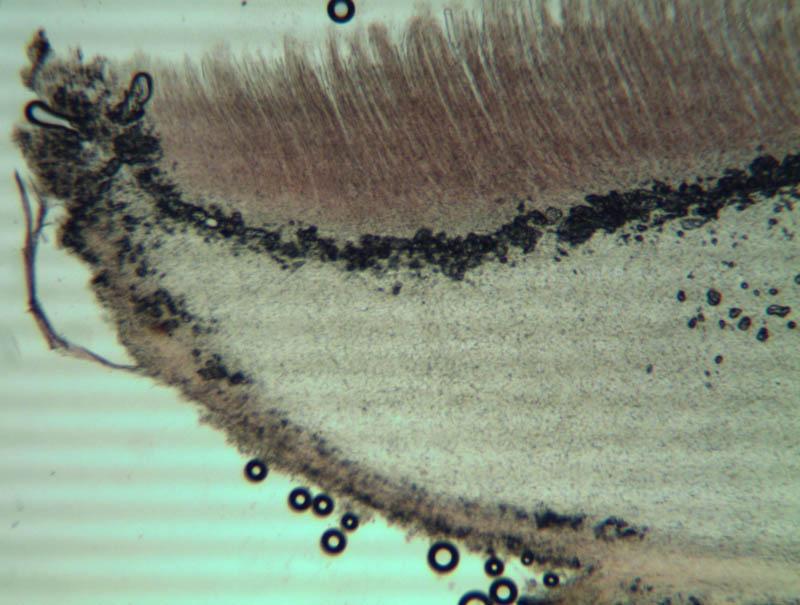
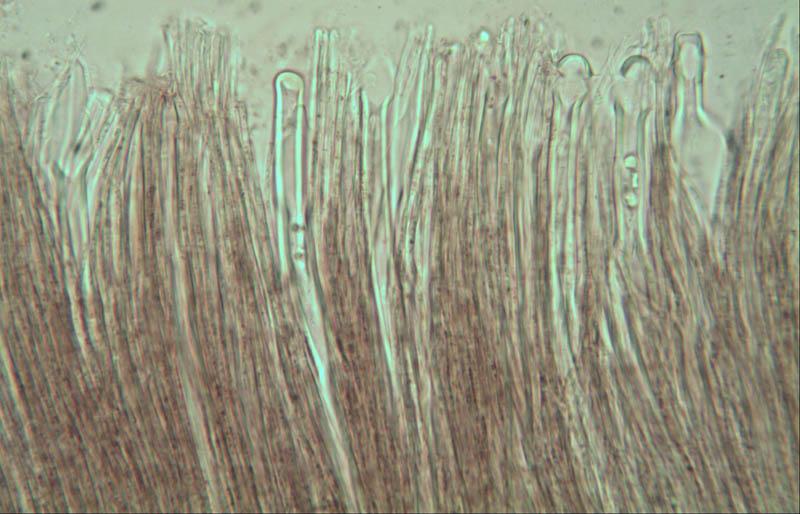

Hello,
ah, yes, of course!
I should have come to that myself *shame*
Has anyone a monograph of the genus?
best regards,
Andreas

I don't think there is a monograph, just treatments from different parts of the world. Here is a paper dealing with Central American species; it may not help you directly, but may give some useful context.
LG
Chris
 C-American-Phillipsia-0001.pdf
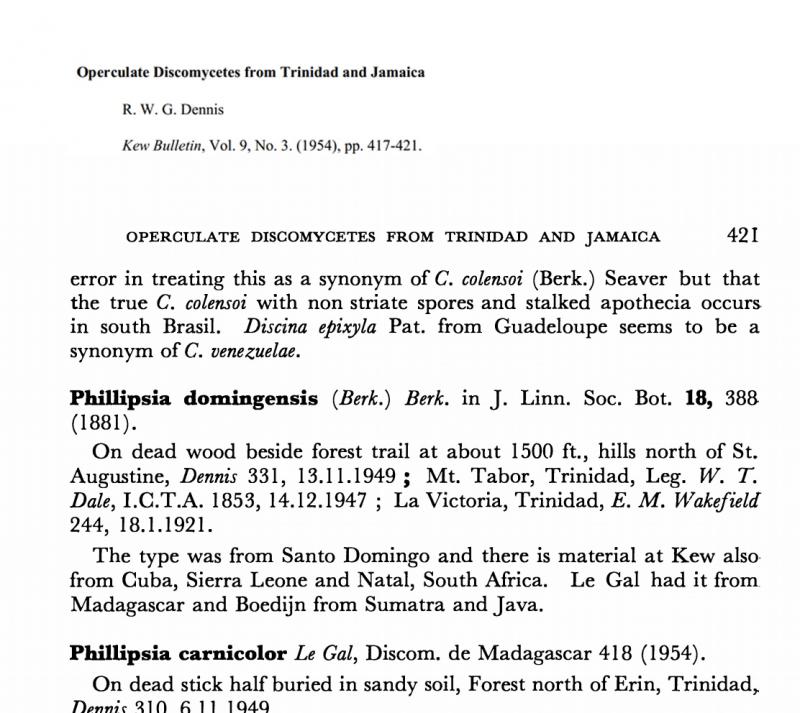
this looks like a "classic" p. domingensis to me, because of the relatively few and big ridges (3-6). the most common species. but its a complex with a lot of different forms, especially concerning the colour. hansen, pfister and hibbett made a phylogenetic study especially about the domingensis-complex.
whats about spore-measure?
as you know i'm preparing a paper to p. carnicolor for next zmykol, which was found in a warm-house in nurnberg. so i have some material that i can send you. very important is le gal (discomycetes du madagascar). i think you will have that ...
best
dirk
Dear Chris, dear Dirk,
thank you a lot for your helping.
And yes, no matter which key I use, I always end up at P. domingensis. Only thing not so perfect fitting is the pure violett hymenium colour and the pinkish exterior. You can even see the ectal excipulum being pinlish coloured in a KOH preparation in the light microscope.
But I will file it as Phillipsia domingensis agg. now.
In some moments I will present a Cookeina cf. colensoi :-)
best regards,
Andreas
Chris