
14-04-2026 05:32
Ethan CrensonHi all, A few weeks back a friend pointed out som
14-04-2026 21:52
Gernot FriebesHi,found on dead leaves of Carex elata. Conidia: 4
14-04-2026 20:31
Gernot FriebesHi,can this be Psilachnum lateritioalbum on Phragm
12-04-2026 17:56
 Hardware Tony
Found on dead stems in February earlier this year
12-04-2026 15:52
Gernot FriebesHi,I'm looking for help with this anamorph collect
12-04-2026 12:22
 William Slosse
In a dune grassland in Oostduinkerke (Belgium), on
11-04-2026 15:45
 Zuzana Sochorová (Egertová)
Please, could anyone send me this paper?Moyne G.,
11-04-2026 13:34
Artem PtukhaHello, I am seeking assistance with the identific

11-04-2026 10:19
 Michel Hairaud
Chers amis d'Ascofrance , voici une très bonne no
Tipo Rutstroemia
Blasco Rafael,
25-11-2014 17:51
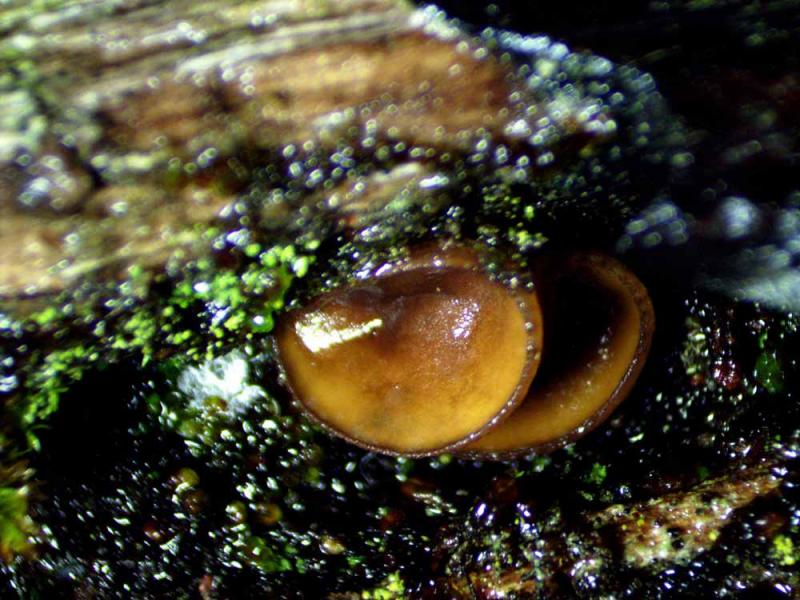
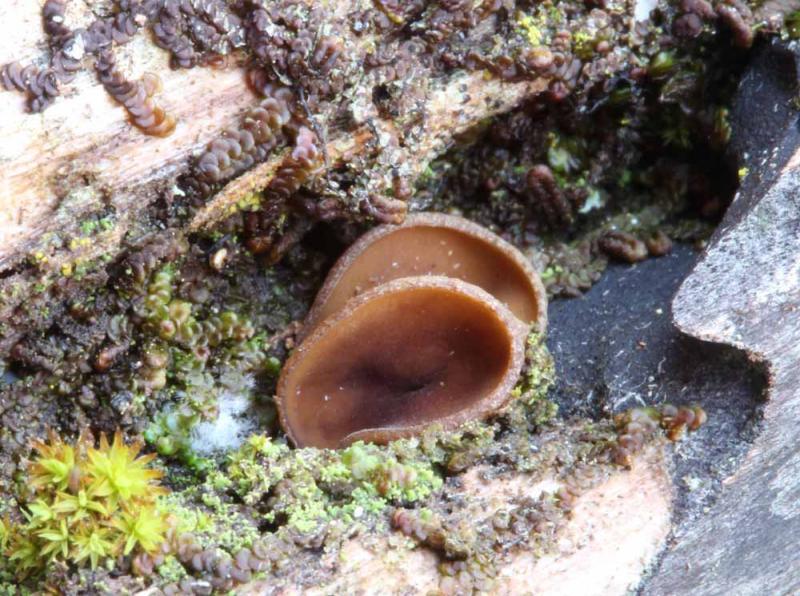
 Hola, a ver si me pueden Ayudar con this Muestra in principio me parecia Rutstroemia Bolaris, Pero las Medidas que Tomado Quedan es muy bueno que el párr. Propongo
 encontrada grieta del una rama, me parece Pino,
Diametro 7--8 mm , corto pastel 3--4 mm, es un mameluco podido al sacarla de la grieta.
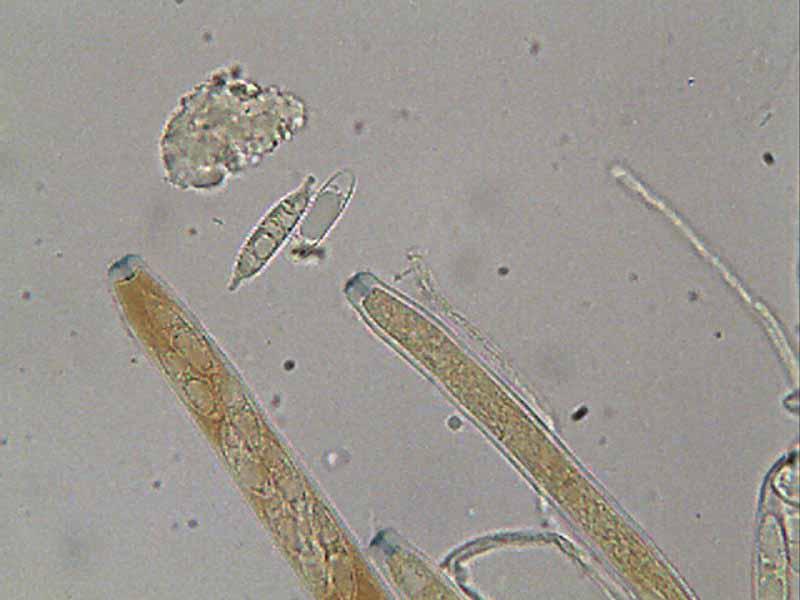
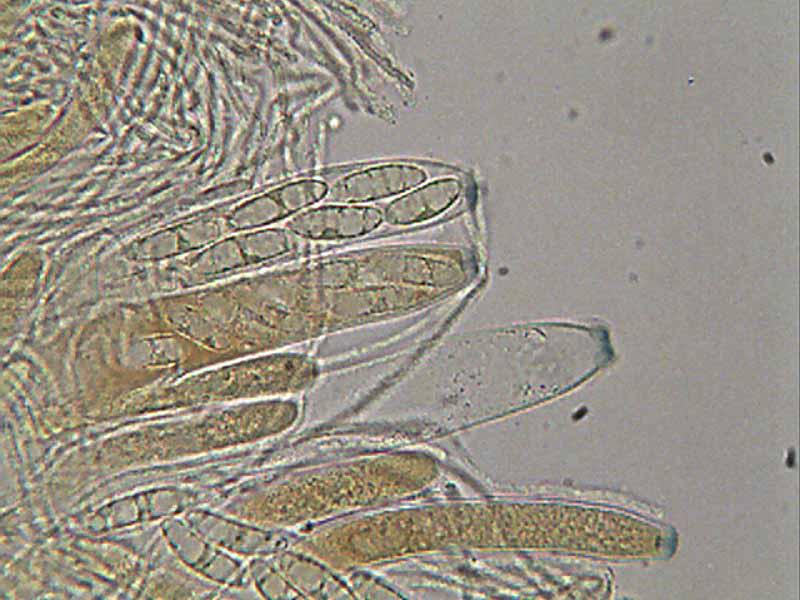
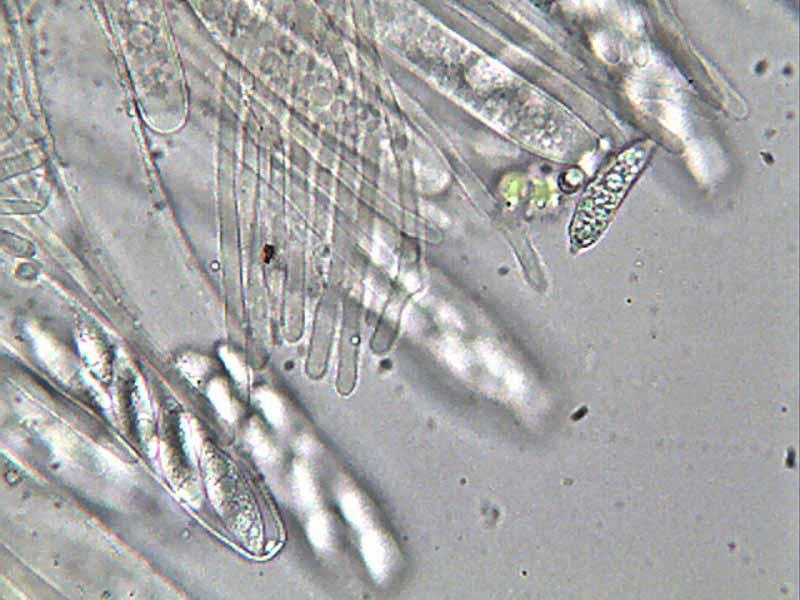
Esporas con dos gotas lipídicas grandes MUCHAS Pequeñas Y, 22--25 X 5,7--7.
ASCAs (J +), (báculos +) 175--185 x 15--15,5
Parafisis RECTAS x3.5 - X 4 con el apice redondeado
Un saludo
Rafael
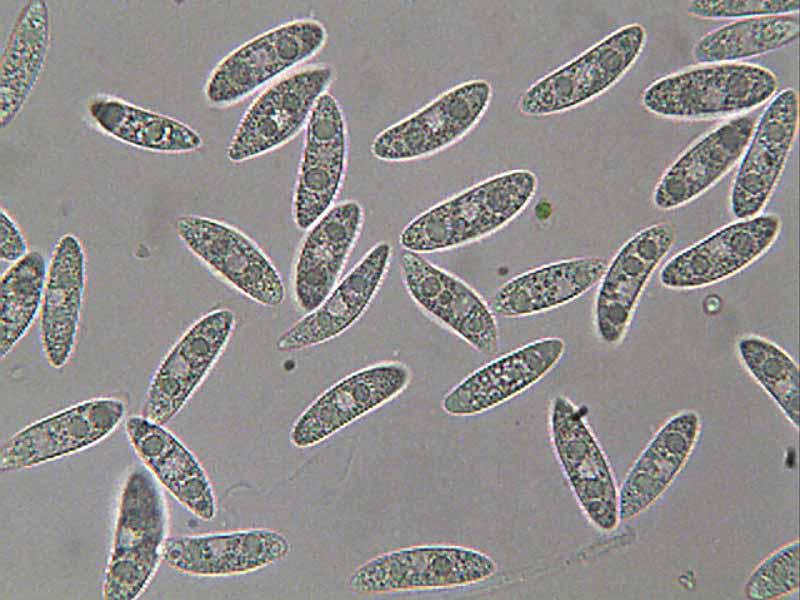
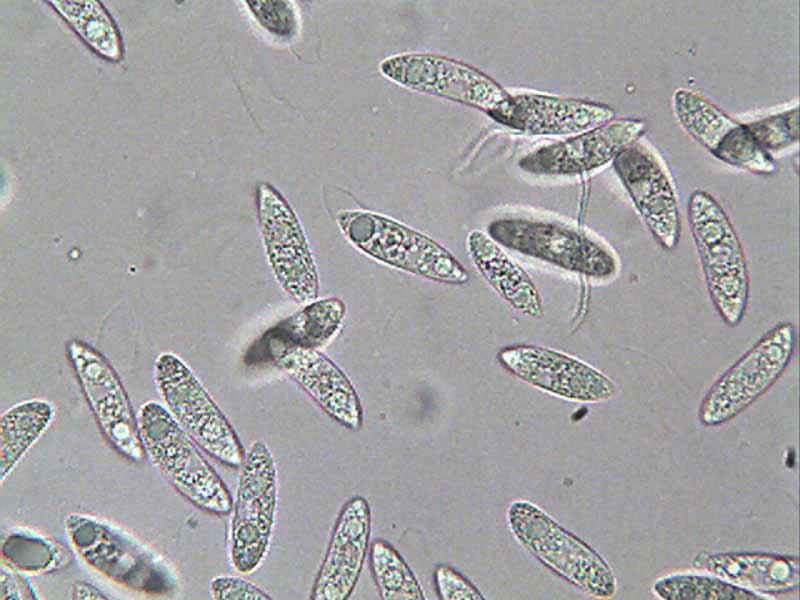
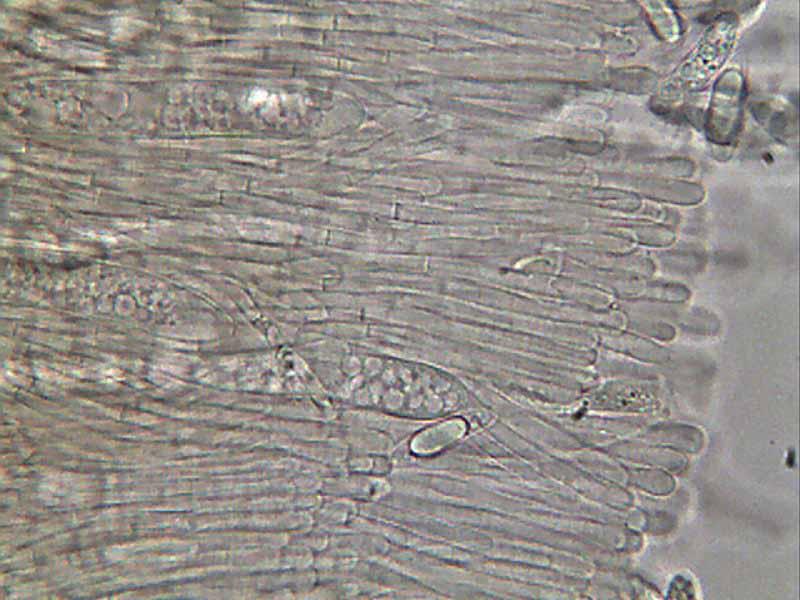
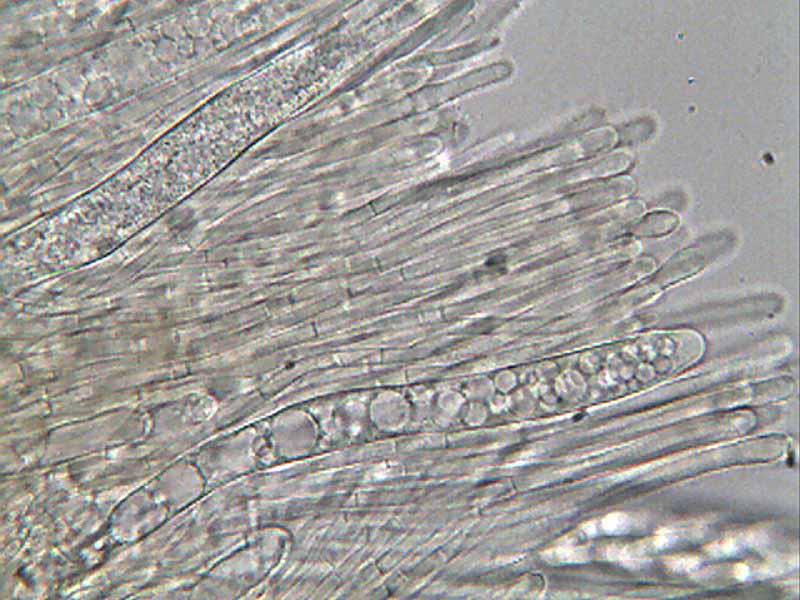
Hans-Otto Baral,
25-11-2014 20:32

Re : Tipo Rutstroemia
Hi Rafael
R. bolaris has completely multiguttuöate spores, without larger ones, and is ony on Carpinus. The first would be to clarify the substrate. I suggest it is R. firma, then Quercus could be the support. Did you look at the wood anatomy? In cross section conifreous wood is easily recognized.
Zotto
R. bolaris has completely multiguttuöate spores, without larger ones, and is ony on Carpinus. The first would be to clarify the substrate. I suggest it is R. firma, then Quercus could be the support. Did you look at the wood anatomy? In cross section conifreous wood is easily recognized.
Zotto
Blasco Rafael,
26-11-2014 08:31
Re : Tipo Rutstroemia
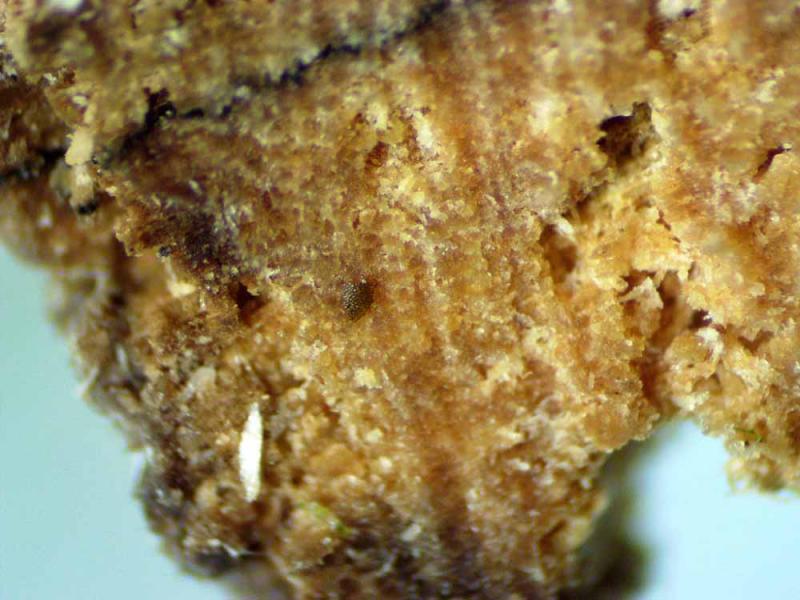
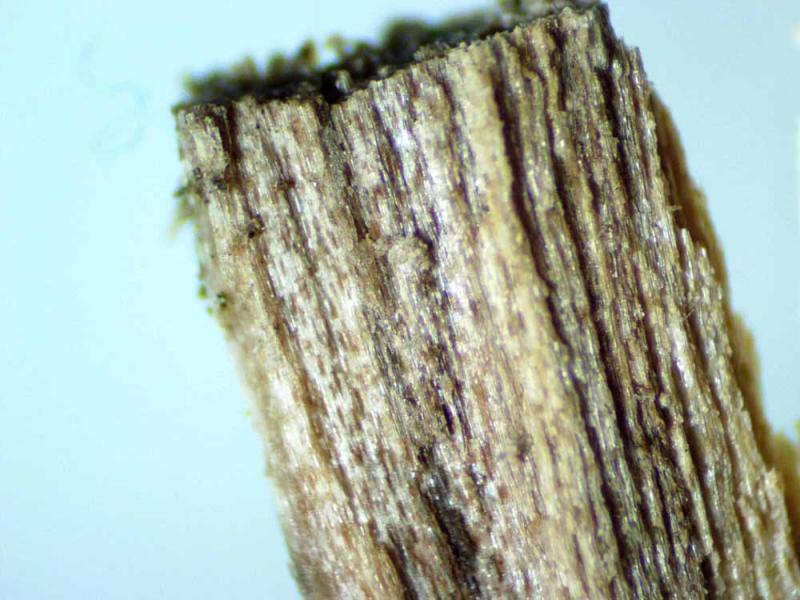
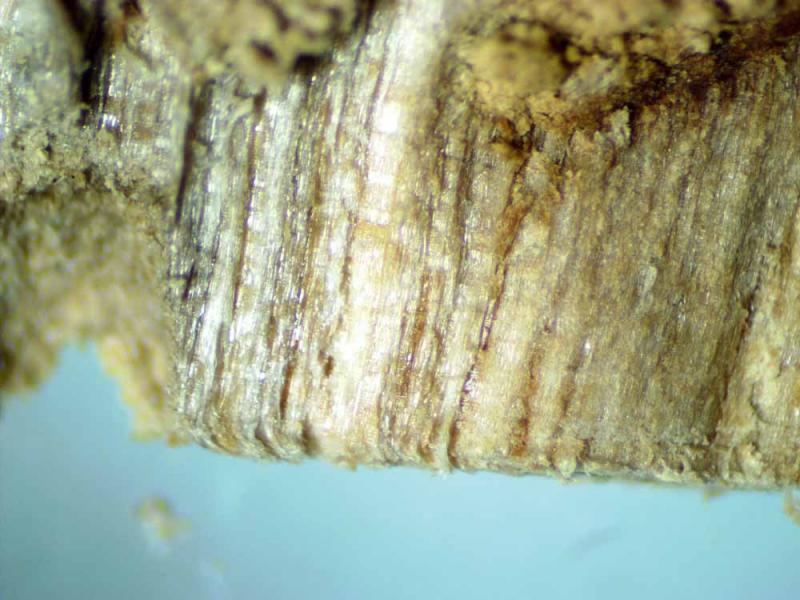
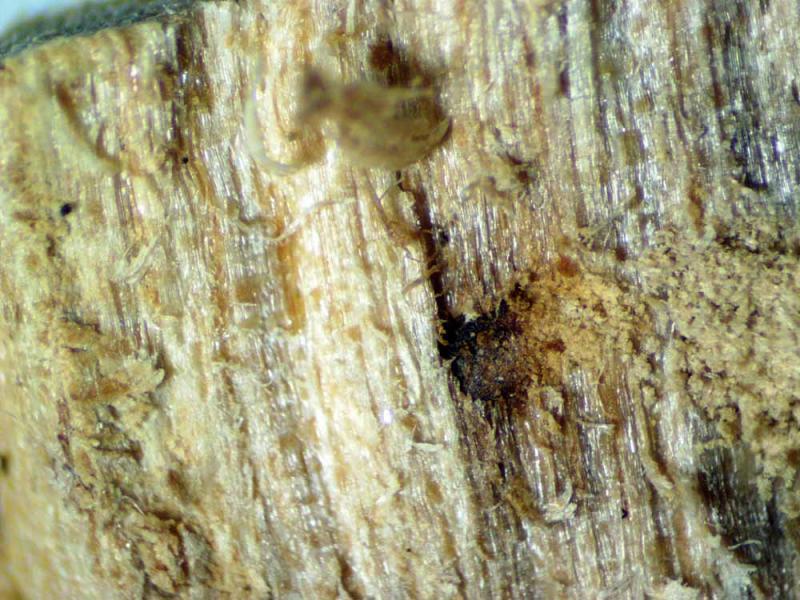
La madera es muy dura y fibrosa, se ve muy compacta y no hay Poros sí ven, Pino no es, tambien habia Alguna Jara en la zona. y bastantes Quercus
Él intentado ONU Hacer corte lo mas fino Posible, but Esto Es Lo Que él Logrado, si no Sirve los repetire.
Rafael
Él intentado ONU Hacer corte lo mas fino Posible, but Esto Es Lo Que él Logrado, si no Sirve los repetire.
Rafael
Hans-Otto Baral,
26-11-2014 09:09
Re : Tipo Rutstroemia
Fine! This excludes conifers indeed. the hard wood looks like Quercus, but it has no large pores. Are you in mediterranean area where Quercus lacks them? What is Jara?
It is also worth to look whether the ectak excipulum is gelatinous. This is not so easy, best in section, perhaps also recognizable by apo consistency.
Zotto
It is also worth to look whether the ectak excipulum is gelatinous. This is not so easy, best in section, perhaps also recognizable by apo consistency.
Zotto
Blasco Rafael,
26-11-2014 09:55
Re : Tipo Rutstroemia
Hola Zooto,
son de Zaragoza,sierra Iberica, a unos 800 m
Jaras = Cistus laurifolius
Encina = Quercus ilex
Las dos estaban presentes mezcladas con los Pinos, la muestra tiene una consistencia gomosa, intentare hacer micro del excipulo.
Rafael
son de Zaragoza,sierra Iberica, a unos 800 m
Jaras = Cistus laurifolius
Encina = Quercus ilex
Las dos estaban presentes mezcladas con los Pinos, la muestra tiene una consistencia gomosa, intentare hacer micro del excipulo.
Rafael
Blasco Rafael,
27-11-2014 08:39
Re : Tipo Rutstroemia
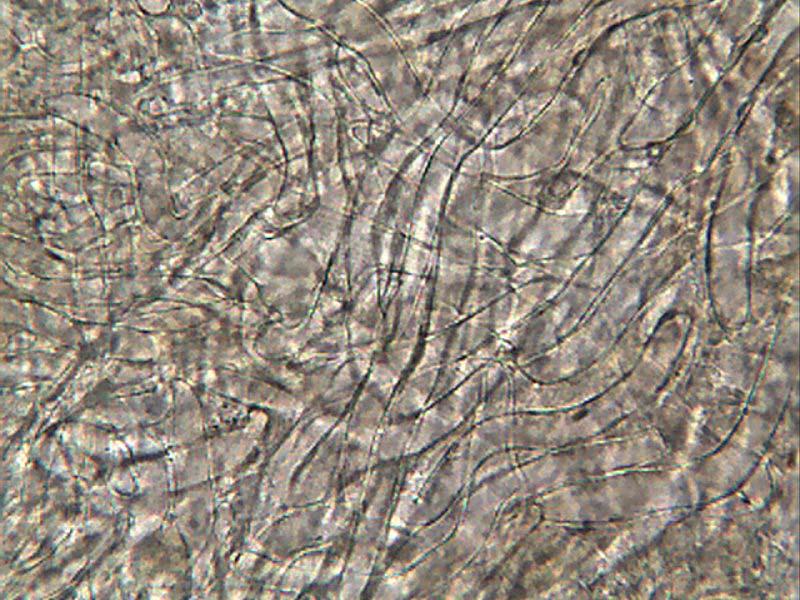
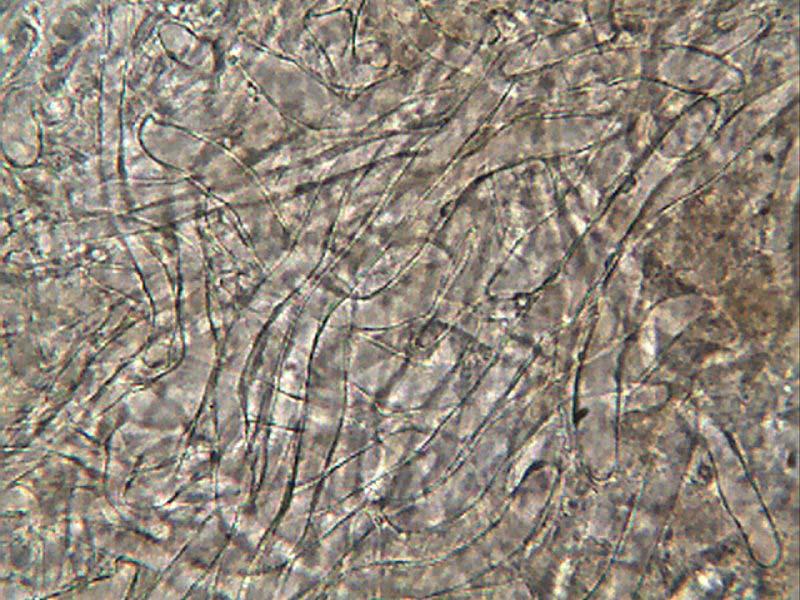
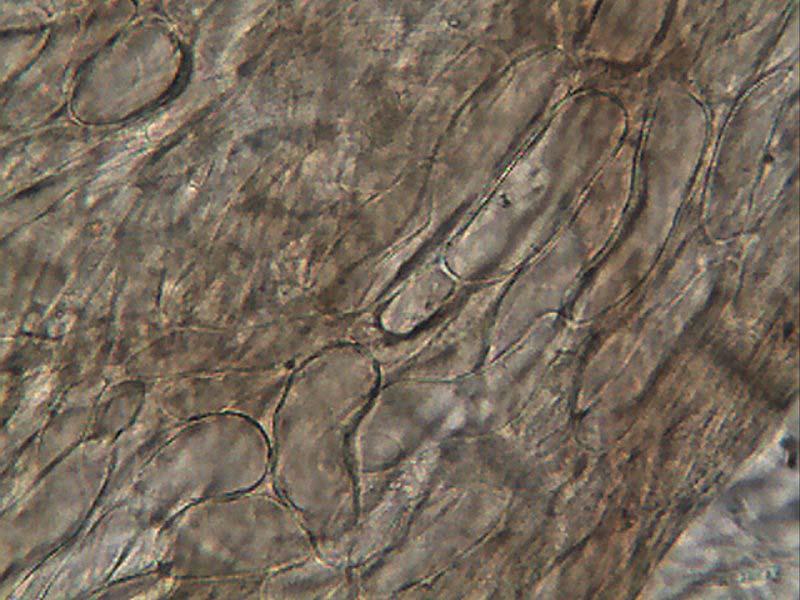
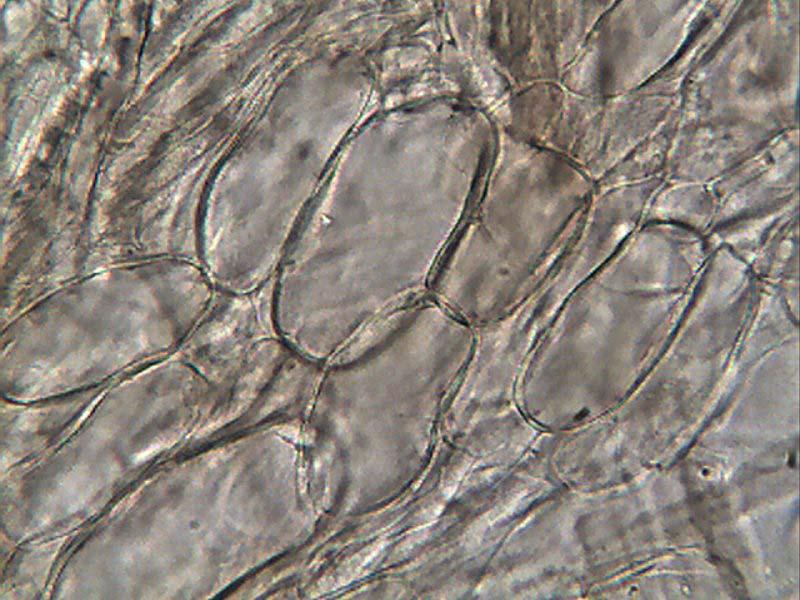
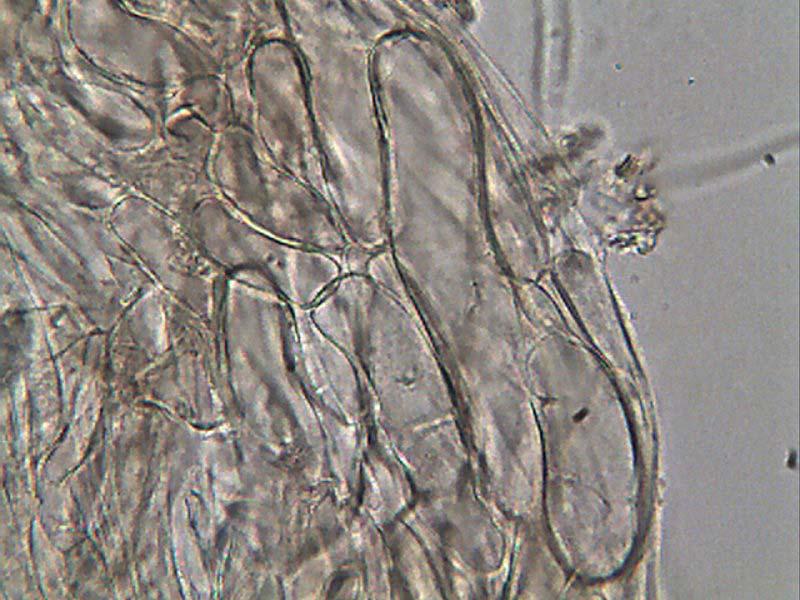
Parece que las celulas del excipulo estan recubiertas o tienen un gel--latex marron (creo)
Rafael
Rafael
Hans-Otto Baral,
27-11-2014 09:14
Re : Tipo Rutstroemia
This is good! R. firma might be restricted to Quercus and has an ectal excipulum just as yours: large elongate brick-shaped cells with only inconspicous gel between. Similar taxa may have ample gel between rather long and narrow cells (text. oblta), but this is obviously not the case here.
A closer look to a cross section of the wood should enable to recognize Quercus ilex.
Zotto
A closer look to a cross section of the wood should enable to recognize Quercus ilex.
Zotto