
11-05-2026 12:32
 Bernard CLESSE
Pourriez-vous m'aider à identifier cette héloti
13-05-2026 15:26
 François Freléchoux
Bonjour,Voici une récolte faite il y a quelques j
12-05-2026 15:41
 Nicolas VAN VOOREN
Dear Ascolovers, especially interested in Pezizale
13-05-2026 12:05
 Thierry Blondelle
Bonjour à tous,J'aimerais avoir confirmation de c
10-05-2026 23:17
 Andreas Gminder
Hello,today we found in a moist steep decidous for
28-04-2026 20:07
 Lothar Krieglsteiner
... on twig in the air at standing Ceratonia siliq
27-04-2026 20:52
Lothar Krieglsteiner
Found on hanging tiwg of Olea europaea in dried-ou
11-05-2026 20:22
Lothar Krieglsteiner
on attached twig of standing Ficus caricaquite uns
29-04-2026 10:44
Lothar Krieglsteiner
growing at moist, drying-out soil at the side of a
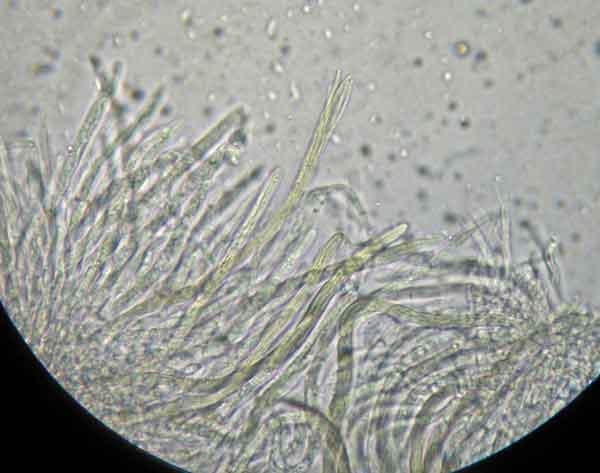
what could this be?
hannie wijers,
06-06-2013 17:26
I couldn't find any reaction with Melzer.
I don't have any idea where to look for. Maybe some of you cab give me a hand.
Best wishes
Hannie
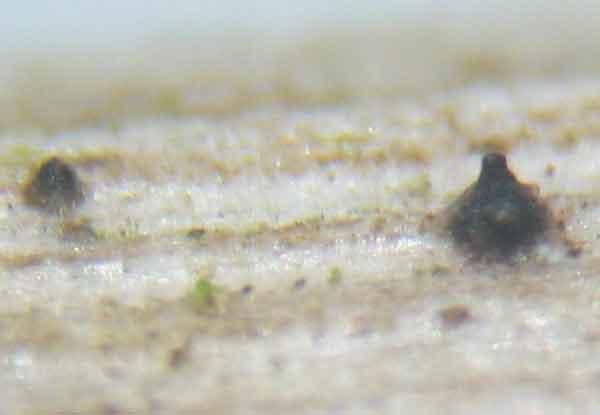
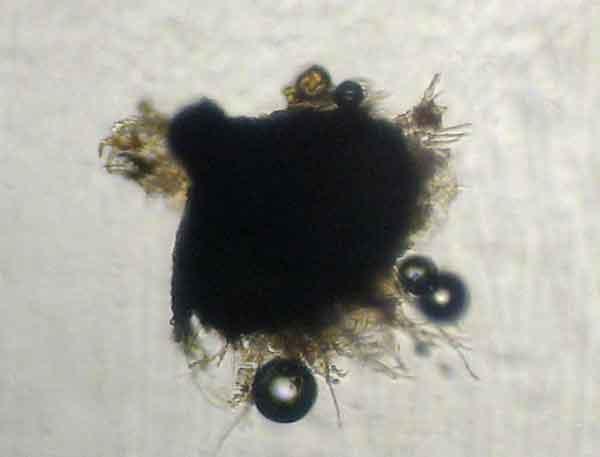
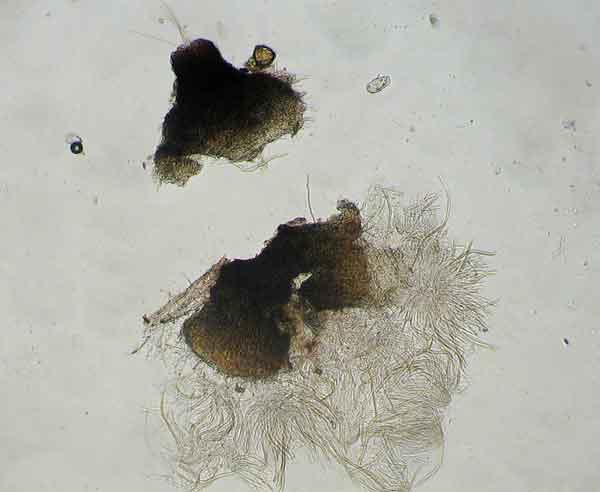
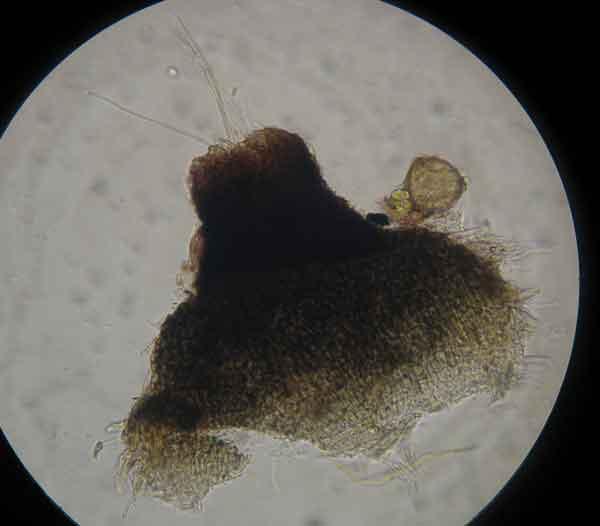
hannie wijers,
06-06-2013 17:30
Re : what could this be?
the other pictures
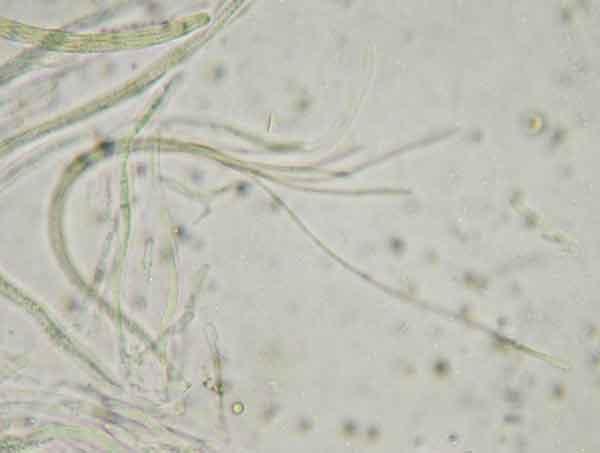
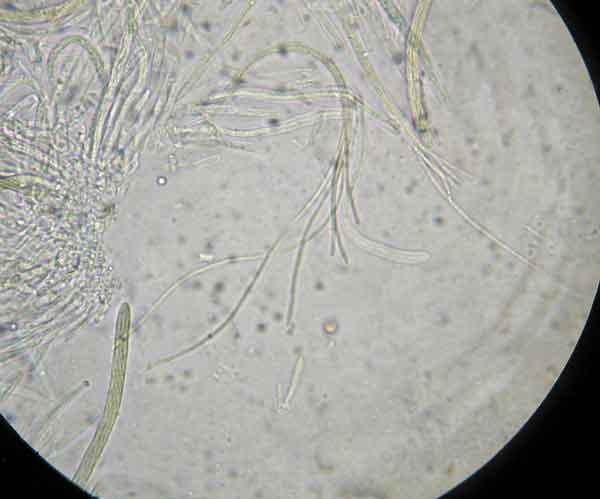
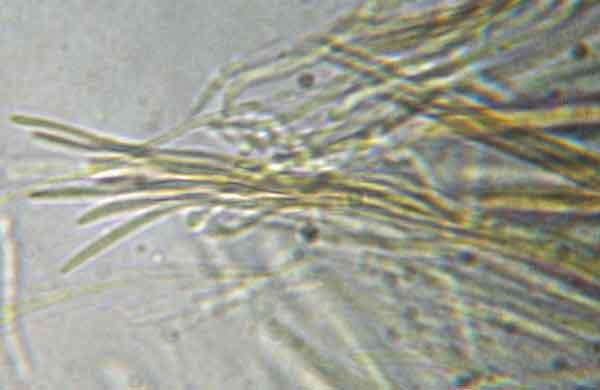
Andrew N. Miller,
06-06-2013 17:38

Re : what could this be?
Leptospora sp.
Andy
Andy
hannie wijers,
06-06-2013 19:16
Re : what could this be?
Thank you Andy. Can you tell me why it is spec. Is this because the substate which it's growing on? I took a look at the web but Cann't find anything about spec.
Hannie
Hannie
Andrew N. Miller,
06-06-2013 21:18
Re : what could this be?
Honestly, I call everything growing on herbaceous stems with long, filiform ascospores Leptosphaeria... ;o)
Also, my Ph.D. advisor did her doctoral research on this genus (Systematics of Leptosphaeria species found on the Rosaceae by S.M. Huhndorf).
Andy
Also, my Ph.D. advisor did her doctoral research on this genus (Systematics of Leptosphaeria species found on the Rosaceae by S.M. Huhndorf).
Andy
Alain GARDIENNET,
06-06-2013 21:41

Re : what could this be?
Hi Hannie, hi Andy,
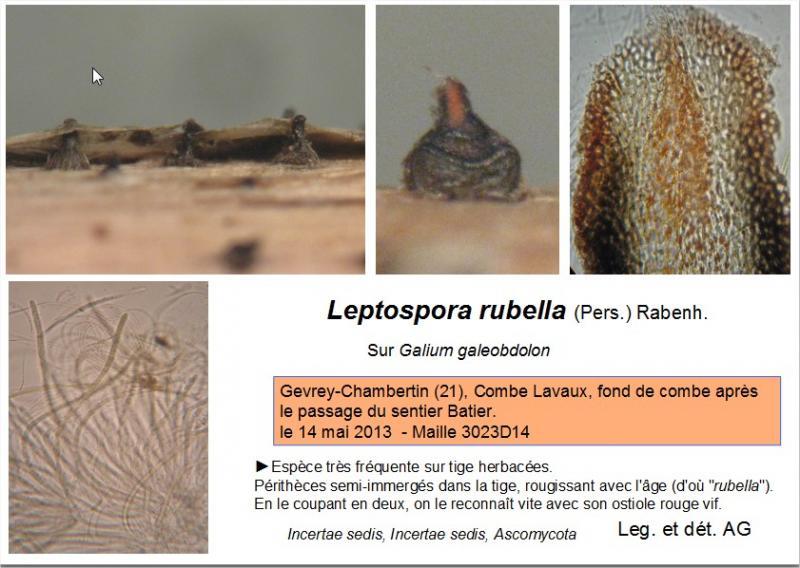
I have a lot of records of Leptospora rubella on many different herbaceous hosts.
For example, you find old Lamium galeobdolon and there is probably L. rubella.
This one is recognizable by its red ostiol. You cut vertically in the median plan and you can see the red colour easily.
Perhaps you will see this colour in yours ?
Alain
I have a lot of records of Leptospora rubella on many different herbaceous hosts.
For example, you find old Lamium galeobdolon and there is probably L. rubella.
This one is recognizable by its red ostiol. You cut vertically in the median plan and you can see the red colour easily.
Perhaps you will see this colour in yours ?
Alain
hannie wijers,
07-06-2013 09:58
Re : what could this be?
Hello Andy and Alalin. Thanks for the explanation, now I understand it a little more. I'm not studying all these too long, but it's very interesting. Thanks again. I'm off for today but tomorrow I'll take a look. I stille have some material.
Best wishes
Hannie
Best wishes
Hannie
hannie wijers,
08-06-2013 12:22
Re : what could this be?
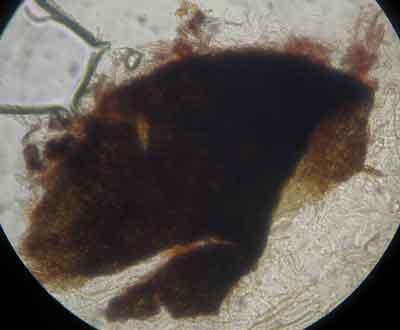
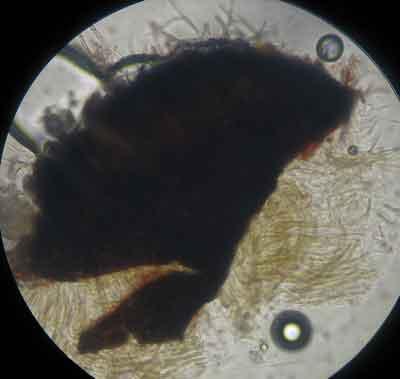
Hello Alain,
I'm not quite sure if this is what you meant. Ik cut a frb and saw a little red. Under the bino I could also se a red colour.
Here in Holland theré's also one named Ophioceras leptosporum-Schermbloeminktpuntje
Can you tell me what's the difference between this one and Leptospora rubella?
Thank you Hannie
I'm not quite sure if this is what you meant. Ik cut a frb and saw a little red. Under the bino I could also se a red colour.
Here in Holland theré's also one named Ophioceras leptosporum-Schermbloeminktpuntje
Can you tell me what's the difference between this one and Leptospora rubella?
Thank you Hannie

Alain GARDIENNET,
09-06-2013 13:50
Re : what could this be?
Here are pictures
Luc Bailly,
09-06-2013 16:31

Re : what could this be?
Bonjour à tous,
Dis, Alain, tu as écrit Galium au lieu de Lamium...
Amitiés - LUC.
Dis, Alain, tu as écrit Galium au lieu de Lamium...
Amitiés - LUC.
Alain GARDIENNET,
09-06-2013 17:02
Re : what could this be?
Merci Luc, je vais corriger.
hannie wijers,
09-06-2013 17:51
Re : what could this be?
thank you Alain
Hannie
Hannie