
06-05-2026 11:25
 Castillo Joseba
Me mandan el material seco de Galicia (España) re
06-05-2026 17:23
Thomas Læssøehttps://svampe.databasen.org/observations/10594257
28-04-2026 20:07
 Lothar Krieglsteiner
... on twig in the air at standing Ceratonia siliq
05-05-2026 22:40
Gernot FriebesHi,I believe this is a Plagiostoma growing on a Sa
04-05-2026 18:13
 Stephen Martin Mifsud
ID request for what seems to be a true aquatic fun
04-05-2026 16:39
Stephen Martin Mifsud
ID request: This specimen was collected in Malta o
28-07-2011 18:31
 Alex Akulov
Dear FriendsToday I made the pdf file of Velenovsk
04-05-2026 09:50
Castillo Joseba
Me mandan el material seco de Galicia,(España) re
02-05-2026 12:42
Alain BRISSARDBonjour à tousJeuidi 30 avril dernier on m'a remi
Coprophilous Bionectriaceae?
Björn Wergen,
05-02-2013 14:33
 Hi there,
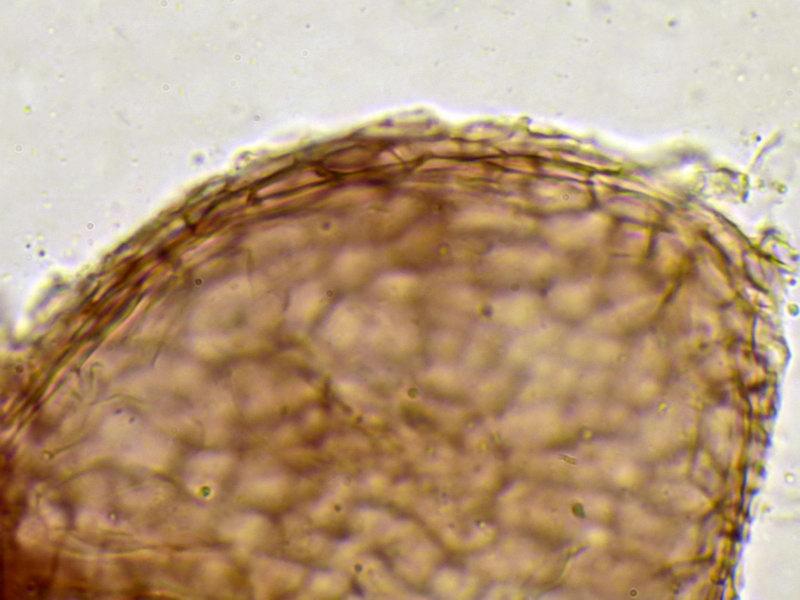
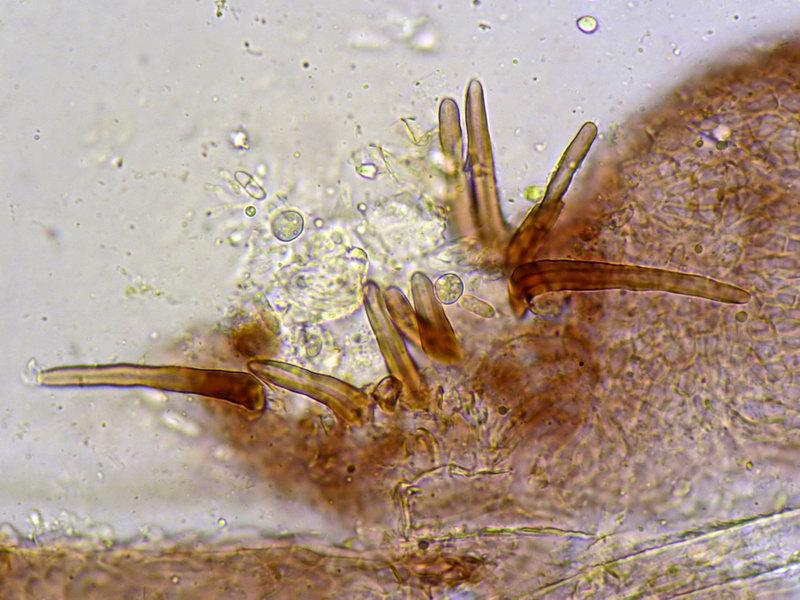
I have recently found another small pyrenomycete growing on dung of a dung pile, precisely on dead grass culms which are embedded in that dung. It has very small fruitbodies from about 0,08 mm diameter and some rigid hairs, which are 35-45µm long. Spores are 8-9x2,-3,2µm, with one central septation when mature, hyaline, smooth. Asci with 8 spores (uni/biseriate), 50-65x6-8µm, IKI -, but with visible apical apparatus. Paraphyses not seen. Wall 6-10mm thick, consisting of small polygonal cells, redbrown.
Any idea? I thought about a Bionectriaceae, but I did not find any matching species.
regards,
björn
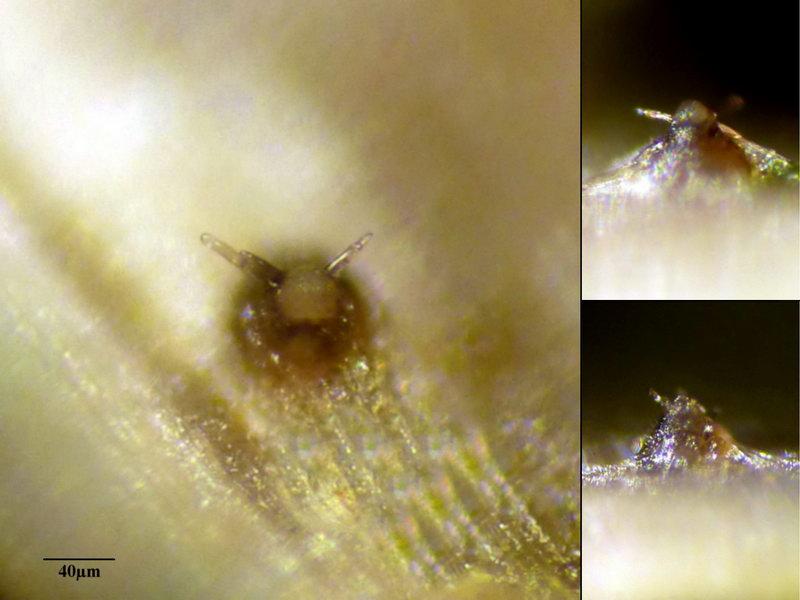
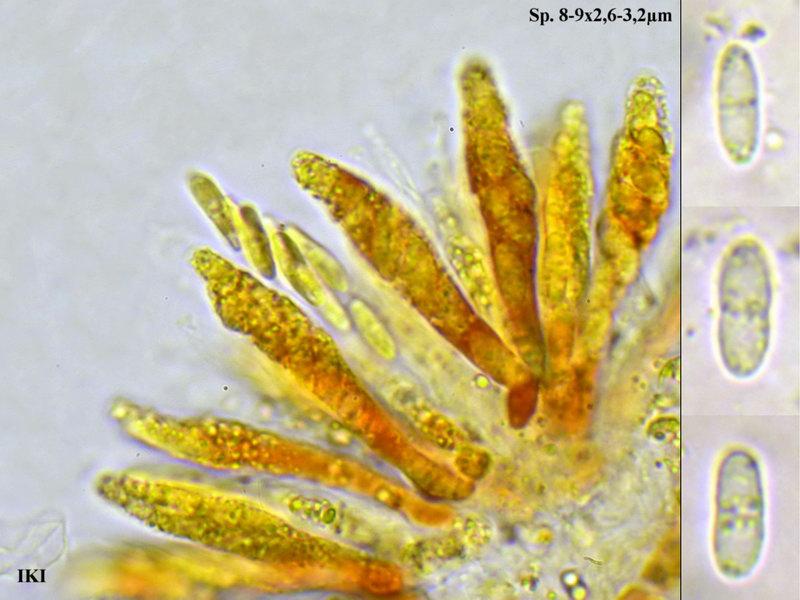
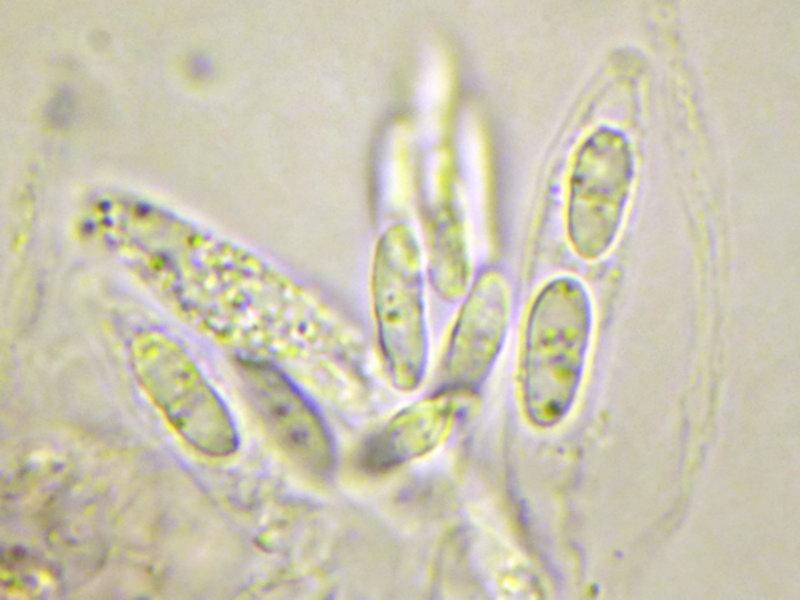
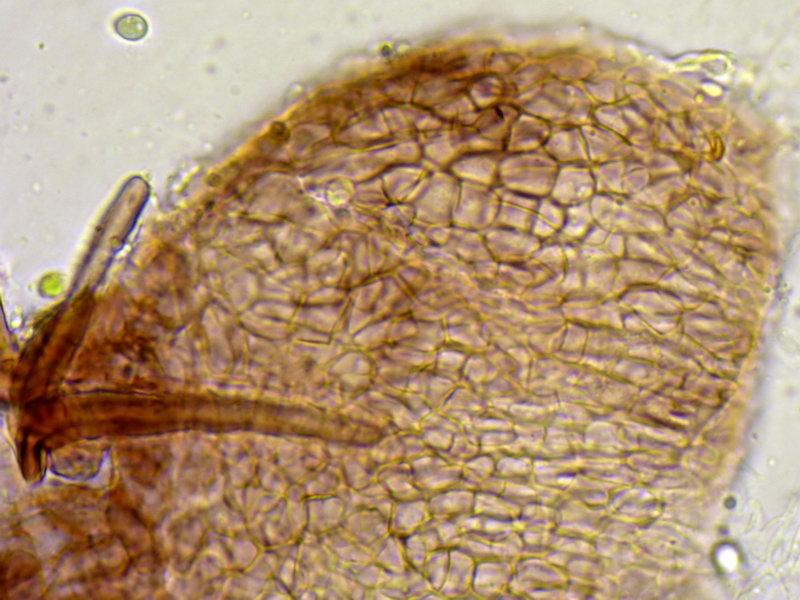
Björn Wergen,
05-02-2013 21:03
Re : Coprophilous Bionectriaceae?
Probably a member of Niesslia is also possible...
By the way: does anybody know about a key for that genus? I am looking for it but without success.
By the way: does anybody know about a key for that genus? I am looking for it but without success.
Alain GARDIENNET,
05-02-2013 22:35

Re : Coprophilous Bionectriaceae?
Hi Björn,
Did you test KOH ? It recalls me some Nectriella. Niesslia are darker (brown to black).
Alain
Did you test KOH ? It recalls me some Nectriella. Niesslia are darker (brown to black).
Alain
Björn Wergen,
06-02-2013 00:12
Re : Coprophilous Bionectriaceae?
Hi Alain,
what does KOH do with Nectriella? I will test this tomorrow.
regards björn
what does KOH do with Nectriella? I will test this tomorrow.
regards björn
Alain GARDIENNET,
06-02-2013 08:00
Re : Coprophilous Bionectriaceae?
Nectriella is (as a Bionectriaceae) KOH -. A positive reaction would signify that is Nectriaceae.
Your one seems to be closed to species like N. dakotensis.
Alain
Your one seems to be closed to species like N. dakotensis.
Alain
Björn Wergen,
06-02-2013 21:50
Re : Coprophilous Bionectriaceae?
Hi Alain,
I have read the article about Hypocreales (Rossman et al., Studies in Mycology 42) and after using the key, I think this should really be N. dakotensis. This is quiet interesting.
Of course I will test KOH too.
Thanks again, Alain.
regards,
björn
I have read the article about Hypocreales (Rossman et al., Studies in Mycology 42) and after using the key, I think this should really be N. dakotensis. This is quiet interesting.
Of course I will test KOH too.
Thanks again, Alain.
regards,
björn