
03-05-2026 10:57
 Castillo Joseba
Me mandan el material seco de Galicia (España) re
02-05-2026 12:42
Alain BRISSARDBonjour à tousJeuidi 30 avril dernier on m'a remi
02-05-2026 13:06
Pauline. PennaBonjour Please can someone help me with this id
01-05-2026 22:45
 Thierry Blondelle
Bonjour à tous, Une récolte sur bouse séchée d
28-04-2026 20:07
 Lothar Krieglsteiner
... on twig in the air at standing Ceratonia siliq
14-04-2026 05:32
Ethan CrensonHi all, A few weeks back a friend pointed out som
28-04-2026 20:33
Vitus SchäfftleinHello, I found Trochila ilicina on Ilex aquifoliu
30-04-2026 10:28
Rot BojanHello, by appearance I would say that I am dealing
¿ Ciliolarina ?
Mauricio Marin,
19-02-2012 17:20
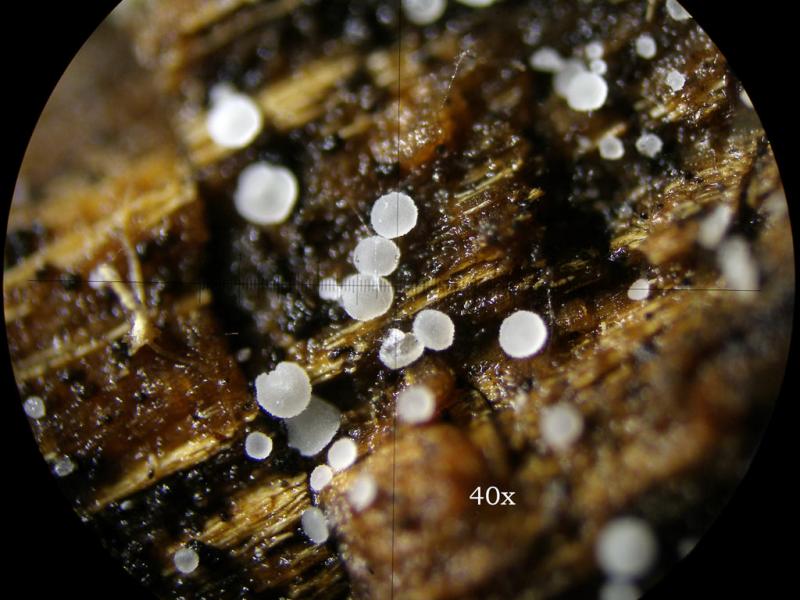
Un nouveau ramassage sur Pinus pinaster (antérieurement ascomyceto blanco), dans le même lieu.
Les données coïncident avec le premier exemplaire.
Un rougeoiement sous la pression négative.
des clés de Ciliolarina ?
Merci



Michel Hairaud,
19-02-2012 18:16

Re : ¿ Ciliolarina ?
Hi Mauricio,
I wil send some documentation to you private adress
Amitiés
Michel
I wil send some documentation to you private adress
Amitiés
Michel
Stip Helleman,
19-02-2012 22:00

Re : ¿ Ciliolarina ?
Hi Mauricio,
could you provide some microscopic photo's in water mount?
Cheers,
Stip
could you provide some microscopic photo's in water mount?
Cheers,
Stip
Mauricio Marin,
21-02-2012 15:39
Re : ¿ Ciliolarina ?
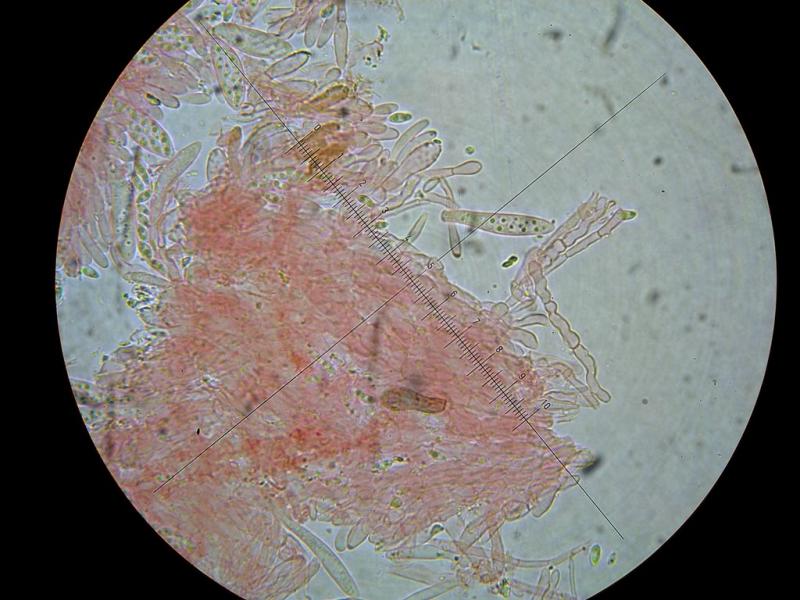
Hi
Here you have, good benefit.
as you see leave it like C.laetifica?
thanks.
MM
Here you have, good benefit.
as you see leave it like C.laetifica?
thanks.
MM


Stip Helleman,
21-02-2012 22:41
Re : ¿ Ciliolarina ?
Hi Mauricio,
That seems to be correct, as I see now the fruitbodies are arising from a stipe with blackish base, first I thought they were sessile.
Cheers,
Stip
That seems to be correct, as I see now the fruitbodies are arising from a stipe with blackish base, first I thought they were sessile.
Cheers,
Stip