
22-04-2026 01:06
 Richard VALERI
Bonjour à tous.Je vous présente cette Nectria s.
21-04-2026 13:36
Gernot FriebesHi,I am out of ideas for this one. I collected Sal
21-04-2026 13:19
Gernot FriebesHi,this Lophodermium on Typha has ascospores measu
21-04-2026 13:05
Gernot FriebesHi,this hyphomycete feels familiar but I was not a
20-04-2026 22:00
 Malcolm Greaves
These pale yellow, hairy ascos were growing on cul
19-04-2026 21:23
Steve ClementsBonjour, I found this anamorphic fungus on old pl
19-04-2026 20:46
Steve Clements1 mm diameter approx spherical conidiophores on pl
12-04-2026 17:56
 Hardware Tony
Found on dead stems in February earlier this year
Mollisia sp
Sylvie Le Goff,
25-05-2025 13:25
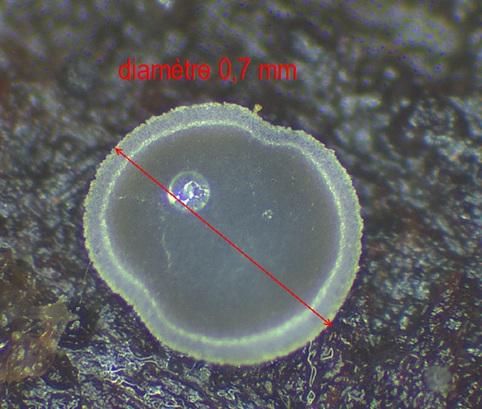
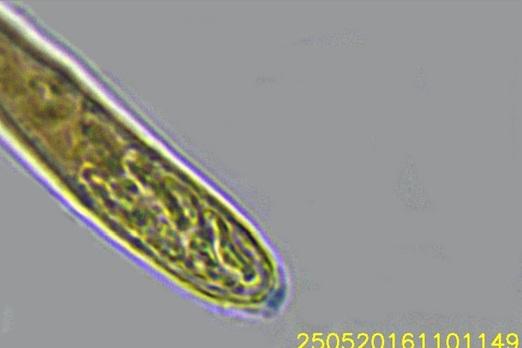
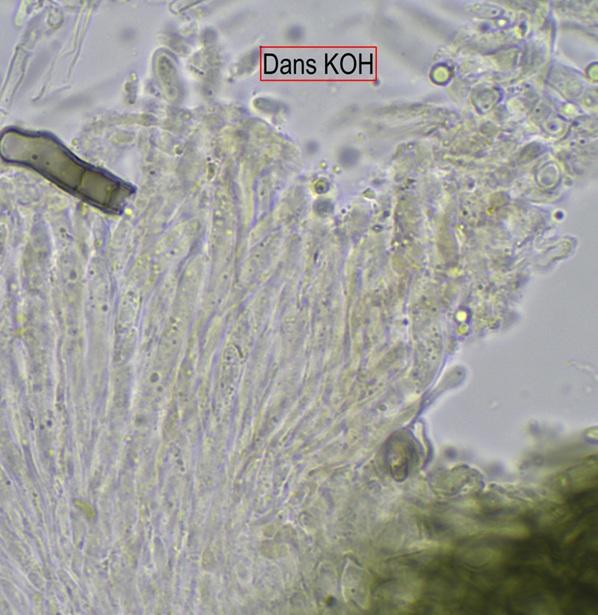
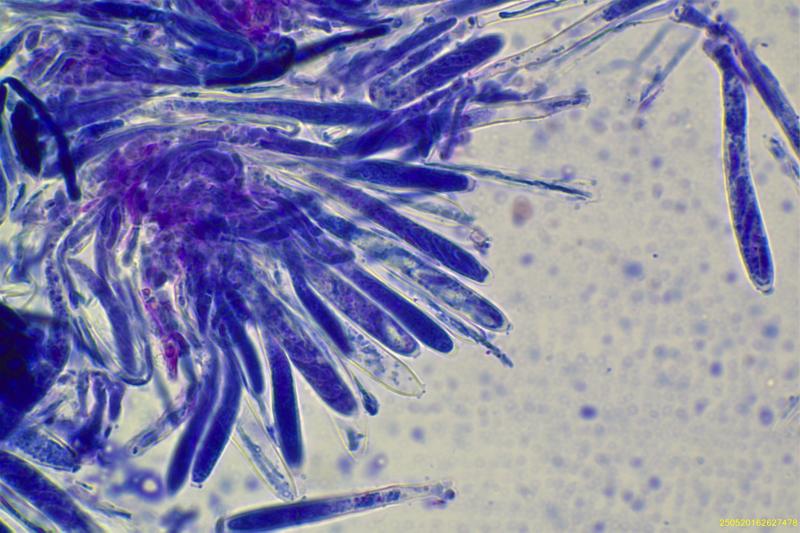
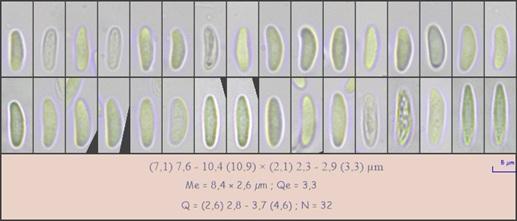
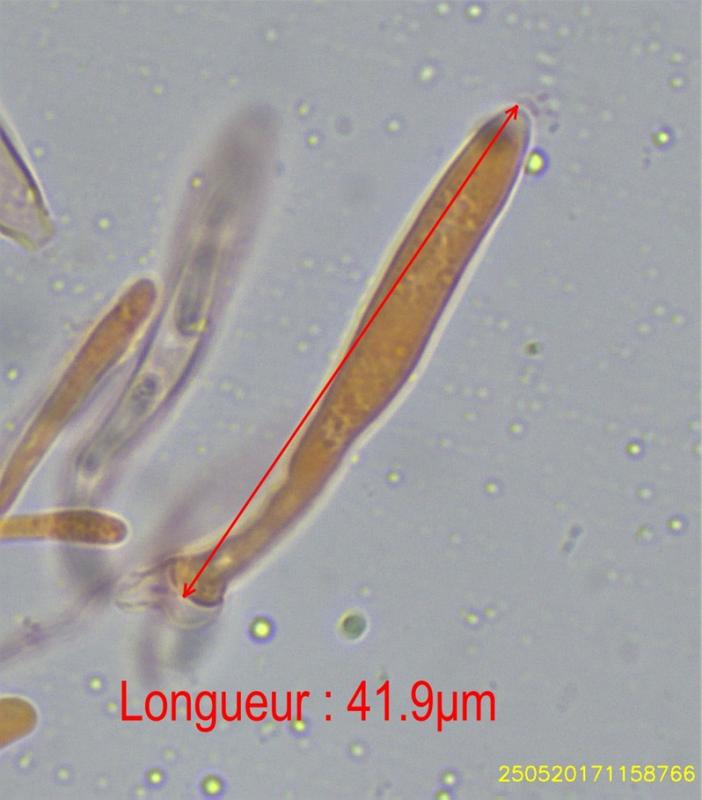
Luc Bailly,
25-05-2025 20:53

Re : Mollisia sp
Bonjour à vous,
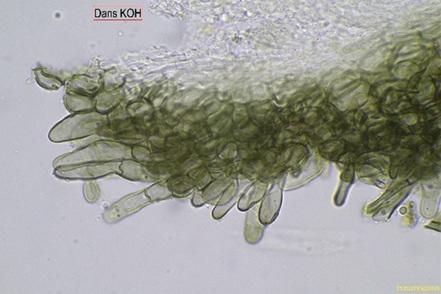
Mollisia cinerea est caractérisé par ses spores sans guttules ou quasi sans, des paraphyses réfringentes mais sans réaction jaune au KOH. Généralement, des paraphyses réfringentes jaunissent dans le KOH, mais pas chez M. cinerea. Le KOH est utilisé _sous la loupe bino_ pour voir si l'hyménium jaunit ou pas (attention, réaction parfois très fugace), donc pas en microscopie. Ici il n'y aura pas de jaunissement si c'est M. cinerea. L'excipulum ectal sera observé dans l'eau. Si c'est brun ou brun-gris dans l'eau, tout est normal.
Voilà pour une petite précision.
Amitiés - Luc
Ingo Wagner,
25-05-2025 22:44

Re : Mollisia sp
Hello Sylvie!
All species of the genus Mollisia react with KOH in the ectal excipulum green to olive, this is a characteristic.
The relatively large cells on the outside could be a clue.
Test the KOH reaction as described in the link and compare with Mollisia albogrisea.
https://asco-sonneberg.de/pages/gallery/mollisia-albogrisea-160730-fp301-01-xsmcoljj39658.php?group_id=39658&position=11
Greetings
Ingo
All species of the genus Mollisia react with KOH in the ectal excipulum green to olive, this is a characteristic.
The relatively large cells on the outside could be a clue.
Test the KOH reaction as described in the link and compare with Mollisia albogrisea.
https://asco-sonneberg.de/pages/gallery/mollisia-albogrisea-160730-fp301-01-xsmcoljj39658.php?group_id=39658&position=11
Greetings
Ingo