
03-05-2026 10:57
 Castillo Joseba
Me mandan el material seco de Galicia (España) re
02-05-2026 12:42
Alain BRISSARDBonjour à tousJeuidi 30 avril dernier on m'a remi
02-05-2026 13:06
Pauline. PennaBonjour Please can someone help me with this id
01-05-2026 22:45
 Thierry Blondelle
Bonjour à tous, Une récolte sur bouse séchée d
28-04-2026 20:07
 Lothar Krieglsteiner
... on twig in the air at standing Ceratonia siliq
14-04-2026 05:32
Ethan CrensonHi all, A few weeks back a friend pointed out som
28-04-2026 20:33
Vitus SchäfftleinHello, I found Trochila ilicina on Ilex aquifoliu
30-04-2026 10:28
Rot BojanHello, by appearance I would say that I am dealing
Melaspilea bagliettoana?
Gernot Friebes,
13-05-2025 12:32
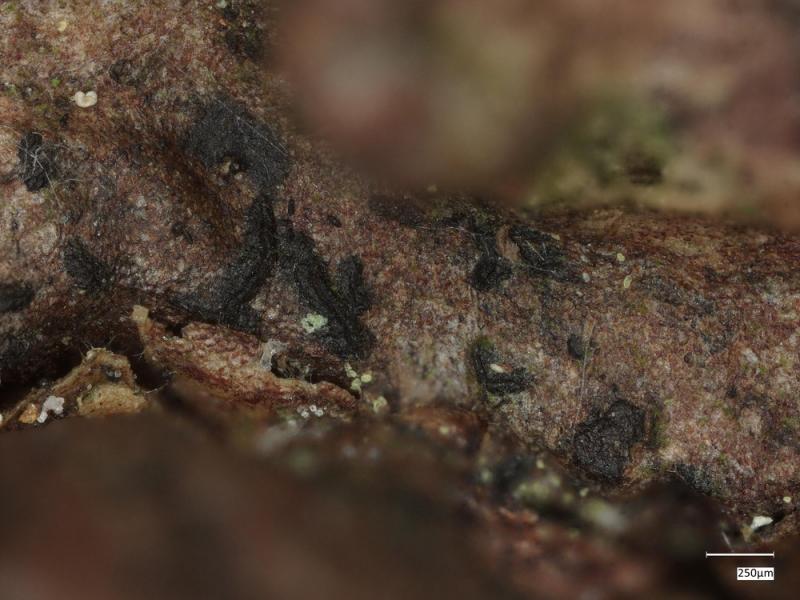
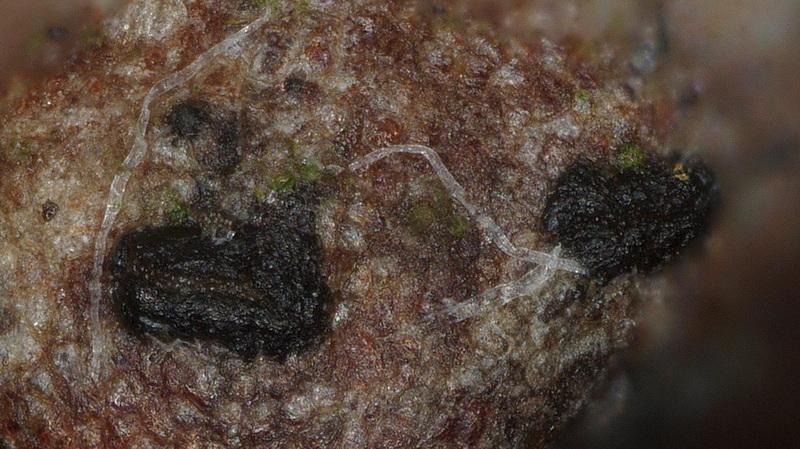
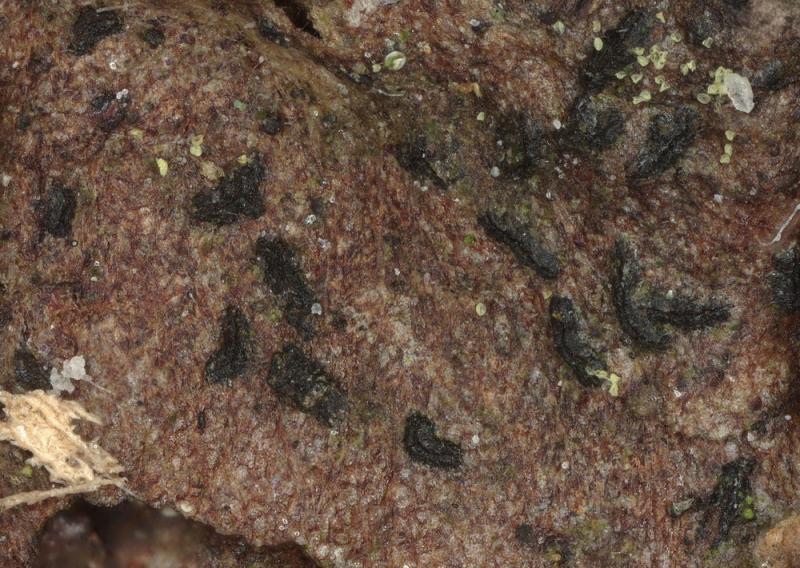
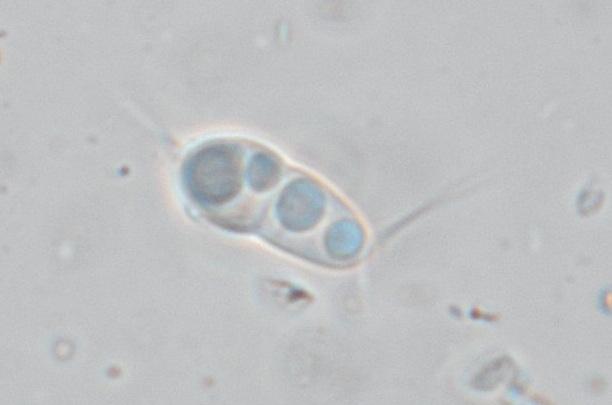
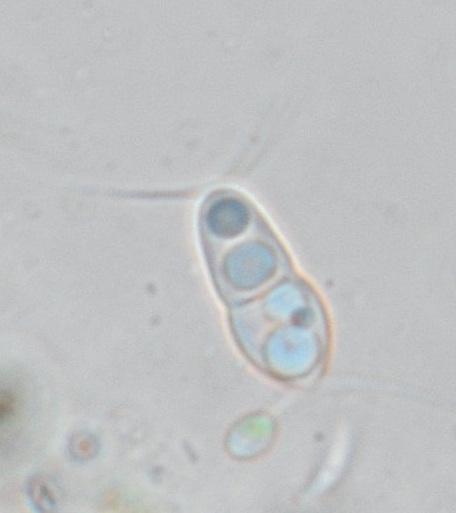
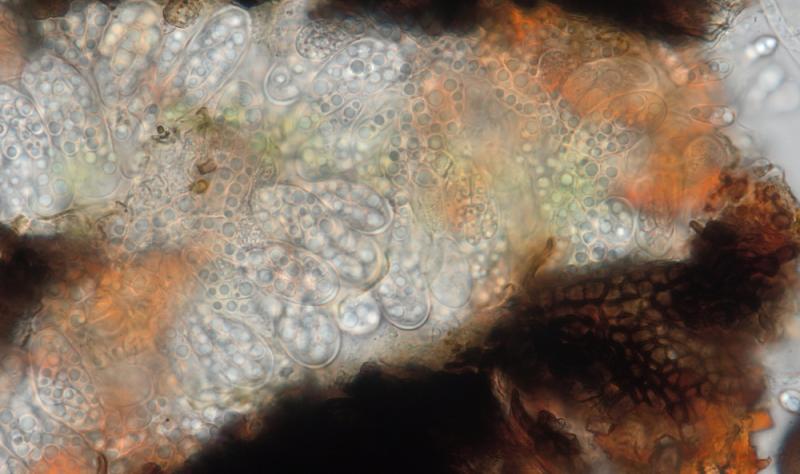
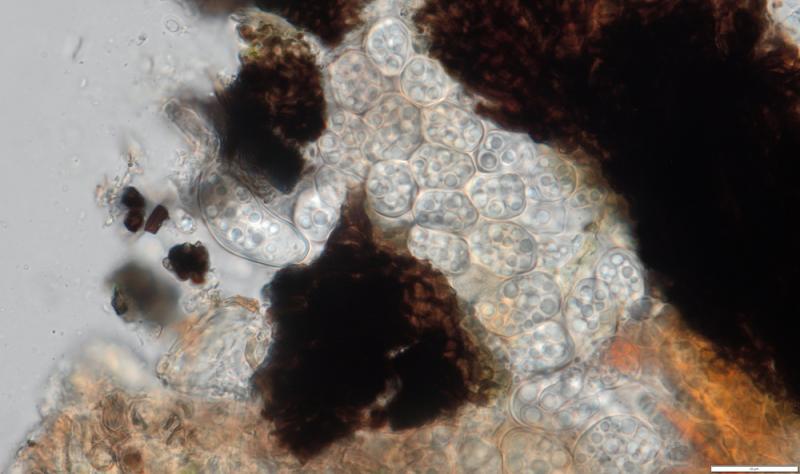
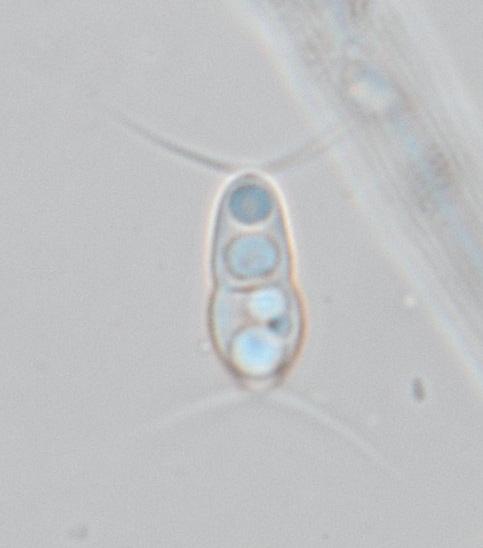
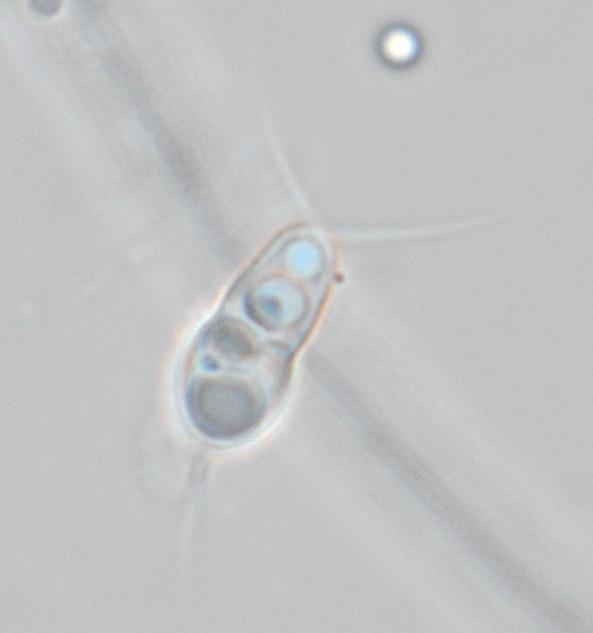
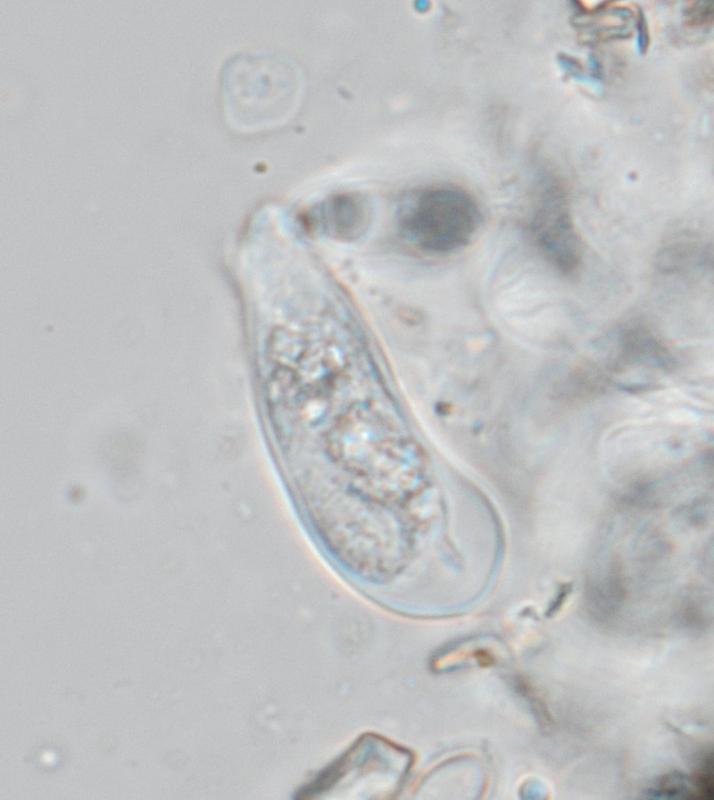
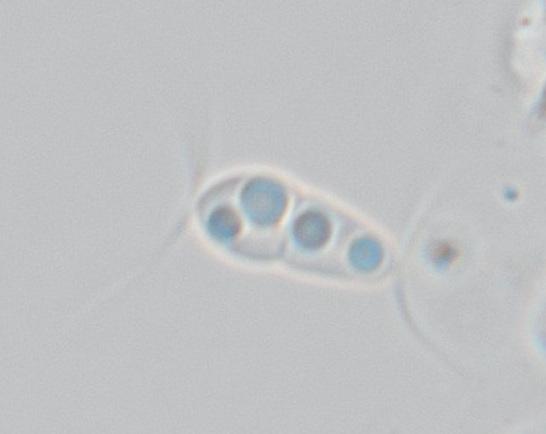
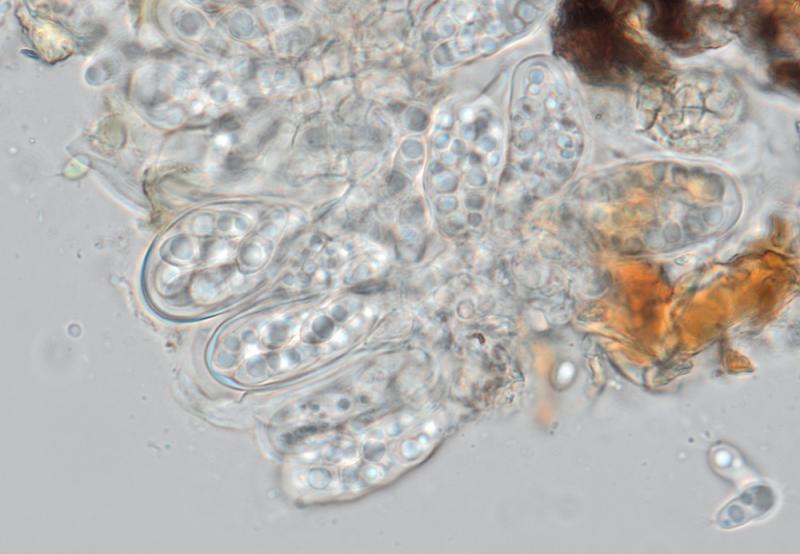
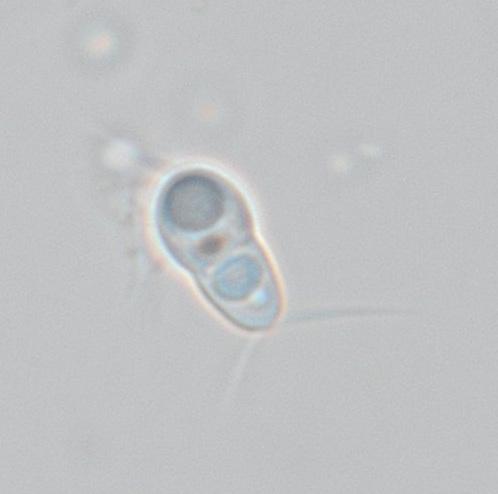
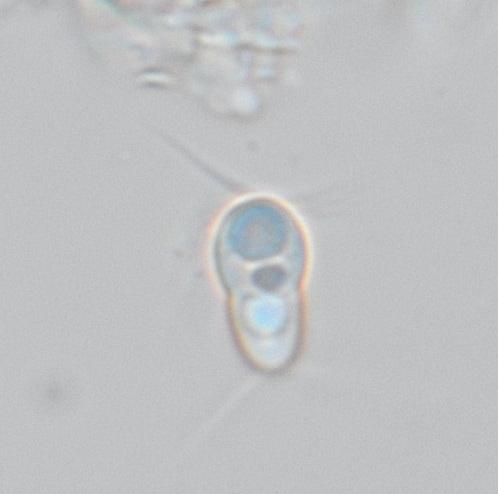
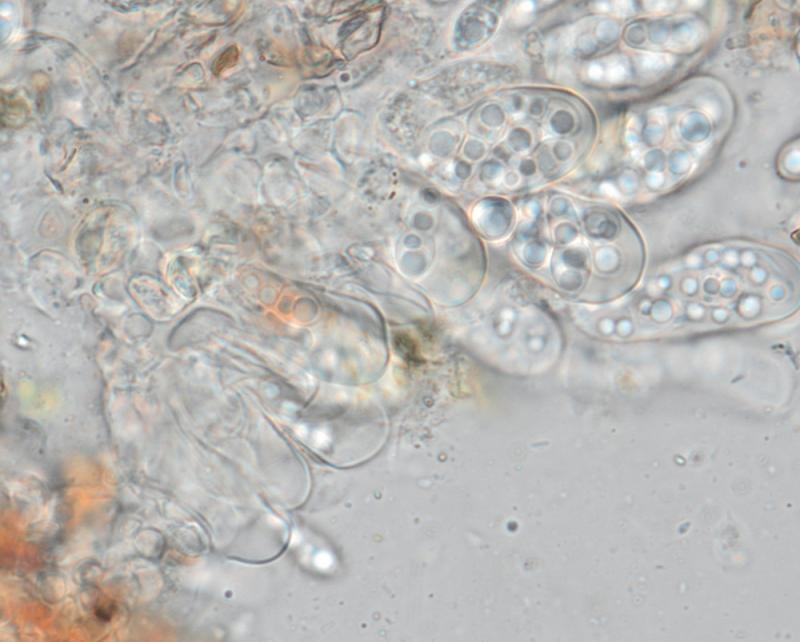
I found this one on a Picea abies branch. It looks like it might be Melaspilea bagliettoana, or at least close to it. The ascospores are < 15 µm in length. I'd appreciate your opinion on it.
Best wishes,
Gernot

Zdenek Palice,
13-05-2025 15:25

Re : Melaspilea bagliettoana?
Hallo,
have you seen/measured also (over)mature ascospores that should be getting brown. They would be expectingly longer and could direct you to Melaspile(ell)a proximella. I collected some specimens from Abies/Pinus mugo branches as well as bark of Picea that are sometimes on the lower spore limit for M. proximella but I filed them arbitrarily under M. proximella because M. bagliettoana is presented as a species of (nutrient-richer) bark of deciduous trees like Fraxinus or Populus tremula
Zdenek
Martin Bemmann,
13-05-2025 15:29

Re : Melaspilea bagliettoana?
Hi Gernot,
what else? The other species in question with spores having bipolar setae, Melaspileella proximella, has larger spores with more(?) setae: https://italic.units.it/index.php?procedure=taxonpage&num=2647
Grüße
Martin
Gernot Friebes,
13-05-2025 20:12
Re : Melaspilea bagliettoana?
Thank you, Zdenek and Martin.
I did not see any overmature ascospores.
I excluded M. proximella mostly because of the ascomata which are lirelliform hysterothecia in my material, quite different from typical M. proximella as far as I am aware.
On the other hand, I have not found any records of M. bagliettoana on coniferous wood. But maybe it does switch hosts occasionally...
Best wishes,
Gernot
I did not see any overmature ascospores.
I excluded M. proximella mostly because of the ascomata which are lirelliform hysterothecia in my material, quite different from typical M. proximella as far as I am aware.
On the other hand, I have not found any records of M. bagliettoana on coniferous wood. But maybe it does switch hosts occasionally...
Best wishes,
Gernot
Martin Bemmann,
13-05-2025 20:53
Re : Melaspilea bagliettoana?
M. bagliettoana is reported from Pinus several times in Korea: https://www.researchgate.net/publication/257840645_New_and_noteworthy_lichen-forming_and_lichenicolous_fungi_2
Gernot Friebes,
14-05-2025 12:34
Re : Melaspilea bagliettoana?
I missed that, thank you. In that case I think M. bagliettoana is a reasonable name for this collection.
Best wishes,
Gernot
Best wishes,
Gernot