
12-06-2026 14:50
 François Freléchoux
Bonjour, Voici la brève description d'une Mollis
10-06-2026 21:16
François Freléchoux
Bonsoir,Le dernier du jour, en attendant votre avi
11-06-2026 19:01
 William Slosse
Hello all,In an attempt to make a culture of a sus
11-06-2026 19:03
 Nicolas VAN VOOREN
Chers membres d'Ascofrance,Le site sera placé en

09-06-2026 18:32
Camille MertensSur morceau de roseau immergé 0,5 - 0,7 mm de dia
10-06-2026 12:54
Steve ClementsBonjour encore, Pouvez-vous m'aider, s'il vous pl
10-06-2026 21:07
François Freléchoux
Toutes les tiges de gentianes jaunes de l'an passÃ
10-06-2026 13:41
François Freléchoux
Bonjour à nouveau, Voici une trouvaille d'hier.
Unknown Pulvinula
Henri Koskinen,
11-08-2024 10:28
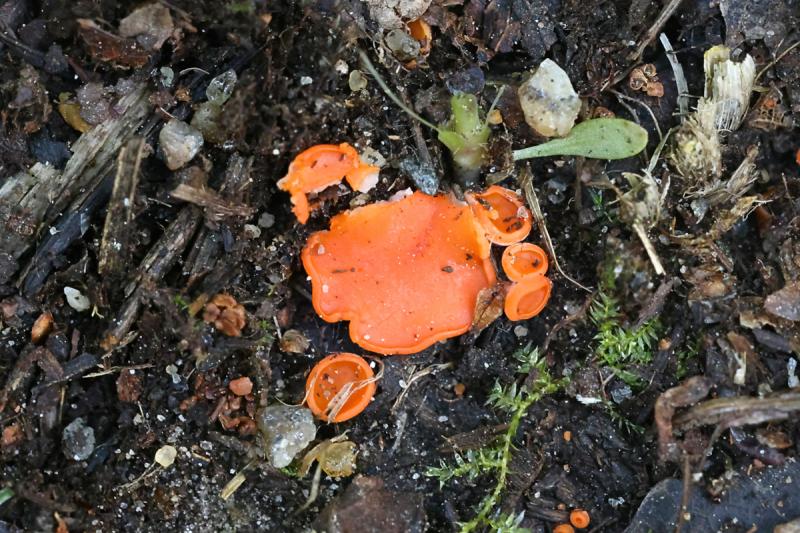
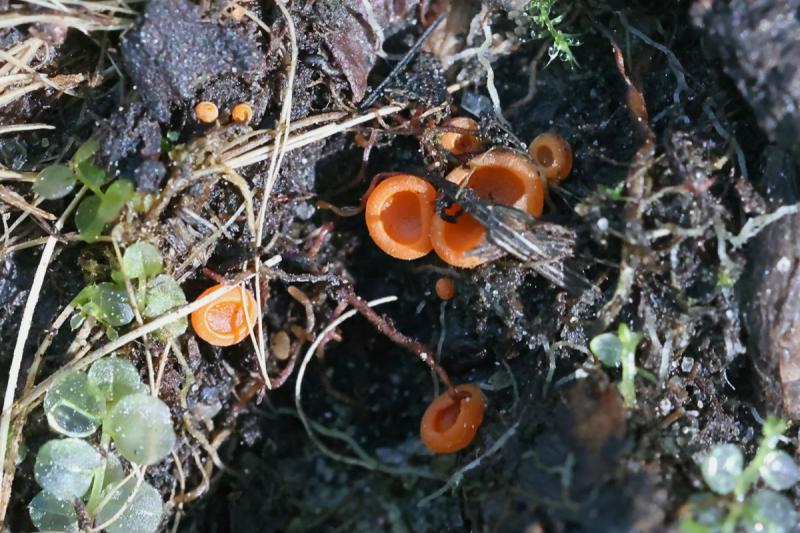
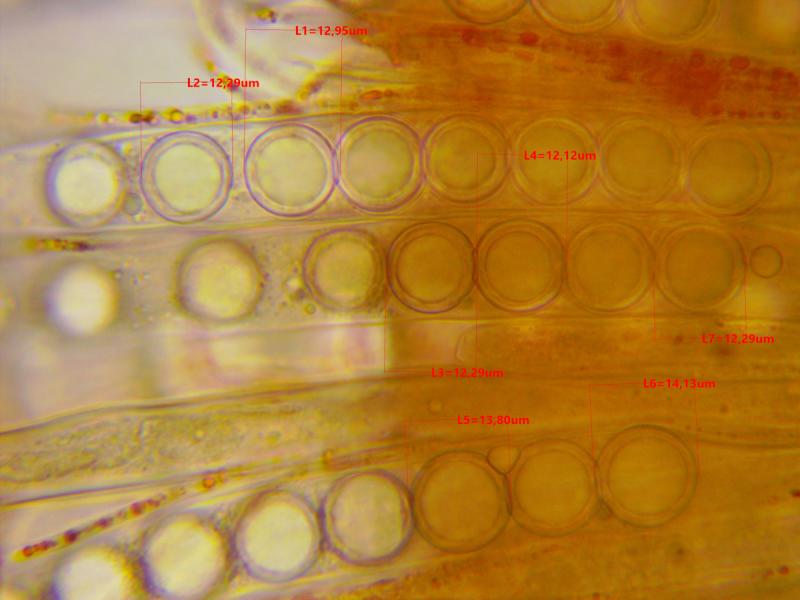
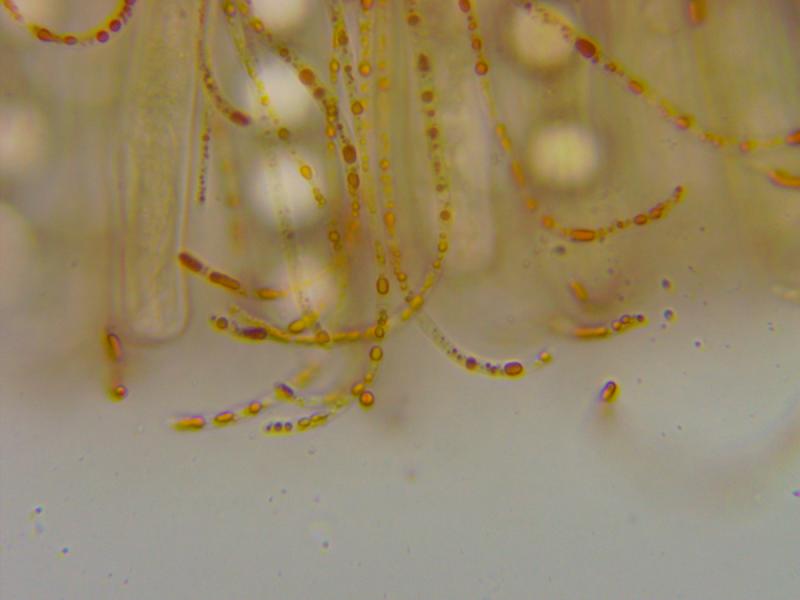
I have been reading the key from Pfister (-76) but none of the species described there seems to fit. Any opinions? Thanks.
Josep Torres,
13-08-2024 14:24

Re : Unknown Pulvinula
Hola Henri.
En la primera imágen me parece ver restos de quemado, porqué has descartado la Pulvinula carbonaria?.
Saludos.
En la primera imágen me parece ver restos de quemado, porqué has descartado la Pulvinula carbonaria?.
Saludos.
Henri Koskinen,
14-08-2024 07:44
Re : Unknown Pulvinula
Thanks Josep. Pulvinula carbonaria is best fit following Pfister's key. I wonder if presence of coal is necessary as I didn't see any sign of coal in situ. There is also a previous collection of Pulvinula from the same spot (2014, identified as Pulvinula constellatio) with no mention of coal. The spot is grassy road-side of a sandy country road next to a limestone quarry, not a probable place for camp fire.
Henri
Henri