
12-11-2019 10:32
 Miguel Ángel Ribes
Hi againExactly at the same place than my previous
25-12-2019 17:54
Valencia Lopez Francisco JavierHola a todos/asEstas supuestas pezizas estaban en
28-07-2011 18:31
 Alex Akulov
Dear FriendsToday I made the pdf file of Velenovsk
12-07-2015 00:05
 Nedim Jukic
This one from the same locality as the previous on


30-05-2026 21:12
Philippe PELLICIERSur branche de mélèze (Larix) près de la neige,
31-05-2026 10:35
Hulda Caroline HolteHello,I collected this species growing on a rather
25-05-2026 16:35
 Bernard CLESSE
Bonjour à toutes et tous,J'ai trouvé récemment,
29-05-2026 15:35
daniel FERREBonjour à tous,Je voudrais votre aide pour cette
Hyaloscypha cf
Petra Eimann,
03-08-2022 12:22
 Hello everyone,
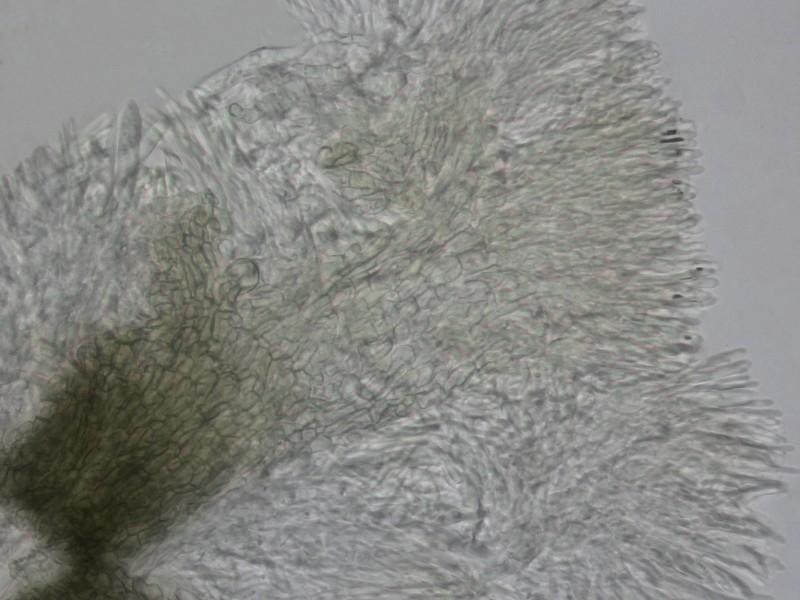
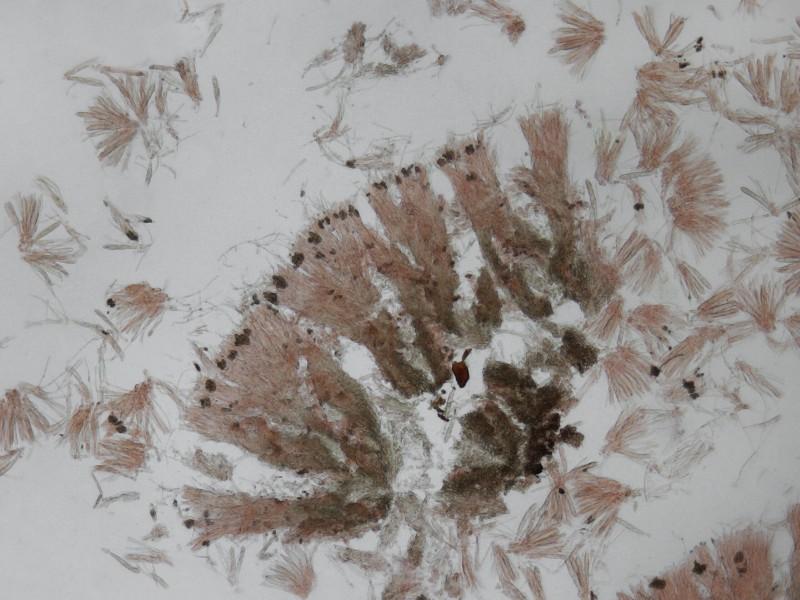
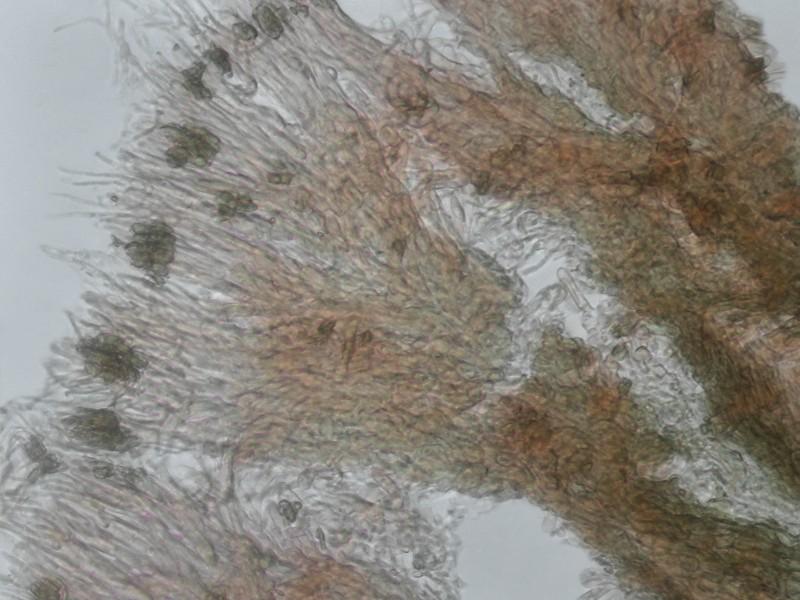
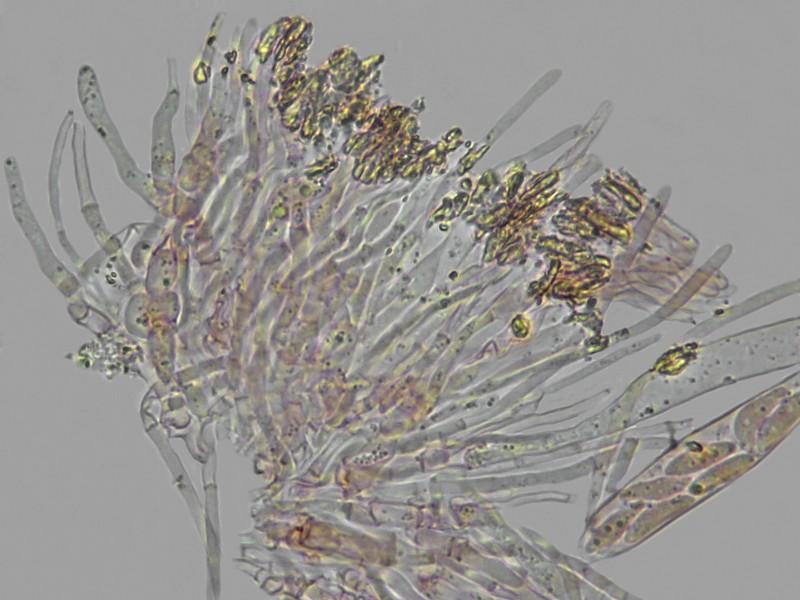
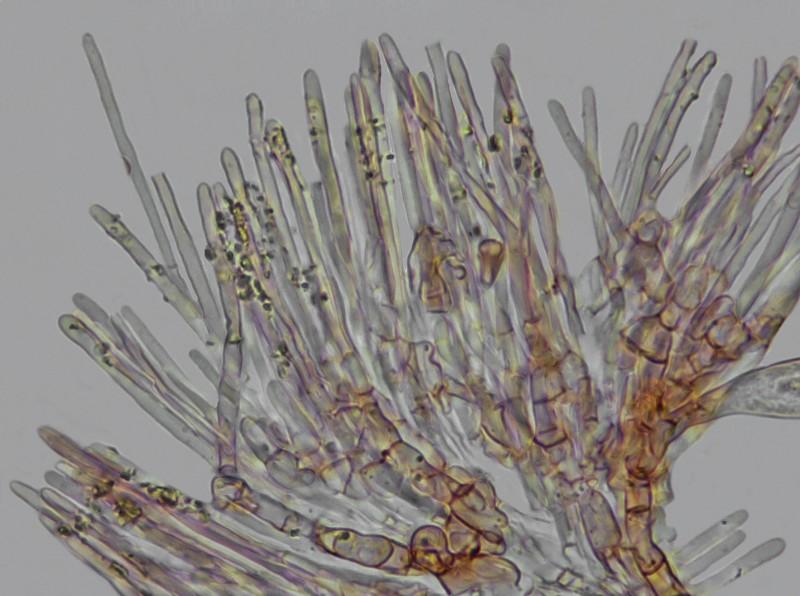
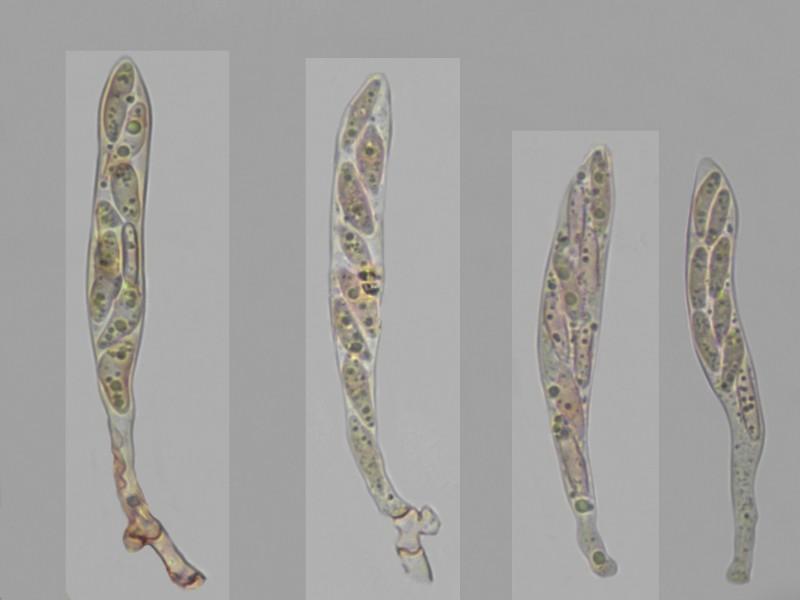
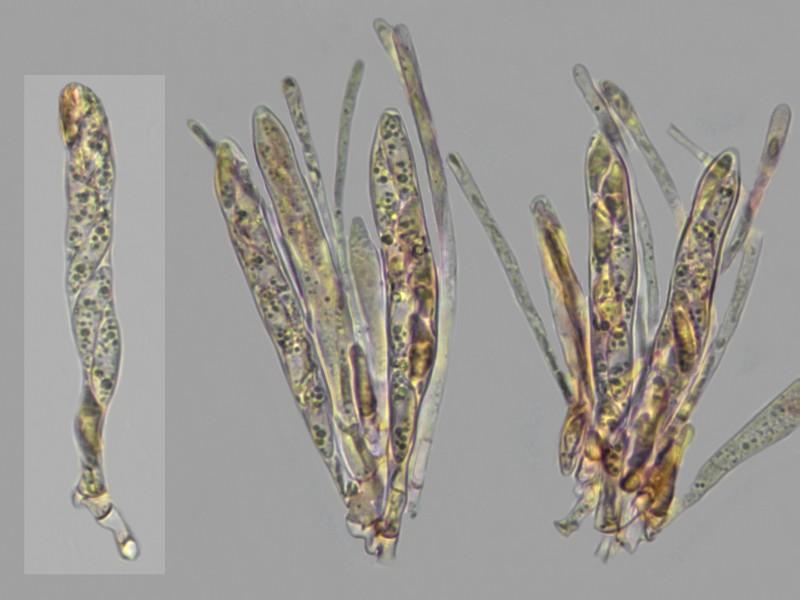
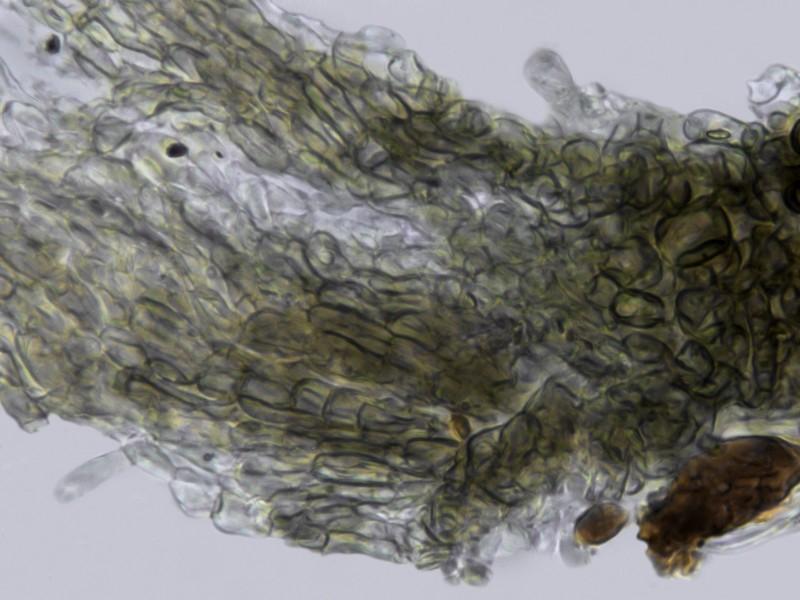
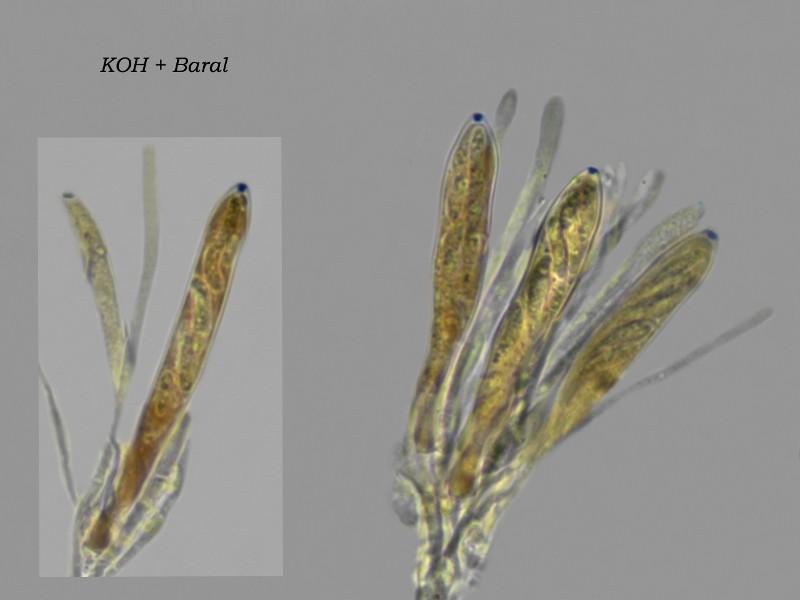
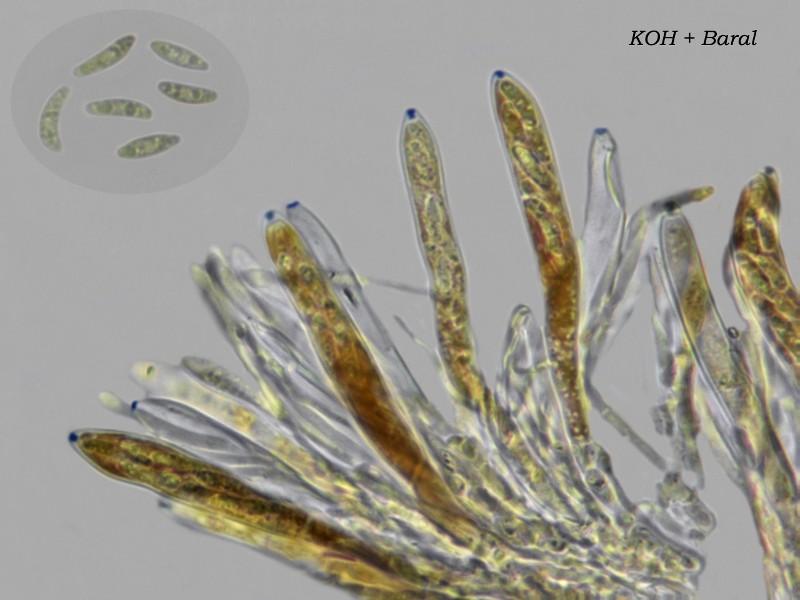
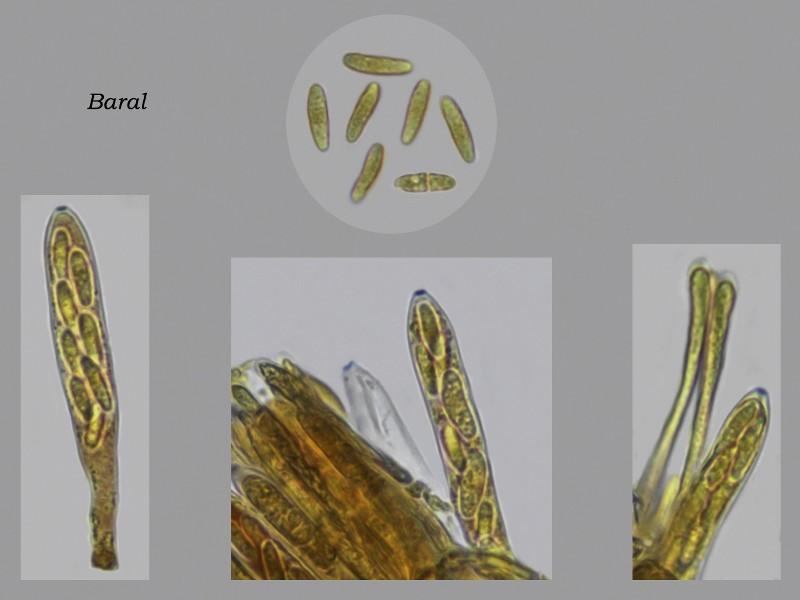
I am literally stumped by this find. I hope that I can get help here to identify it. The find is from 19.03.2022, found on bark (spruce?) Preparation in KOH slightly yellowish discoloured, spore size on average 11.05 x 3.72 / Q=2.99, hook+ IKI+ I suspect that it is a Hyaloscypha, but cannot find a suitable species.
LG Petra
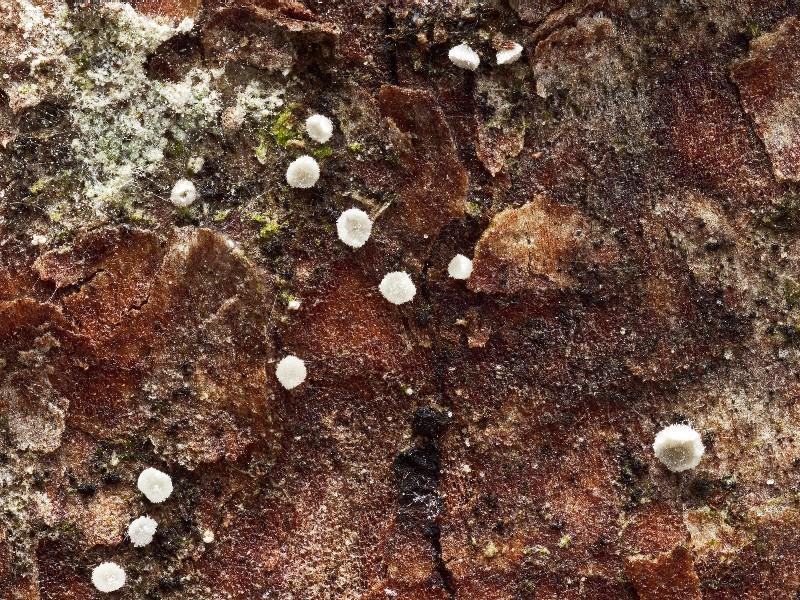
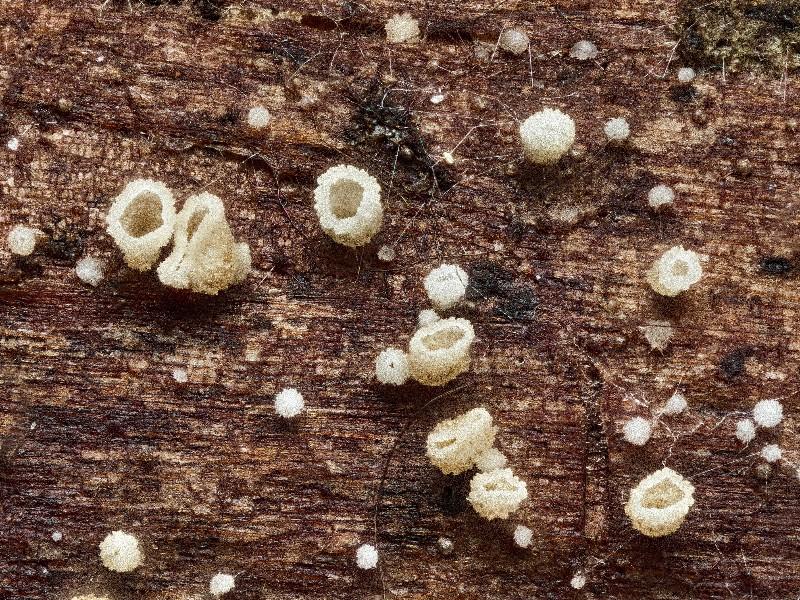
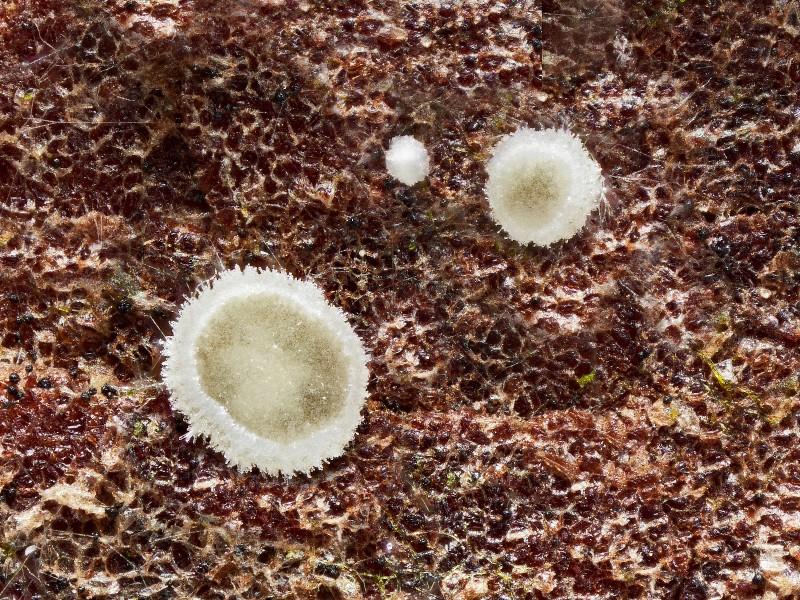
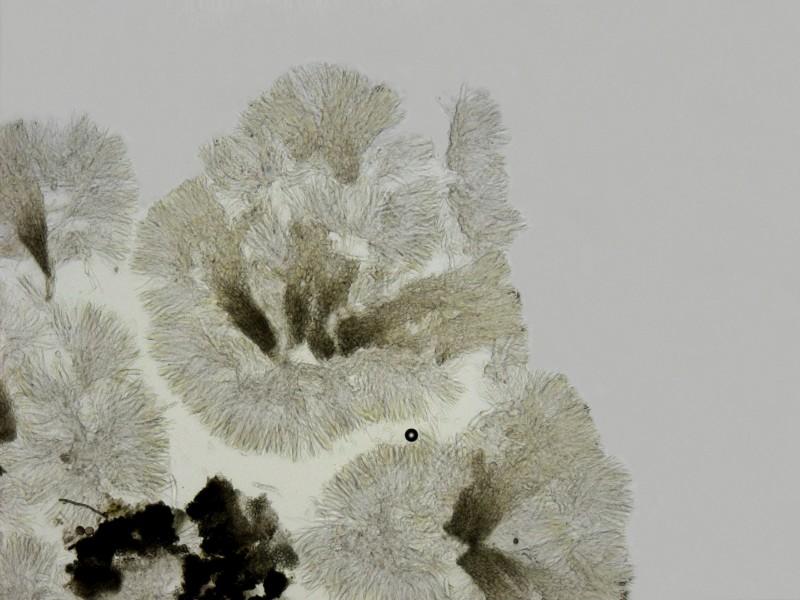
Kosonen Timo,
04-08-2022 08:12

Re : Hyaloscypha cf
Hi,
Did you observe any amyloid "nodules" in the excipulum? Similar as in Eupezizella aureliella. Your collection appears to have yellow exudate around the hairs. You could compare to Eupezizella britannica.
And once on it, you could also compare to Resinoscypha variepilosa (previously Protounguicularia/Arachnopeziza). Or to Mimicoscypha (lacrimiformis?). These are often on conifers as well. Especially R. variepilosa.
The hairs remind me of Resinoscypha, but the very dark basal excipulum I dont recall. Yes, Hyaloscyphaceae, but indeed not a Hyaloscypha!
bw
Timo
Hans-Otto Baral,
04-08-2022 10:07

Re : Hyaloscypha cf
Difficult for me to say with this docu of dead material.
I am reminded of Psilocistella quercina, what about this?
Quijada et al. 2014 Psilocistella quercina AscomyceteOrg 06-05 143-146
But I wonder about the greybrown basal excipulum
Petra Eimann,
04-08-2022 12:05
Re : Hyaloscypha cf
Hi,
thank you very much for the advice. There are no amyloid "nodules" in the excipulum.
The fruiting bodies are on the bark of freshly cut spruce. They have developed after a few weeks in a damp chamber. Maybe some characteristics are different from "normally" grown fruiting bodies. I will study all the clues and hope to come to a conclusion. Thank you again.
LG Petra
thank you very much for the advice. There are no amyloid "nodules" in the excipulum.
The fruiting bodies are on the bark of freshly cut spruce. They have developed after a few weeks in a damp chamber. Maybe some characteristics are different from "normally" grown fruiting bodies. I will study all the clues and hope to come to a conclusion. Thank you again.
LG Petra