
19-04-2026 21:23
Steve ClementsBonjour, I found this anamorphic fungus on old pl
19-04-2026 20:46
Steve Clements1 mm diameter approx spherical conidiophores on pl
12-04-2026 17:56
 Hardware Tony
Found on dead stems in February earlier this year
17-04-2026 19:16
 Enrique Rubio
Hi to everybodyI would appreciate any assistance r
14-04-2026 05:32
Ethan CrensonHi all, A few weeks back a friend pointed out som
17-04-2026 15:14
 Bruno Coué
Bonjour.Récoltes du 16/04/2026, sur feuilles mort
12-04-2026 15:52
Gernot FriebesHi,I'm looking for help with this anamorph collect
14-04-2026 21:52
Gernot FriebesHi,found on dead leaves of Carex elata. Conidia: 4
16-04-2026 22:09
Buckwheat PeteHello, I'd like to ask about this older specimen:
15-04-2026 19:33
Fátima Durán ManzanequeHi!! I need help, I found this Ascomycete but I d
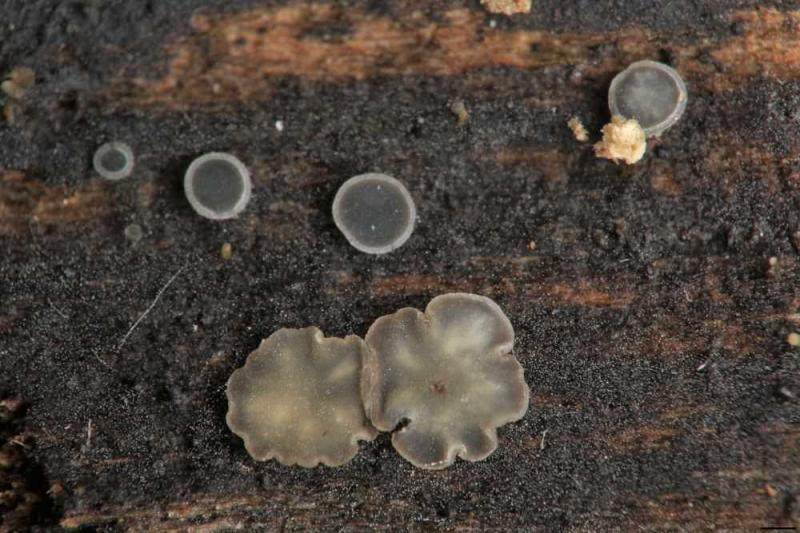
 Mollisia
Hello,
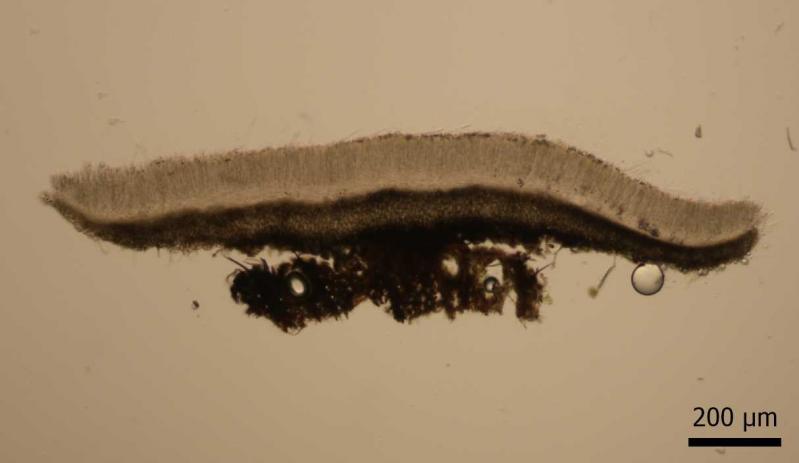
please, how would you determine this Mollisia?
- on deciduous wood (Salix and Alnus are the most common trees in the locality)
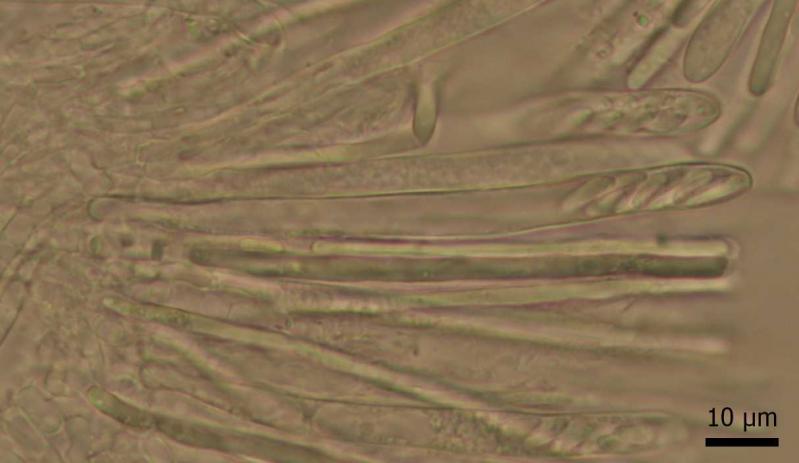
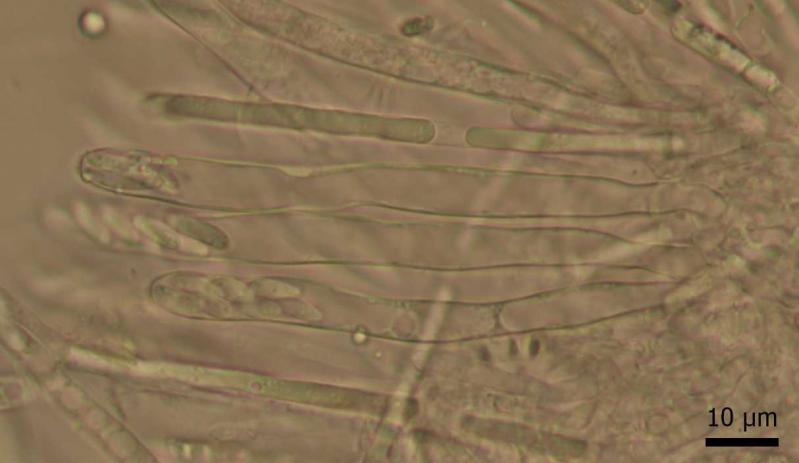
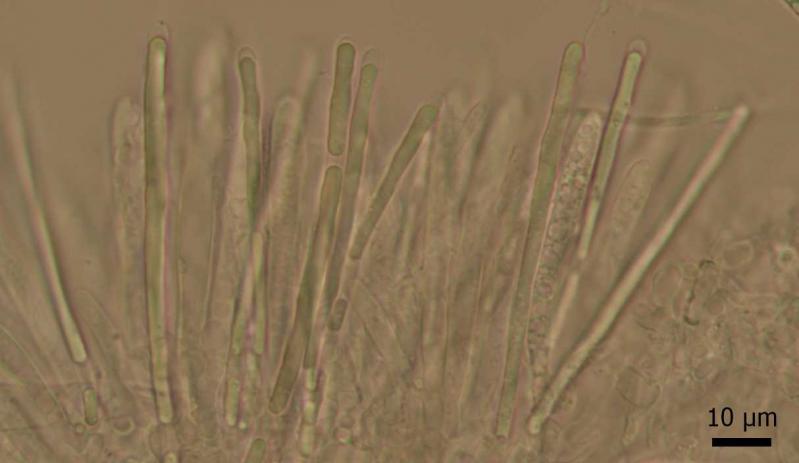
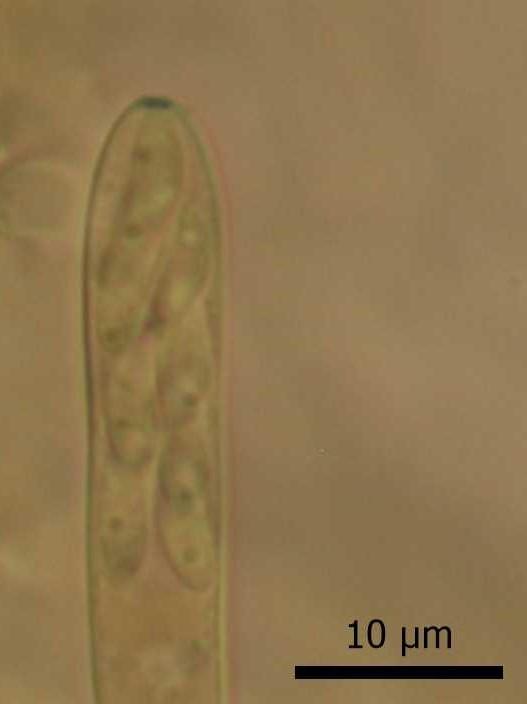
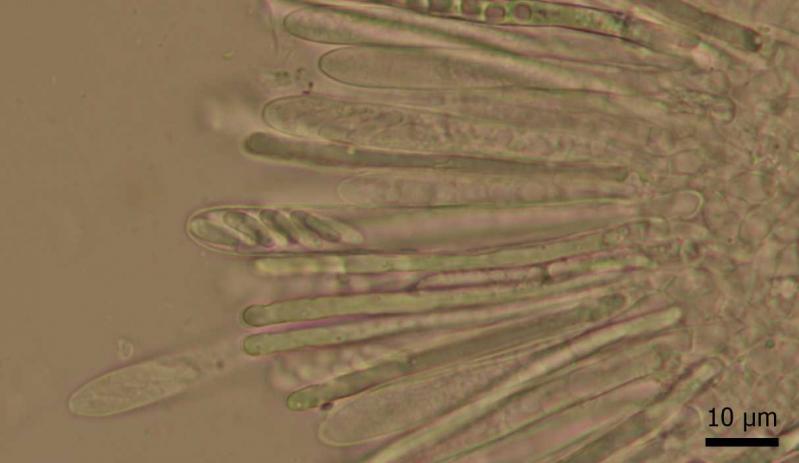
- asci IKI bb, 8-spored, arising from croziers, 71-92 x 6-7.6 µm
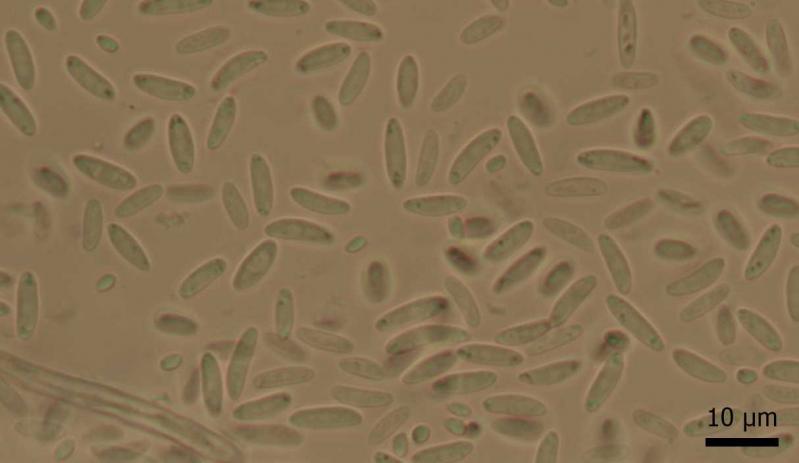
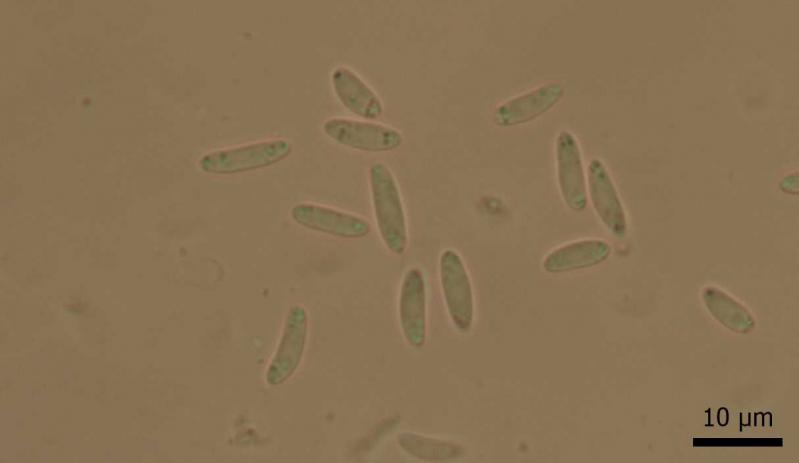
- ascospores (7.3)8.4–10.1(10.9) × (2.3)2.5–2.9(3.1) µm, Q = (2.6)3–3.6 (4), Me = 9.1 × 2.7 µm; Qe = 3.3
- aseptate, OCI = 1-1.5
- KOH reaction negative
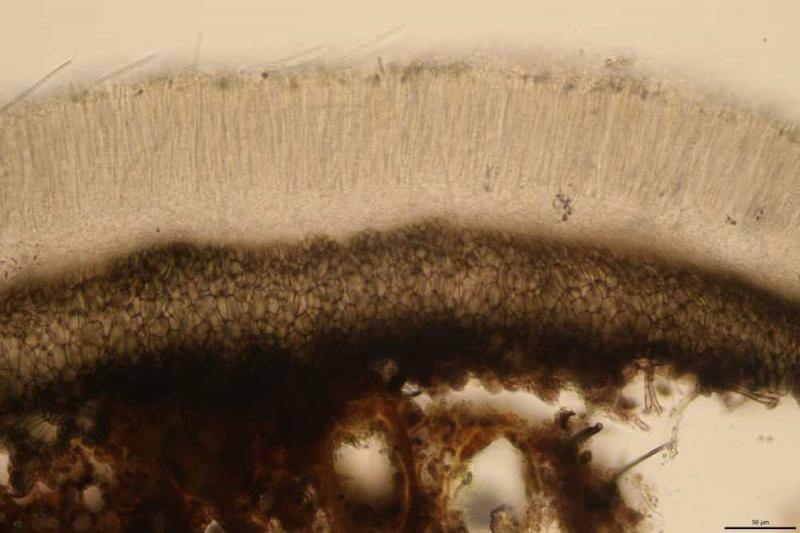
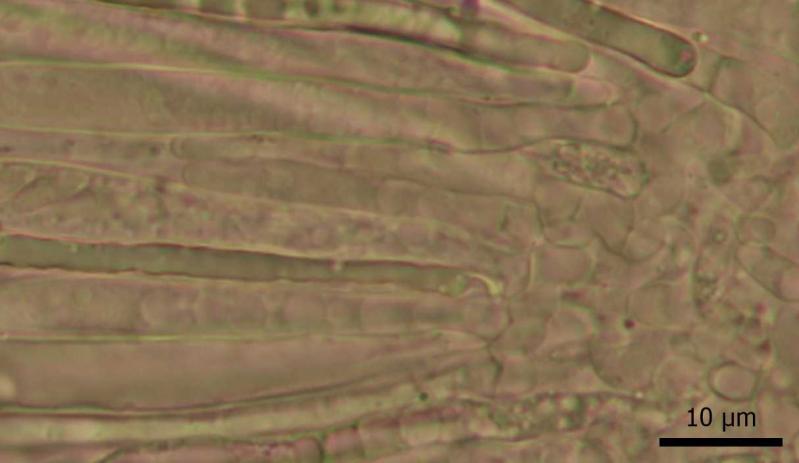
- subhymenium consisting of hyaline hyphae
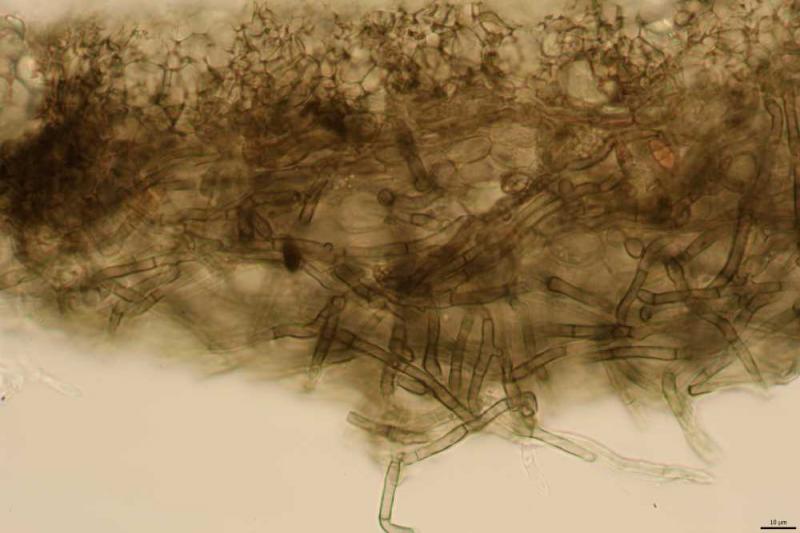
- marginal cells about 15-20 µm long
In the key by Andreas Gminder, my first problem appears at the point 25. Cells of the ectal excipulum are not brown only at the base, but also not "up to the margin" - the most marginal cells are hyaline.
If chosing „brownish only at the base", the best fitting is M. benesuada.
If chosing „brownish up to the margin", I cannot decide again whether to choose „oil content 0(+)" or „oil content ca 2" (I would say my specimen has oil content between 1 and 1.5). If following OCl = 0, the best choice is M. cinerea. But the spores in my fungus definitely aren´t missing oil...
If jumping on „oil content 2", I cannot choose anything which would fit well.
Thanks, Zuzana
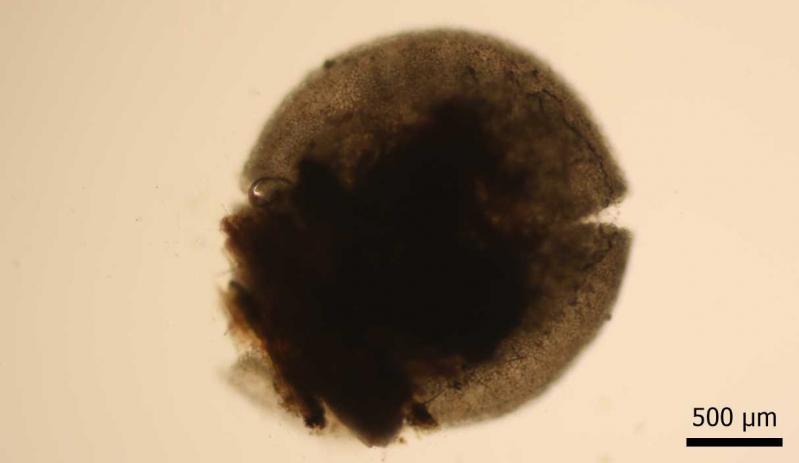
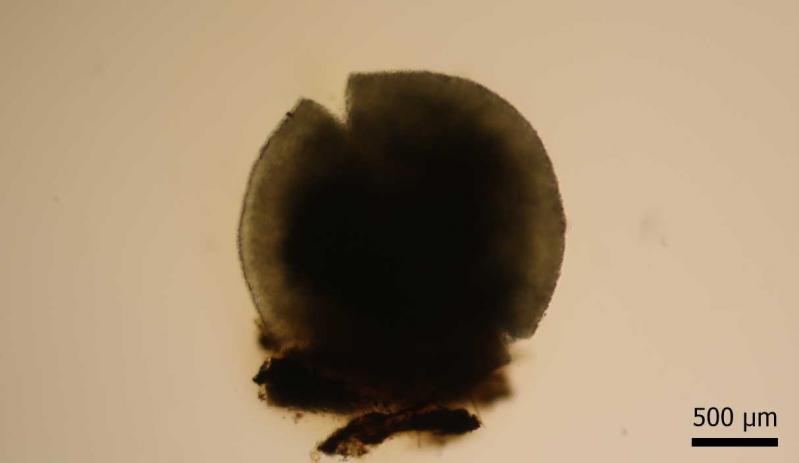
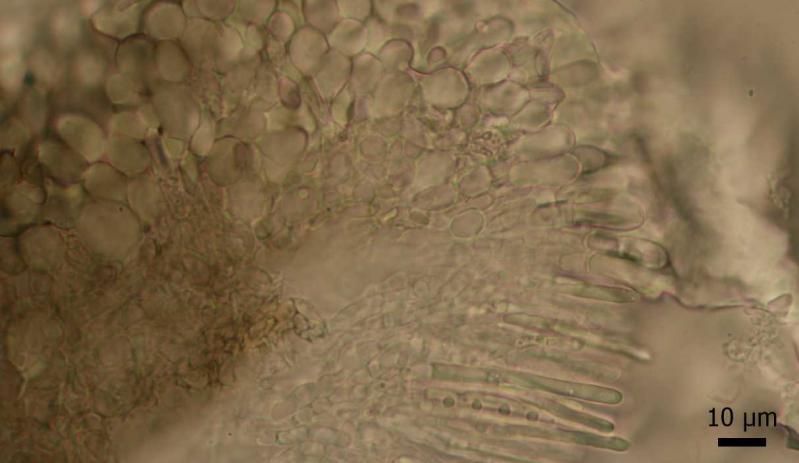

thank you for your answer.
The excipulum had a green tinge after applying 5% KOH (the green colour is mentioned in the key in M. olivaceocinerea with NH4OH).
Best, Zuzana