
28-04-2026 20:07
 Lothar Krieglsteiner
... on twig in the air at standing Ceratonia siliq
27-04-2026 20:52
Lothar Krieglsteiner
Found on hanging tiwg of Olea europaea in dried-ou
27-04-2026 18:48
Tony MoverleyCollected 23rd April 2026, Norfolk, EnglandSwarms
27-04-2026 17:41
Lothar Krieglsteiner
.. Algarve, same leaf than the last post. The con
27-04-2026 18:05
Lothar Krieglsteiner
... still attached at standing tree. The green con
27-04-2026 17:16
Lothar Krieglsteiner
.. Algarve, moist lying.The conidiomata look like
27-04-2026 12:54
Steve ClementsBonjour. Ce petit champignon blanc résupiné et
27-04-2026 09:59
Pauline. PennaBonjour Can anyone advise me on these pycnidia fo

22-04-2026 20:54
 Enrique Rubio
Hi to everybody.This Pyrenopeziza grew in moist le
Eutypa ?
Petra Eimann,
29-12-2019 15:54
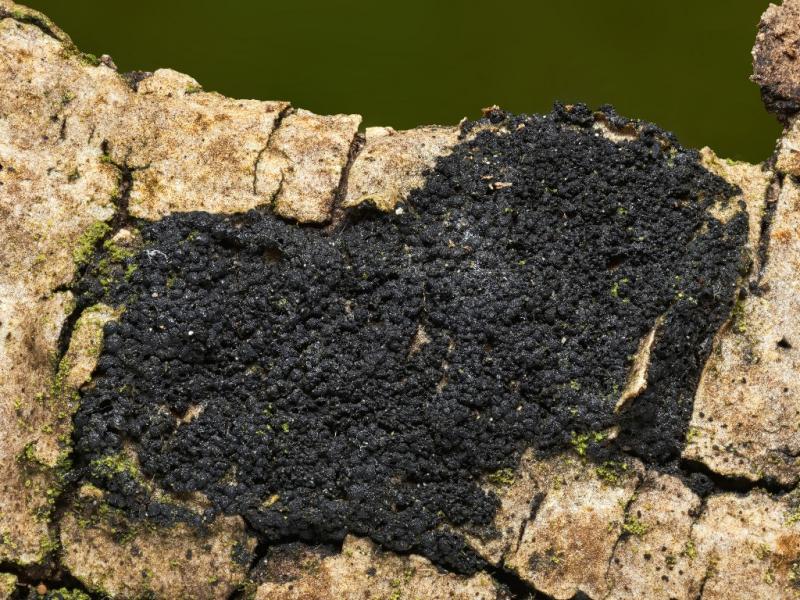
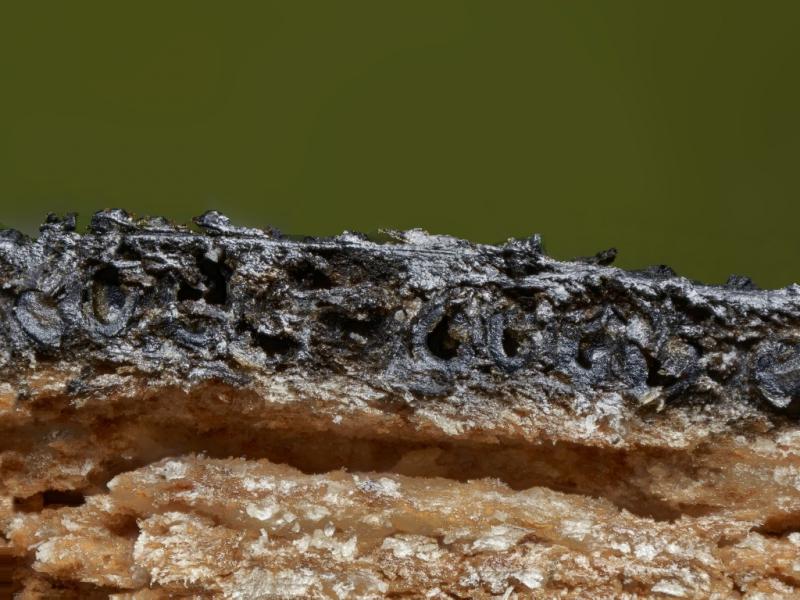
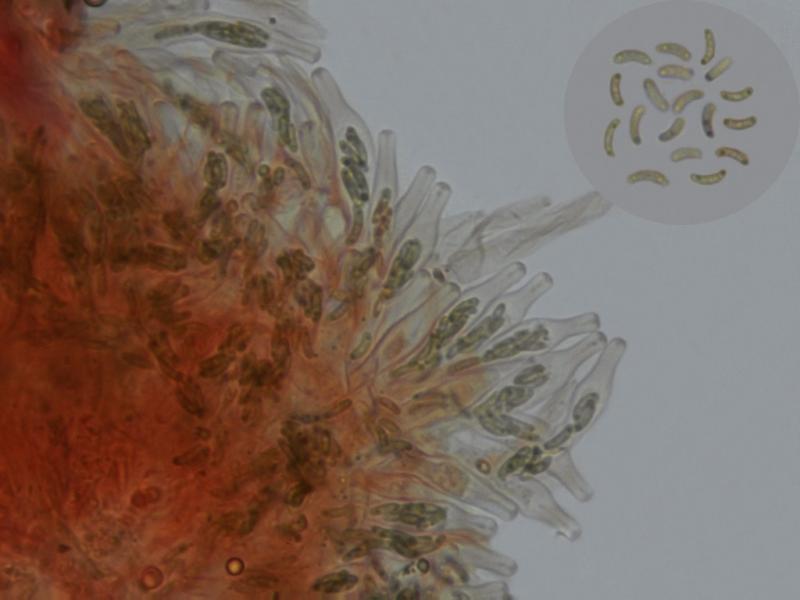
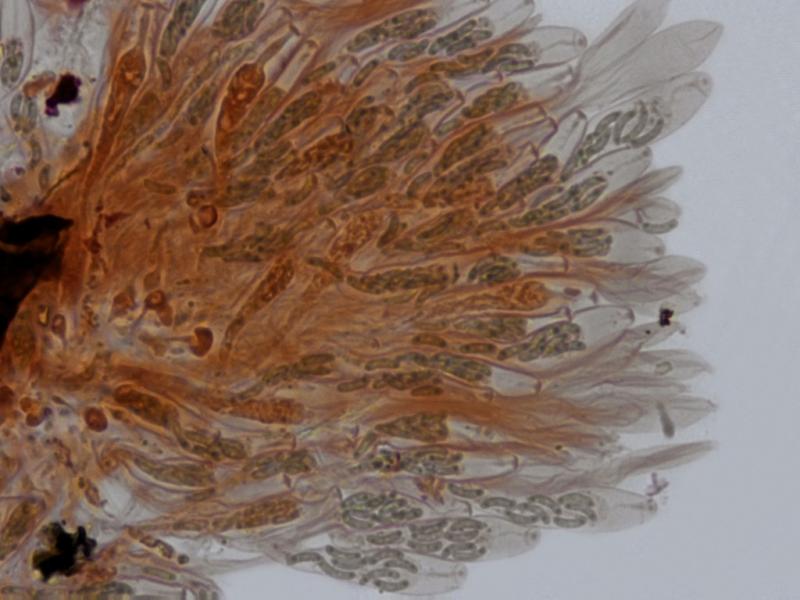
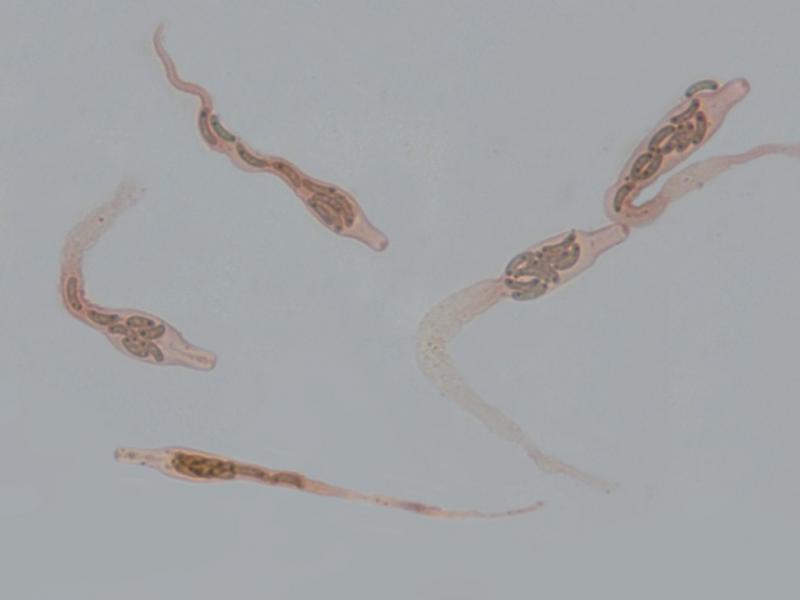
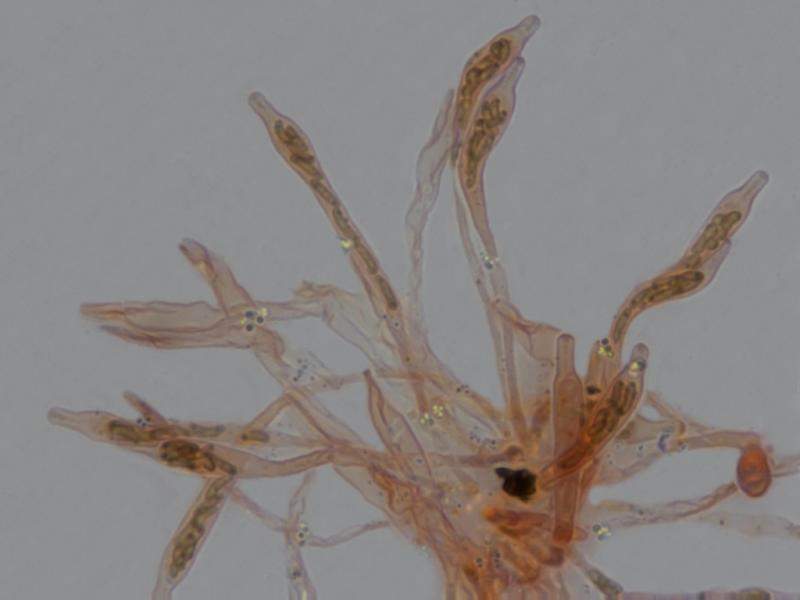
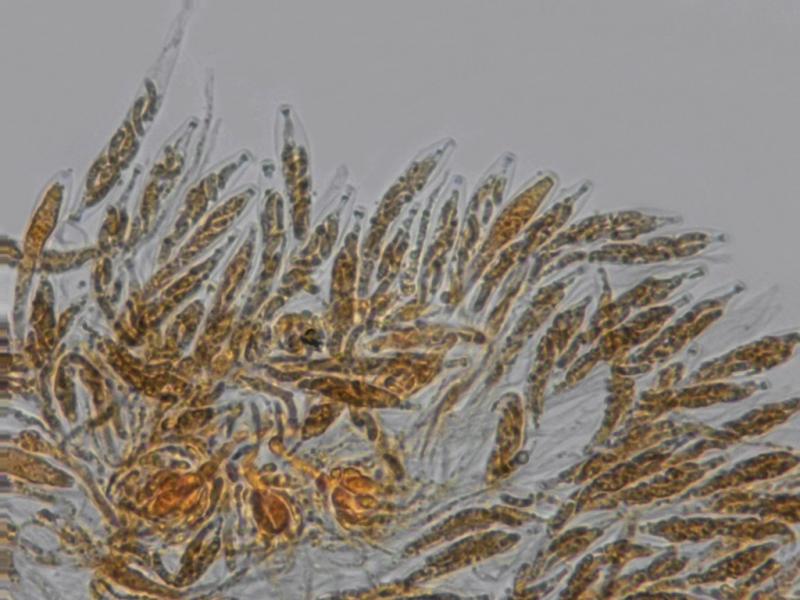
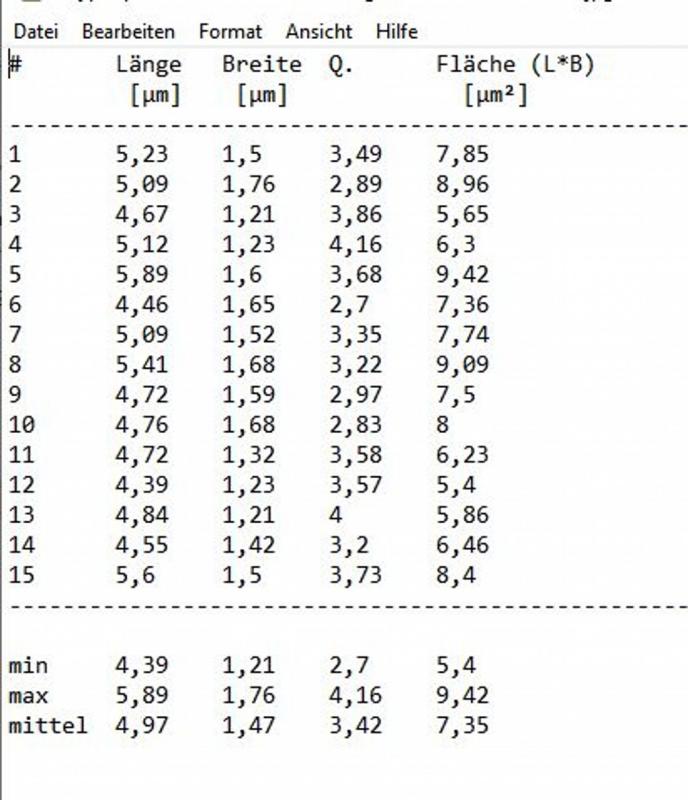
 Hello together, need help. Found 21.12.2019 in a mixed deciduous forest. Growing place was a branch of Sambucus nigra. We think it might be a Eutypa but not sure. Average spore size 4.97 x 1.47 Q=3.42, IKI Reaction not sure, if then little. Any ideas what it might be?
Jacques Fournier,
29-12-2019 18:28

Re : Eutypa ?
Dear Petra,
the identification of Diatrypaceae is most often challenging and requires the accurate observation of several characters, not only ascospores.
A common species on Sambucus is Peroneutypa scoparia, and ascospore dimensions fit fairly well. However the ascus shape on your photos is not typical for this species.
You need information on the ostioles and stromatal configuration. For the latter purpose a vertical section as you did would hav been much more informative if you had used a sharp razor blade. It is important to assess whether ascomata are widespread in a common stroma with separately emergent ostioles (Eutypa or Diatrype) or in small groups with convergent ostioles (Eutypella or Peroneutypa)
The apical ring of P. scoparia is relatively conspicuous for the genus and must be observed in Melzer's reagent after a 15 s pre-treatment in 3% KOH.
If you encounter problems with the vocabulary and the delimitation of genera, I suggest you to consult Rappaz' article (1987).-Taxonomie et nomenclature des Diatrypacées à asques octosporés. Mycologia Helvetica vol 2, n° 3, p. 285-648.
Good luck,
Jacques
Petra Eimann,
30-12-2019 00:22
Re : Eutypa ?
thank you very much Jacques, we will try again. Petra