28-04-2026 20:07
 Lothar Krieglsteiner
... on twig in the air at standing Ceratonia siliq
14-04-2026 05:32
Ethan CrensonHi all, A few weeks back a friend pointed out som
28-04-2026 20:33
Vitus SchäfftleinHello, I found Trochila ilicina on Ilex aquifoliu

30-04-2026 10:28
Rot BojanHello, by appearance I would say that I am dealing
27-04-2026 18:48
Tony MoverleyCollected 23rd April 2026, Norfolk, EnglandSwarms
27-04-2026 20:52
Lothar Krieglsteiner
Found on hanging tiwg of Olea europaea in dried-ou
28-04-2026 22:51
 Bernard CLESSE
Bonsoir à toutes et tous,Pourriez-vous m'aider à
29-04-2026 08:01
Lothar Krieglsteiner
... on twig attached to small tree of Citrus auran
29-04-2026 10:44
Lothar Krieglsteiner
growing at moist, drying-out soil at the side of a
we need your help with this curious ascomycete on twigs of Magnolia. Here are a few key characters:
-) Ascomata glabrous, non-stromatic, sitting rather loosely on/between conidiophores of a hyphomycete (asexual morph of the same species?)
-) Asci apparently bitunicate, reaction strongly to IKI, maybe with a slight amyloid reaction of the (inner?) wall
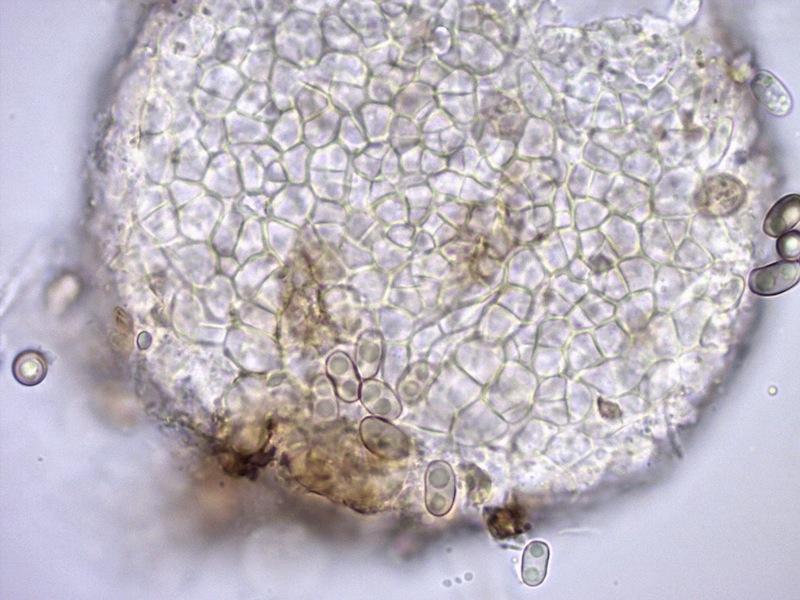
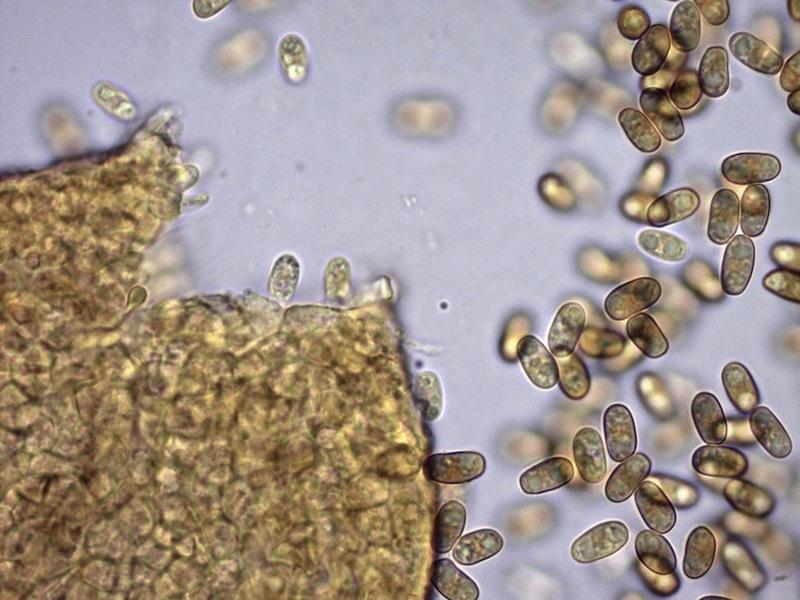
-) Ascospores faintly striate, 12.5-14 x 4.3-5.2 µm
Thanks for any ideas!
Best wishes,
Gernot
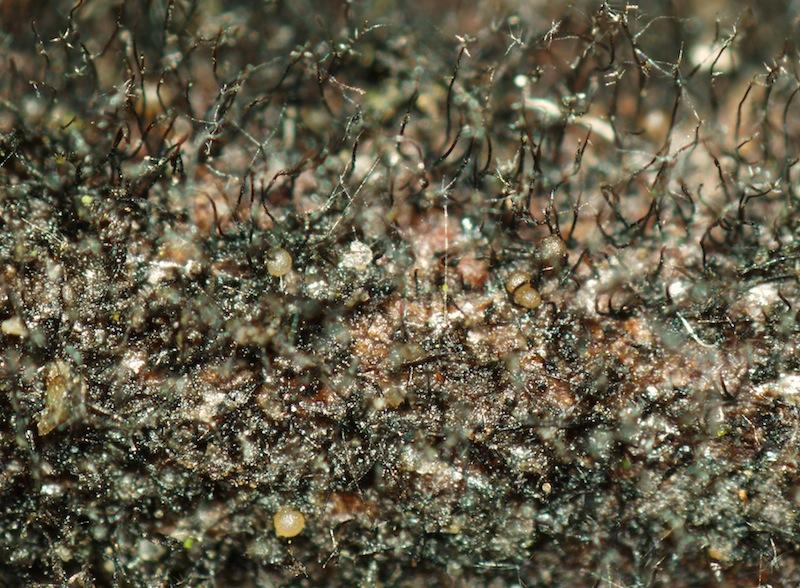
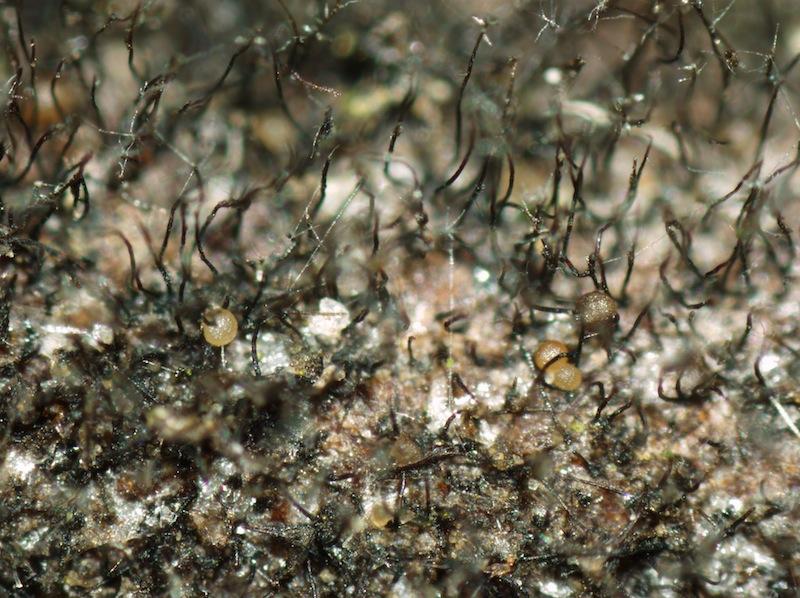
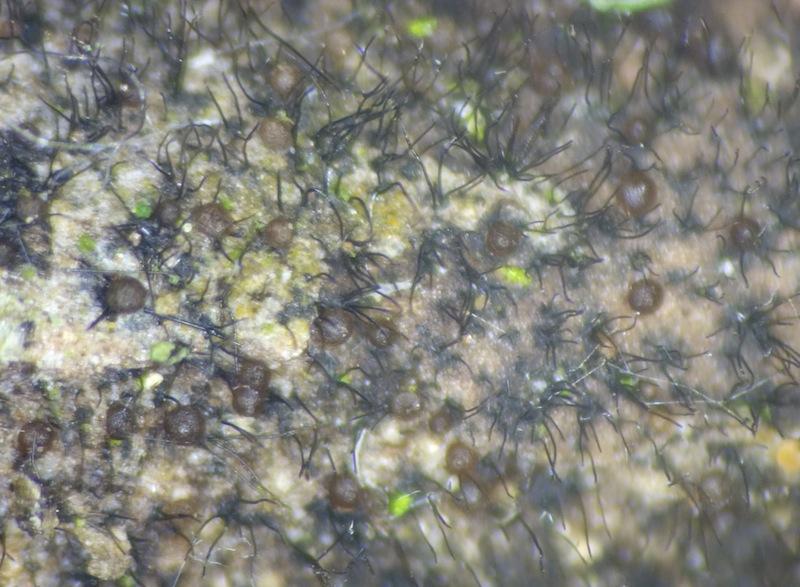
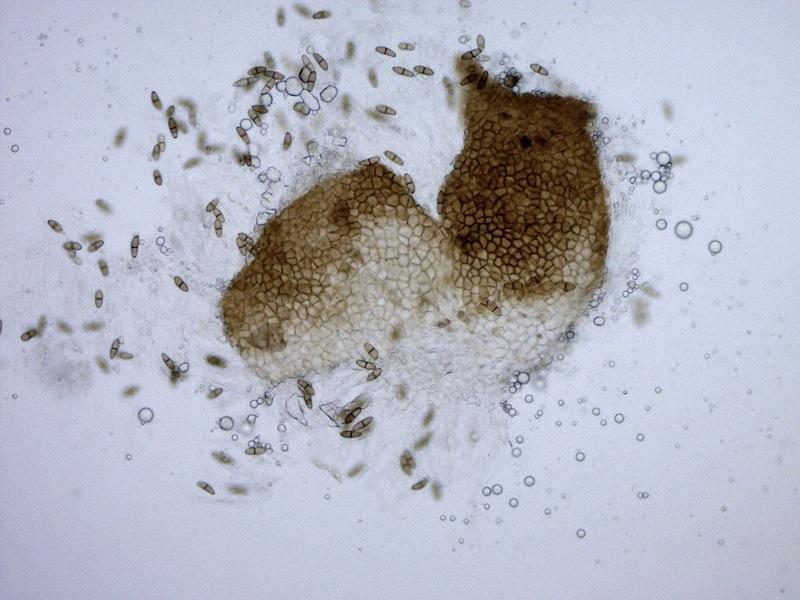
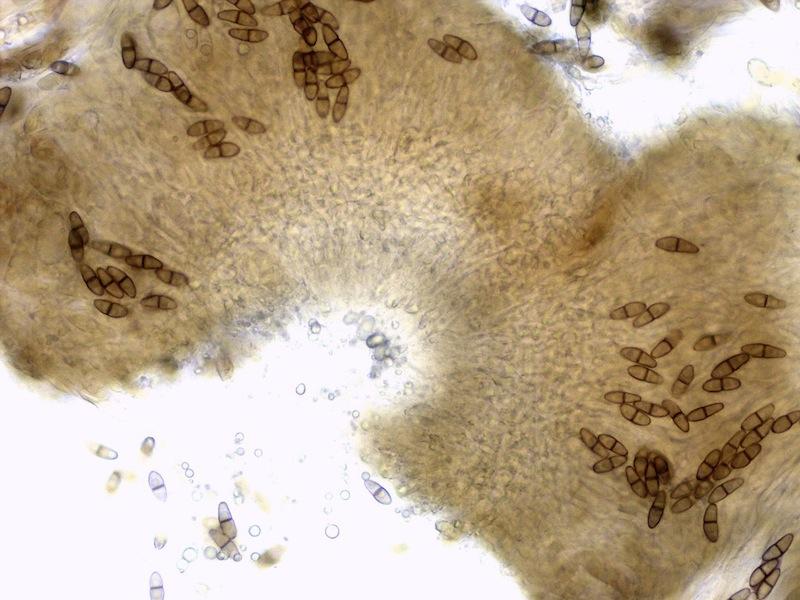

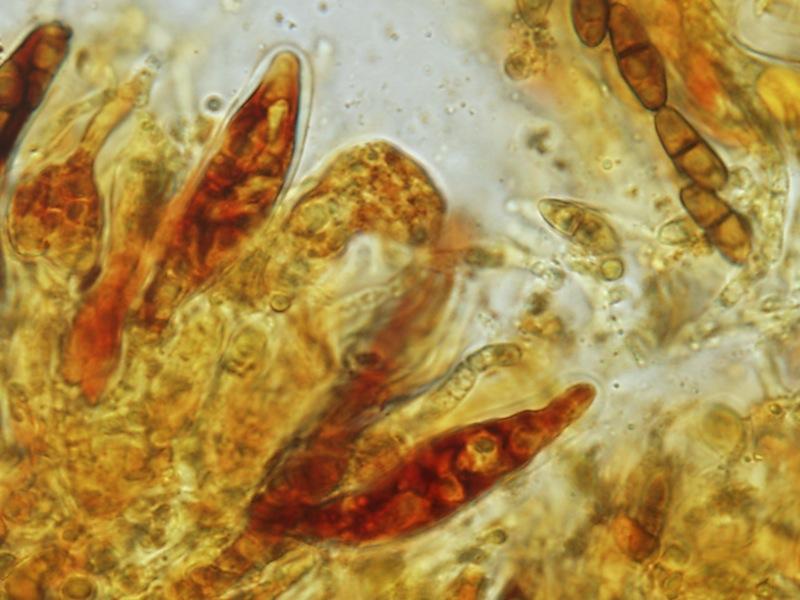
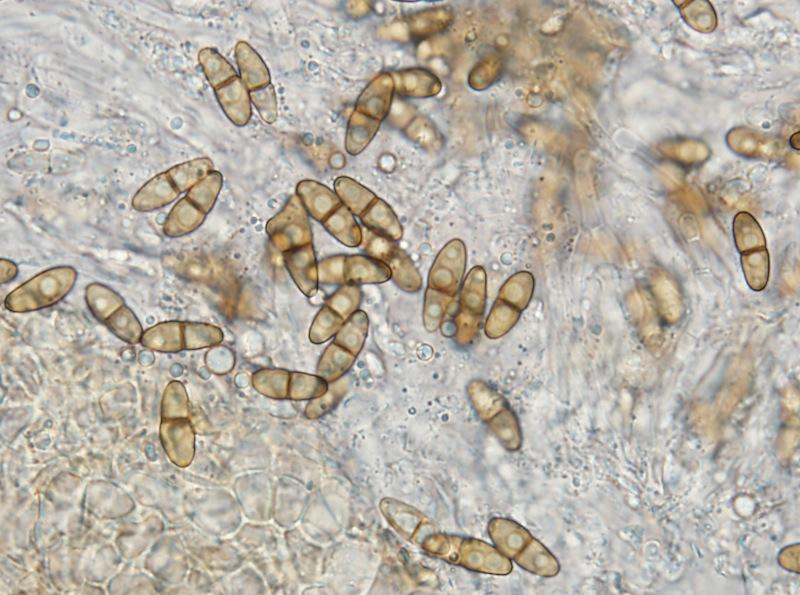
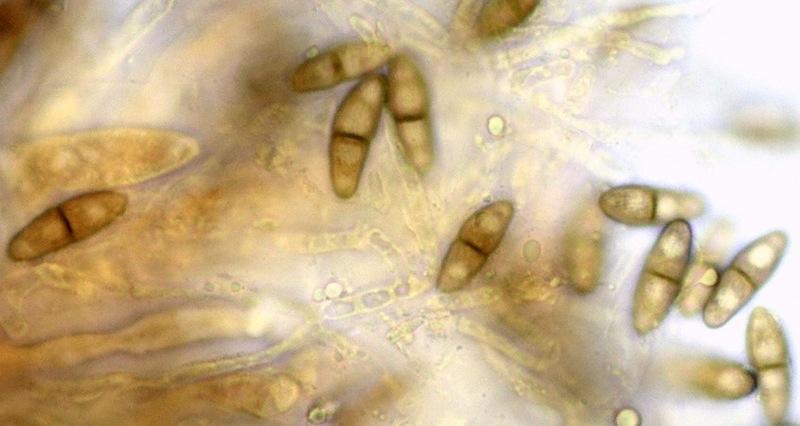
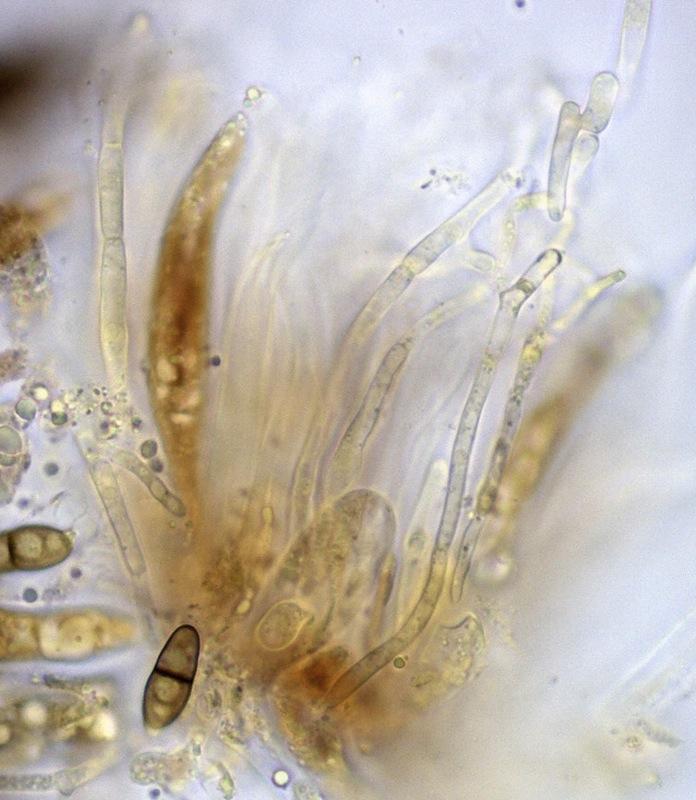
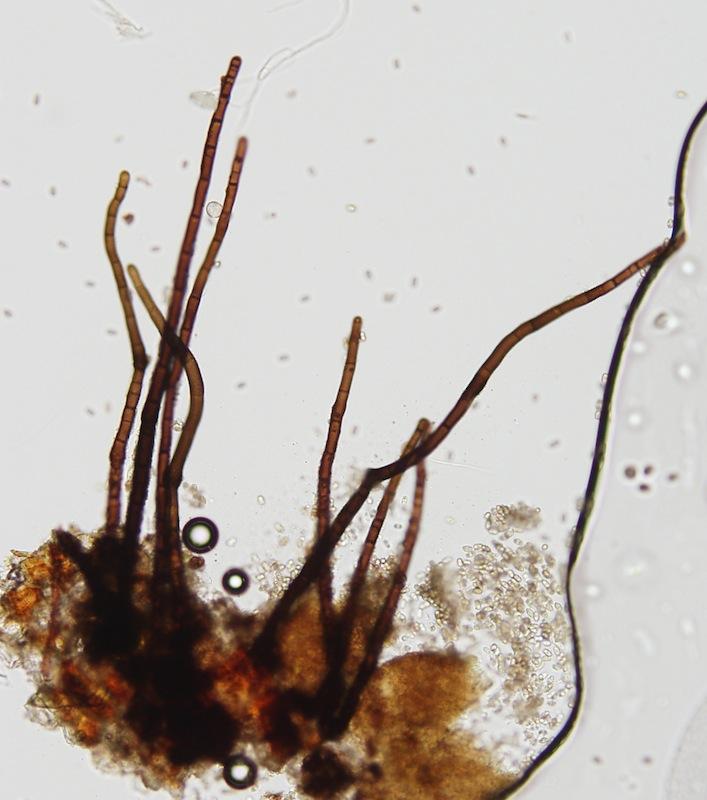


Letendraea helminthicola looks a lot similar (based on Ellis & Ellis). I don't know what other species are in this genus.
Viktorie
Hello Germot,
I acompletely agree with Viktone that this is Letendraea. Ihave two collections of this seemingly rare ascomycete: once from Cumbria and recently from the gerden here in Argyll
Peter
thanks a lot for your help! I think the genus is pretty clear now indeed. I'm still a bit irritated by the faintly striate ascospores, however. After quickly reading through some descriptions of L. helminthicola I didn't find this feature mentioned, in fact two sources (Dennis in British Ascomycetes and Akulov 2015) explicitly write "smooth" regarding the spore surface. If anyone has further insight into this I would really appreciate it.
Best wishes,
Gernot
could the ornamentation be soluble in some reagent, e.g. KOH, MLZ? Or either soluble or unstainable in LACB?
edit: Akulov used 3% KOH.
Viktorie
I would have to check that. For now all I can say is that the striation is very faint but still well visible in water; both myself and the person who collected the material observed it independently of each other. But if one doesn't look carefully it could certainly be missed.
Best wishes,
Gernot
Best wishes,
Gernot