
01-05-2026 22:45
 Thierry Blondelle
Bonjour à tous, Une récolte sur bouse séchée d
28-04-2026 20:07
 Lothar Krieglsteiner
... on twig in the air at standing Ceratonia siliq
14-04-2026 05:32
Ethan CrensonHi all, A few weeks back a friend pointed out som
28-04-2026 20:33
Vitus SchäfftleinHello, I found Trochila ilicina on Ilex aquifoliu

30-04-2026 10:28
Rot BojanHello, by appearance I would say that I am dealing
27-04-2026 18:48
Tony MoverleyCollected 23rd April 2026, Norfolk, EnglandSwarms
27-04-2026 20:52
Lothar Krieglsteiner
Found on hanging tiwg of Olea europaea in dried-ou
28-04-2026 22:51
 Bernard CLESSE
Bonsoir à toutes et tous,Pourriez-vous m'aider à
29-04-2026 08:01
Lothar Krieglsteiner
... on twig attached to small tree of Citrus auran
Could this be Lachnum pudibundum?
Jan Knuiman,
22-06-2018 18:10
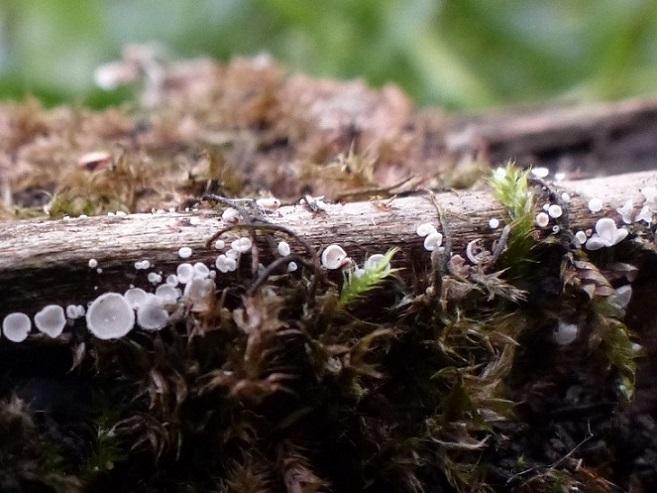
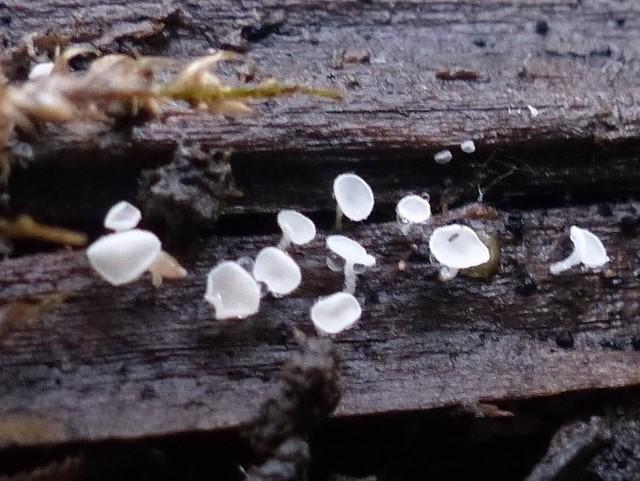
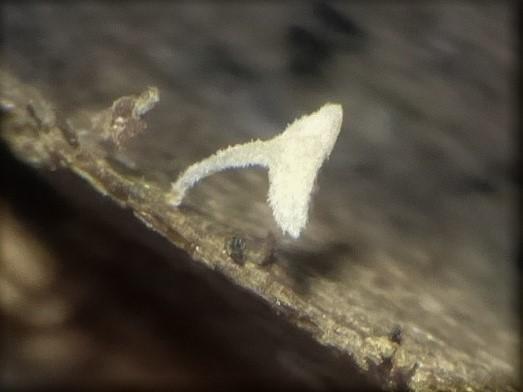
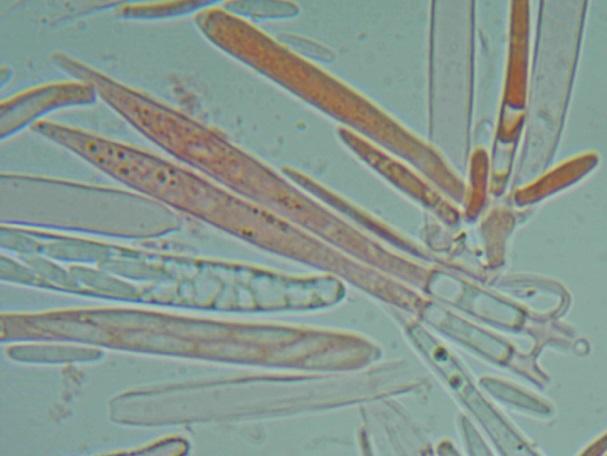
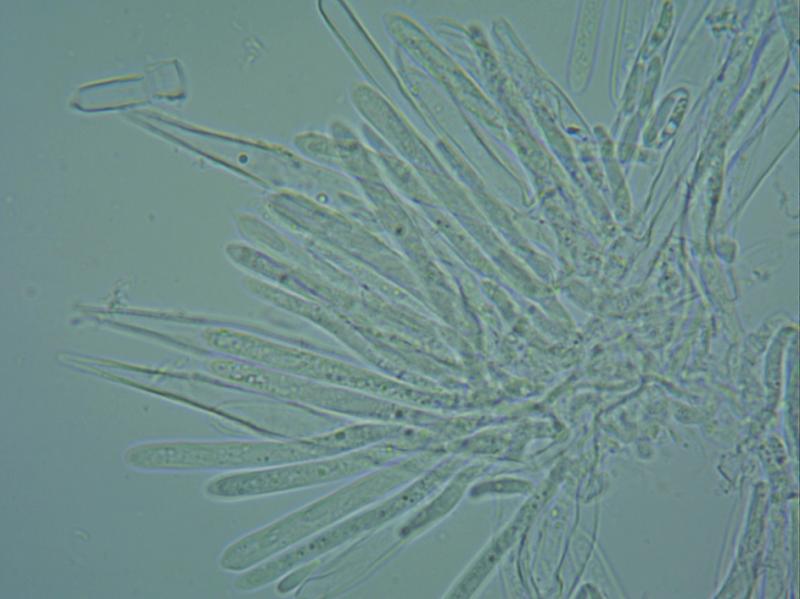
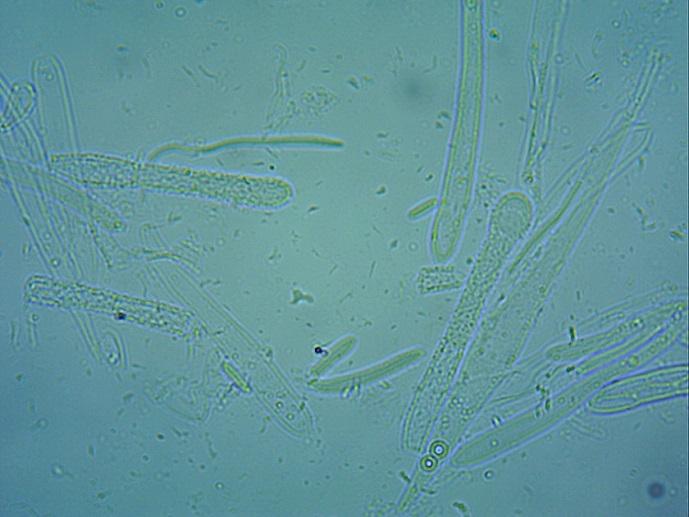
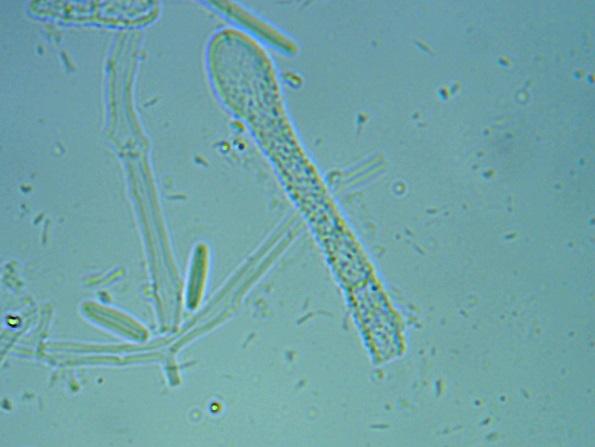
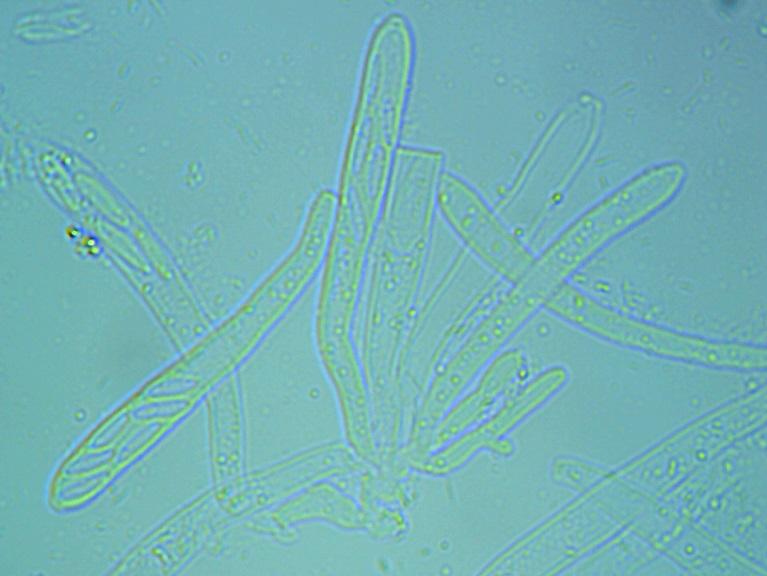
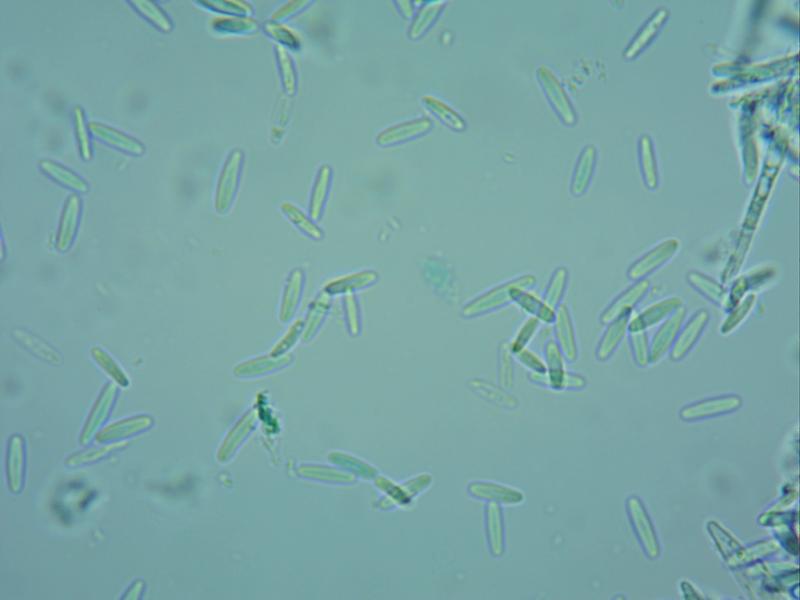
Yesterday I found these discomycetes with a cup diameter of about 1 mm on wet and rotten Salix wood. Spores measured in water were 7.5-11.5 x 2.0-2.5 micron. Paraphyses were lanceolate and exceeded the asci by 20-30 micron. Hairs had a maximum length of 50 micron, were cylindrical and sometimes had a clavate top. Could this be Lachnum pudibundum?
Kind regards,
Jan
Hans-Otto Baral,
22-06-2018 18:28

Re : Could this be Lachnum pudibundum?
Yes, possible. Asci lack croziers and apos turn reddish as I see on your pics. The reddish change is due to striking abundant VB-guttules in the paraphyses which are invisible on your picks because of pressure on the cover slip. They would be very characteristic for the species.
Jan Knuiman,
22-06-2018 20:02
Re : Could this be Lachnum pudibundum?
Thanks for your reply Zotto. Unfortunately, I made several other preparations but didn't find the characteristic guttules in the paraphyses. What other Lachnum species could it be if these guttules are truly absent?
Kind regards,
Jan
Kind regards,
Jan
Jan Knuiman,
24-06-2018 14:06
Re : Could this be Lachnum pudibundum?
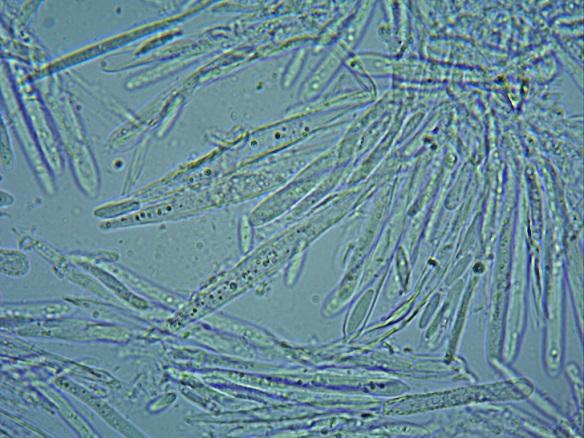
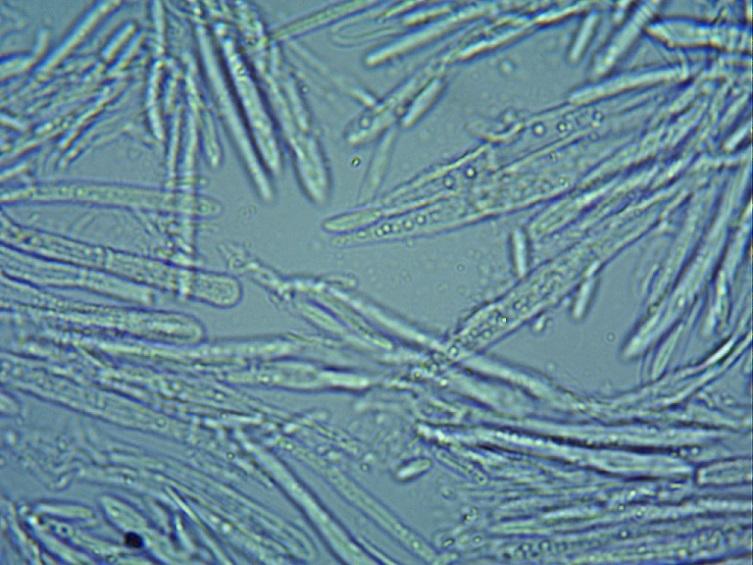
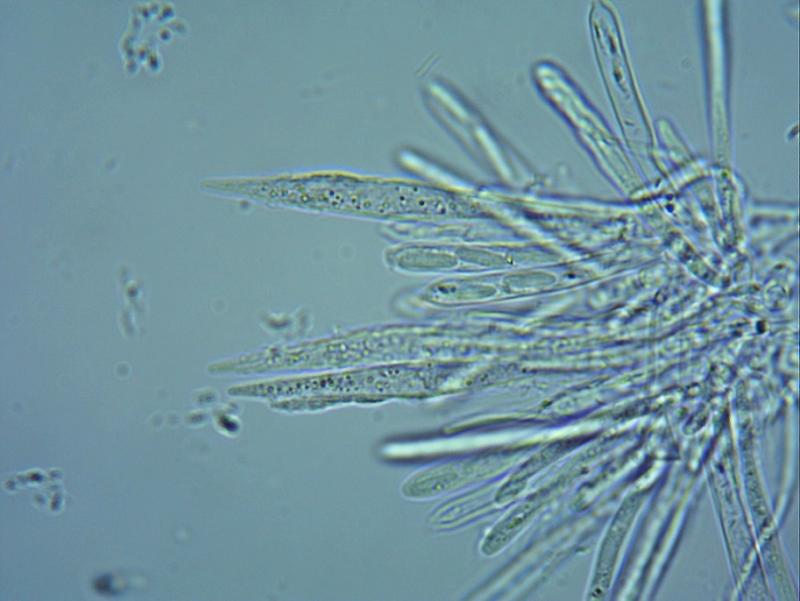
Made some other preparations today, and to my surprise lots of guttules seem to be present in the paraphyses. Does this confirm L. pudibundum?
Kind regards,
Jan
Kind regards,
Jan
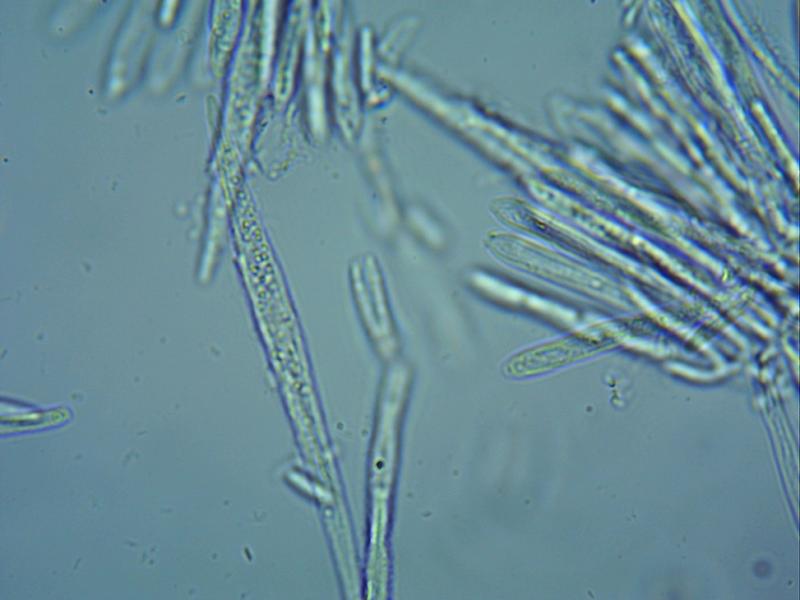
Hans-Otto Baral,
24-06-2018 17:52
Re : Could this be Lachnum pudibundum?
Maybe, although I am not sure if your paraphyses are alive. You may not press on the cover slip, and the apos must be fresh.
Jan Knuiman,
24-06-2018 18:09
Re : Could this be Lachnum pudibundum?
The collected material, a piece of wood with the fungi, was kept at about 20 degrees centigrades under moisty conditions and a preparation was made from a fresh apo. I covered the preparation with a slip and less pressure was applied compared with my earlier preparations.
Jan
Jan
Hans-Otto Baral,
24-06-2018 21:37
Re : Could this be Lachnum pudibundum?
I believe you but for the asci they are clearly dead, and with the paraphyses I am not sure.
Jan Knuiman,
24-06-2018 23:52
Re : Could this be Lachnum pudibundum?
It's a pity that we cannot come to a final conclusion as to the identity of this species, but I would like to thank you, Zotto, for your attention and comments.
Kind regards,
Jan
Kind regards,
Jan