30-03-2026 12:03
 William Slosse
Hello all,On 27/03/26, in Kraaiveld in Wingene (Be
25-03-2026 10:35
Hulda Caroline HolteHello,I collected this species growing on a dead b
30-03-2026 09:53
Yanick BOULANGERBonjourVoici des petites fructifications poilues s
27-03-2026 10:47
Åge OterhalsI have tentatively identified this Stictis to S. f
28-03-2026 07:55
 Marc Detollenaere
Hello everybody,Yesterday I found a number of whit
26-03-2026 15:31
 Åke Widgren
Hello,I found this one in October last year, on r
27-03-2026 15:23
Gernot FriebesHi,this Trichopezizella deviates from typical T. b
27-03-2026 15:08
Gernot FriebesHi,I'm looking for help with this coelomycete on C
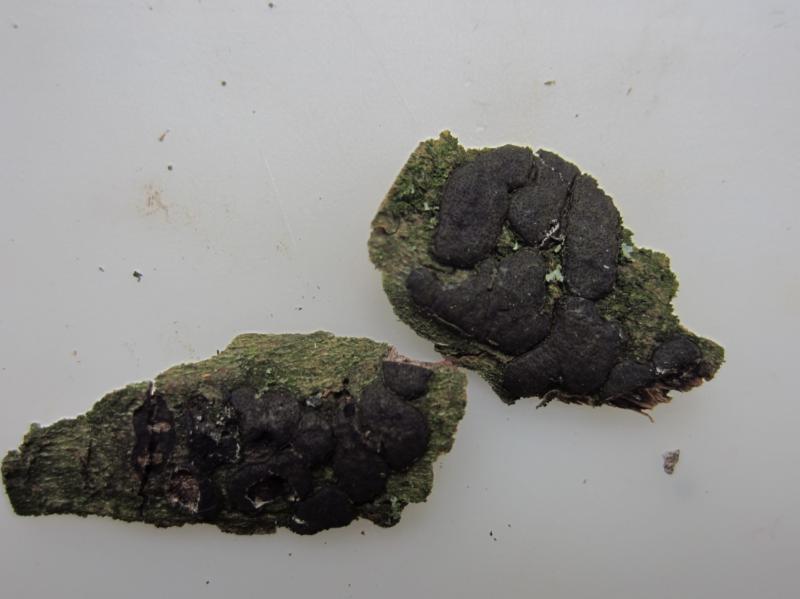
Eutypa or Diatrype sp on Salix
Watt John,
05-09-2017 12:27
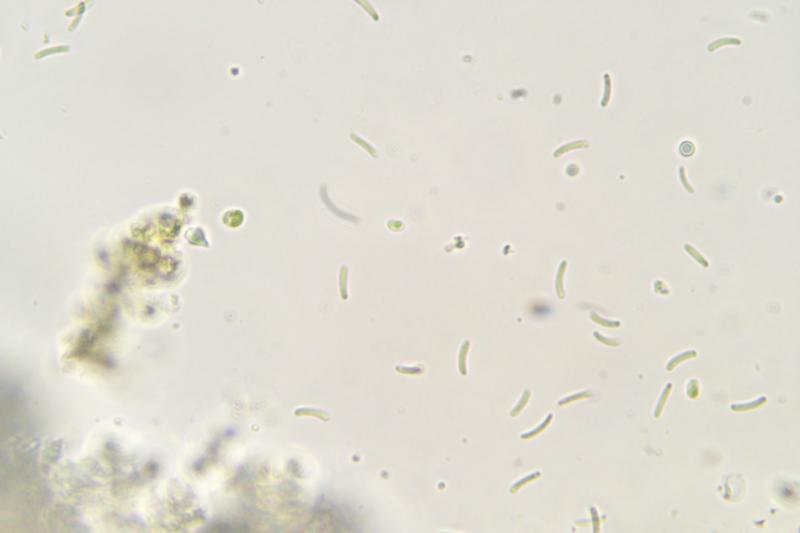
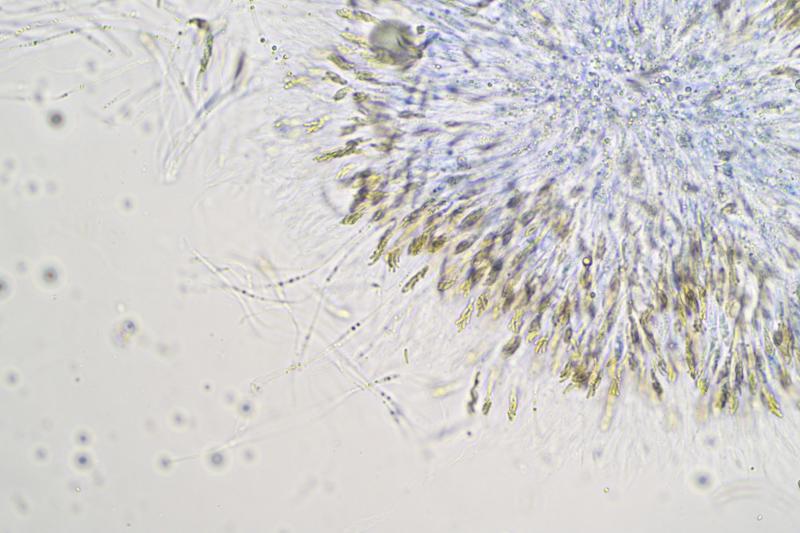
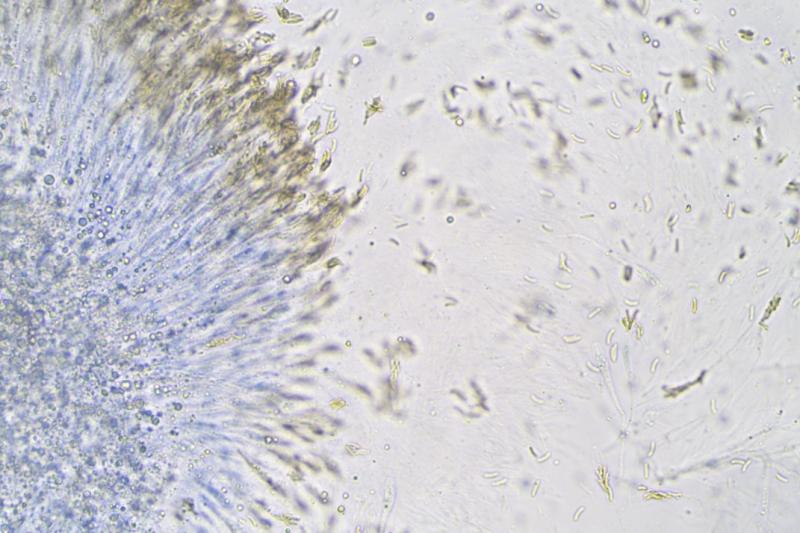
Some texts disagree on presence of paraphyses in some of these species.
I had a look at the Salix associated species on this website but didn't seem to be one of those.
Not even quite sure whether it be Eutypa or Diatrype though it does look like Diatrype bullata, but for the paraphyses.
I do understand there is some fluidity amongst the taxonomy of this group.
John Watt
Ormskirk,
England