
11-04-2026 15:45
 Zuzana Sochorová (Egertová)
Please, could anyone send me this paper?Moyne G.,
11-04-2026 13:34
Artem PtukhaHello, I am seeking assistance with the identific

11-04-2026 10:19
 Michel Hairaud
Chers amis d'Ascofrance , voici une très bonne no
11-04-2026 10:10
Michel Hairaud
Dear Ascofrance members, here is some very good ne
10-04-2026 23:22
Gernot FriebesHi,ascospores are 1- to 3-septate, approximately
10-04-2026 15:51
 William Slosse
Hello everyone, On 08/04/26, I found a growth sit
09-04-2026 15:25
Jac GelderblomOn bare soil between mosses Ifound an asco I deter
09-04-2026 13:55
Thomas Læssøehttps://svampe.databasen.org/observations/10589176
09-04-2026 10:12
Thomas Læssøehttps://svampe.databasen.org/observations/10587061
Sarcoscypha coccinea?
Viktorie Halasu,
15-03-2017 18:39
 Hello,
I'm trying to determine a Sarcoscypha:
Apothecium ca. 2,5 cm wide with crenulate margin.
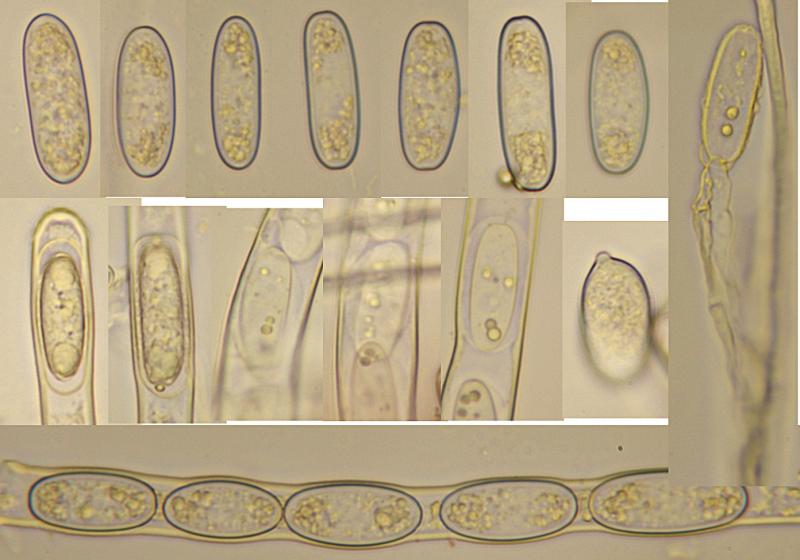
Spores 26-32 × 9,6-12,4 um, long ellipsoid, usually with rounded ends, only sometimes truncate but not distinctly saddle-shaped. Two polar groups of small LBs. Immature spores in ascus have a sheath all aroud. Only a few spores germinating, always just from one end.
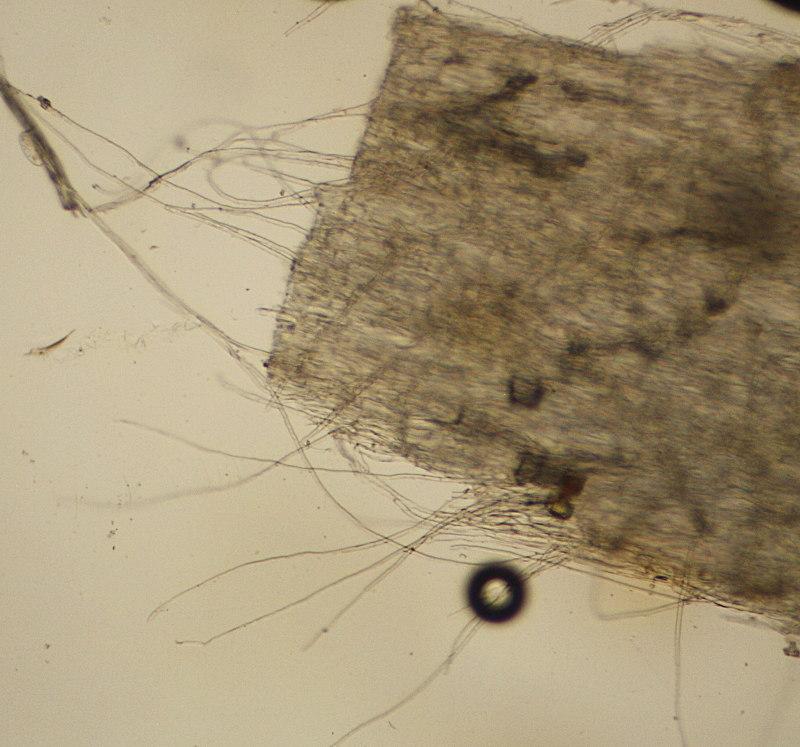
Hairs very sparse near the margin, at the base of apotecium long and straight or wavy hairs.
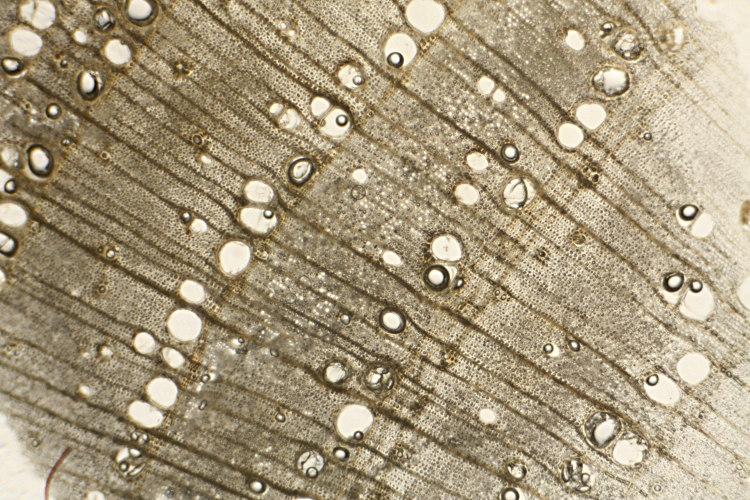
Host: I think it is Fraxinus excelsior or angustifolia (it's from southern Moravia, one of the warmest parts of Czech Rep., where both species live).
With the key I arrived to coccinea, but still have some doubts, partly because of the host.
Thank you for any advice.
Viktorie
Nicolas VAN VOOREN,
15-03-2017 18:45

Re : Sarcoscypha coccinea?
For me it's clearly S. coccinea (spores and external hairs)
Viktorie Halasu,
15-03-2017 18:52
Re : Sarcoscypha coccinea?
Hello Nicolas,
thank you for confirmation.
thank you for confirmation.
Hans-Otto Baral,
15-03-2017 18:55

Re : Sarcoscypha coccinea?
I also agree (although the entire spore sheath I remember only for jurana).
Host is Fraxinus, yes.
Would it be possible to know more precisely the collecting place?
Thanks
Zotto
Host is Fraxinus, yes.
Would it be possible to know more precisely the collecting place?
Thanks
Zotto
Viktorie Halasu,
15-03-2017 19:45
Re : Sarcoscypha coccinea?
Hello Zotto,
thank you, I'll send you the collection data.
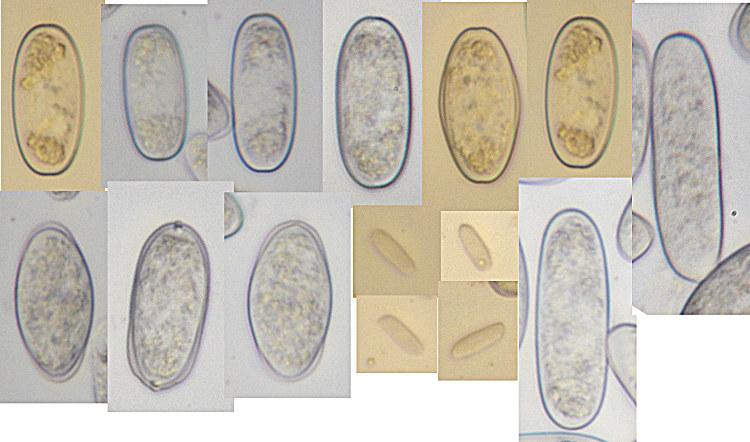
Yes, the sheath is interesting. At first, I thought about S. jurana (disregarding the host). I've even found something like conidia with the right size (ca. 7,5-10,6 × 2,3-3,3 um). But I didn't see any big LBs in living spores and the most truncated spores are on this photo (all ejected in the preparate). And I also didn't see any connection between these conidia and spores. So now I think it might be rather a contamination from the collection site.
About the conidia - could they develop after a few days in the fridge? And where to look for them - is any part of the hymenium better than the other (center vs. margin)?
Viktorie
thank you, I'll send you the collection data.
Yes, the sheath is interesting. At first, I thought about S. jurana (disregarding the host). I've even found something like conidia with the right size (ca. 7,5-10,6 × 2,3-3,3 um). But I didn't see any big LBs in living spores and the most truncated spores are on this photo (all ejected in the preparate). And I also didn't see any connection between these conidia and spores. So now I think it might be rather a contamination from the collection site.
About the conidia - could they develop after a few days in the fridge? And where to look for them - is any part of the hymenium better than the other (center vs. margin)?
Viktorie
Hans-Otto Baral,
15-03-2017 20:35
Re : Sarcoscypha coccinea?
any part of the hymenium is good and yes, they may develop in the fridge. But S. coccinea develops conidia only on an agar plate.
As a sheath one may mistake the spore wall when the spores are dead. In your three pics below I am not sure, they look a bit strange, maybe they are submature. When mature then the central area looks empty (but contains many nuclei).
As a sheath one may mistake the spore wall when the spores are dead. In your three pics below I am not sure, they look a bit strange, maybe they are submature. When mature then the central area looks empty (but contains many nuclei).