
11-05-2026 12:32
 Bernard CLESSE
Pourriez-vous m'aider à identifier cette héloti
13-05-2026 15:26
 François Freléchoux
Bonjour,Voici une récolte faite il y a quelques j
12-05-2026 15:41
 Nicolas VAN VOOREN
Dear Ascolovers, especially interested in Pezizale
13-05-2026 12:05
 Thierry Blondelle
Bonjour à tous,J'aimerais avoir confirmation de c
10-05-2026 23:17
 Andreas Gminder
Hello,today we found in a moist steep decidous for
28-04-2026 20:07
 Lothar Krieglsteiner
... on twig in the air at standing Ceratonia siliq
27-04-2026 20:52
Lothar Krieglsteiner
Found on hanging tiwg of Olea europaea in dried-ou
11-05-2026 20:22
Lothar Krieglsteiner
on attached twig of standing Ficus caricaquite uns
29-04-2026 10:44
Lothar Krieglsteiner
growing at moist, drying-out soil at the side of a
Lasiosphaeria-like
Gernot Friebes,
02-02-2015 13:37
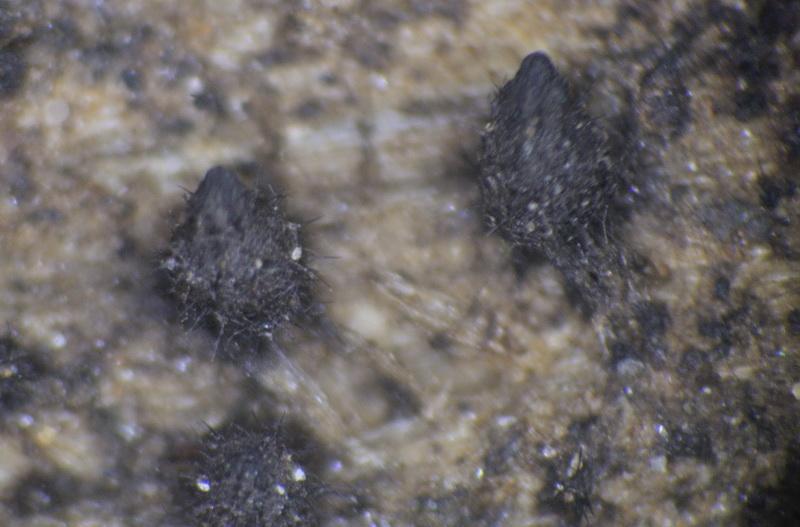
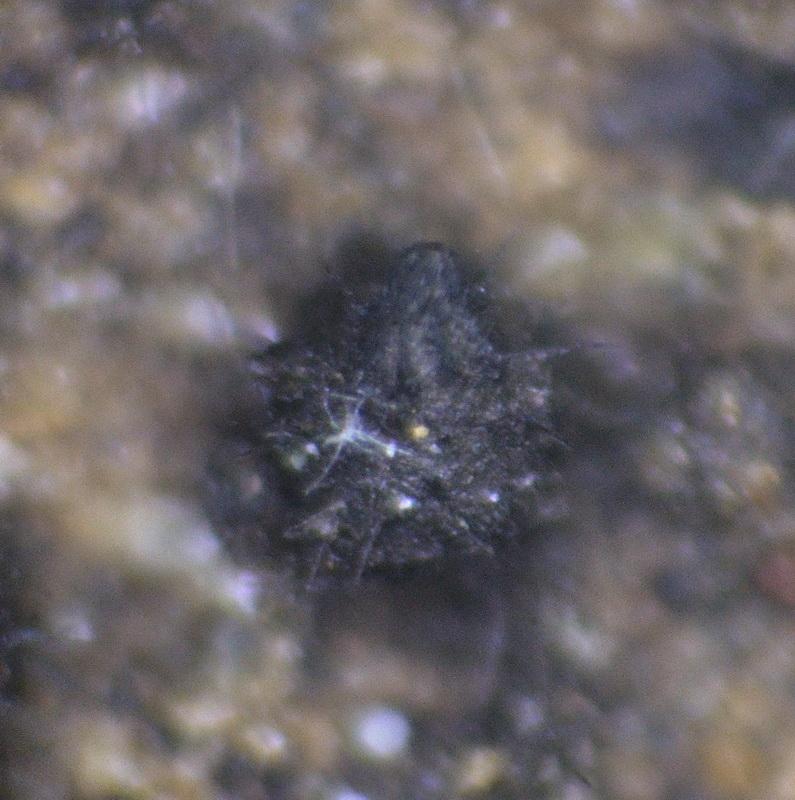
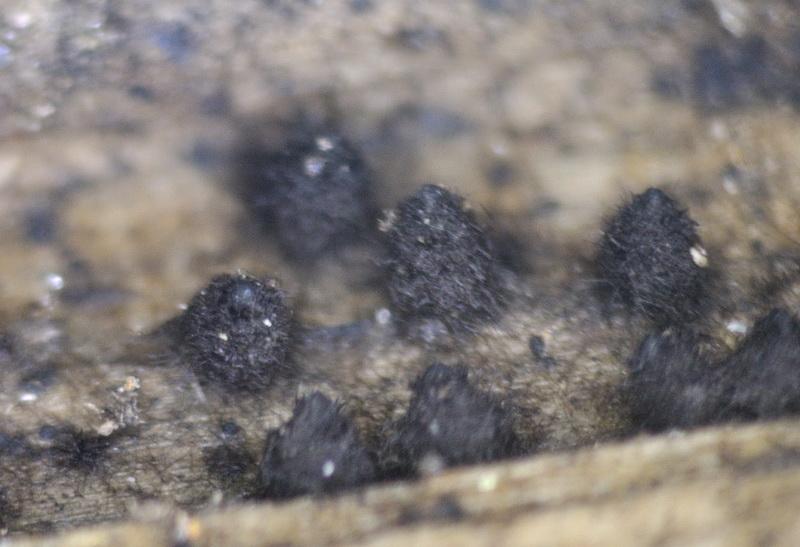
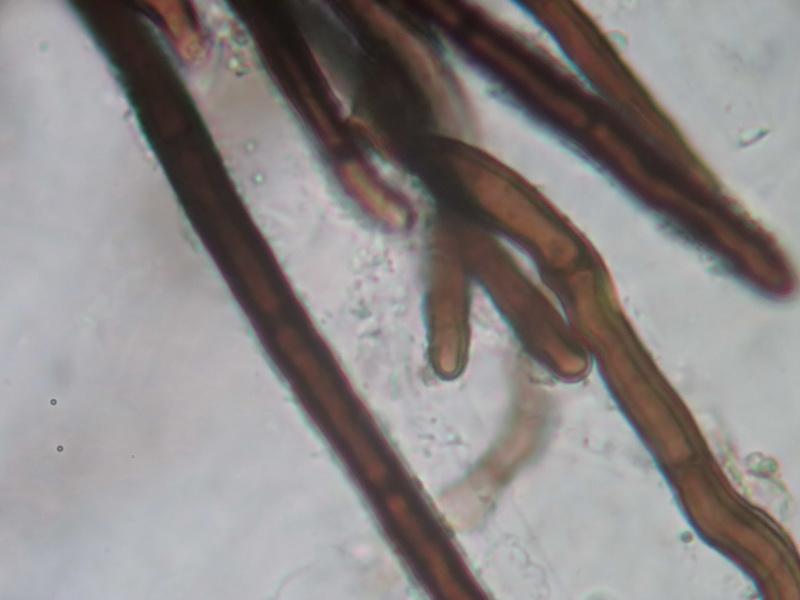
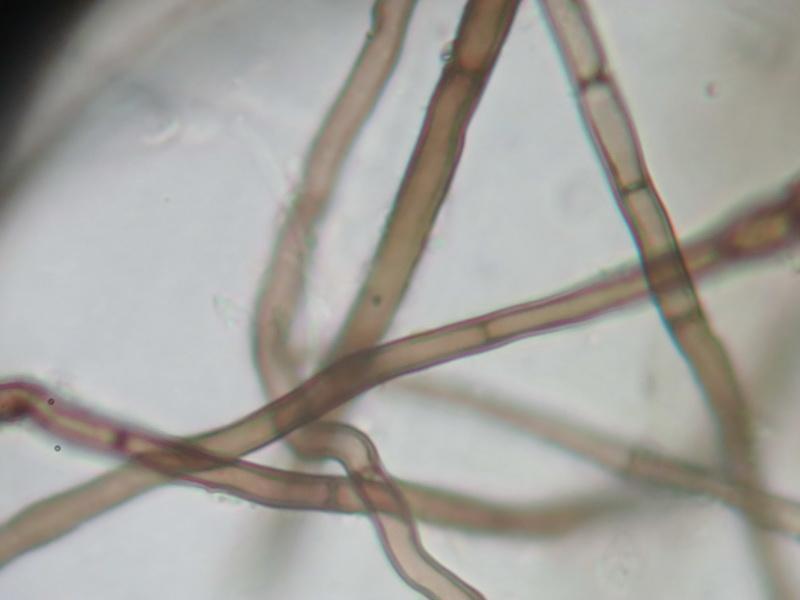
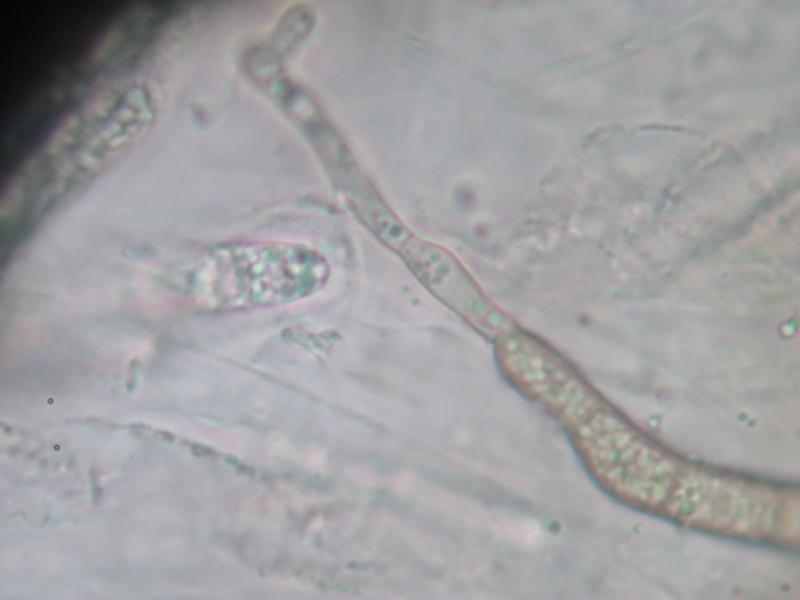
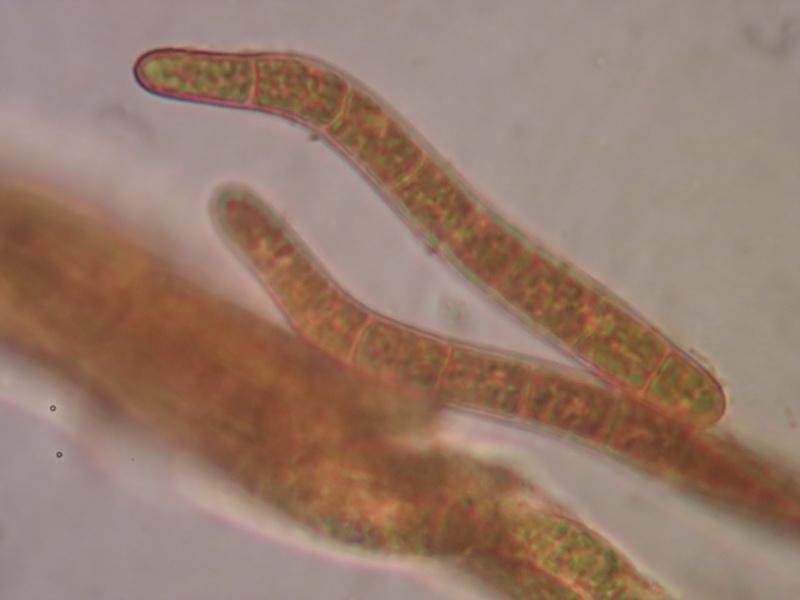
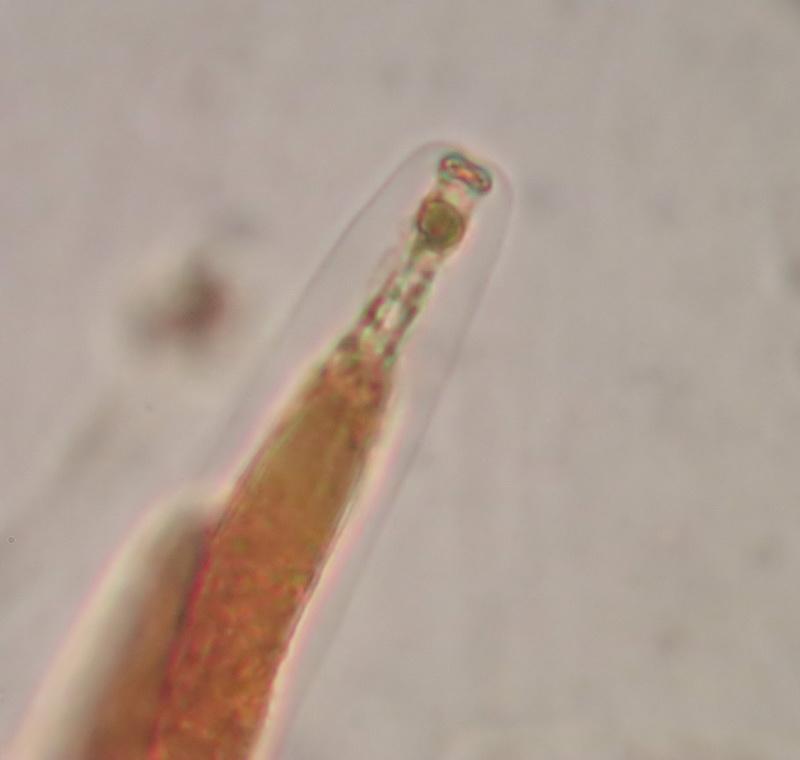
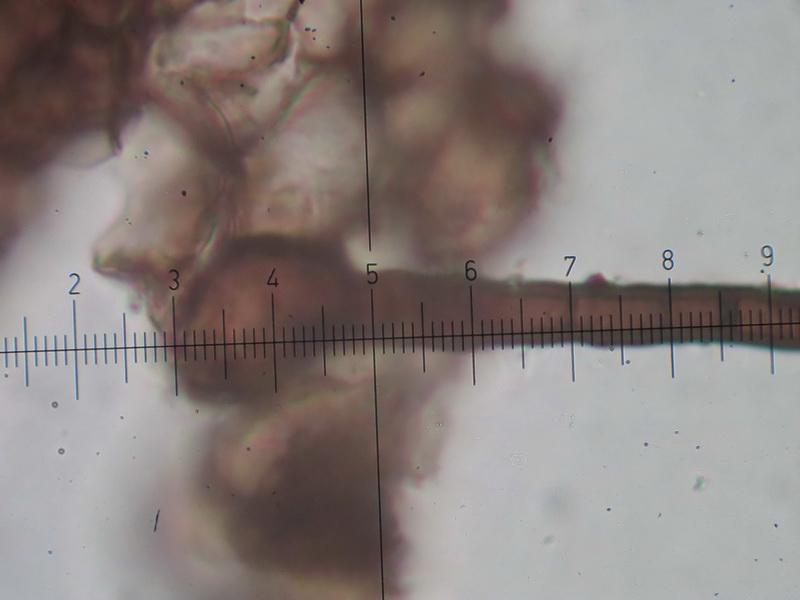
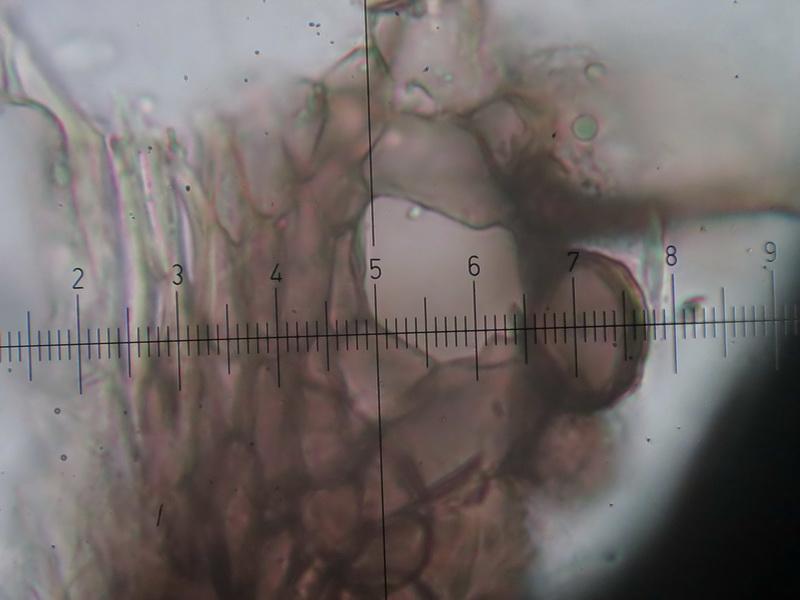
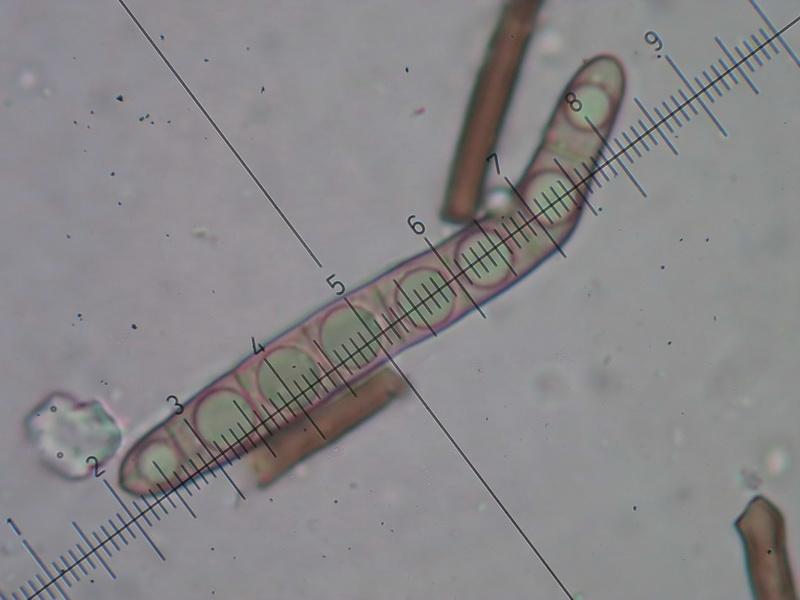
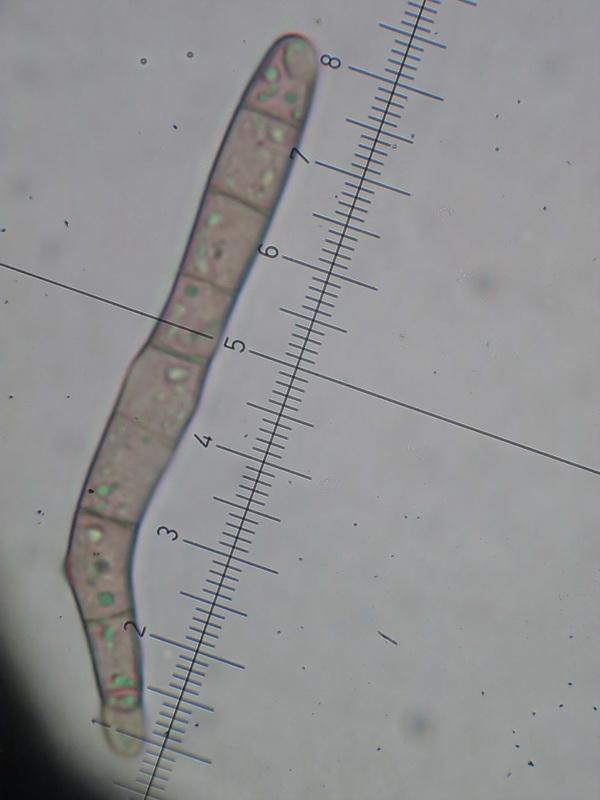
I would need your help with this Lasiosphaeria-like species that grows on a decorticated piece of Picea wood. I looked through the literature but couldn't find a species with the combination of brown, non-tapering ascospores with up to 7 septa and sulcate ostioles. Here's a short description by the person who collected this species (and took the photos):
Asci biseriate, without or only with weakly developed(?) subapical globulus. Ascospores brown (already inside the ascus), ca. (60)70-72 x 8 µm, bent in the lower third, with up to 7 septa, germinating when old. Setae dark brown, thick-walled.
Thank you and best wishes,
Gernot

Jacques Fournier,
02-02-2015 14:00

Re : Lasiosphaeria-like
Hi Gernot,
I think it belongs to the Lasiosphaeris hirsuta complex. With such a stout conical and sulcate neck, it used to be called L. tuberculosa but the morphological traits largely overlap between the four species involved and for the moment there is no molecular support to merge or segregate them. Unless Andrew has new information?
Cheers,
Jacques
I think it belongs to the Lasiosphaeris hirsuta complex. With such a stout conical and sulcate neck, it used to be called L. tuberculosa but the morphological traits largely overlap between the four species involved and for the moment there is no molecular support to merge or segregate them. Unless Andrew has new information?
Cheers,
Jacques
Gernot Friebes,
02-02-2015 14:41
Re : Lasiosphaeria-like
Hi Jacques,
thanks! I have seen quite a few collections of L. hirsuta agg. but never with such a sulcate neck like in this find, hence why I didn't make the connection. The ascospores clearly fit the L. hirsuta complex well!
Best wishes,
Gernot
thanks! I have seen quite a few collections of L. hirsuta agg. but never with such a sulcate neck like in this find, hence why I didn't make the connection. The ascospores clearly fit the L. hirsuta complex well!
Best wishes,
Gernot
Andrew N. Miller,
02-02-2015 15:33

Re : Lasiosphaeria-like
Unfortunately, there is a wide range of morphological variation within the 8 species that occur in the L. hirsuta species complex. This morphology overlaps among species making it difficult to distinguish species based on morphology alone. Not what taxonomists like to hear...
Andy
Andy