
27-04-2026 20:52
 Lothar Krieglsteiner
Found on hanging tiwg of Olea europaea in dried-ou
28-04-2026 22:51
 Bernard CLESSE
Bonsoir à toutes et tous,Pourriez-vous m'aider à
29-04-2026 08:01
Lothar Krieglsteiner
... on twig attached to small tree of Citrus auran
29-04-2026 10:44
Lothar Krieglsteiner
growing at moist, drying-out soil at the side of a
28-04-2026 20:33
Vitus SchäfftleinHello, I found Trochila ilicina on Ilex aquifoliu

28-04-2026 21:50
 Pablo Sandoval
Hola a todos,Espero se encuentren bien. Hace mucho
27-04-2026 18:05
Lothar Krieglsteiner
... still attached at standing tree. The green con
28-04-2026 20:07
Lothar Krieglsteiner
... on twig in the air at standing Ceratonia siliq
27-04-2026 18:48
Tony MoverleyCollected 23rd April 2026, Norfolk, EnglandSwarms

Bonjour,
Récolté hier sur une tige mortes de Typha latifolia.
Ascomata: 0, 15 - 0,30 mm. Ø
Asci: 175 - 200 x 18 - 22 µm
Spores: 30 – 38(44) x 10 – 13 µm
Je viens de Murispora rubicunda. Correcte ?
Piet Bormans
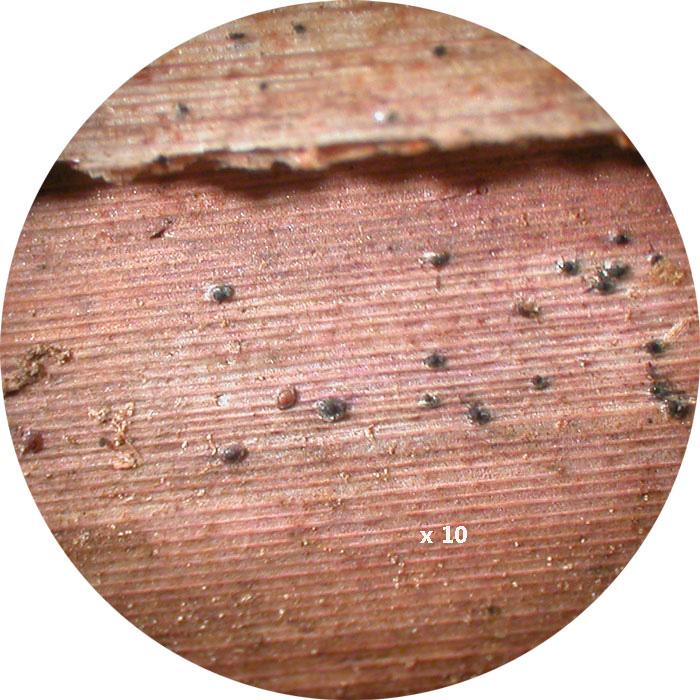
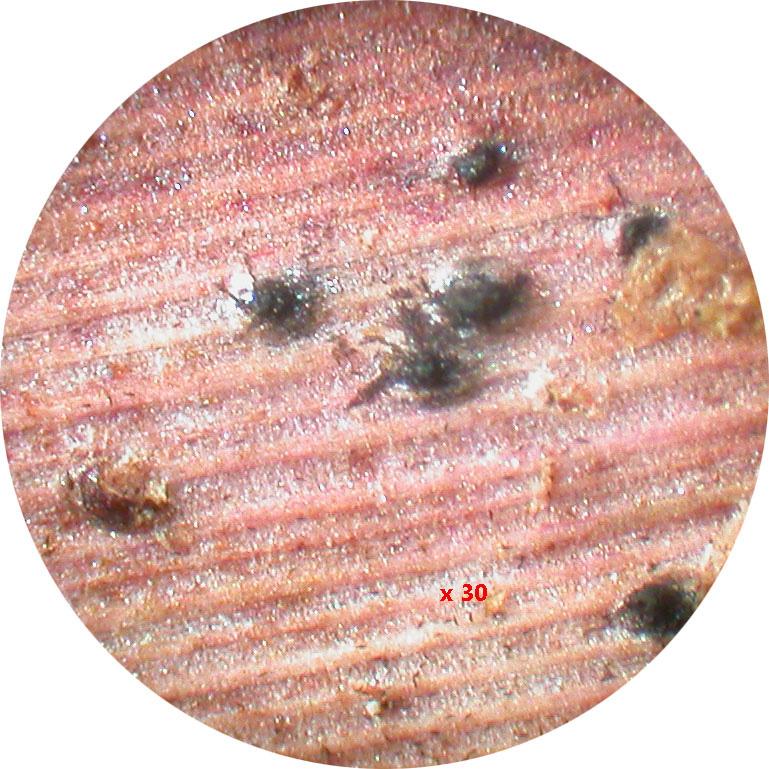
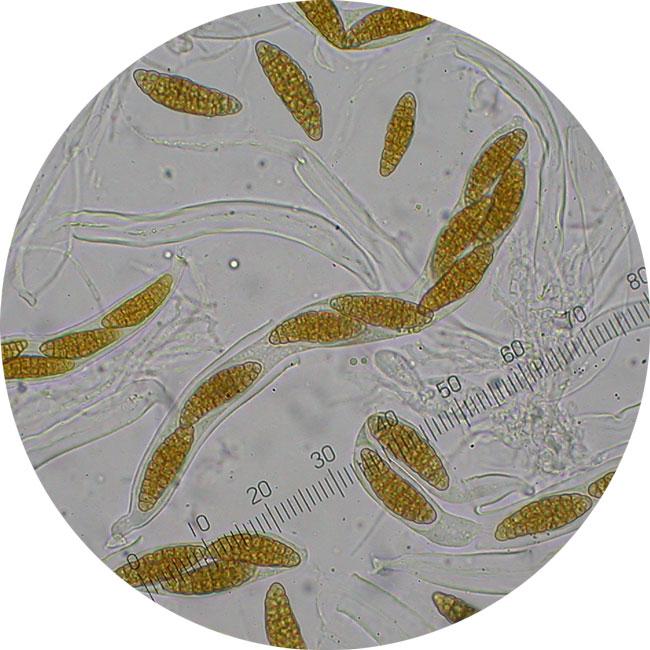
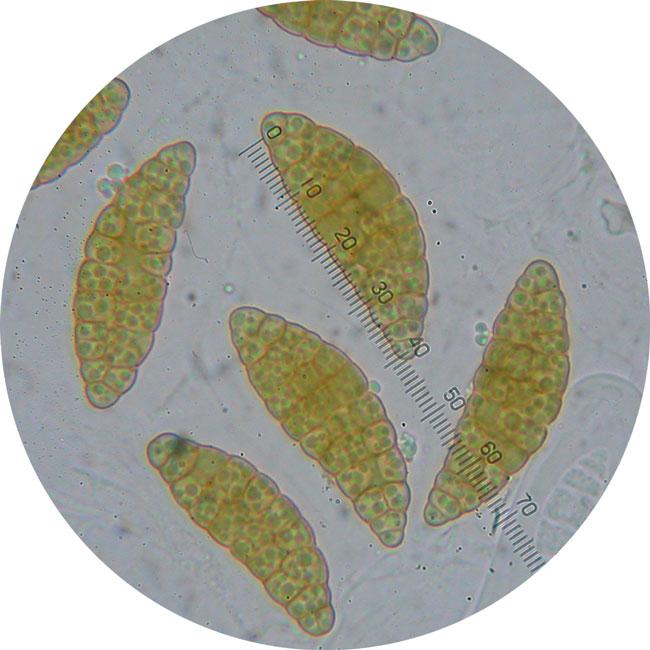

Murispora certainement, rubicunda peut être mais il y a plusieurs espèces possibles très proches. Murispora rubicunda est une espèce terrestre, essentiellement sur Poaceae en bord de mer. Il reste à vérifier si les espèces semblables venant sur bois immergé ou Typha en eau douce sont différentes ou non.
Amitiés,
Jacques
Merci pour vos éclaircissements. Dans la littérature que j'ai est juste une Rubicunda (murispora). Donc pour moi, je vais appeler cette espèce provisoirement cf. Murispora rubiconda. D'accord?
Amitiés,
Piet

Bonjour,
In 2009, I collected probably the same fungus. I called it, perhaphs it's wrong, Massariosphaeria rubelloides, according to Crivelli's monography : http://www.ascofrance.fr/search_recolte/2548
But as Jacques said, ther are probably a lot of species closed to this one. But we can note that our fungus comes on Typha redening the substrate.
Alain
Yes Alain, I think it is indeed the same fungus.
Best wishes
Piet