
12-06-2026 14:50
 François Freléchoux
Bonjour, Voici la brève description d'une Mollis
10-06-2026 21:16
François Freléchoux
Bonsoir,Le dernier du jour, en attendant votre avi
11-06-2026 19:01
 William Slosse
Hello all,In an attempt to make a culture of a sus
11-06-2026 19:03
 Nicolas VAN VOOREN
Chers membres d'Ascofrance,Le site sera placé en

09-06-2026 18:32
Camille MertensSur morceau de roseau immergé 0,5 - 0,7 mm de dia
10-06-2026 12:54
Steve ClementsBonjour encore, Pouvez-vous m'aider, s'il vous pl
10-06-2026 21:07
François Freléchoux
Toutes les tiges de gentianes jaunes de l'an passÃ
10-06-2026 13:41
François Freléchoux
Bonjour à nouveau, Voici une trouvaille d'hier.
Lamprospora sp
Marc Detollenaere,
01-03-2024 18:06
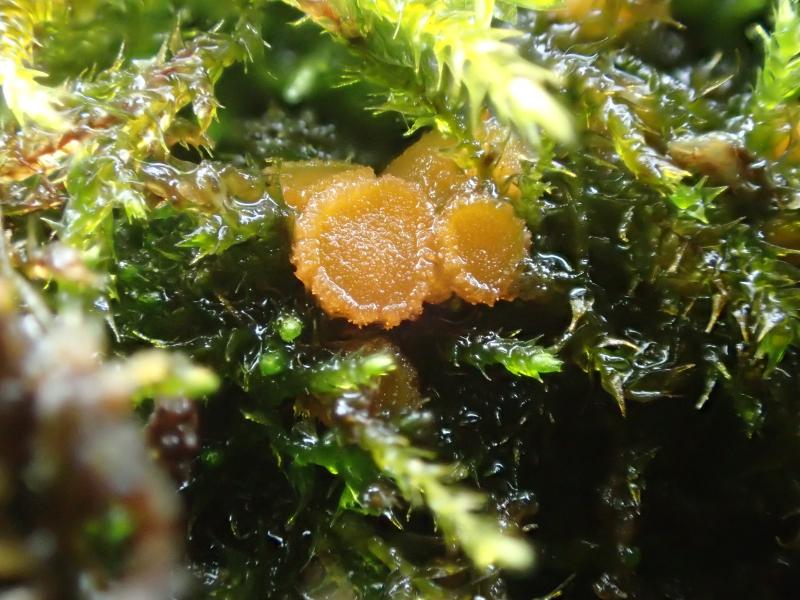
 Dear Forum,
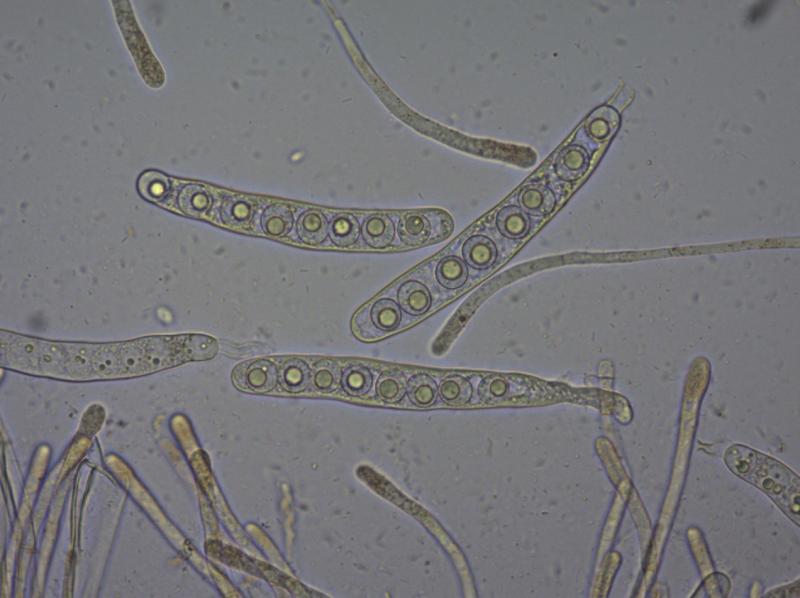
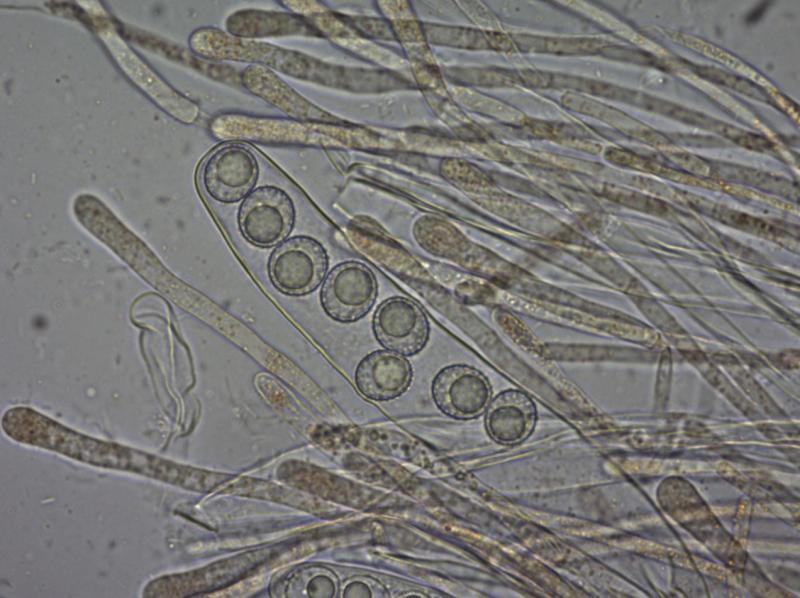
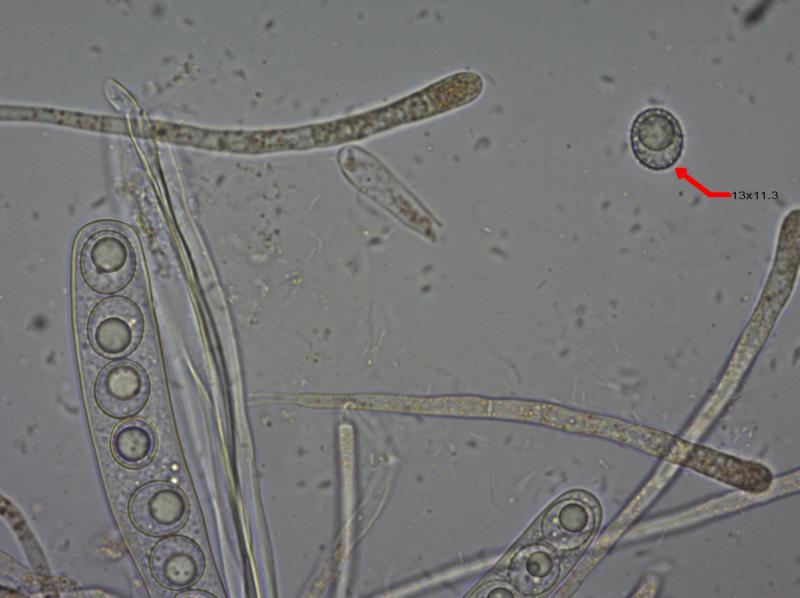
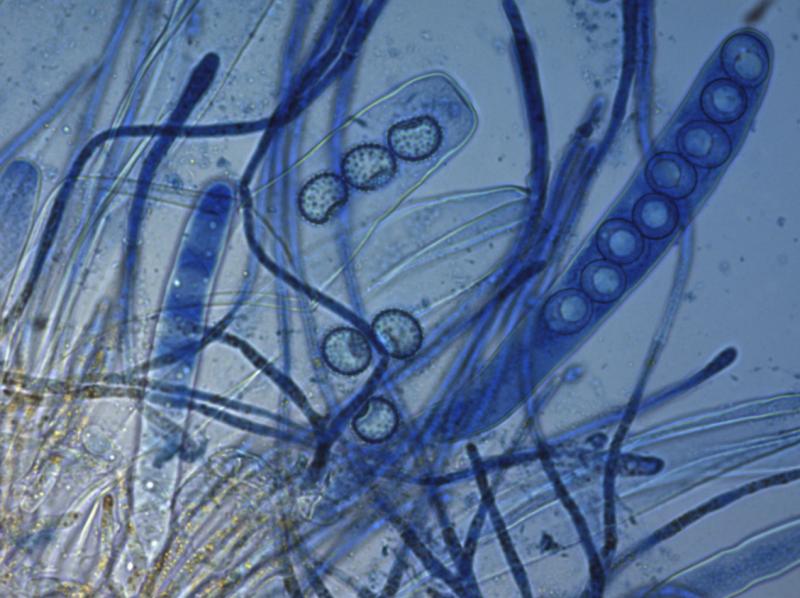
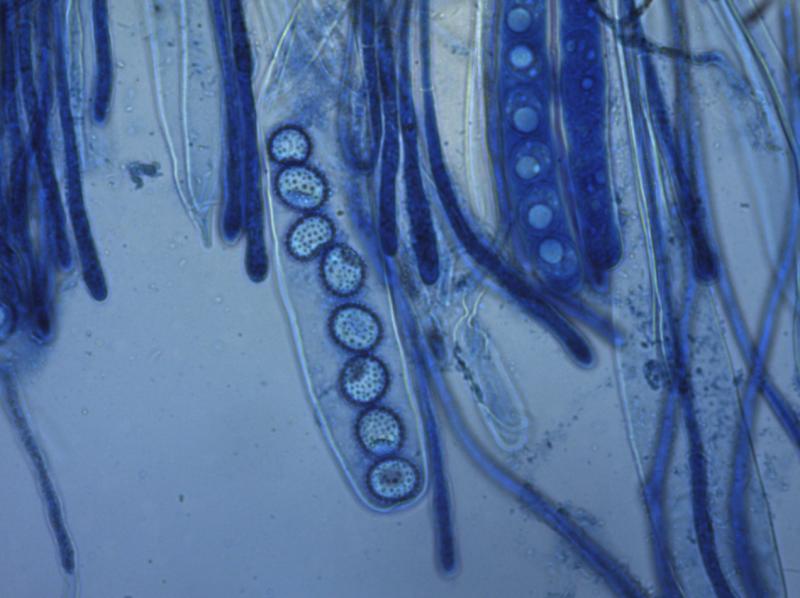
On unidentified moss I found some small Lamprosporas with subglobose spores 13.5x12.5µ, with small warts 0.8µ broad and 1.1µ long, more than 25 warts on the periphery. No ridges, no reticulum.
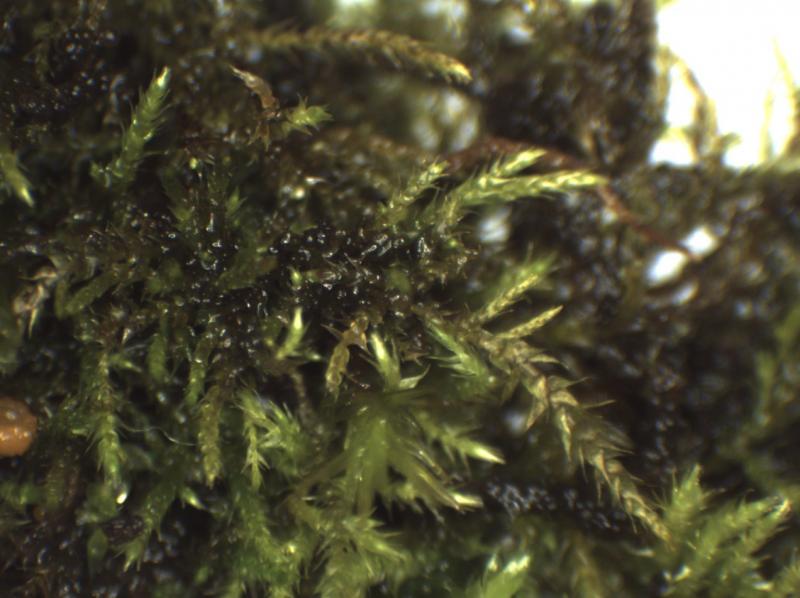
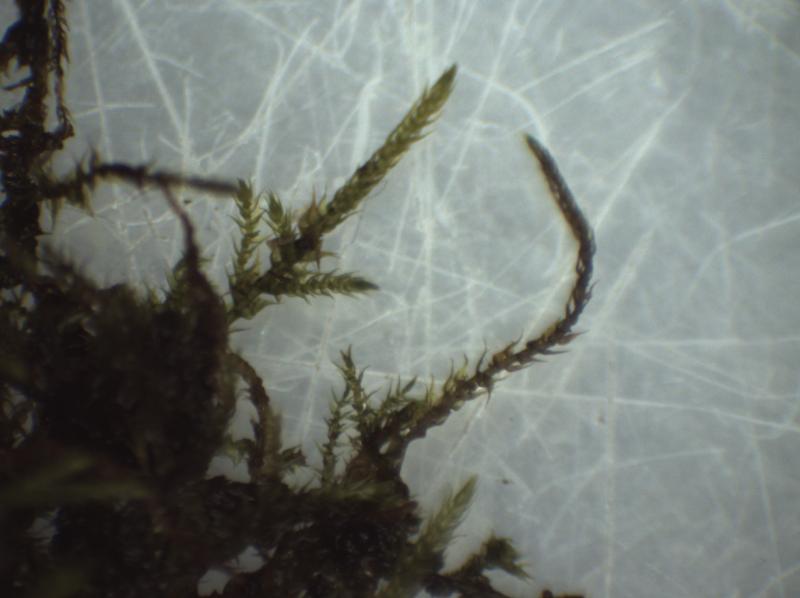
I also added some pictures of the moss .
Any help would be appreciated.
Marc
François Bartholomeeusen,
01-03-2024 18:32
Re : Lamprospora sp
Dag Marc,
Zonder diepgaand onderzoek, voor mij is dit Octospora affinis.
Wat denk je?
Compare with Octospora affinis.
François Bartholomeeusen
Zonder diepgaand onderzoek, voor mij is dit Octospora affinis.
Wat denk je?
Compare with Octospora affinis.
François Bartholomeeusen
Lothar Krieglsteiner,
01-03-2024 18:38

Re : Lamprospora sp
perhaps better O. wrightii? The moss is not Orthotrichum affine but could perhaps be Amblystegium serpens (?).
Marc Detollenaere,
01-03-2024 21:32
Re : Lamprospora sp
Good evening Francois and Lothar,
I checked the moss and indeed it seems to be Amblystegium. O affinis is found on Orthotrichum and has following Van Vooren 2014 a larger spore size(14-17.5x12-14) and smaller warts.
It should be Octospora wrightii
Thanks to both
Marc
I checked the moss and indeed it seems to be Amblystegium. O affinis is found on Orthotrichum and has following Van Vooren 2014 a larger spore size(14-17.5x12-14) and smaller warts.
It should be Octospora wrightii
Thanks to both
Marc
Lothar Krieglsteiner,
02-03-2024 11:01
Re : Lamprospora sp
Hello Marc,
I did not compare the spore size because obviously the moss is not Orthotrichum.
The distinciton of O. affinis (and O. hygrohypnophila) from O. wrightii can also be found here:
and some fiurther information here:
I know, it`s in German, so nobody finds it necessary to read it, but anyway ...
Best regards, Lothar
I did not compare the spore size because obviously the moss is not Orthotrichum.
The distinciton of O. affinis (and O. hygrohypnophila) from O. wrightii can also be found here:
and some fiurther information here:
I know, it`s in German, so nobody finds it necessary to read it, but anyway ...
Best regards, Lothar
 Benkert-amp-LK-Octospora-affinis-0001.pdf
Marc Detollenaere,
02-03-2024 14:25
Re : Lamprospora sp
Thx Lothar
François Bartholomeeusen,
02-03-2024 15:46
Re : Lamprospora sp
Lieber Lothar,
Danke; auch auf Deutsch ist und bleibt die Lektüre sehr interessant! Die erste Publikation besaß ich bereits, die zweite ist mir neu.
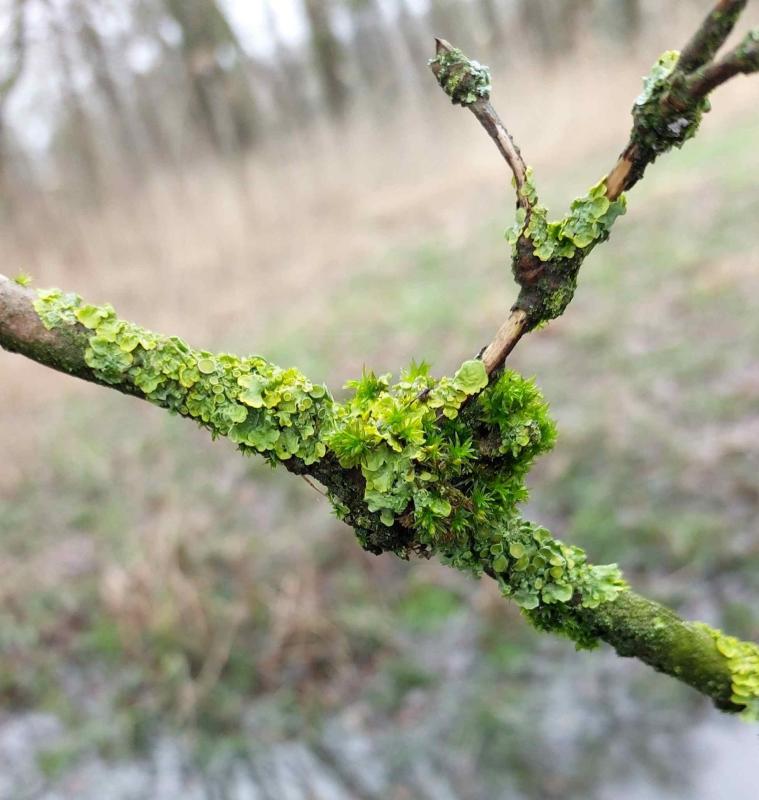
Von 2010 bis 2023 habe ich acht Funde von Octospora affinis gemacht, jedes Mal auf Orthotrichum affine, das sich auf abgestorbenen Zweigen von Sambucus nigra befindet (siehe Foto im Anhang), üppig bewachsen mit Xanthoria parietina.
Danke; auch auf Deutsch ist und bleibt die Lektüre sehr interessant! Die erste Publikation besaß ich bereits, die zweite ist mir neu.
Von 2010 bis 2023 habe ich acht Funde von Octospora affinis gemacht, jedes Mal auf Orthotrichum affine, das sich auf abgestorbenen Zweigen von Sambucus nigra befindet (siehe Foto im Anhang), üppig bewachsen mit Xanthoria parietina.
Moose sind interessante Substrate für Ascomyceten, leider ist mein Kenntnisstand über Moose begrenzt.
Mit freundlichen Grüßen,
François
Lothar Krieglsteiner,
02-03-2024 15:50
Re : Lamprospora sp
Lieber Francois,
leider ist auch meine Mooskenntnis nicht überwältigend. Sie genügt allerdings, um Mooskurse für Anfänger zu geben, die dazu dienen, Standorte für Pilzvorkommen (vor allem Speise- und Giftpilze) beurteilen zu lernen. Dafür muss man nicht viel können/kennen.
Wenn es bei Moosen schwierig wird (z.B. Pottiaceae, Dicranaceae, Sphagnum, ...), hört es auch bei mir schnell auf.
Herzliche Grüße, Lothar
P.S. Nächstes Mal wieder auf Englisch - mein Französisch ist leider noch deutlich schlechter als meine Mooskenntnis.
leider ist auch meine Mooskenntnis nicht überwältigend. Sie genügt allerdings, um Mooskurse für Anfänger zu geben, die dazu dienen, Standorte für Pilzvorkommen (vor allem Speise- und Giftpilze) beurteilen zu lernen. Dafür muss man nicht viel können/kennen.
Wenn es bei Moosen schwierig wird (z.B. Pottiaceae, Dicranaceae, Sphagnum, ...), hört es auch bei mir schnell auf.
Herzliche Grüße, Lothar
P.S. Nächstes Mal wieder auf Englisch - mein Französisch ist leider noch deutlich schlechter als meine Mooskenntnis.