
17-04-2026 19:16
 Enrique Rubio
Hi to everybodyI would appreciate any assistance r
14-04-2026 05:32
Ethan CrensonHi all, A few weeks back a friend pointed out som
17-04-2026 15:14
 Bruno Coué
Bonjour.Récoltes du 16/04/2026, sur feuilles mort
12-04-2026 15:52
Gernot FriebesHi,I'm looking for help with this anamorph collect
14-04-2026 21:52
Gernot FriebesHi,found on dead leaves of Carex elata. Conidia: 4
16-04-2026 22:09
Buckwheat PeteHello, I'd like to ask about this older specimen:
15-04-2026 19:33
Fátima Durán ManzanequeHi!! I need help, I found this Ascomycete but I d
14-04-2026 20:31
Gernot FriebesHi,can this be Psilachnum lateritioalbum on Phragm
12-04-2026 17:56
 Hardware Tony
Found on dead stems in February earlier this year
12-04-2026 12:22
 William Slosse
In a dune grassland in Oostduinkerke (Belgium), on
Tiny ascocarps with bended hairs
Koszka Attila,
02-01-2024 18:41
Hello all!
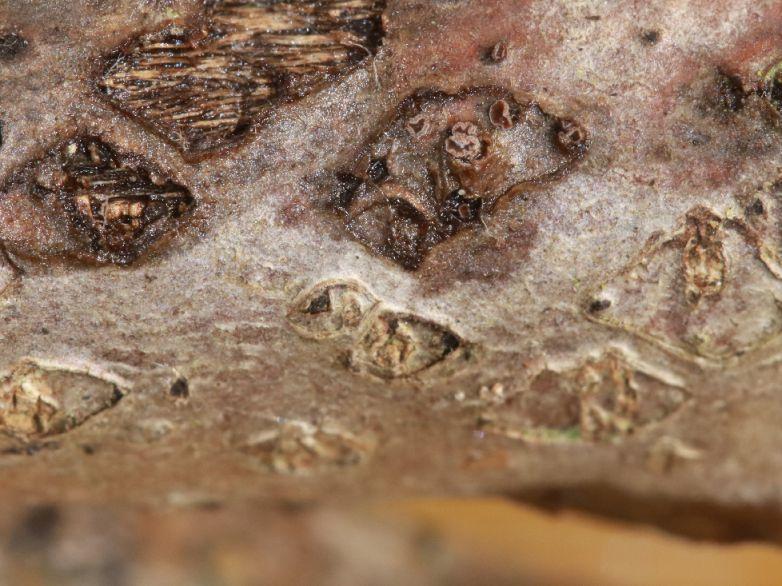
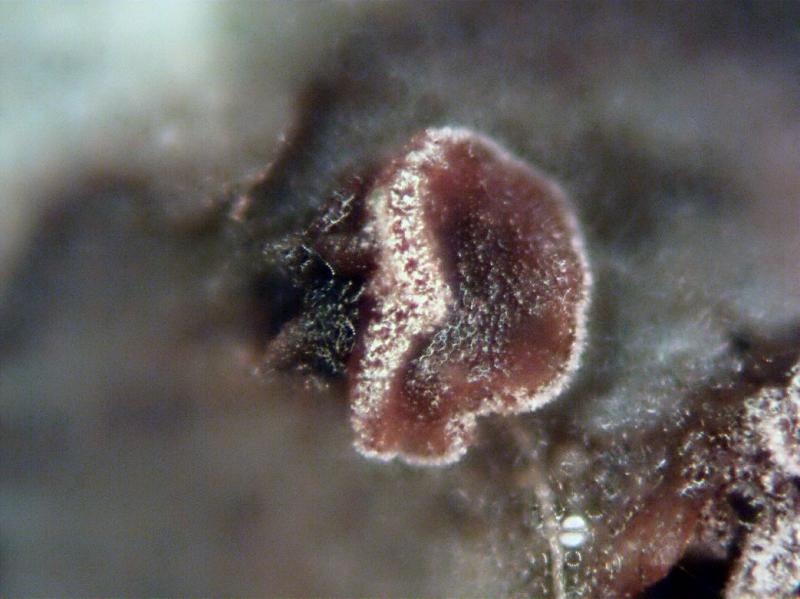
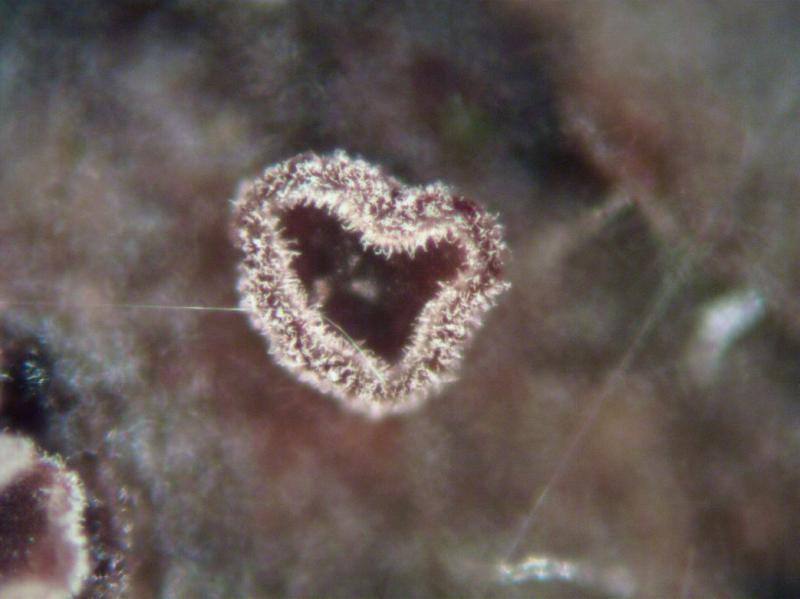
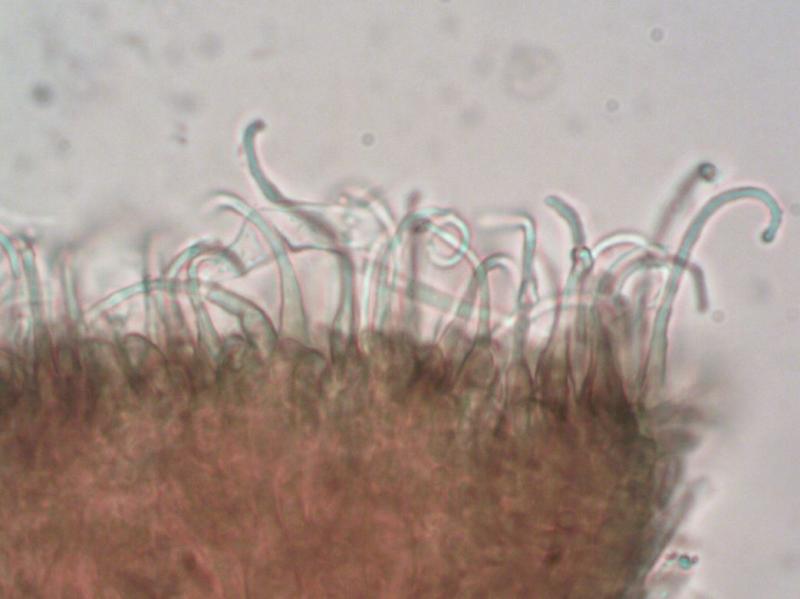
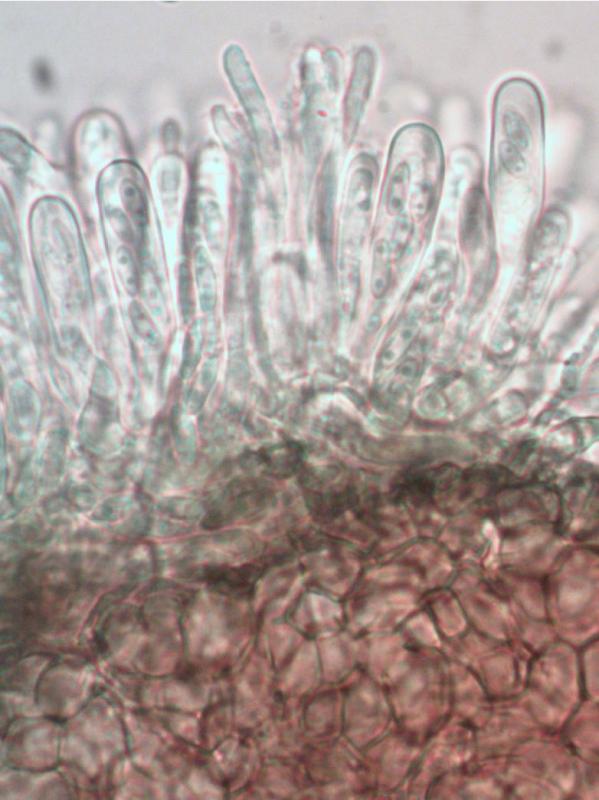
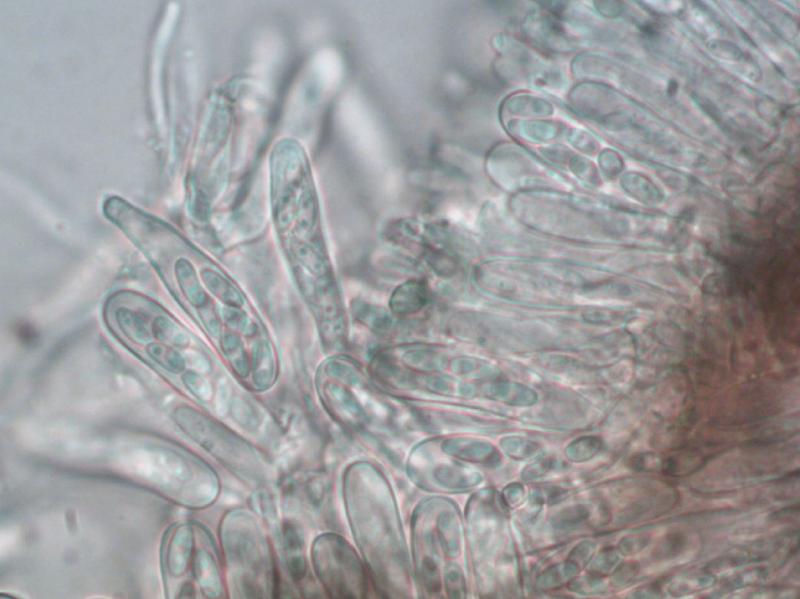
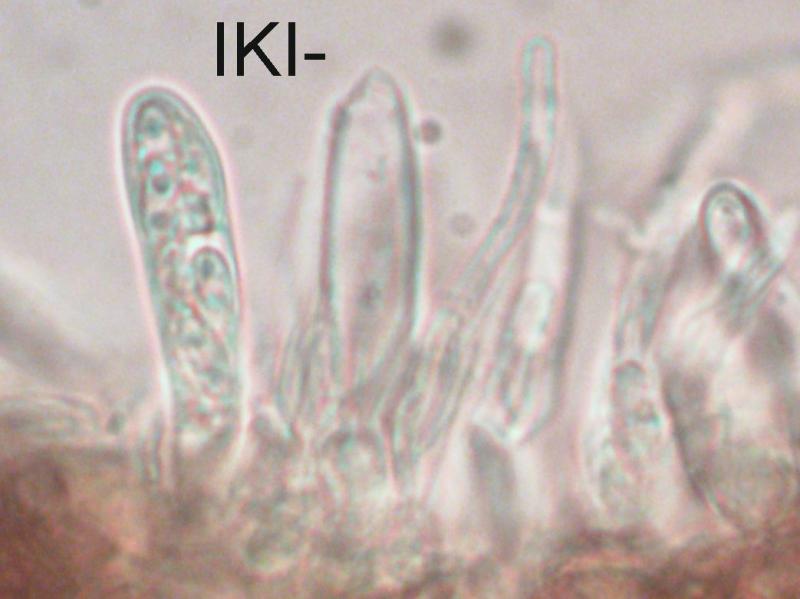
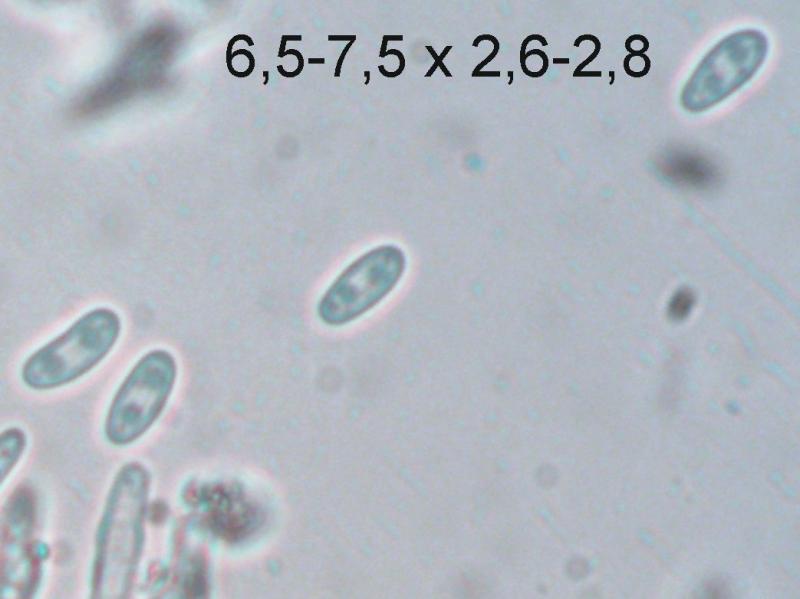
I don't even get to the genus with this tiny ascos. On a Fraxinus twig, the size is about 1 mm. The hair-like elements on the outer side are characteristically slender, smooth and bended. The excipular layer is red, made of rather angular cells. Asci small, base not hooked, clearly inamiloid (tested with lugol). Spores smooth and hyaline, 6,5-7,5x2,6-2,8 um, with two developed droplets. Paraphyses simple, without guttulation.
In companion with Massaria and Diatrypella.
Thank you for any help!
Nicolas VAN VOOREN,
02-01-2024 18:46

Re : Tiny ascocarps with bended hairs
This is an Unguilariopsis species.
Lothar Krieglsteiner,
02-01-2024 18:50

Re : Tiny ascocarps with bended hairs
Unguiculariopsis :-)
Koszka Attila,
02-01-2024 18:55
Re : Tiny ascocarps with bended hairs
Wow, thanks!
It looks like U. robergei complex... of course now it's much easier that way :-)