
10-06-2026 21:16
 François Freléchoux
Bonsoir,Le dernier du jour, en attendant votre avi
11-06-2026 19:01
 William Slosse
Hello all,In an attempt to make a culture of a sus
11-06-2026 19:03
 Nicolas VAN VOOREN
Chers membres d'Ascofrance,Le site sera placé en

09-06-2026 18:32
Camille MertensSur morceau de roseau immergé 0,5 - 0,7 mm de dia
10-06-2026 12:54
Steve ClementsBonjour encore, Pouvez-vous m'aider, s'il vous pl
10-06-2026 21:07
François Freléchoux
Toutes les tiges de gentianes jaunes de l'an passÃ
10-06-2026 13:41
François Freléchoux
Bonjour à nouveau, Voici une trouvaille d'hier.
10-06-2026 11:53
Steve ClementsBonjour, This disco is abundant on dead stems of

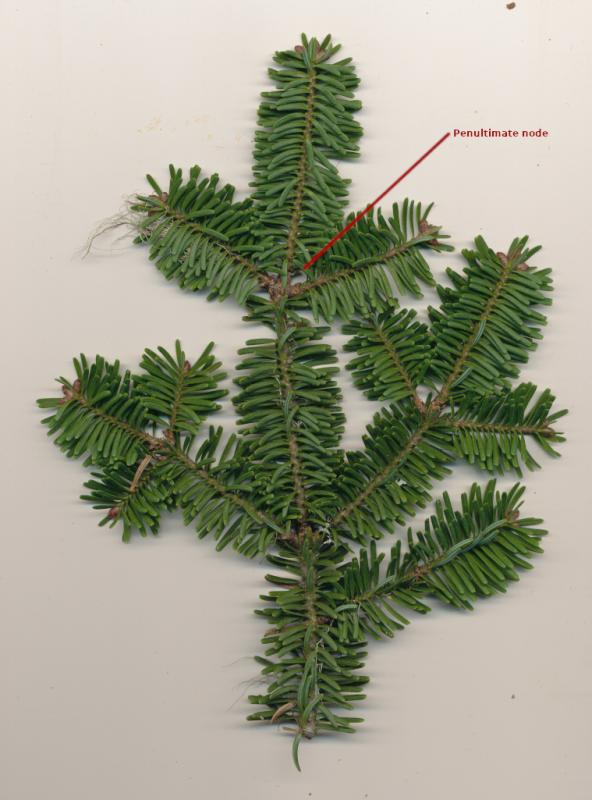
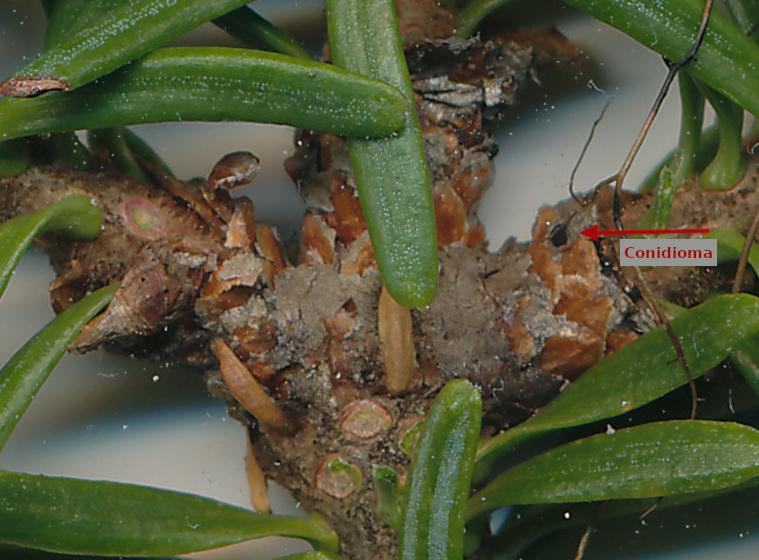
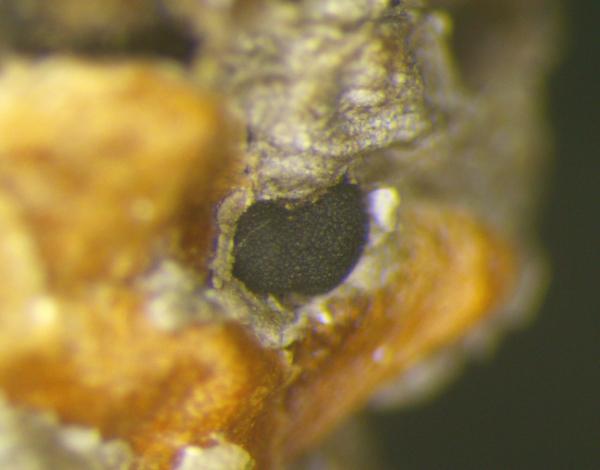
The fungus produces conidiomata on the previous season's bud scales of Abies balsamea. It is very common on older trees along the coast of the Bay of Fundy in New Brunswick. It is mature in May-June but can be found as early as January.
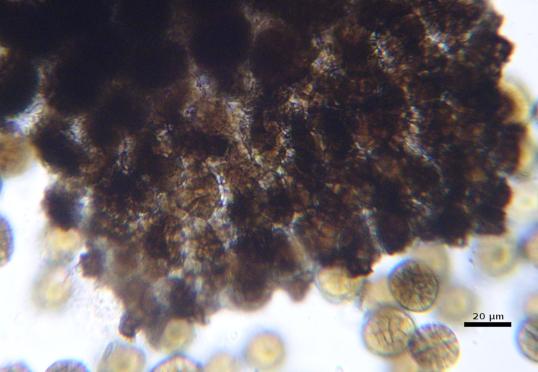
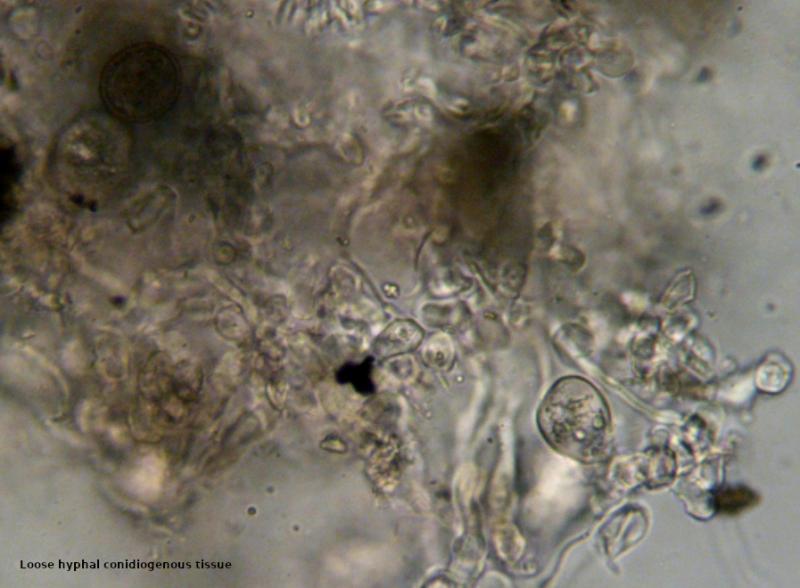
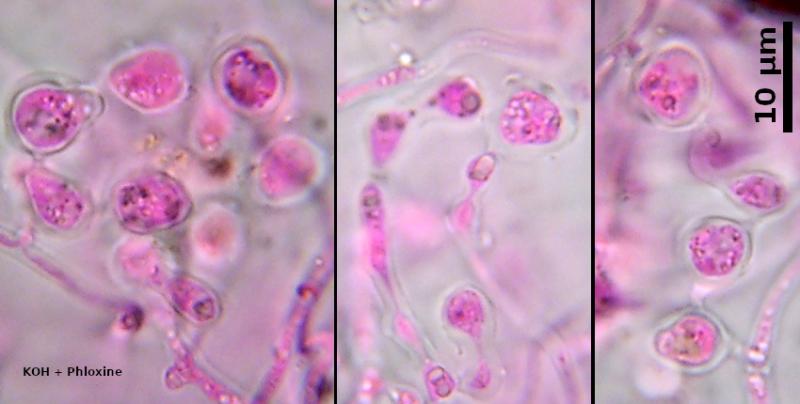
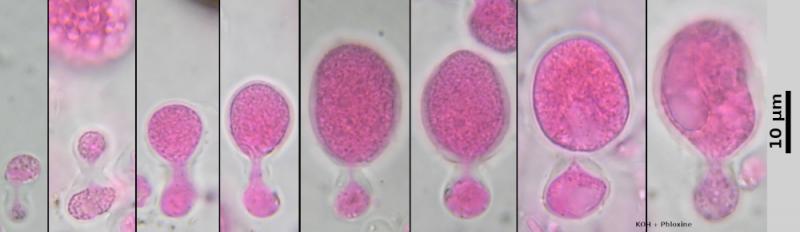
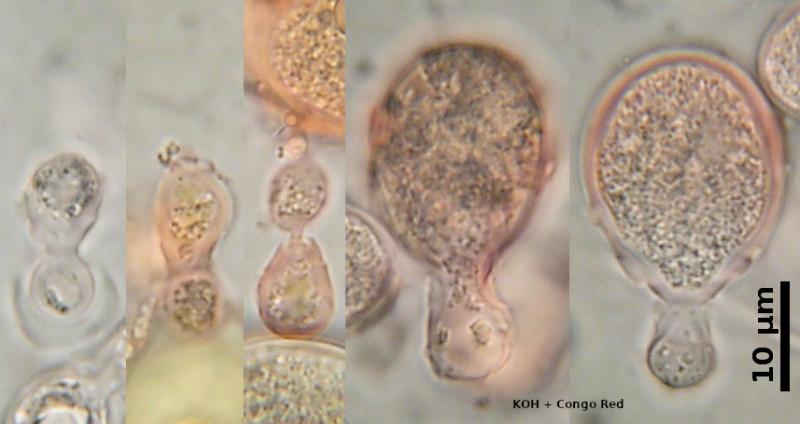
The conidiogenous system is hyphal and fills the centrum as a loose tangled mass. The conidiogenous cells are produced on this system and appear to be phialides. The conidia are ovoid, brown and muriform. Germination on DPYA is by continuous budding and never develops a hyphal colony.
Is anyone here familiar with this fungus?
David
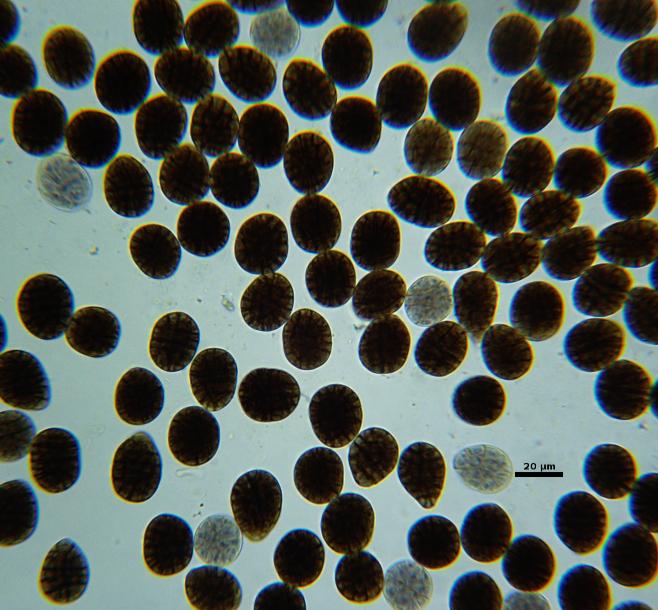
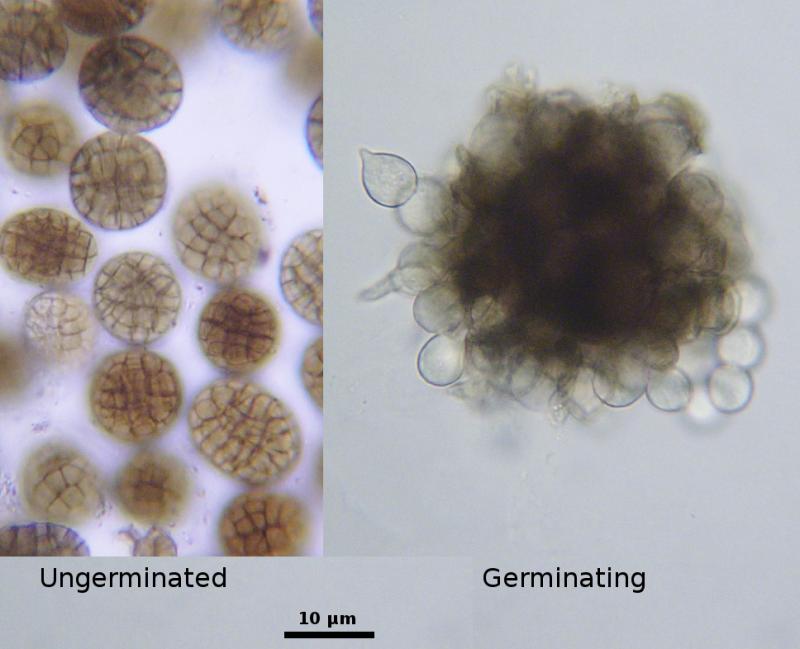
Your fungus has similarities with the illustration of Pseudocanalisporium circumfecundum from "The Genera of Hyphomycetes". Maybe this will help you.
best regards,
Thorben

I have the same coelomycete on hand right now. David, did you get news ?
Alain