

22-04-2026 20:17
 Marian Jagers
Is anyone familiar with the Hyphomycetes genus Pse
22-04-2026 20:54
 Enrique Rubio
Hi to everybody.This Pyrenopeziza grew in moist le
22-04-2026 01:06
 Richard VALERI
Bonjour à tous.Je vous présente cette Nectria s.
21-04-2026 13:36
Gernot FriebesHi,I am out of ideas for this one. I collected Sal
21-04-2026 13:19
Gernot FriebesHi,this Lophodermium on Typha has ascospores measu
21-04-2026 13:05
Gernot FriebesHi,this hyphomycete feels familiar but I was not a
Probably anamorph but I have never seen so big conidiophores.
Do you have any ideas?
greetings
Mirek
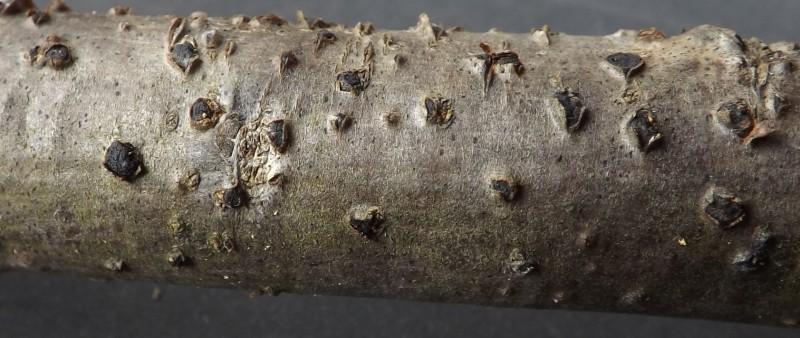
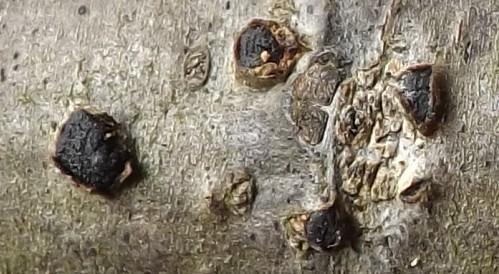
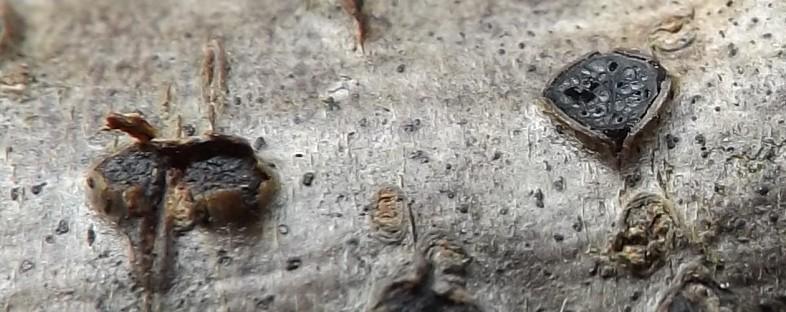
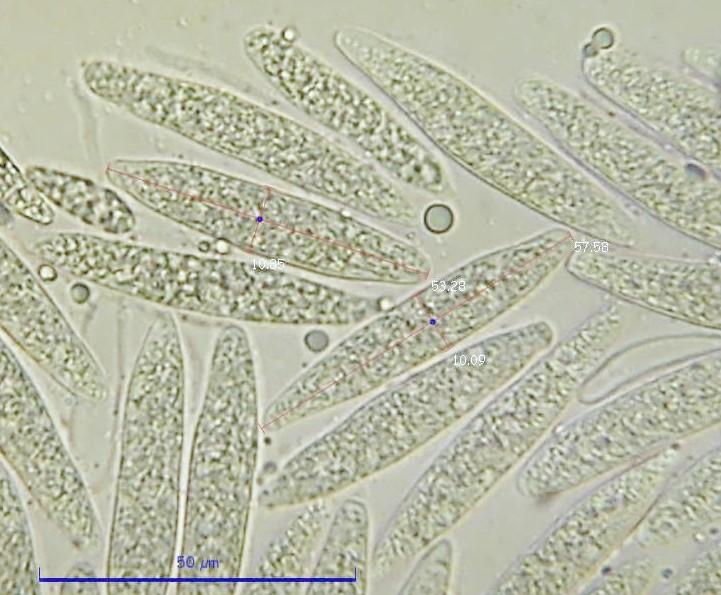
In the last photo, it's not asci.
This looks rather on conidiphores which length is greater than 50µm.
I made a few more photos:
Mirek
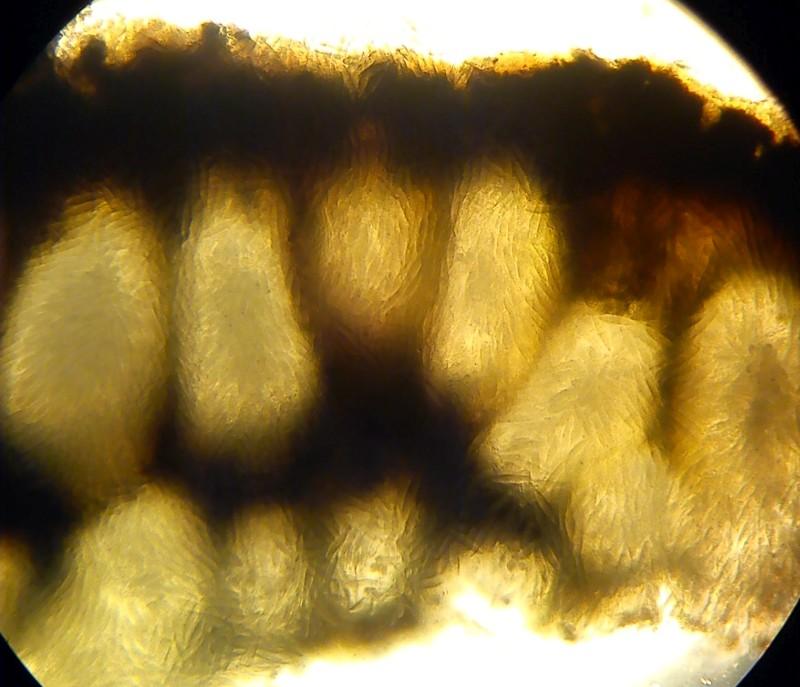
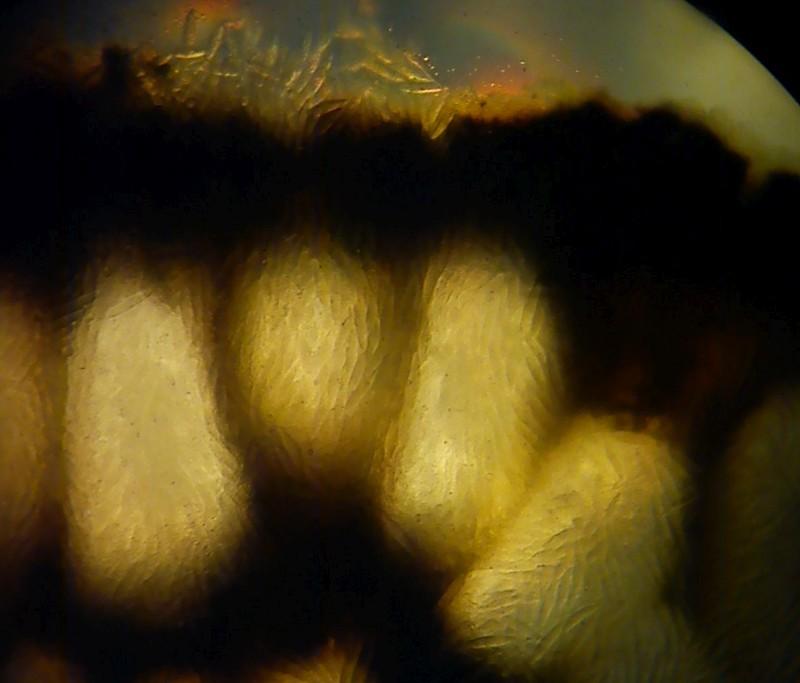
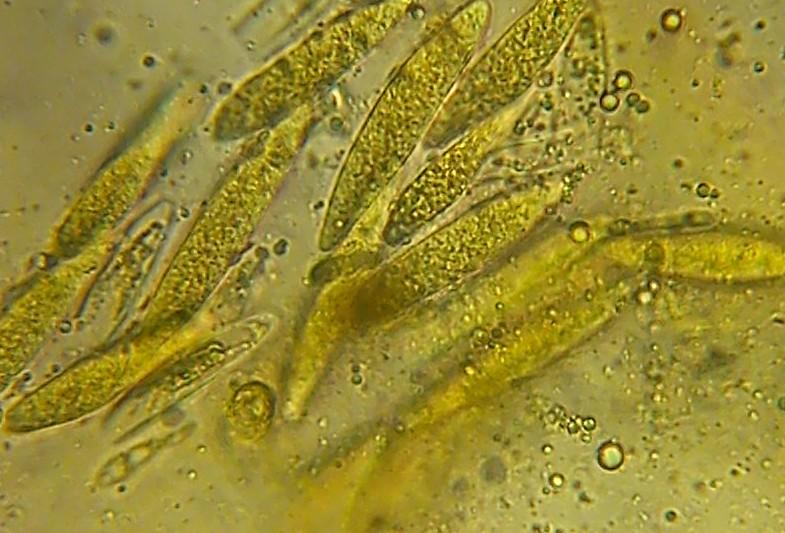
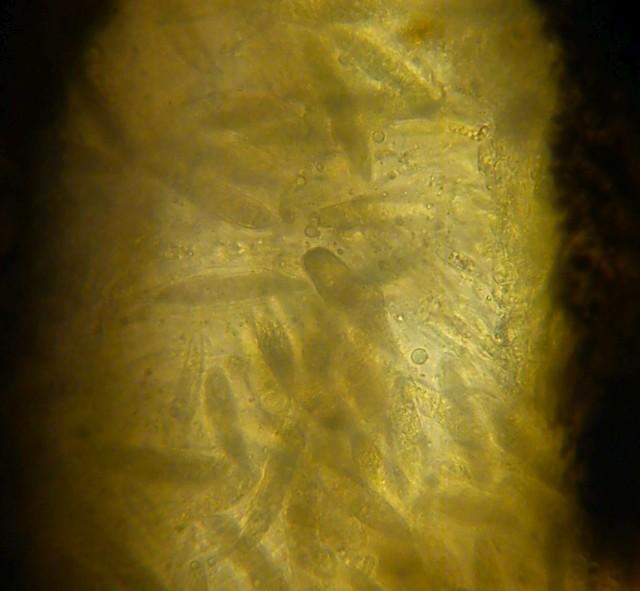
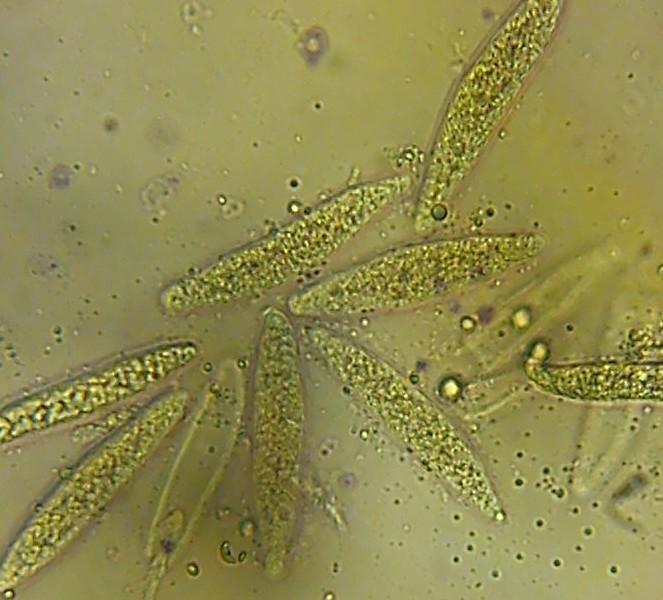
I think these are only inmature asci. I think you should wait
I will stop branches for further observation.
Thank you
Mirek
I have not read yet, I will leave myself for an evening but it seems to me that I found a response :)
Botryosphaeria?
https://www.researchgate.net/publication/259155846_The_Botryosphaeriaceae_Genera_and_species_known_from_culture
greetings
Mirek
He realizes that here, in turn, macroscopic features do not fit.
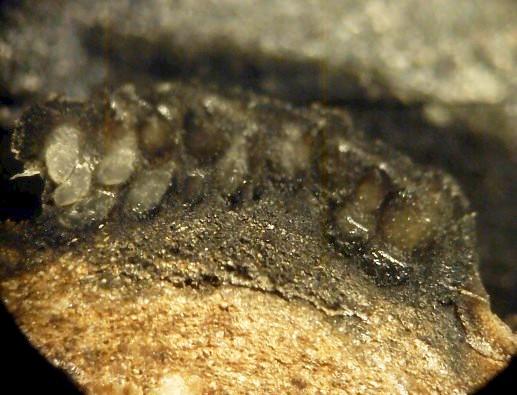
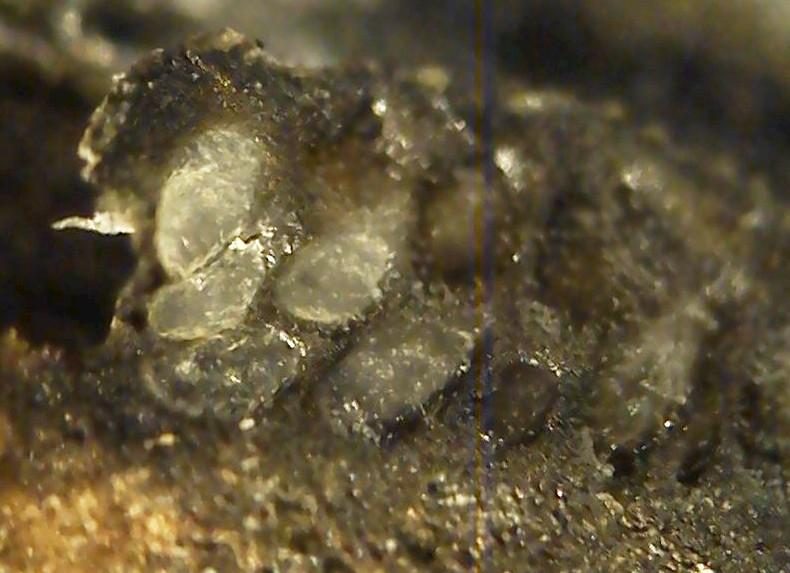
Not everyone has such a huge knowledge and experience as you. When, you also started your adventure with mushrooms and you did not have such knowledge as now, you certainly tried different ways.
If you claim that these are ASCI I will not protest. I do not have such a lot of experience as you, but I think I am on such a level that I can distinguish them from spores.
Have a nice day
Forgive me if I accidentally offended, I did not have this intention.
My English basically does not exist so I use a translator.
The translator is very useful, but still very much missing for excellence :(
Mirek
We never have enough experience to know everything, and in fact I may be wrong, but what I do know is that in order to study something we have to have accurate data and in your case we do not.
Best regards
It lasted a bit but I had to be sure that I study ascomata fully mature. I kept the collection in a damp room.
Yesterday they appeared on the surface of Ascomata free conidiophores.
I made two more conidiophores measurements.
1) Downloaded from ascomata
(48.7) 51.5 - 64.3 (69) × (8.1) 9.2 - 11.1 (11.2) µm
Q = (4.6) 4.8 - 6.6 (8.5); N = 33
Me = 56.1 × 10.2 µm; QE = 5.5
2) Free conidiophores
(58) 58.4 - 68 (70.5) × (11.3) 11.32 - 13.27 (13.3) µm
Q = (4.6) 4.61 - 5.8 (5.9); N = 14
Me = 63.8 × 12.3 µm; Qe = 5.2
As you can see their sizes, they do not match the species mentioned.
The Chinese described two other species with larger conidiophores than Melanops tulasnei. One of Quercus but with even larger conidiophores than in my collection.
I'm sorry, but unfortunately remain as Melanops sp.
Thank you all for valuable comments
greetings
Mirek