
02-05-2026 12:42
Alain BRISSARDBonjour à tousJeuidi 30 avril dernier on m'a remi
02-05-2026 13:06
Pauline. PennaBonjour Please can someone help me with this id
01-05-2026 22:45
 Thierry Blondelle
Bonjour à tous, Une récolte sur bouse séchée d
28-04-2026 20:07
 Lothar Krieglsteiner
... on twig in the air at standing Ceratonia siliq
14-04-2026 05:32
Ethan CrensonHi all, A few weeks back a friend pointed out som
28-04-2026 20:33
Vitus SchäfftleinHello, I found Trochila ilicina on Ilex aquifoliu

30-04-2026 10:28
Rot BojanHello, by appearance I would say that I am dealing
27-04-2026 18:48
Tony MoverleyCollected 23rd April 2026, Norfolk, EnglandSwarms
27-04-2026 20:52
Lothar Krieglsteiner
Found on hanging tiwg of Olea europaea in dried-ou
Collected in Portugal, Algarve, nature reserve Fonte Benemola north of Loule, 3.1.2018.
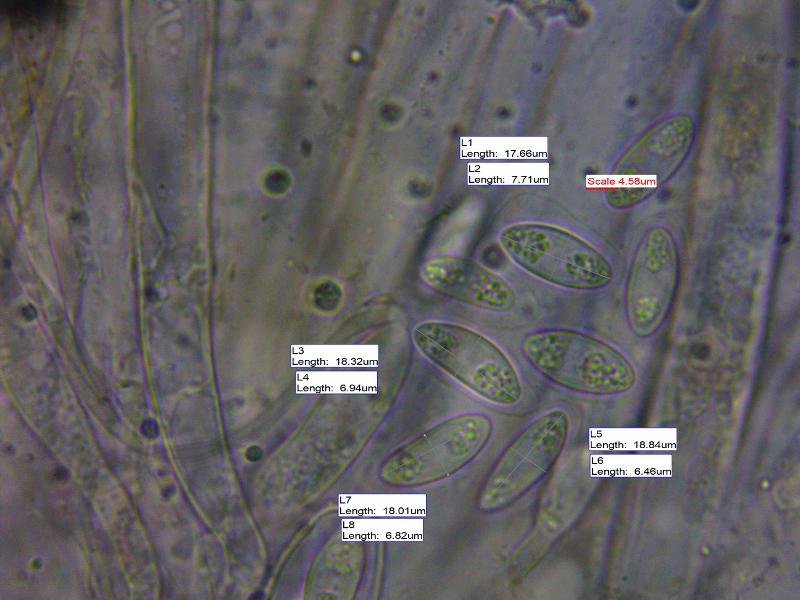
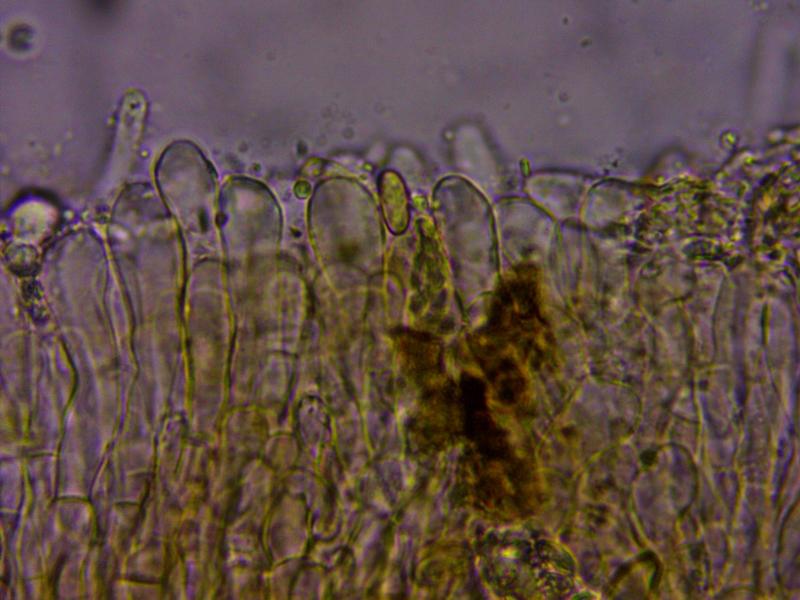
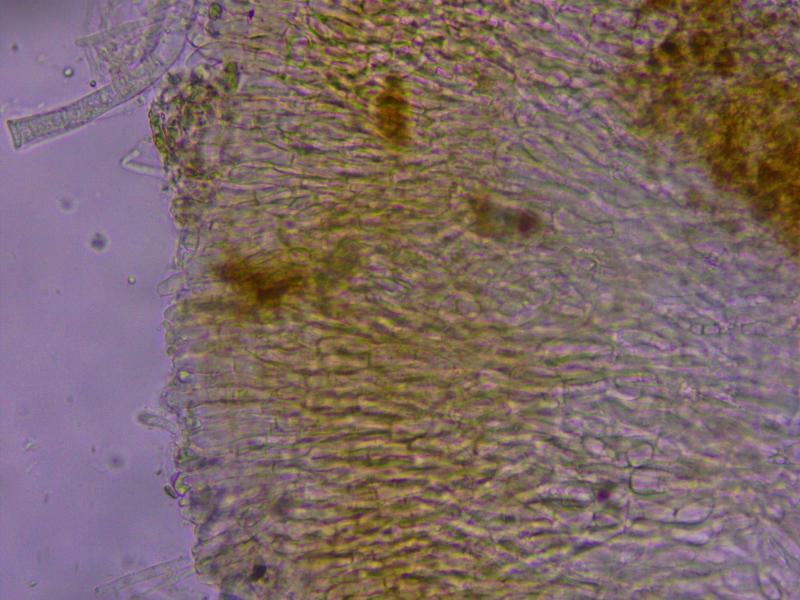
Substrate is Arundo donax, as the leaf remains were partly still adhering to the thick lying stems. Unfortunately, most of the collection is badly ripe but I think I could get most of the important characters. Unripe spores in the asci mostly were much smaller (maybe 12-15 µm) than the free ones I measured here.
The IKI-reaction of the asci is weak and cannot be seen at all asci. For some time, I was not at all sure to have an inoperculate discomycete - but my pictures clearly show the porus.
I think this should be looked for in the Sclerotiniaceae (?) - but I do not have a good idea about the genus and species.
Who can help?
Best regards from Lothar
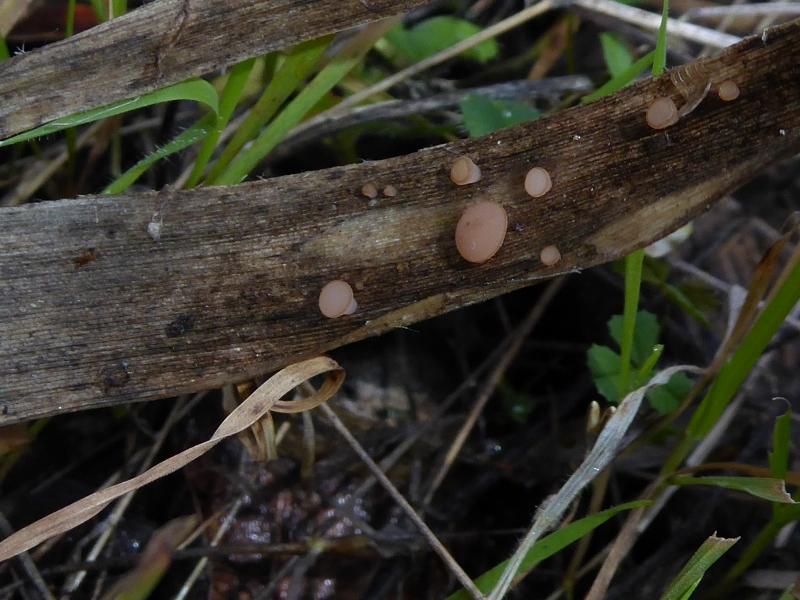
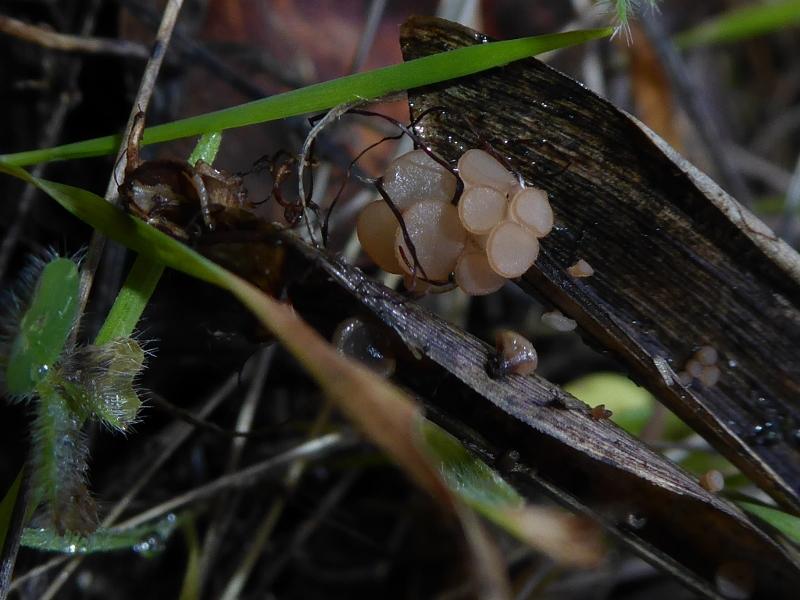
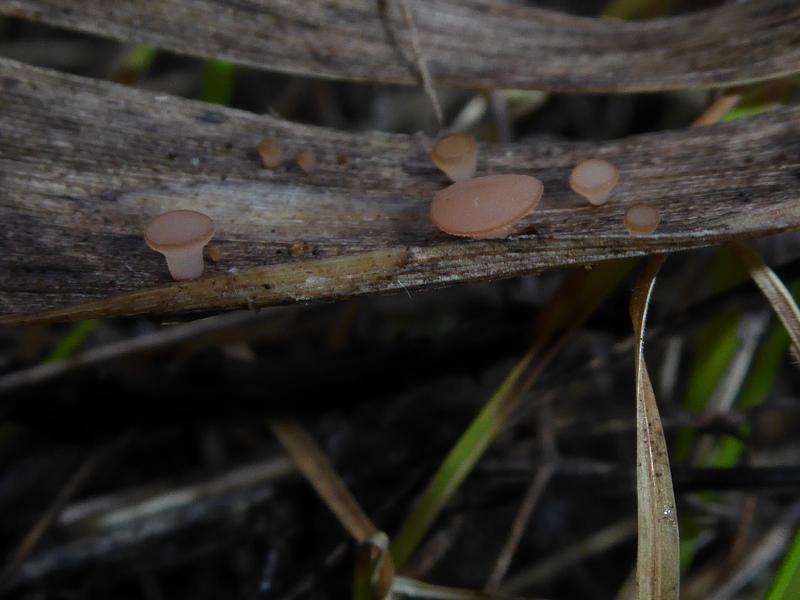
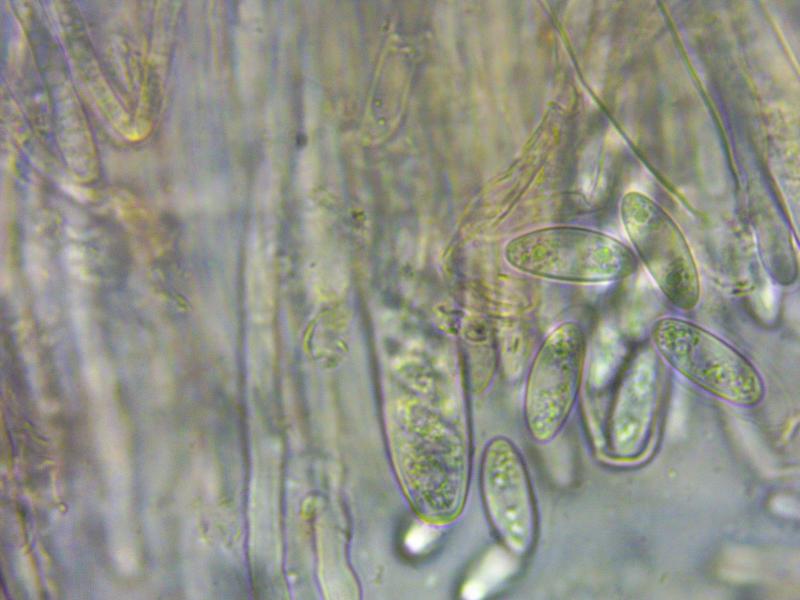
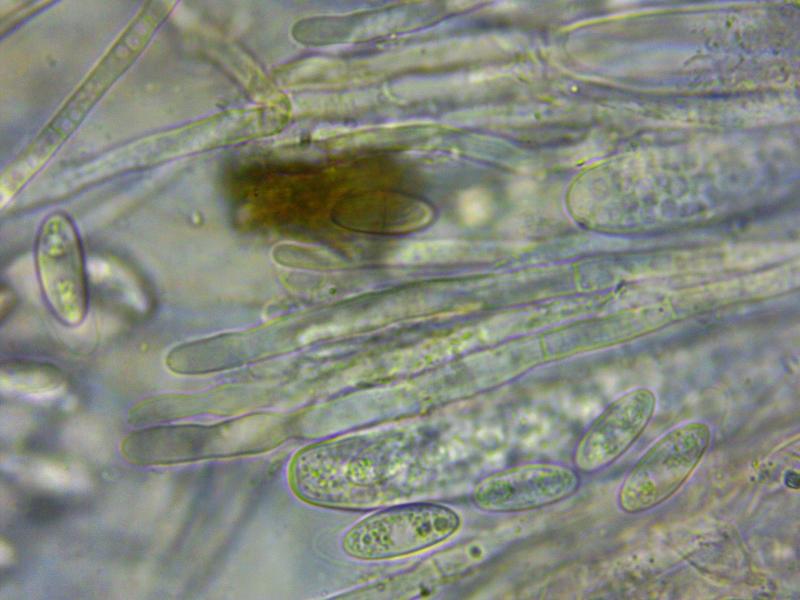
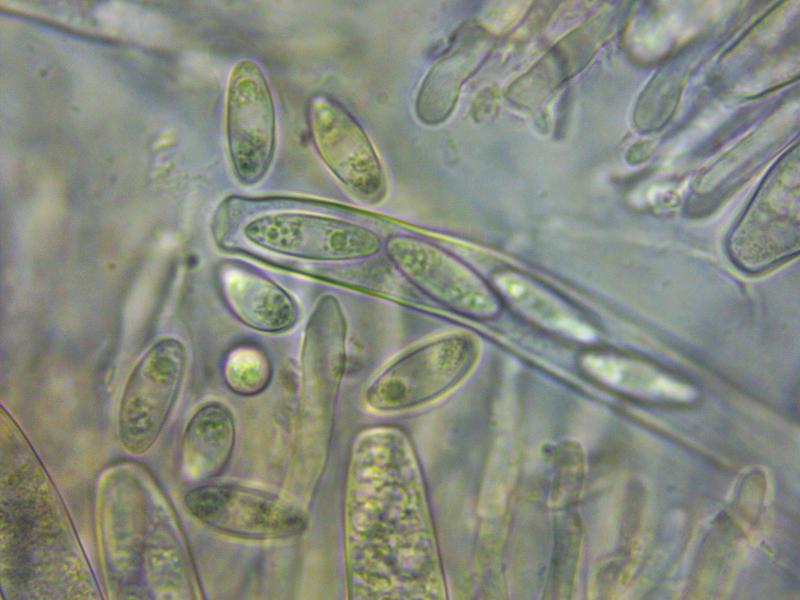
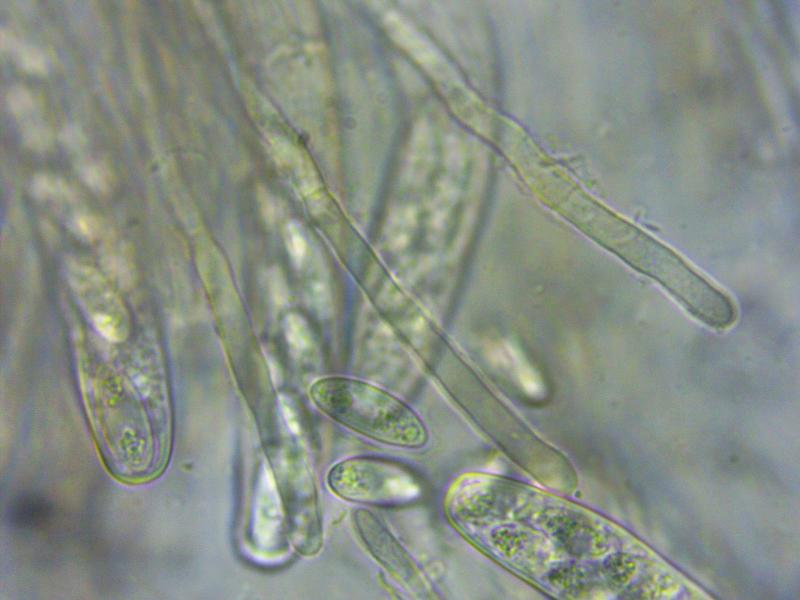
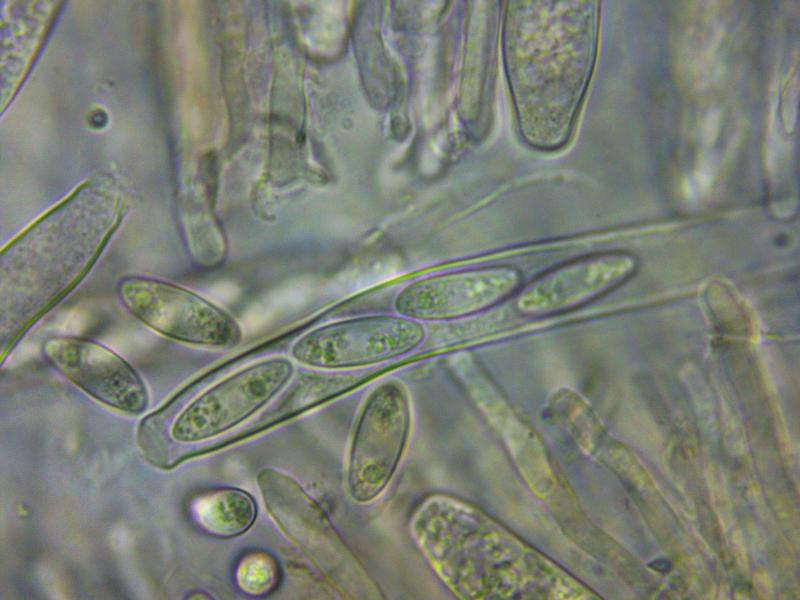
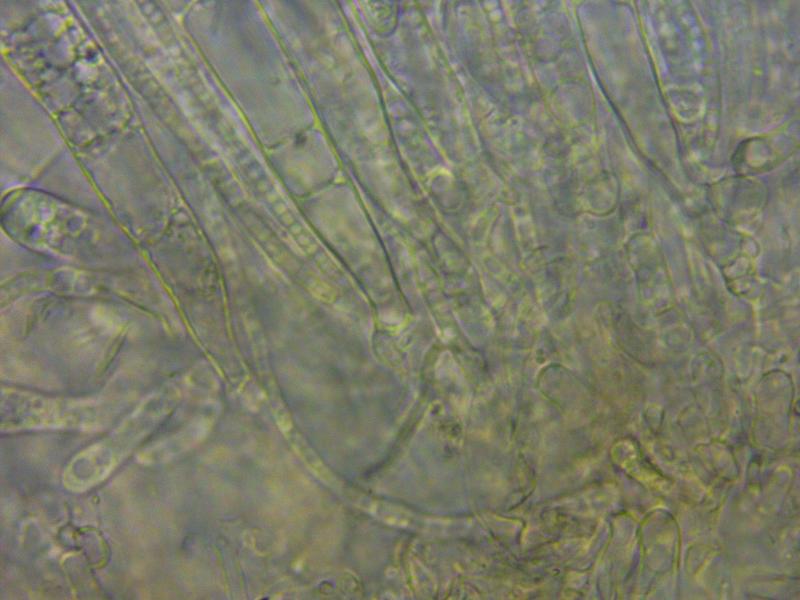

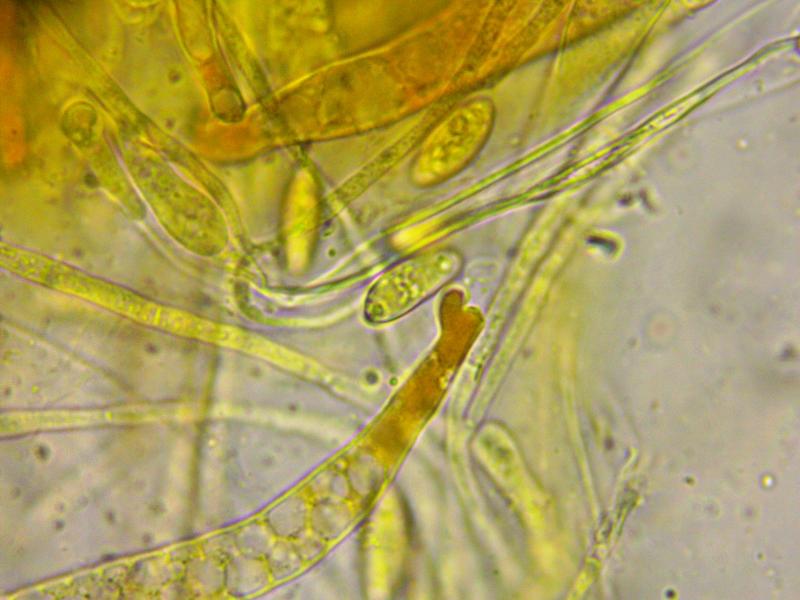
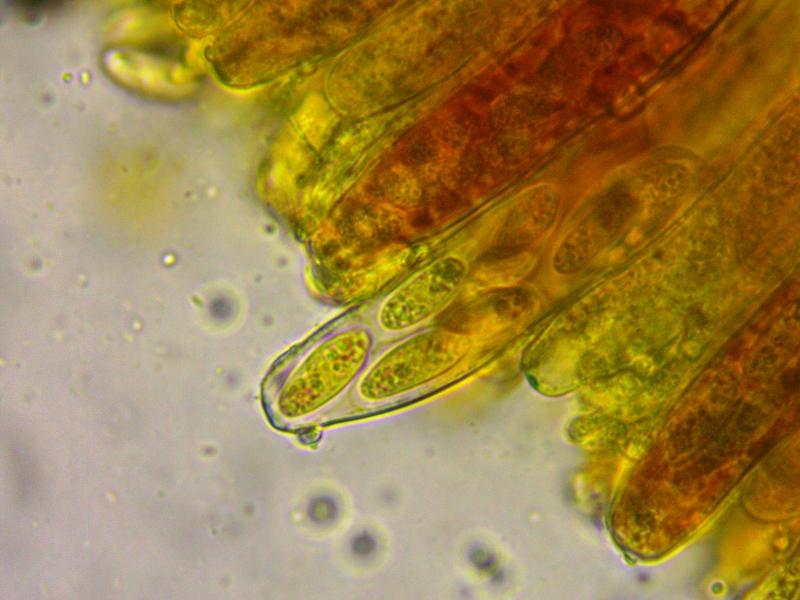
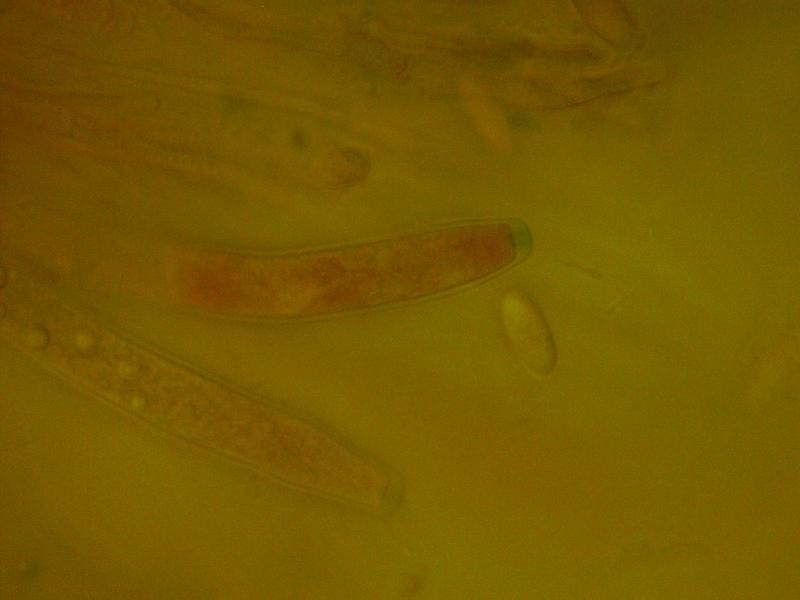
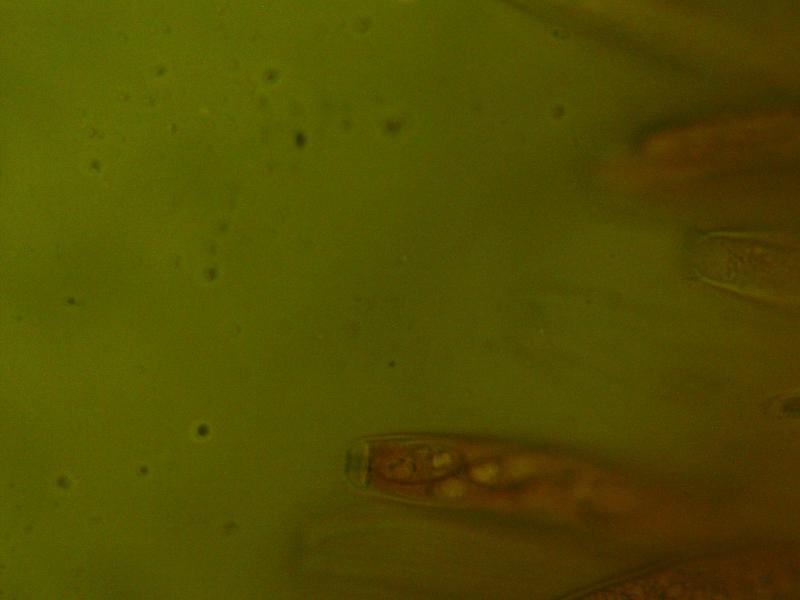
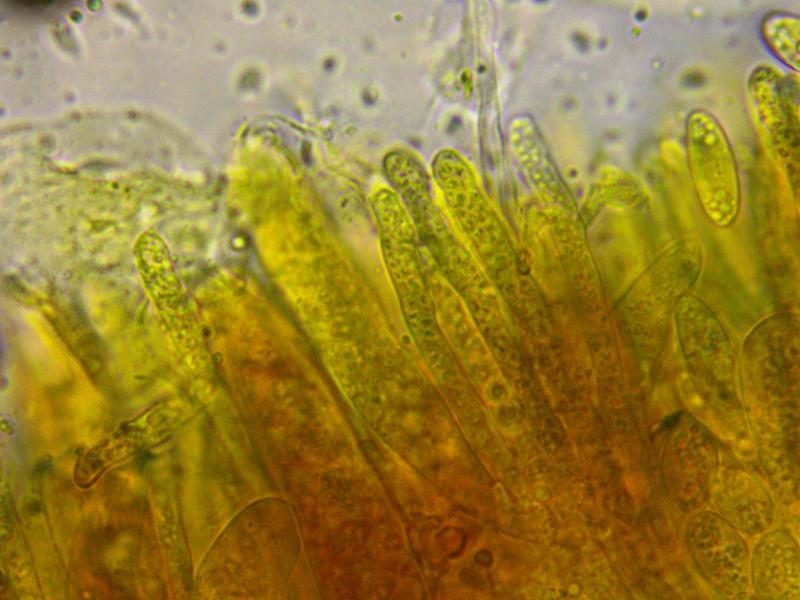

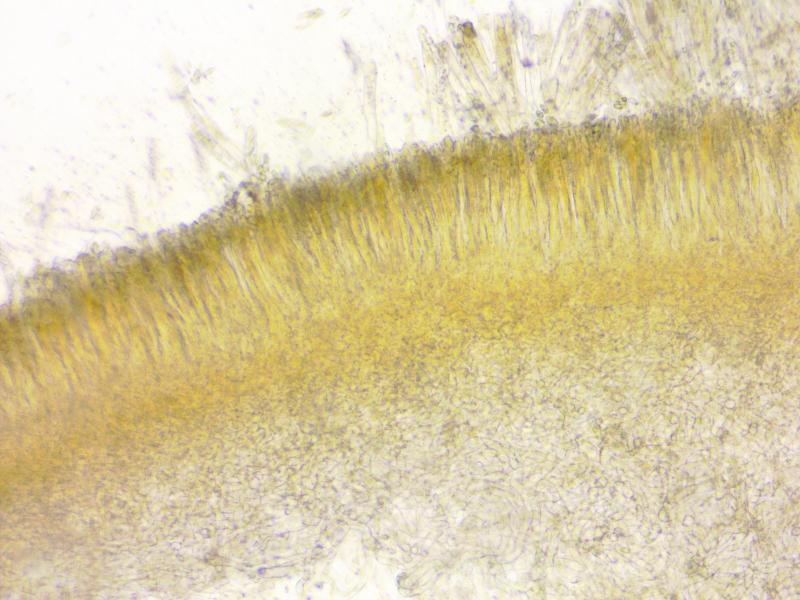
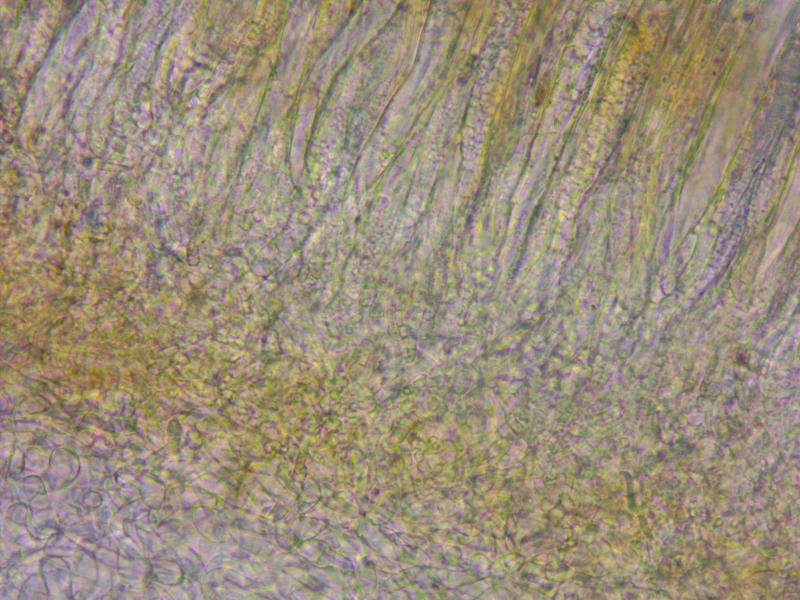

I see true croziers on your photo, though a bit difficult to recognize, because also basal protuberances occur. This and the occurrence on Poaceae speaks for Rutstroemia calopus. In my folders this is the unpublished genus Clarireedia which exists only in the web. Actually, this group stands apart from Rutstroemia in phylotrees. It was suggested for the dollarspot disease Sclerotinia homoeocarpa, which clustered with a R. paludosa sequence in CBS (see my homoeocarpa folder).
Zotto
Hello Zotto,
thanks a lot for your expertise. I had thought of R. calopus but got away of it because I found the spores not typical for a Rutstroemia.
Nice to have a name, then :-)
Thanks again and best regards, Lothar