25-03-2026 10:35
Hulda Caroline HolteHello,I collected this species growing on a dead b
30-03-2026 12:03
 William Slosse
Hello all,On 27/03/26, in Kraaiveld in Wingene (Be
30-03-2026 09:53
Yanick BOULANGERBonjourVoici des petites fructifications poilues s
27-03-2026 10:47
Åge OterhalsI have tentatively identified this Stictis to S. f
28-03-2026 07:55
 Marc Detollenaere
Hello everybody,Yesterday I found a number of whit
26-03-2026 15:31
 Åke Widgren
Hello,I found this one in October last year, on r
27-03-2026 15:23
Gernot FriebesHi,this Trichopezizella deviates from typical T. b
27-03-2026 15:08
Gernot FriebesHi,I'm looking for help with this coelomycete on C
Asco sur Inonotus dryadeus
Bernard CLESSE,
16-08-2017 19:20
 Bonsoir à tous,
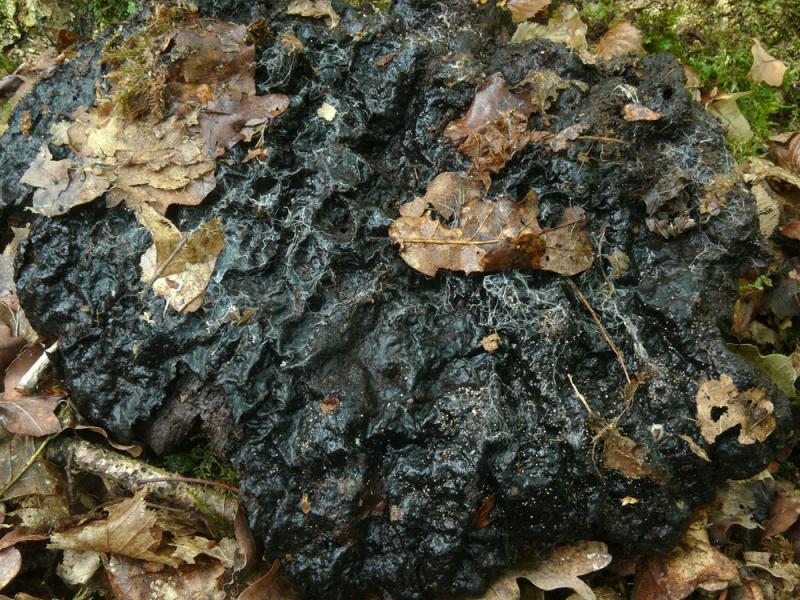
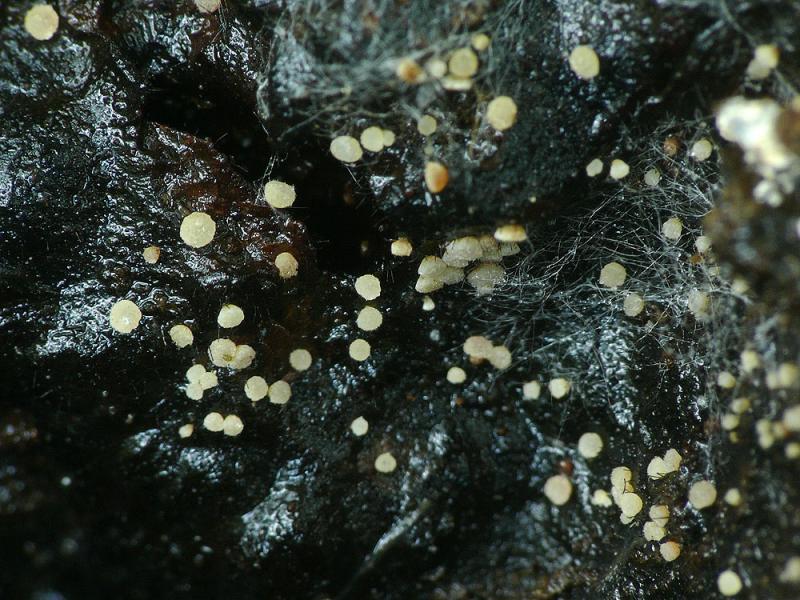
Hier j'ai trouvé, sur vieux polypore pourri (Inonotus dryadeus) au pied d'un chêne, cet ascomycète.
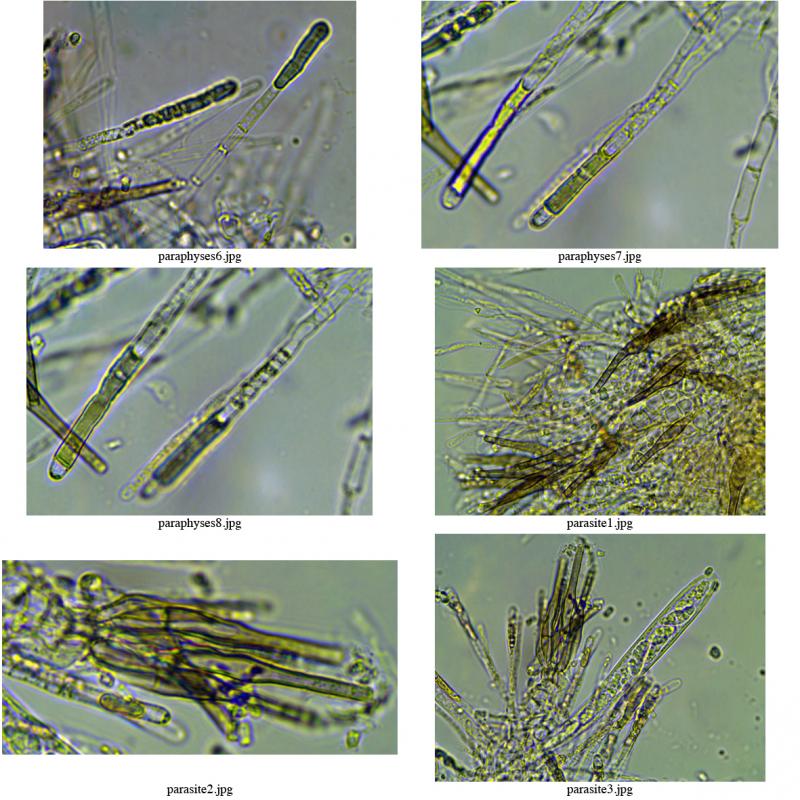
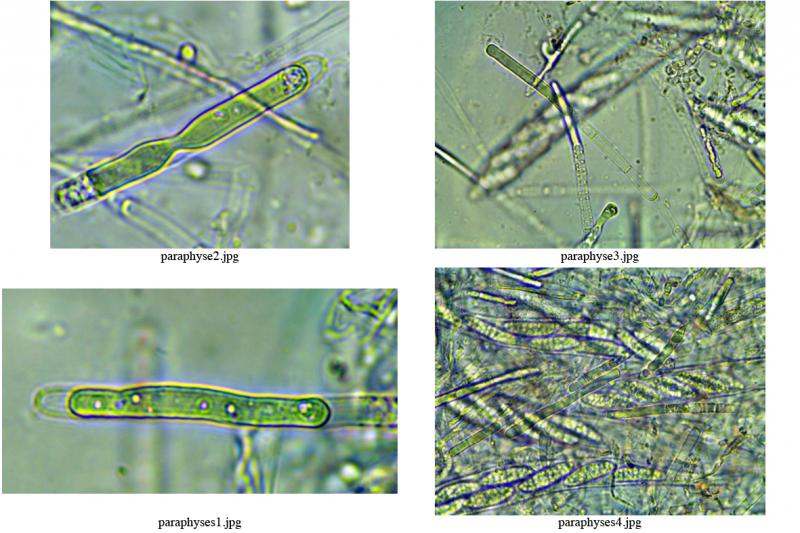
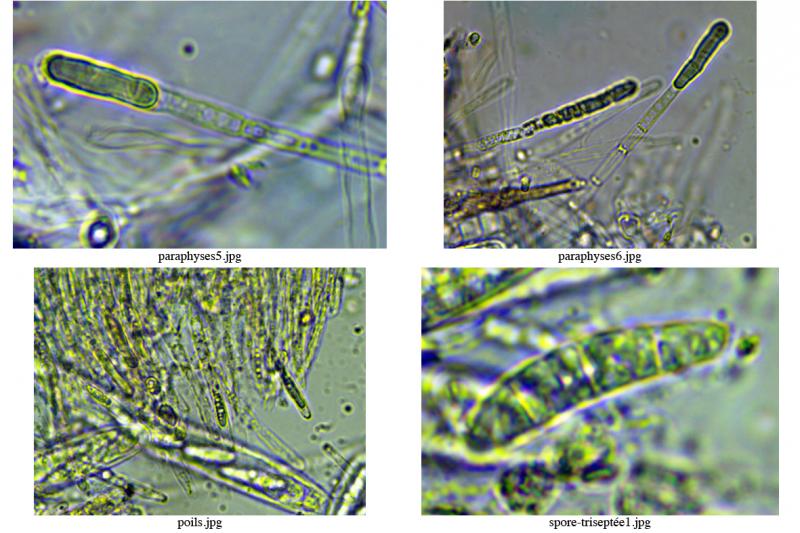
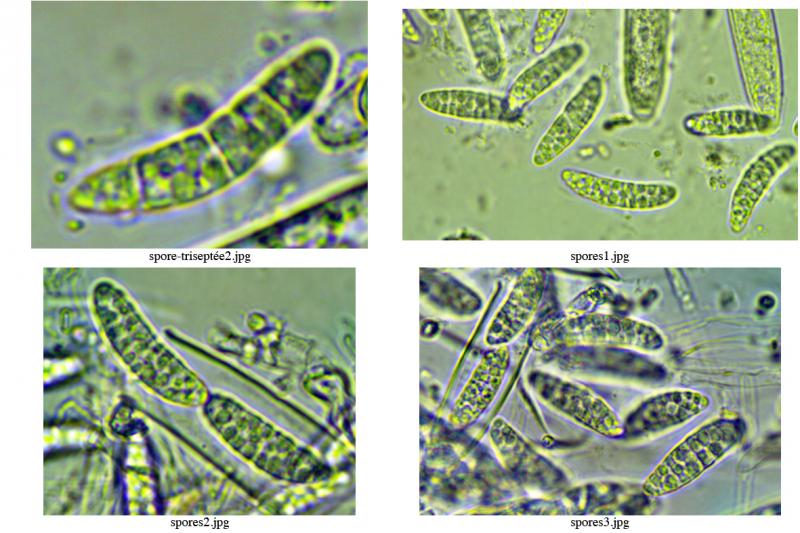
a) paraphyses hyalines, cylindriques, septées, à contenu réfringent
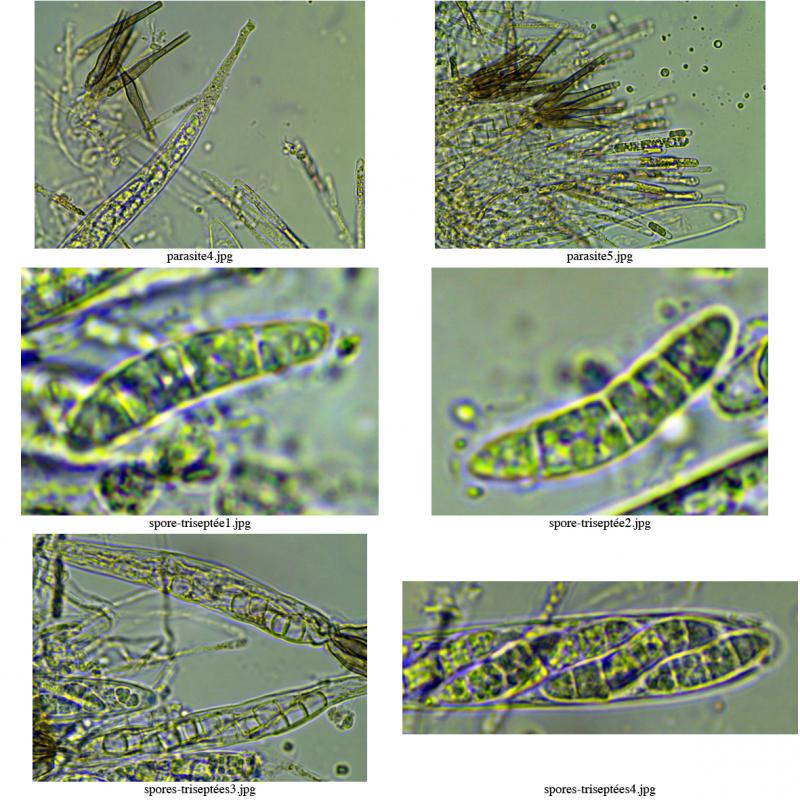
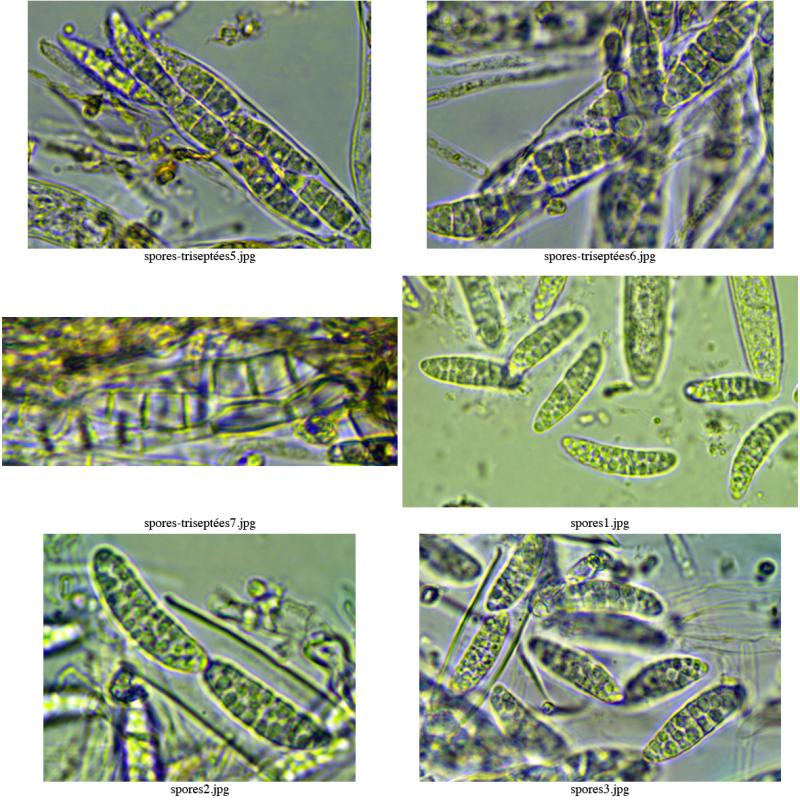
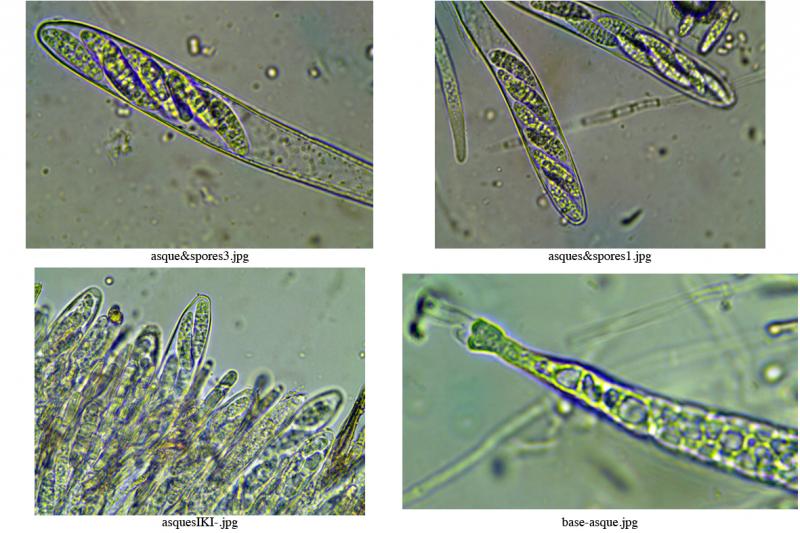
b) spores subfusiformes, arquées, remplies de guttules et triseptées à maturité : 18-24x5-6,5
c) asques IKI-, à crochet à la base
d) poils serrés, ± subulés, arrondis au sommet, à contenu réfringent
Une idée ?
Bernard
Kosonen Timo,
17-08-2017 09:03

Re : Asco sur Inonotus dryadeus
Hi Bernard,
I think we are somewhere in the world of "bald" discos with strong IKI reaction in the paraphyses (the same VB visible in your photos turns amber). Phaeohelotium/Calycina/Trabinella - just shooting names (from Zotto's folders). Maybe Zotto has a good suggestion for this big-spored species. Maybe this one also falls into "Pezizellaceae", otherwise the big picture is still unclear here as far as I know...
Timo
I think we are somewhere in the world of "bald" discos with strong IKI reaction in the paraphyses (the same VB visible in your photos turns amber). Phaeohelotium/Calycina/Trabinella - just shooting names (from Zotto's folders). Maybe Zotto has a good suggestion for this big-spored species. Maybe this one also falls into "Pezizellaceae", otherwise the big picture is still unclear here as far as I know...
Timo
Bernard CLESSE,
18-08-2017 23:31
Re : Asco sur Inonotus dryadeus
Hi Timo,
Thank you for your opinion !
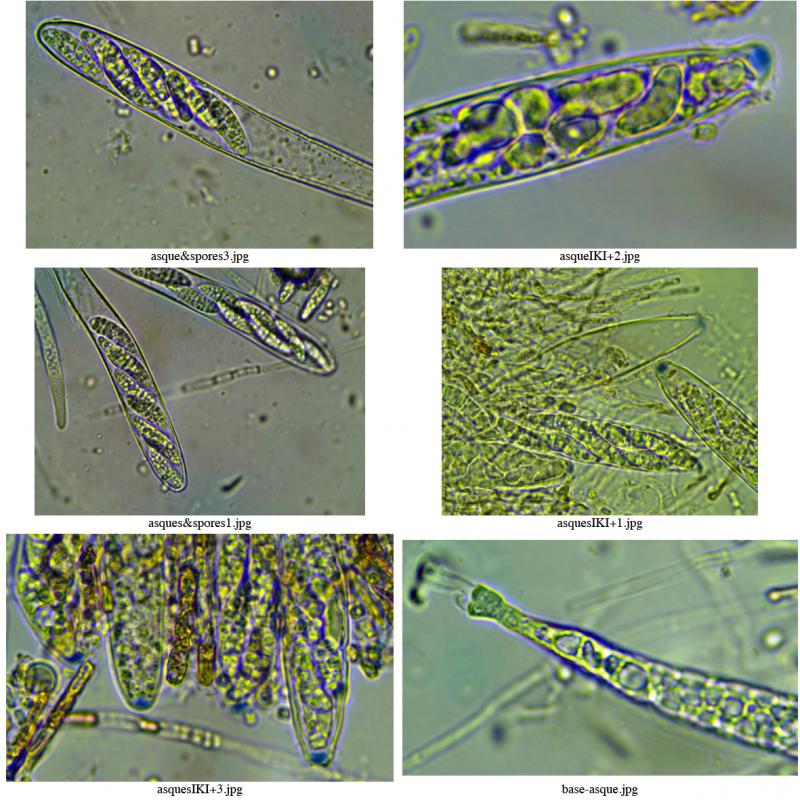
I have done some photos of the asci that are well IKI + and not IKI- as I had previously reported. Apparently, the reaction does not come on.
Thank you for your opinion !
I have done some photos of the asci that are well IKI + and not IKI- as I had previously reported. Apparently, the reaction does not come on.
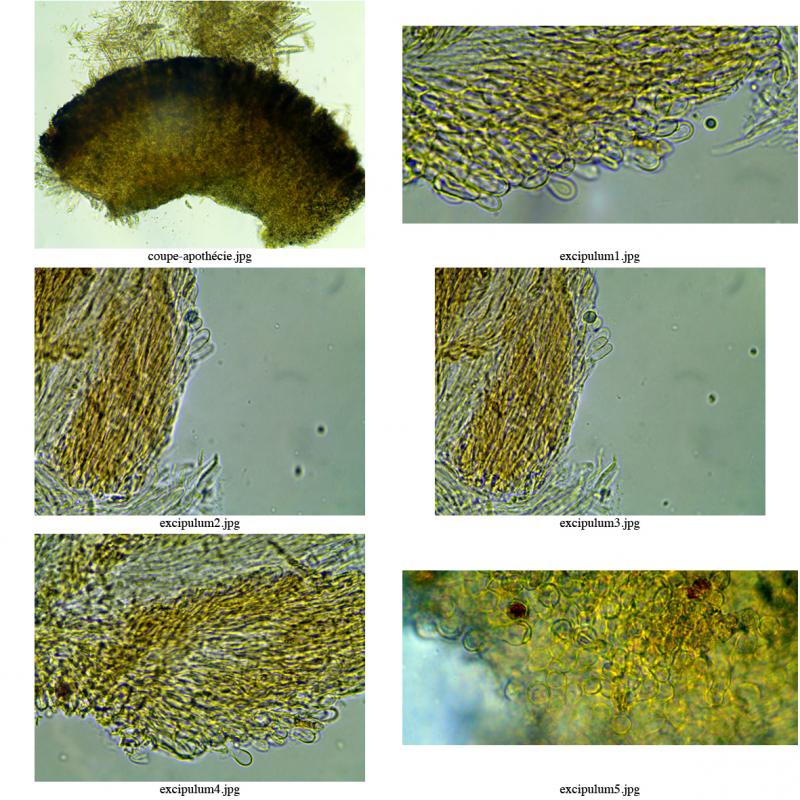
I also observed the excipulum that seems typical. I see clavate cells.
Best regards,
Bernard
Bernard CLESSE,
18-08-2017 23:34
Re : Asco sur Inonotus dryadeus
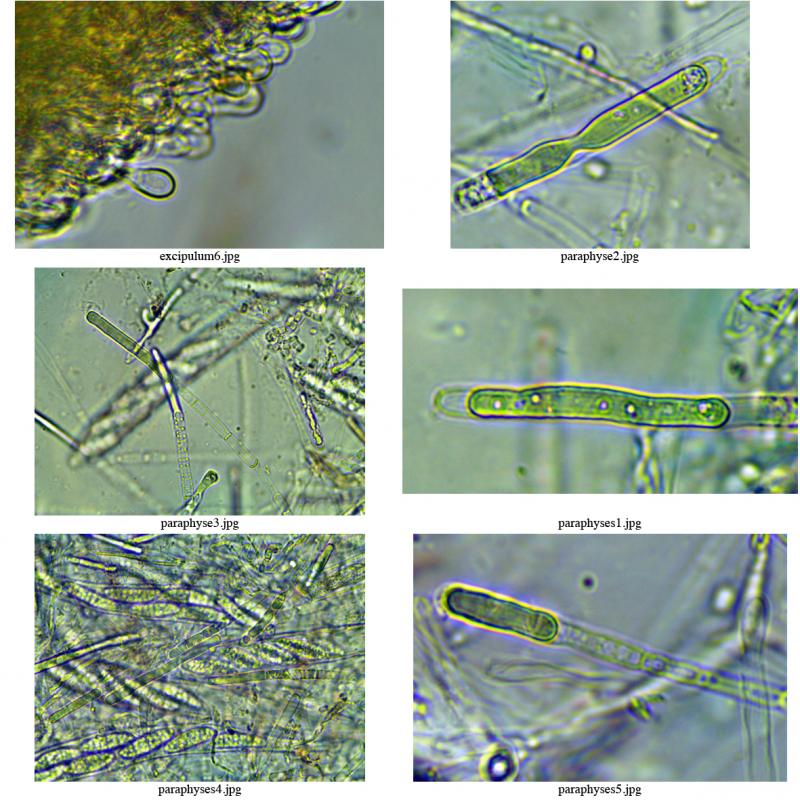
And here are the next pictures…
Bernard
Bernard