
03-05-2026 10:57
 Castillo Joseba
Me mandan el material seco de Galicia (España) re
02-05-2026 12:42
Alain BRISSARDBonjour à tousJeuidi 30 avril dernier on m'a remi
02-05-2026 13:06
Pauline. PennaBonjour Please can someone help me with this id
01-05-2026 22:45
 Thierry Blondelle
Bonjour à tous, Une récolte sur bouse séchée d
28-04-2026 20:07
 Lothar Krieglsteiner
... on twig in the air at standing Ceratonia siliq
14-04-2026 05:32
Ethan CrensonHi all, A few weeks back a friend pointed out som
28-04-2026 20:33
Vitus SchäfftleinHello, I found Trochila ilicina on Ilex aquifoliu
30-04-2026 10:28
Rot BojanHello, by appearance I would say that I am dealing
 Bonsoir à tous,
J'ai récolté ce que je pense être Urceolella carestiana sur tige pourrie de ronce.
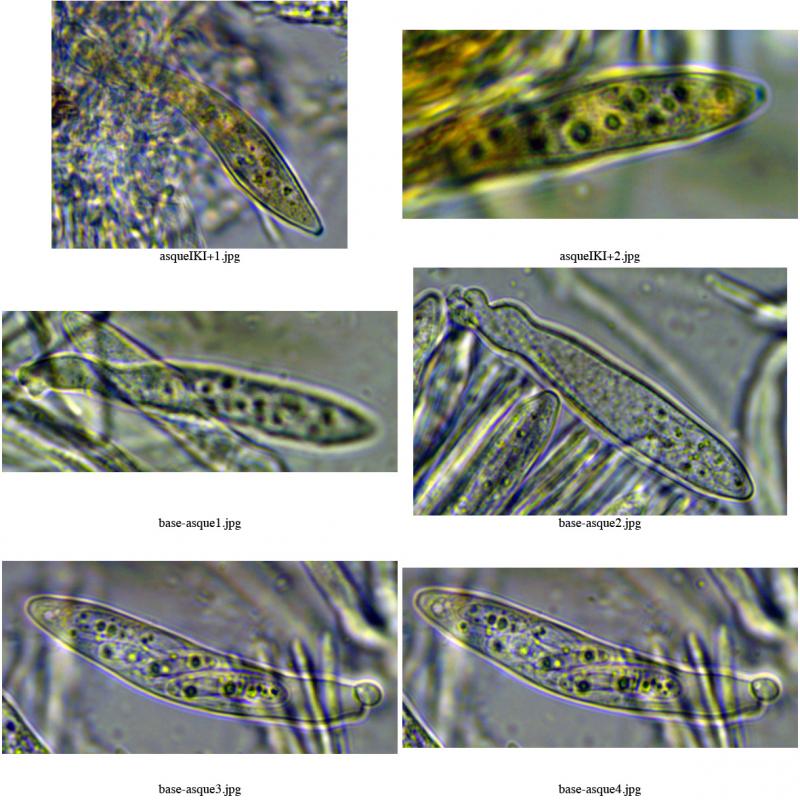
a) asques IKI+, à crochet à la base
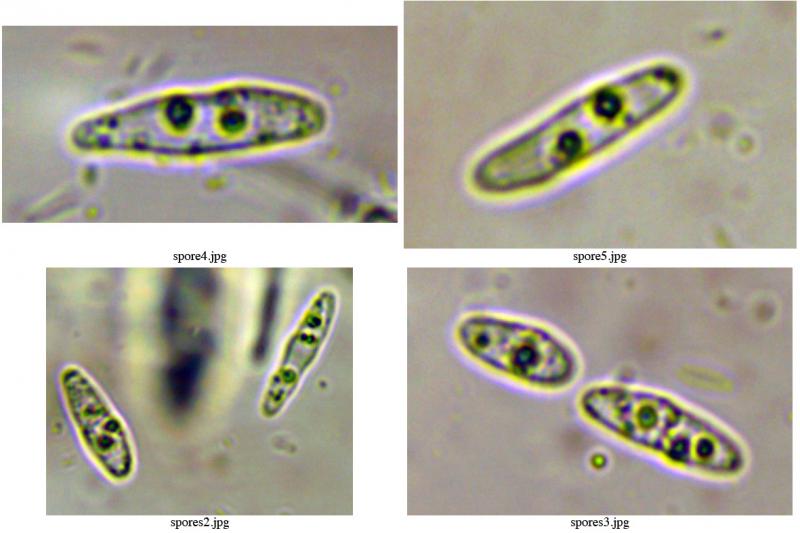
b) spores étroitement ellipsoïdes à cylindriques ou fusiformes, guttulées (uniseptées à maturité ?) : 9,5-17x3-4
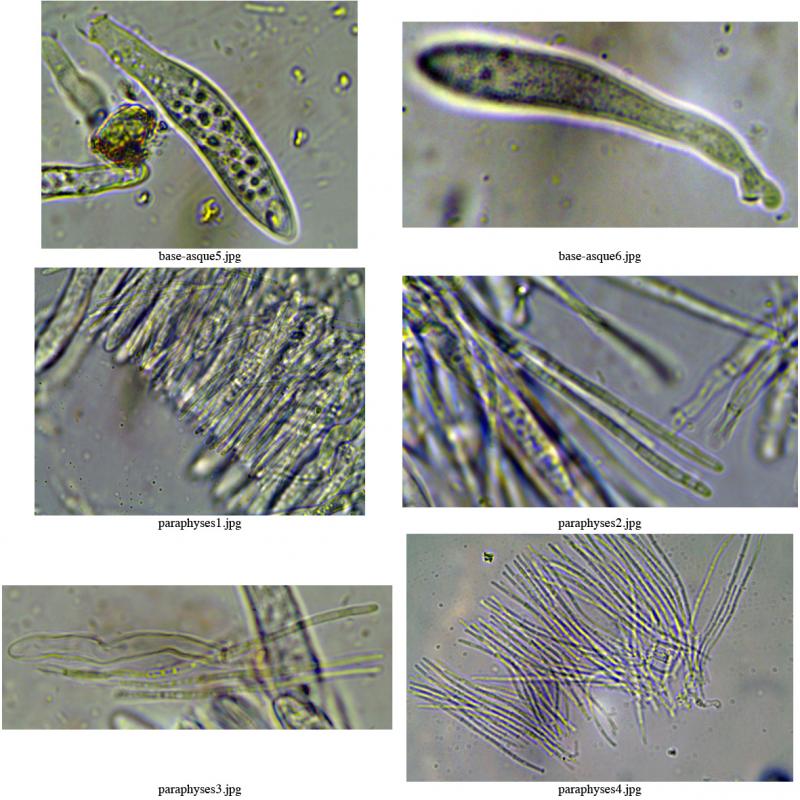
c) paraphyses filiformes, septées, hyalines, très serrées
d) poils coniques, à parois épaisses, septés, obtus-arrondis au sommet
Qu'en pensez-vous ?
Bernard
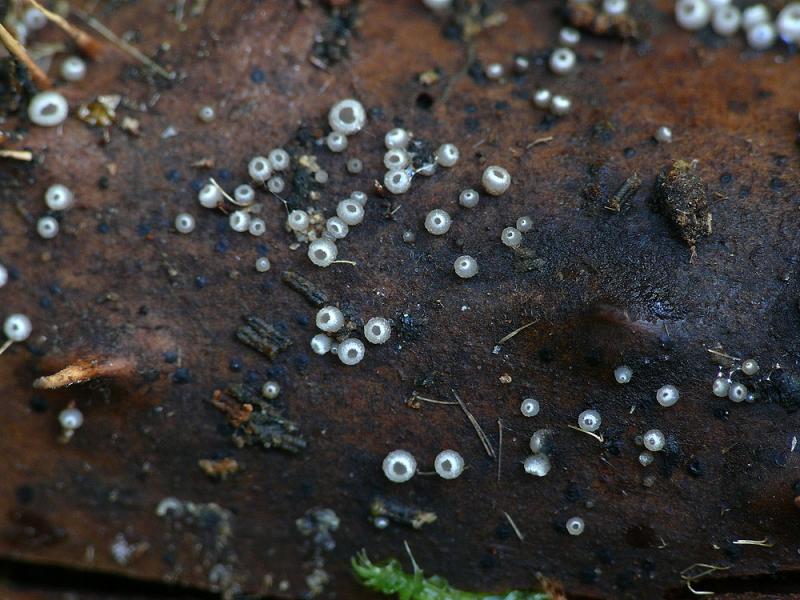
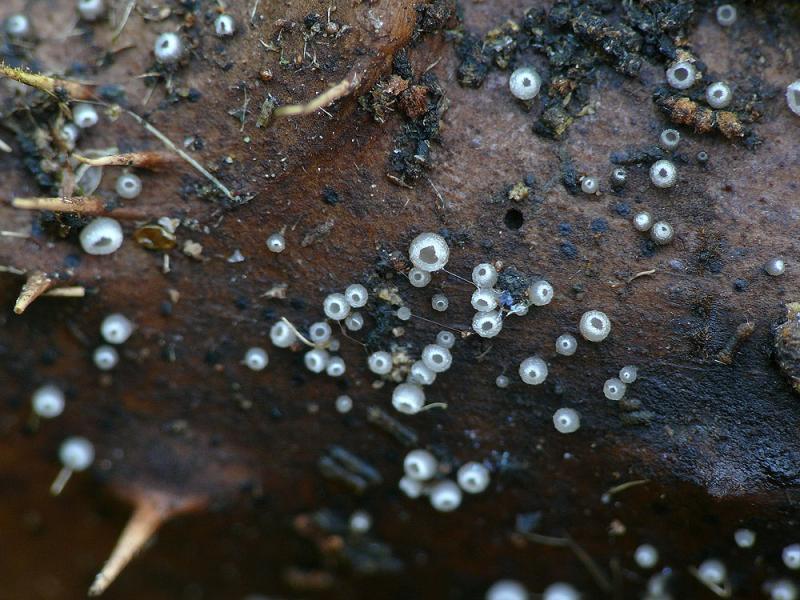
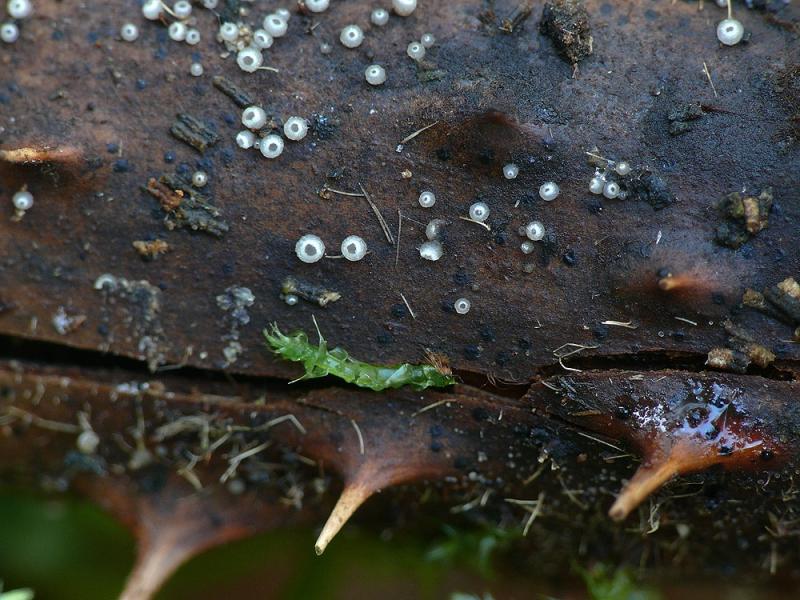
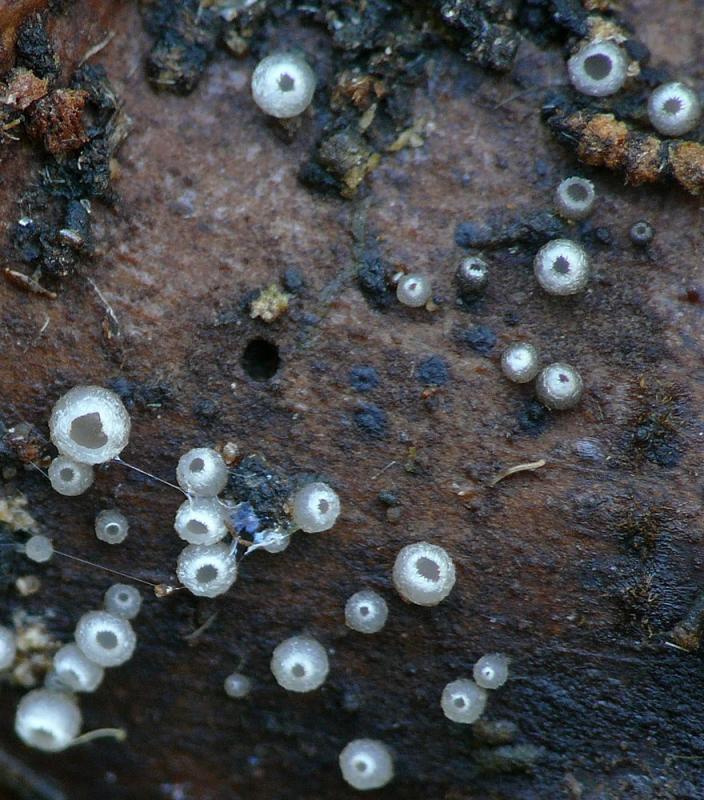
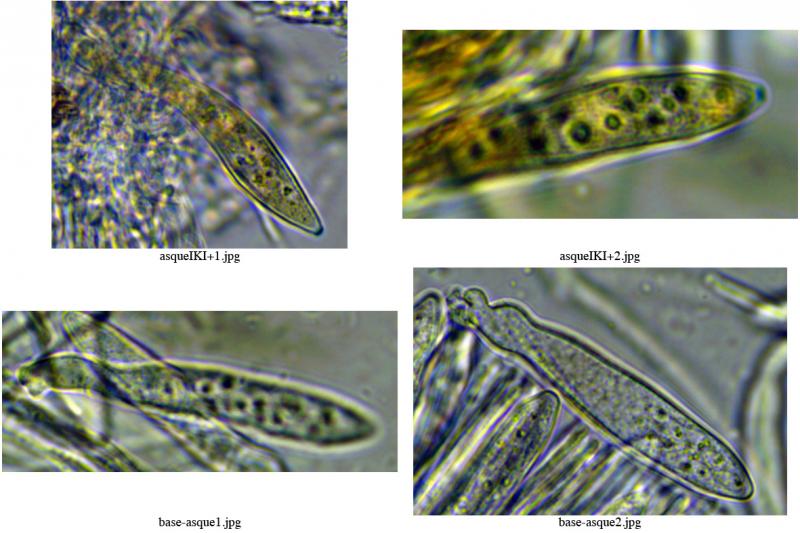
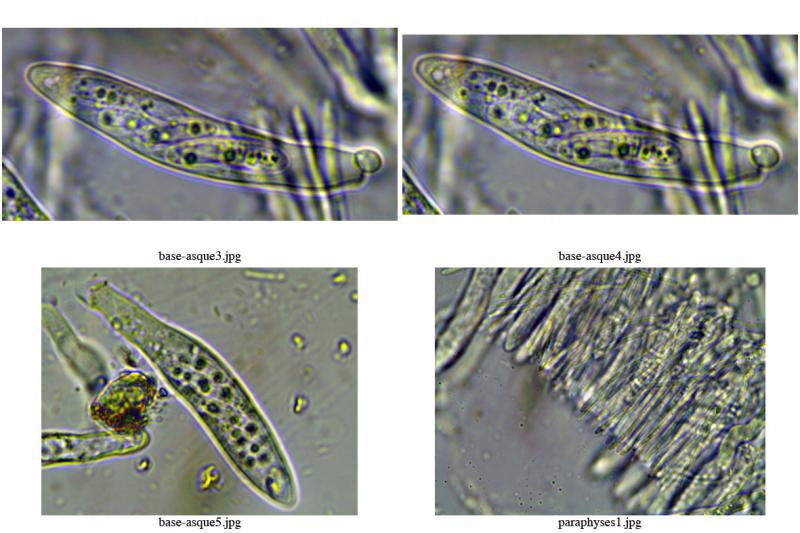
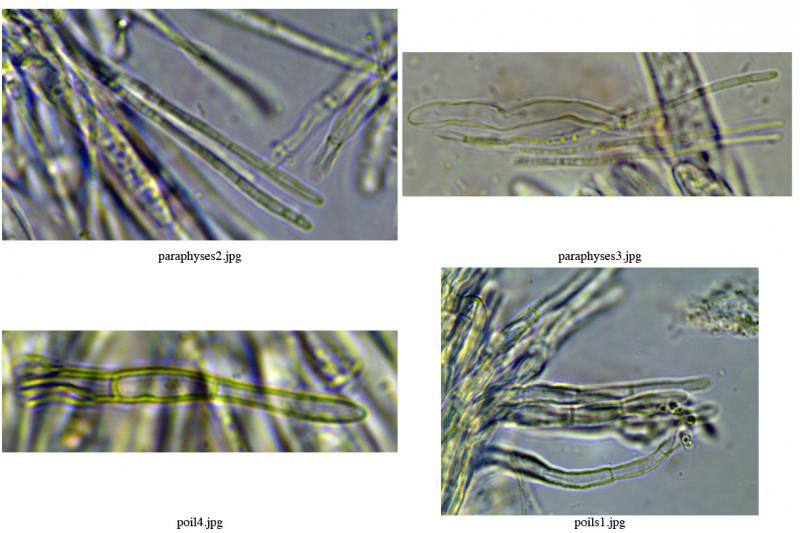
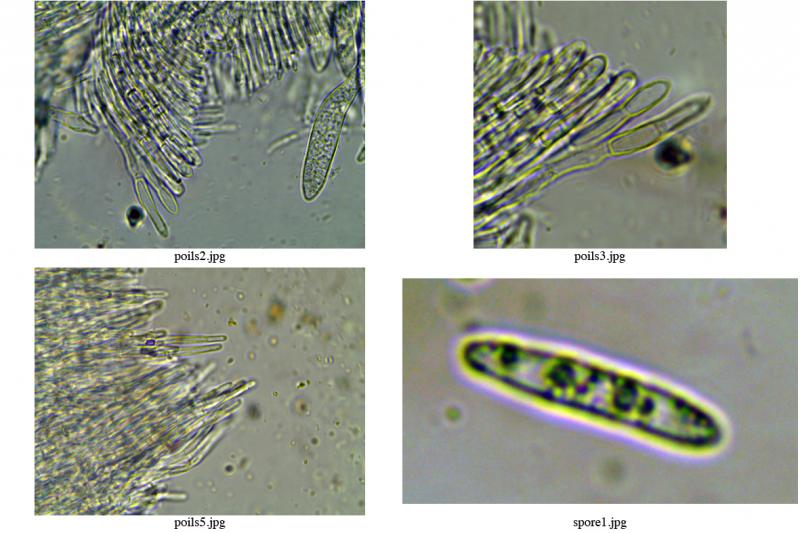
Bernard


Have you tested KOH? any changes anywhere?
I have one collection from hardwood, something under "cf. Olla", with fairly similar wide, truly septate hairs. I gave it a nickname "condom-hair", and the hair wall was thin. Here the hair wall is clearly thickened. I need to check the notes/photos. Can't remember by heart.
A very interesting fungus! Thanks Bernard,
Timo
Bernard
I have done photos again and I attach you here a compilation of all the pictures. The size of the spores varies very strongly : 6-17x2-4.
Bernard
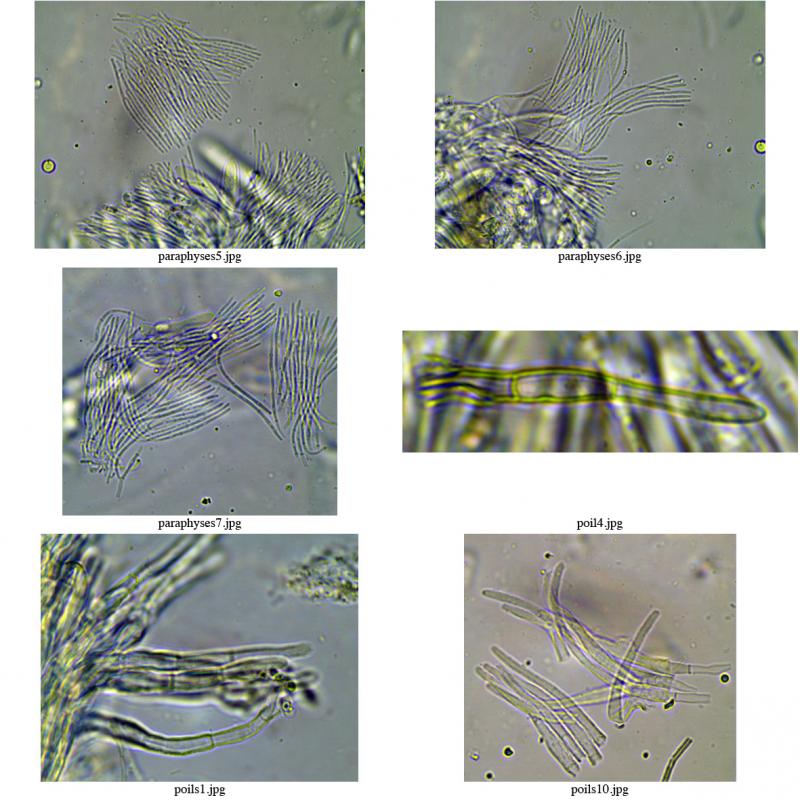
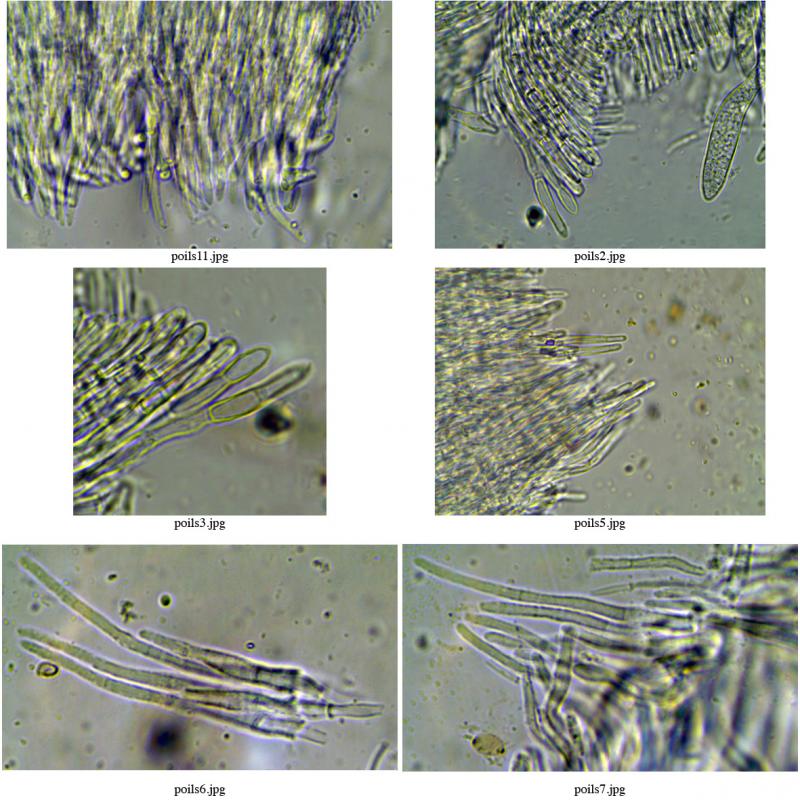
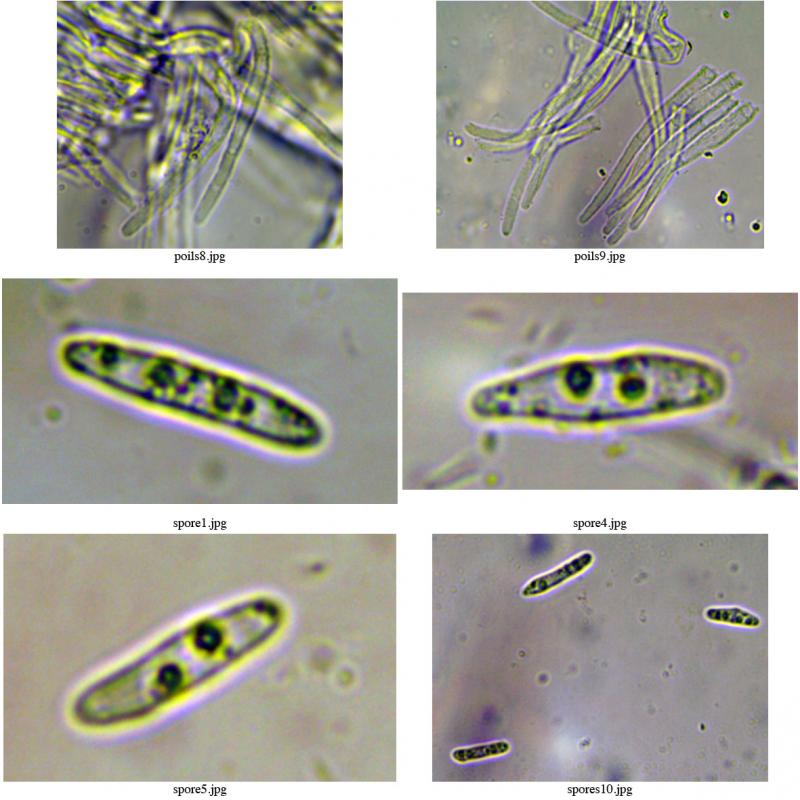
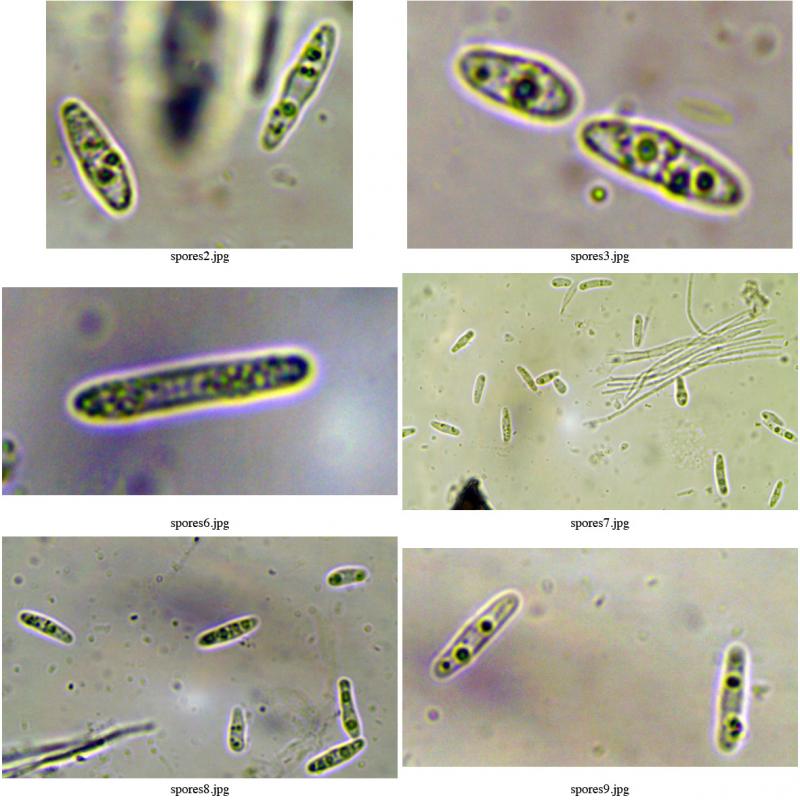
Now looking at the sample fresh I can only confirm Bernards photos. The hair apex is solidified, very much like in Olla transiens. Hairs are almost always under 5um wide, so that fits transiens too. Spores are different though, often around 15 um long. Olla transiens spores also vary in lenght, but they are usually under 10um long. ..There are many Olla species in Raitviir's book, not that many with crozier and none with matching sporesize/hair characteristics. Anyway, to me, it has to be an Olla.
Timo
O. transiens is an interesting comparison. But that species does not form such urceolate apos, the hairs are laterally thin-walled and apically partly solidified. Consider also Seppo's opinion to affiliate it in Protounguicularia. I am undecided. Hopy you find out somethin by DNA.
Zotto