
12-06-2026 14:50
 François Freléchoux
Bonjour, Voici la brève description d'une Mollis
10-06-2026 21:16
François Freléchoux
Bonsoir,Le dernier du jour, en attendant votre avi
11-06-2026 19:01
 William Slosse
Hello all,In an attempt to make a culture of a sus
11-06-2026 19:03
 Nicolas VAN VOOREN
Chers membres d'Ascofrance,Le site sera placé en

09-06-2026 18:32
Camille MertensSur morceau de roseau immergé 0,5 - 0,7 mm de dia
10-06-2026 12:54
Steve ClementsBonjour encore, Pouvez-vous m'aider, s'il vous pl
10-06-2026 21:07
François Freléchoux
Toutes les tiges de gentianes jaunes de l'an passÃ
10-06-2026 13:41
François Freléchoux
Bonjour à nouveau, Voici une trouvaille d'hier.
Hymenoscyphus scutula 081015
Miguel Ángel Ribes,
09-08-2016 19:25
 Good evening
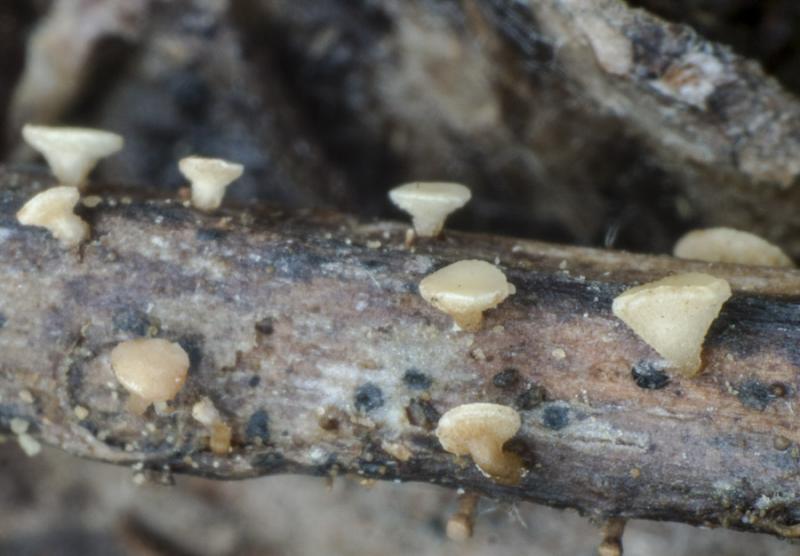
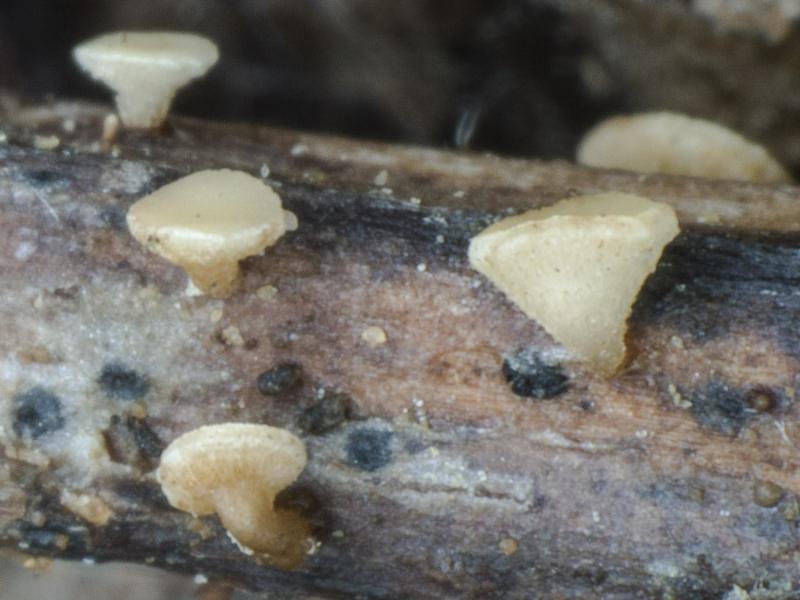
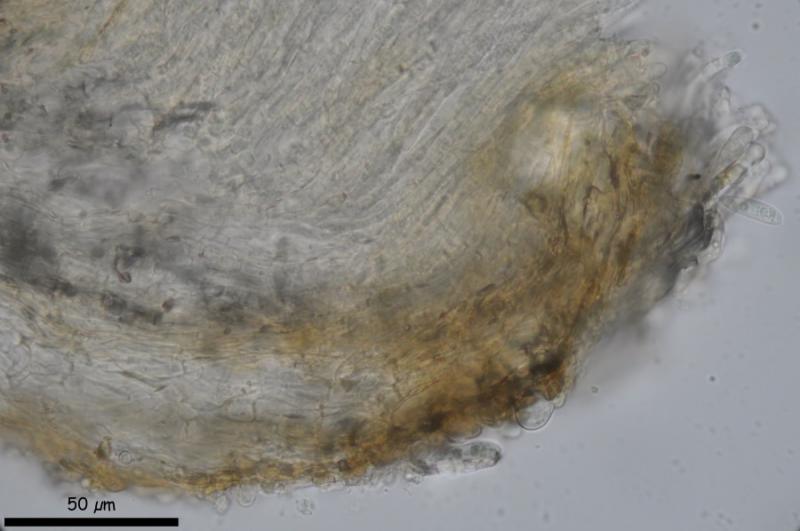
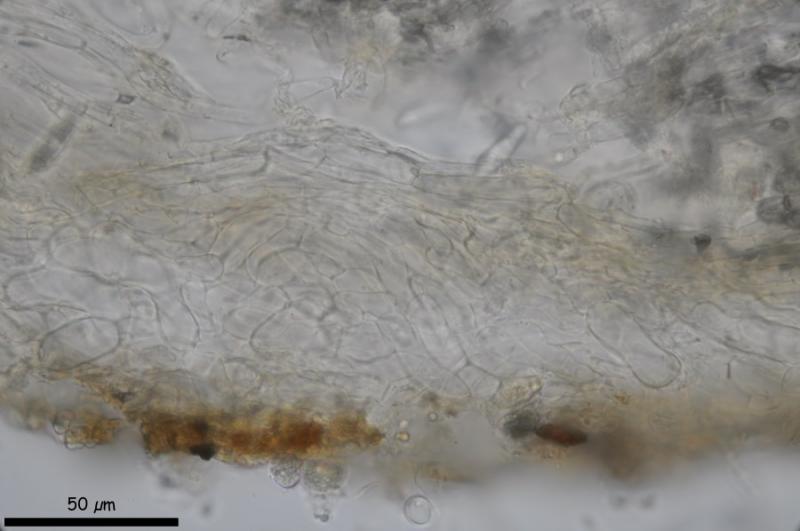
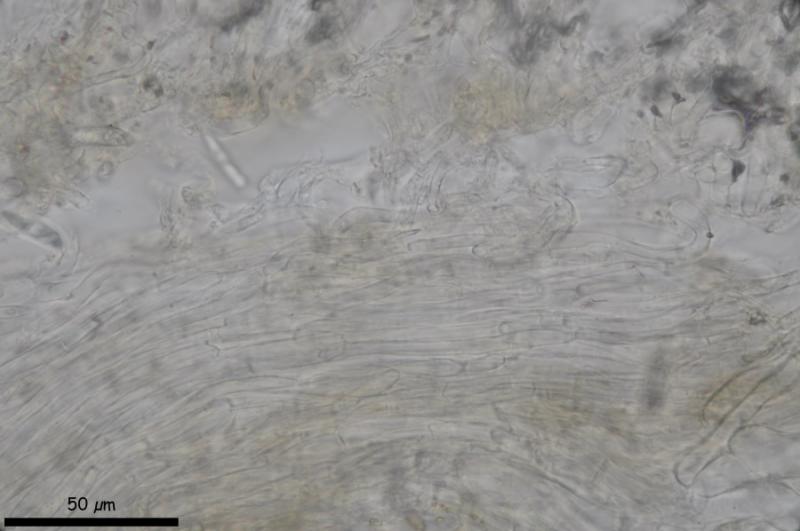
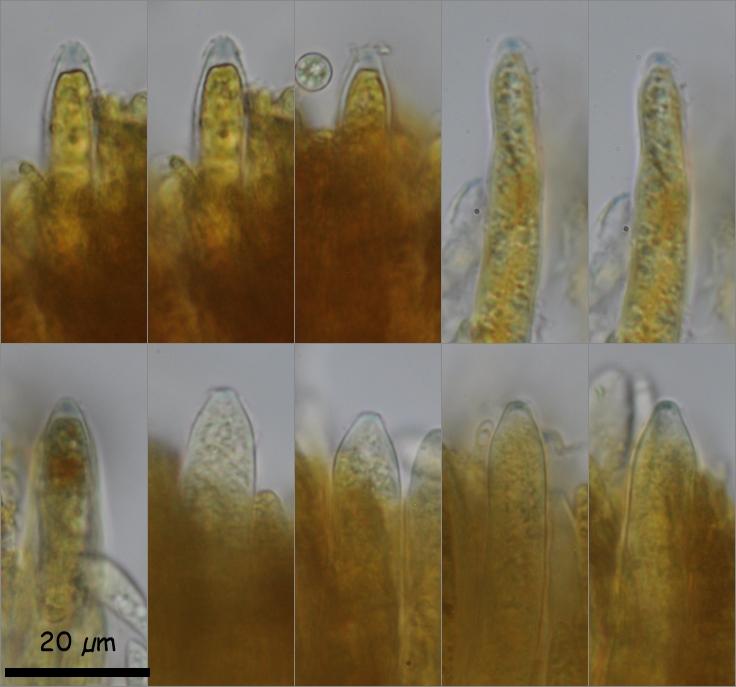
I suposse there is no doubt about the identification of this species, but it is the first time I found it, and I see the asci with croziers, so I prefer your confirmation, please.
Apos in a small twig of Salix pyrenaica, at 1.665 m at Pyrenees.
Spores ciliated at both ends with big LBs, (19,1) 20,4 - 23,1 (24,2) × (4,6) 5 - 5,8 (6,2) µm
Q = (3,4) 3,7 - 4,4 (4,8); N = 88; Me = 21,6 × 5,4 µm; Qe = 4.
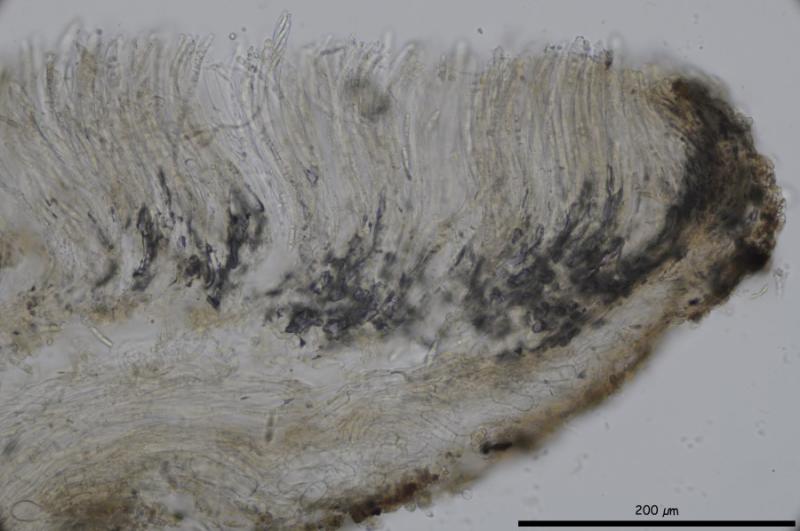
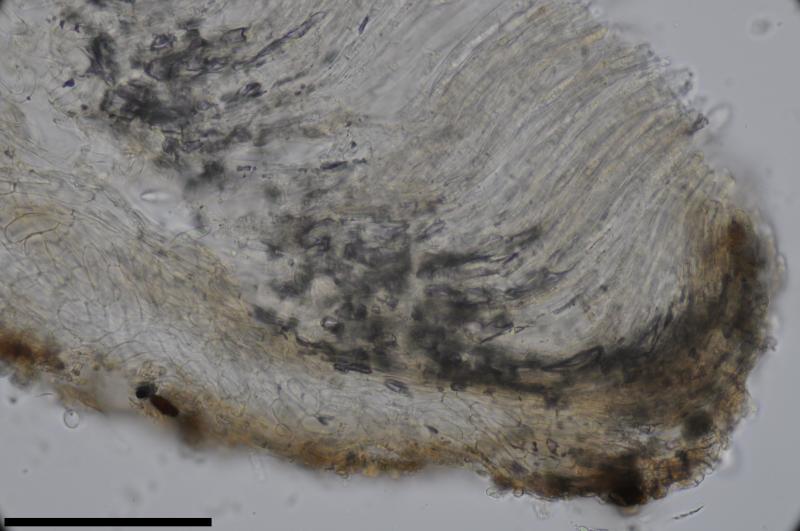
Asci 8-spores, with croziers and euamyloid.
Thank's a lot.
Miguel Á. Ribes


Hans-Otto Baral,
09-08-2016 20:22

Re : Hymenoscyphus scutula 081015
Interesting collection! Looks similar to H. scutula indeed, but croziers and lignicolous habitat exclude it. H. salicellus has simple septate asci like H. scutula, and larger spores with much shorter setulae.
No idea!!
No idea!!
Miguel Ángel Ribes,
09-08-2016 23:02
Re : Hymenoscyphus scutula 081015
Thank you Zotto
I am going to find similar near species to H. scutula. Perhaps a molecular analysis could help.
Best wishes.
I am going to find similar near species to H. scutula. Perhaps a molecular analysis could help.
Best wishes.
Miguel Ángel Ribes,
10-08-2016 00:09
Re : Hymenoscyphus scutula 081015
I have cheked all your key and Declercq one. Definitely the nearest species that I found are H. scutula (without croziers and not lignicolous) and H. trichosporus (more ciliated, in Alnus).
Perhaps a new species?
Thank's a lot.
Perhaps a new species?
Thank's a lot.
Hans-Otto Baral,
10-08-2016 07:42
Re : Hymenoscyphus scutula 081015
Yes, H. trichosporus was also in my mind, but has less scutuloid spores, more setulae and different guttulation.
I imagine a new species, but there are so many.... also asiatic. A sequence of ITS would be great indeed! LSU was very rarely made in hymenoscyphus so far, so I think this will not much help here.
Zotto
I imagine a new species, but there are so many.... also asiatic. A sequence of ITS would be great indeed! LSU was very rarely made in hymenoscyphus so far, so I think this will not much help here.
Zotto
Miguel Ángel Ribes,
10-08-2016 08:38
Re : Hymenoscyphus scutula 081015
Very kind, Zotto.
This autum we will try to obtain more collections in order to study better the paraphysis and asci; this sample was overmature and I have no good images of this structures.
See you.
This autum we will try to obtain more collections in order to study better the paraphysis and asci; this sample was overmature and I have no good images of this structures.
See you.