
30-05-2026 21:12
Philippe PELLICIERSur branche de mélèze (Larix) près de la neige,
25-05-2026 16:35
 Bernard CLESSE
Bonjour à toutes et tous,J'ai trouvé récemment,
29-05-2026 15:35
daniel FERREBonjour à tous,Je voudrais votre aide pour cette
28-05-2026 16:15
James MitchellHello,Does anyone have the original publication of
28-05-2026 11:06
Thomas Læssøehttps://svampe.databasen.org/observations/10596750
23-05-2026 11:44
 Charles Grapinet
Hello, I am having trouble identifying this copro
25-05-2026 16:44
François BartholomeeusenHi forum members,During an excursion organised by
26-05-2026 21:25
Dirk GerstnerHello everyone, I'm completely stumped by this li
26-05-2026 22:44
Ethan CrensonHi all, I think I have Incrucipulum capitatum her
22-05-2026 14:44
 Lothar Krieglsteiner
in unripe condition citrine yellow, then soon fadi
En Cupressus sempervirens
Castillo Joseba,
07-02-2016 23:07
 Me mandan de Galicia muestras de esta especie en Cupressus sempervirens.
A ver que os parece
Joseba
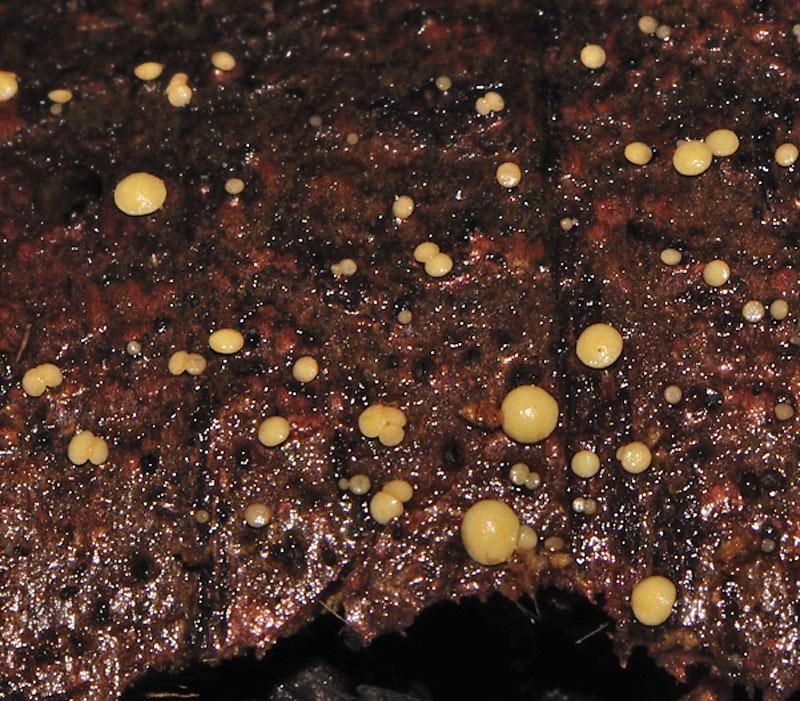
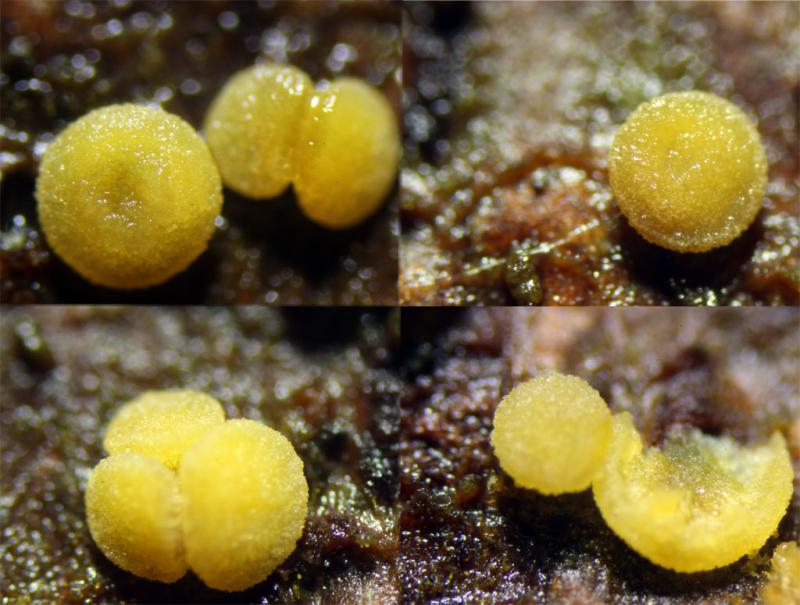

Hans-Otto Baral,
08-02-2016 09:39

Re : En Cupressus sempervirens
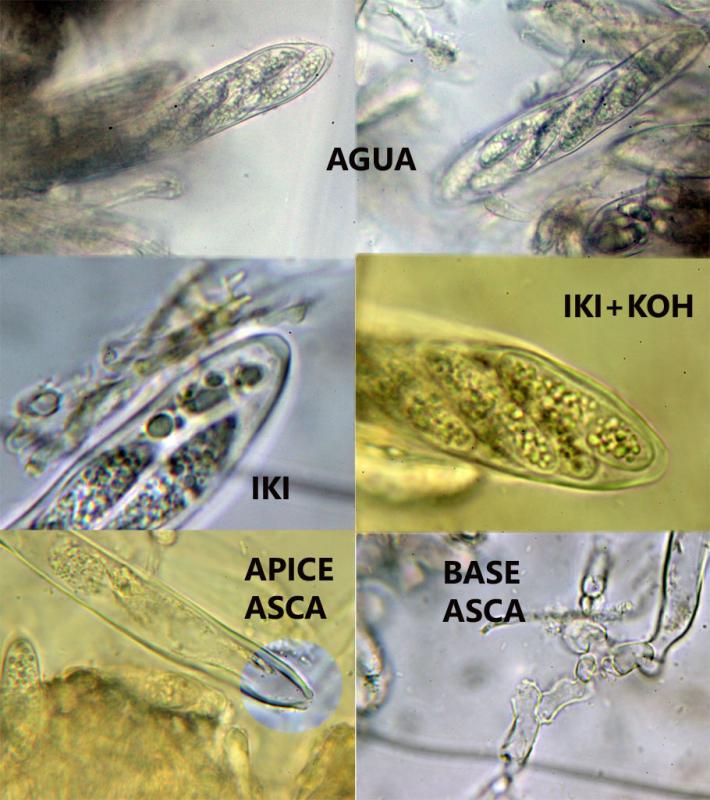
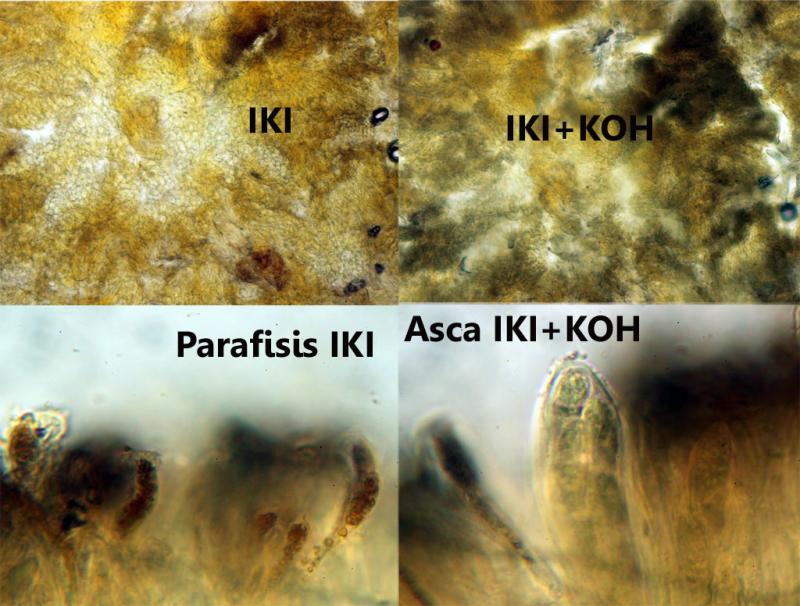
The only idea I have is Pezicula, but with inamyloid asci? Your Lugol is invisible (left image), so perhaps too diluted, please check.
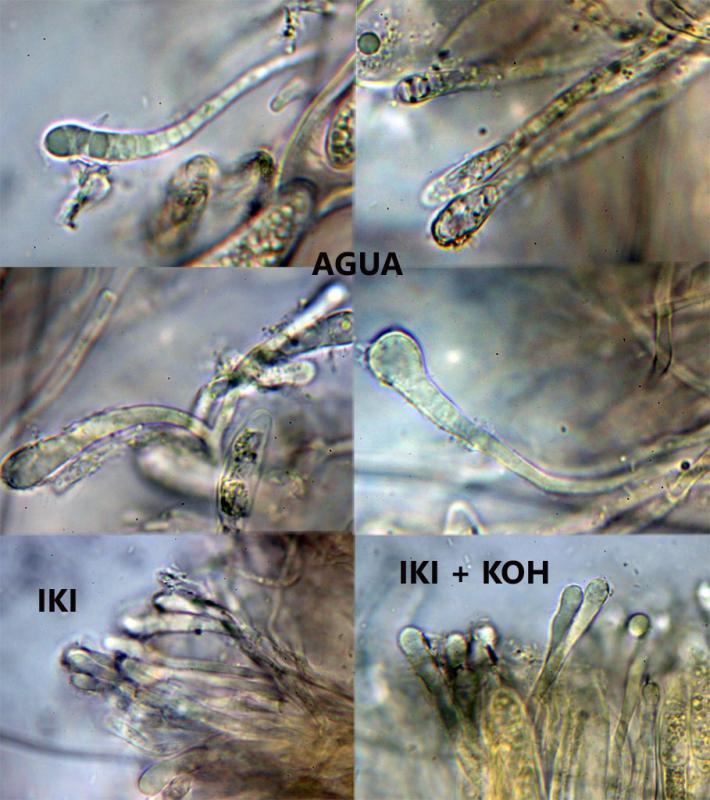
A section showing the excipulum?
A section showing the excipulum?
Castillo Joseba,
08-02-2016 11:31
Re : En Cupressus sempervirens
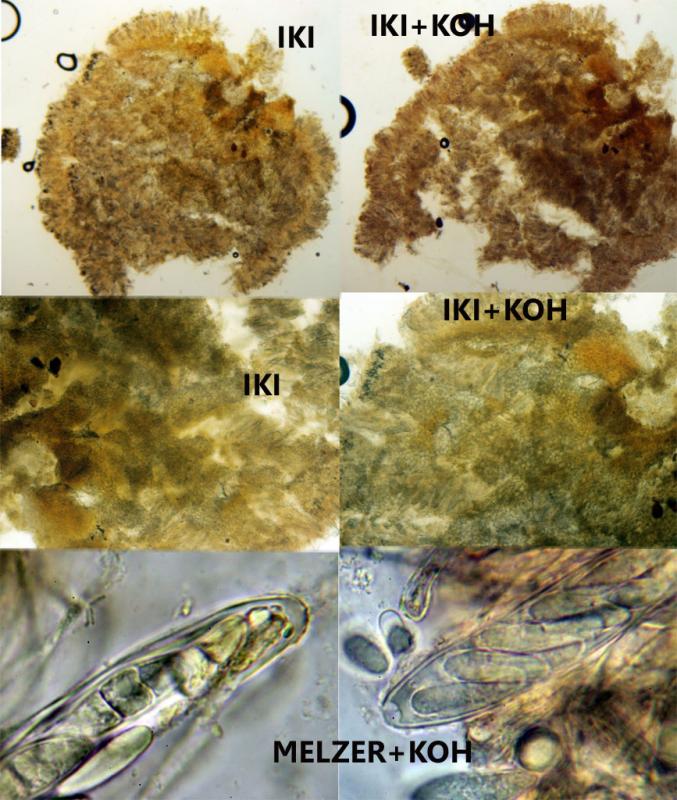
He hecho 3 pruebas y no veo reacciones muy evidentes, no se si servirán... pongo fotos
Hans-Otto Baral,
08-02-2016 12:19
Re : En Cupressus sempervirens
an apical thickening is there! Did you get a reaction in other ascos? Again I do not see the yellow colour of iodine on your pics.
Castillo Joseba,
08-02-2016 13:48
Re : En Cupressus sempervirens
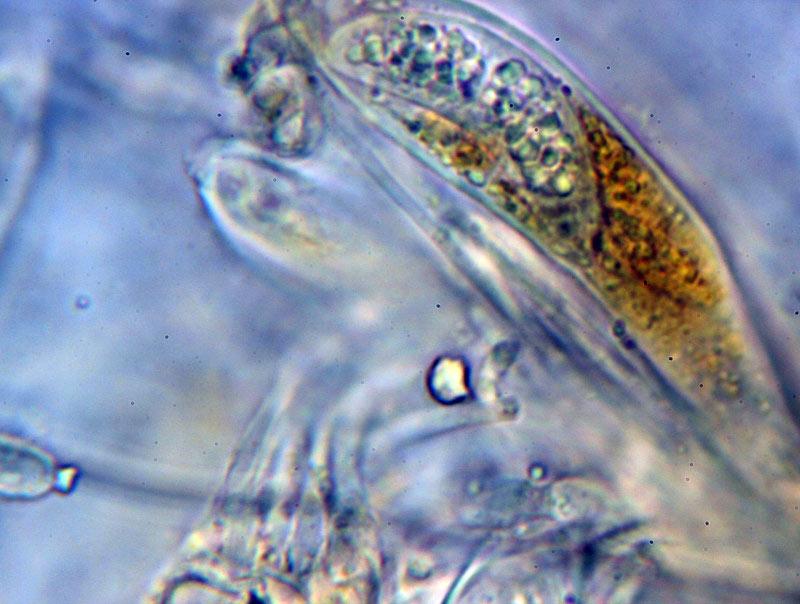
Hola Zotto ... no acabo de Comprender tu comentario El color de Amarillo PUEDE deberse una cola los reactivos no esten en buien estado? mi IKI es de 06/06/2015 y el KOH tambien. En Una de las fotos que visto Una Reacción al Amarillo con IKI (Foto pongo) No entiendo "un engrosamiento apical ESTA ALLI!" Gracias Joseba
Hans-Otto Baral,
08-02-2016 15:02
Re : En Cupressus sempervirens
Yes, in this pic I see the yellow stain of the ascoplasma, hope this is due to IKI and not natural.
The apical ascus wall is thinckened on your photos, suggesting that an amyloid ring is present, but you may be right that there is no ring. I have very rarely seen a Pezicula with inamyloid asci, without an apical ring.
The apical ascus wall is thinckened on your photos, suggesting that an amyloid ring is present, but you may be right that there is no ring. I have very rarely seen a Pezicula with inamyloid asci, without an apical ring.