
22-04-2026 20:17
 Marian Jagers
Is anyone familiar with the Hyphomycetes genus Pse
22-04-2026 20:54
 Enrique Rubio
Hi to everybody.This Pyrenopeziza grew in moist le
22-04-2026 01:06
 Richard VALERI
Bonjour à tous.Je vous présente cette Nectria s.
21-04-2026 13:36
Gernot FriebesHi,I am out of ideas for this one. I collected Sal
21-04-2026 13:19
Gernot FriebesHi,this Lophodermium on Typha has ascospores measu
21-04-2026 13:05
Gernot FriebesHi,this hyphomycete feels familiar but I was not a
20-04-2026 22:00
 Malcolm Greaves
These pale yellow, hairy ascos were growing on cul
Cistella on leaves
Marja Pennanen,
18-06-2016 10:48
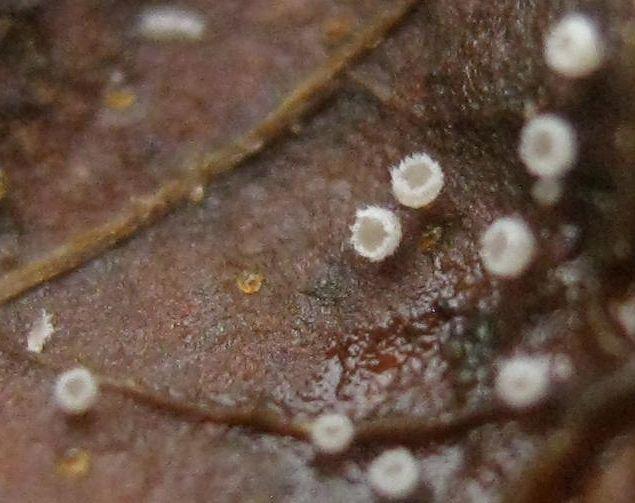
I found these whitish, about 0,2-0,3 mm wide fruitbodies today on leaves of possibly Ribes nigrum.
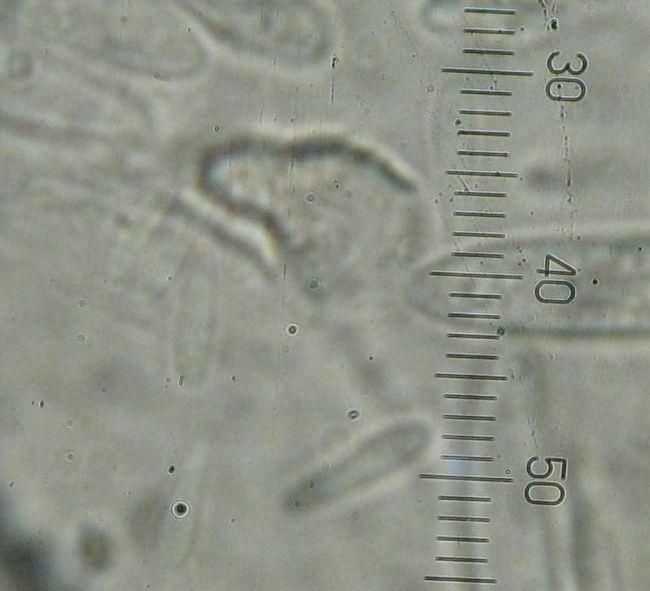
The spores are about 7-9x2.
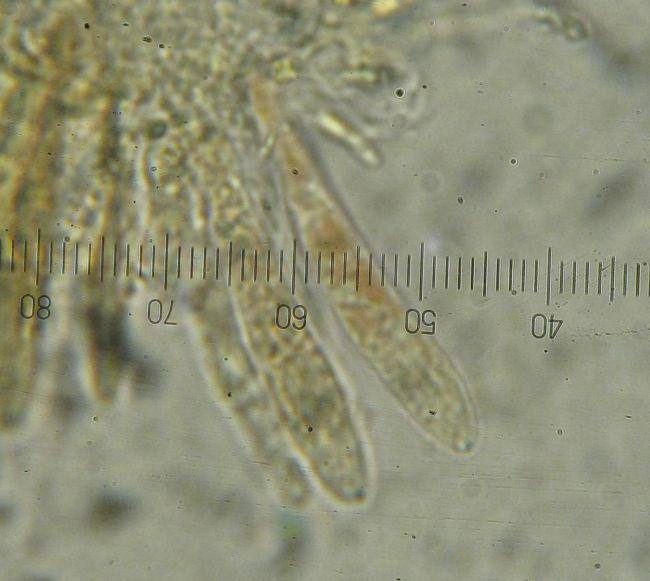
The asci are about 35-45x5-7, IKI blue and the paraphysesare a bit lanceolate, about 2-3 wide.
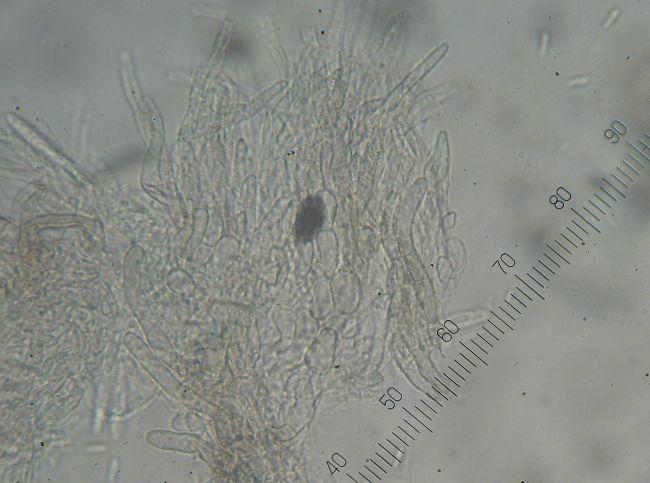
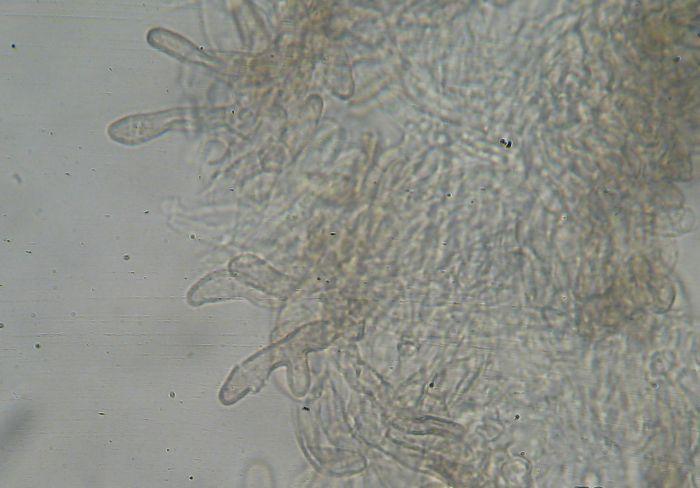
The hairs seems to belong to Cistella, they are nearly all the way coarse, about 20-50x3-6. Their shape varies much.
The species on leaves, that I have definitions, have hairs either coarse on the top or are septate...
Any fresh ideas?
Summer has arrived even here in northern Europe: Marja
Marja Pennanen,
16-07-2017 16:26
Re : Cistella on leaves
Hello,
I got to come back to this in my opinion even common species here, because I've seen it a lot at different places. I have changed my opinion of the genus. Now I suppose it is a Fuscolachnum.
The apos can be 0,6 mm wide, they come quite flat, when older.
The hairs on the underside are brown. They may reach even the lenght of 70 micrometers. Paraphyses are not very lanceolate, sooner filiform.
The closes one is F. borealis, but these hairs are seldom septate and Ribes is not wery close to Juniperus.
Any fresh opinions?
Marja
I got to come back to this in my opinion even common species here, because I've seen it a lot at different places. I have changed my opinion of the genus. Now I suppose it is a Fuscolachnum.
The apos can be 0,6 mm wide, they come quite flat, when older.
The hairs on the underside are brown. They may reach even the lenght of 70 micrometers. Paraphyses are not very lanceolate, sooner filiform.
The closes one is F. borealis, but these hairs are seldom septate and Ribes is not wery close to Juniperus.
Any fresh opinions?
Marja


Hans-Otto Baral,
16-07-2017 21:04

Re : Cistella on leaves
Yes, Fuscolachnum seems very probable. And you can exclude Rubus as host? F. misellum?
Marja Pennanen,
17-07-2017 13:32
Re : Cistella on leaves
Dear Zotto,
these certainly grow on Ribes nigrum leaves, on the uncerside, where exists yellow spots (resinous).
I have found F. misellum on Rubus idaeus leaves and they have an orange shade, which these do not have. Besides the microscophy of these is bigger and these have not enought septas at hairs.
F. borealis has been found on green needles of Juniperus communis, aren't they resinous...
Marja
these certainly grow on Ribes nigrum leaves, on the uncerside, where exists yellow spots (resinous).
I have found F. misellum on Rubus idaeus leaves and they have an orange shade, which these do not have. Besides the microscophy of these is bigger and these have not enought septas at hairs.
F. borealis has been found on green needles of Juniperus communis, aren't they resinous...
Marja