
28-04-2026 20:07
 Lothar Krieglsteiner
... on twig in the air at standing Ceratonia siliq
04-05-2026 18:13
 Stephen Martin Mifsud
ID request for what seems to be a true aquatic fun
04-05-2026 16:39
Stephen Martin Mifsud
ID request: This specimen was collected in Malta o
04-05-2026 09:50
 Castillo Joseba
Me mandan el material seco de Galicia,(España) re
02-05-2026 12:42
Alain BRISSARDBonjour à tousJeuidi 30 avril dernier on m'a remi
02-05-2026 13:06
Pauline. PennaBonjour Please can someone help me with this id
01-05-2026 22:45
 Thierry Blondelle
Bonjour à tous, Une récolte sur bouse séchée d
14-04-2026 05:32
Ethan CrensonHi all, A few weeks back a friend pointed out som
28-04-2026 20:33
Vitus SchäfftleinHello, I found Trochila ilicina on Ilex aquifoliu
I've received photos and descriptions of two ascomycetes that are troubling me a bit. The first one shows some similarities with Byssolophis but I think Byssolophis species should have larger ascospores... So maybe it's something else? Here's a short description:
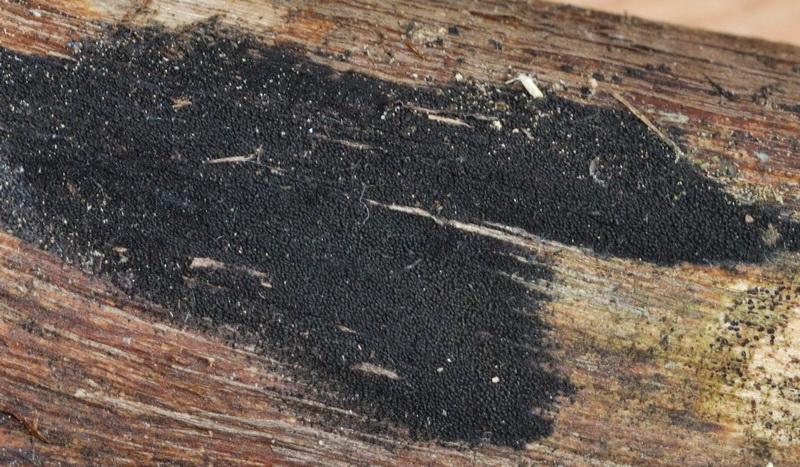
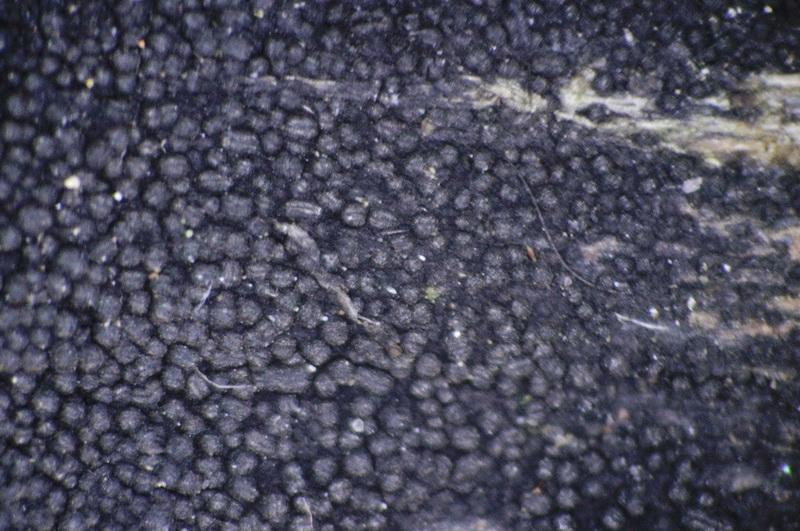
On wood of a dry, decorticated branch of probably Castanea, 3 cm in diameter.
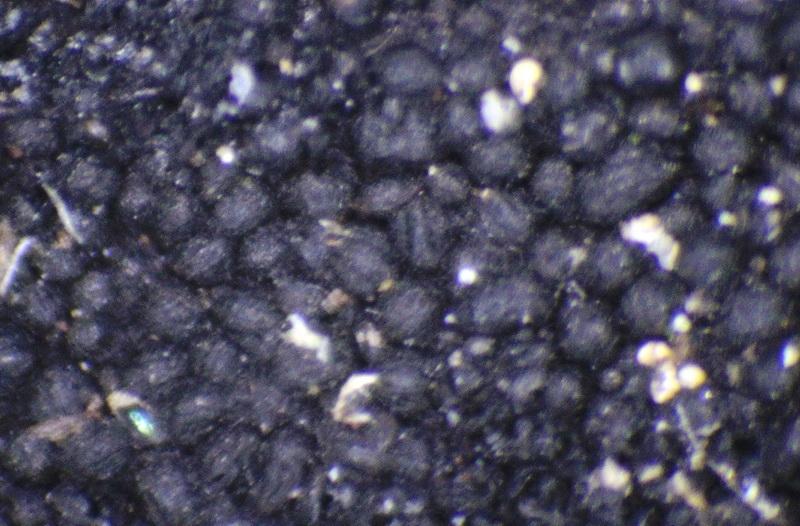
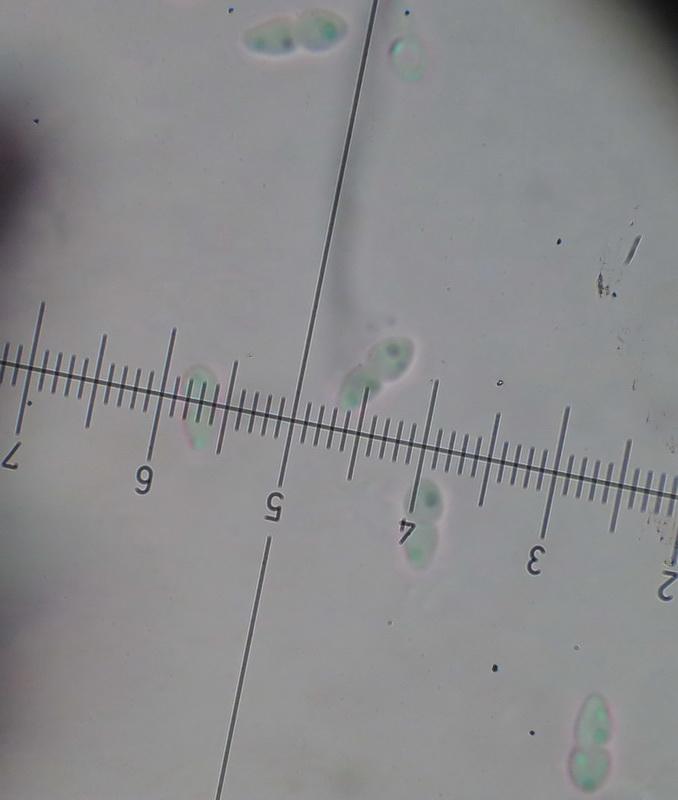
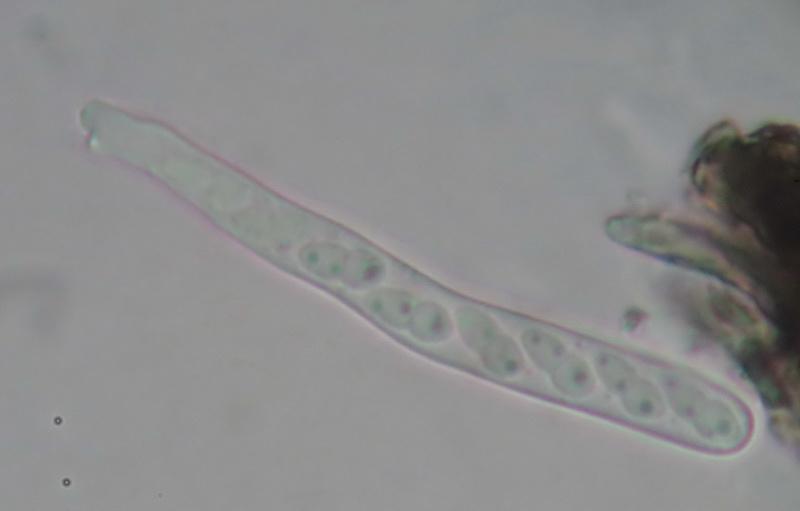
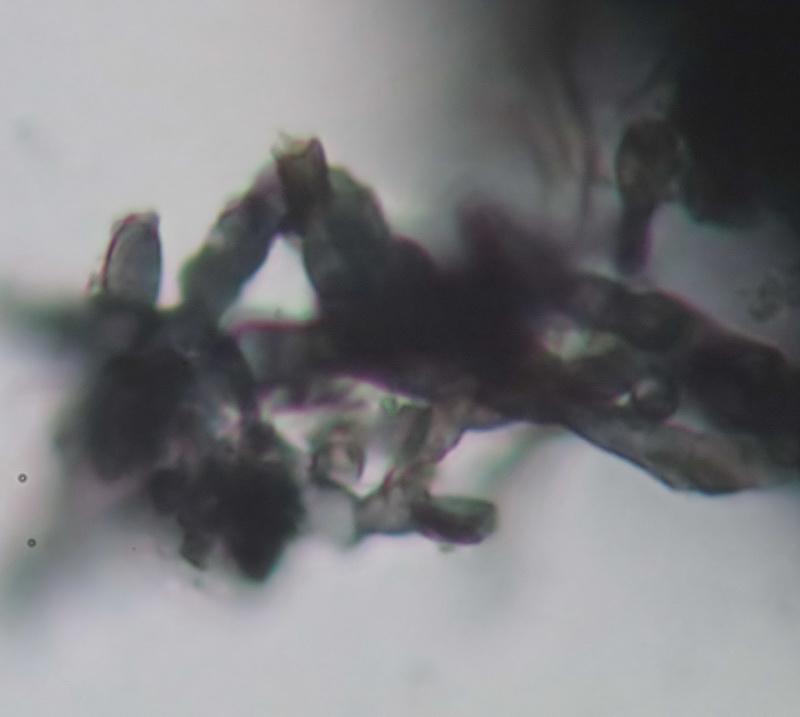
The ascomata are small, +- spherical and have a slit-like ostiole. They sit on a black subiculum. The asci are uniseriate, negativ in Lugol and measure about 45-55 x 4-5 µm. The ascospores are hyaline and have one transverse septum at which they are strongly constricted. They measure about 5-7(8) x 3 µm. The hamathecium consists of long, filiform elements.
Thanks for any help!
Best wishes,
Gernot


LG, Walter
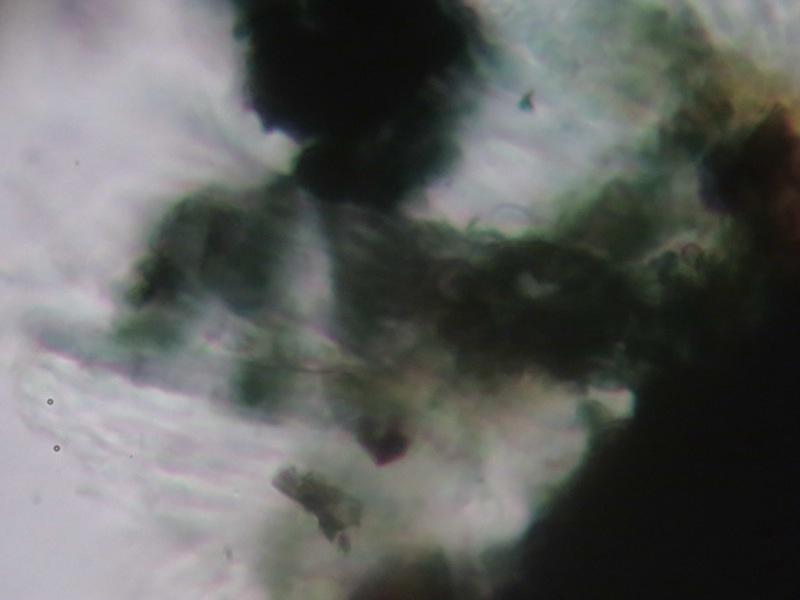
nachdem mein Internet vor zwei Tagen komplett den Geist aufgegeben hat, kann ich nun endlich antworten. Anteaglonium passt sehr gut, vielen Dank! Mit dem Schlüssel in Boehm et al. (2009) kommt man aufgrund des Subikulums/Tomentums zu A. globosum. Ein grünes Pigment ist in KOH auch zu sehen (siehe angehängtes Foto der Finderin).
Schöne Grüße
Gernot

Typical A. globosum, exactly.
Alain
Best wishes,
Gernot