
26-05-2026 22:44
Ethan CrensonHi all, I think I have Incrucipulum capitatum her
26-05-2026 21:25
Dirk GerstnerHello everyone, I'm completely stumped by this li
22-05-2026 14:44
 Lothar Krieglsteiner
in unripe condition citrine yellow, then soon fadi
25-05-2026 16:44
François BartholomeeusenHi forum members,During an excursion organised by
23-05-2026 11:44
 Charles Grapinet
Hello, I am having trouble identifying this copro
25-05-2026 16:35
 Bernard CLESSE
Bonjour à toutes et tous,J'ai trouvé récemment,
22-05-2026 13:29
Gernot FriebesHi,I am curious to hear your opinion on this mater
23-05-2026 18:57
Sylvie Le GoffBonjour à tousRécolté sur une branchette de Sal
22-05-2026 21:35
Steve ClementsBonjour, I expected this find on old wood on our
 Sous Calocedrus decurrens, terrain sablonneux et acide, pas de rivière, jusqu'à 55 mm de hauter.
Cordialement
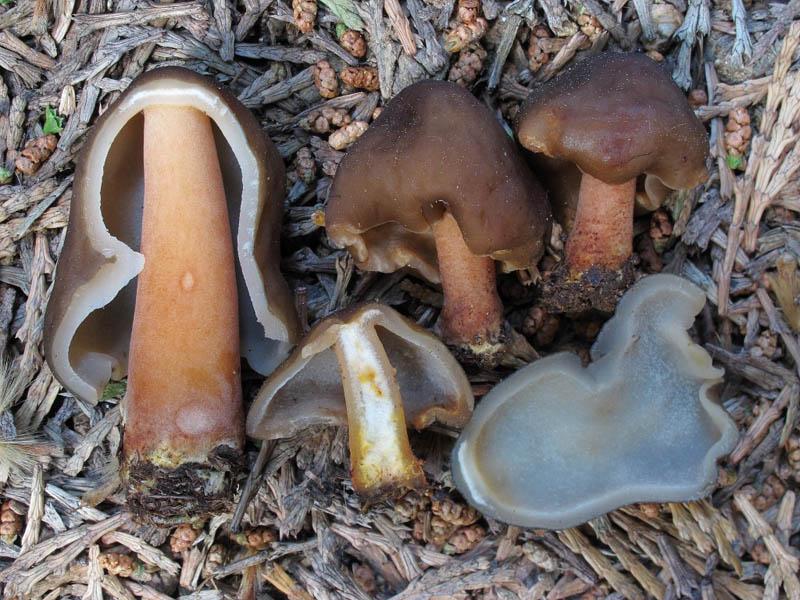
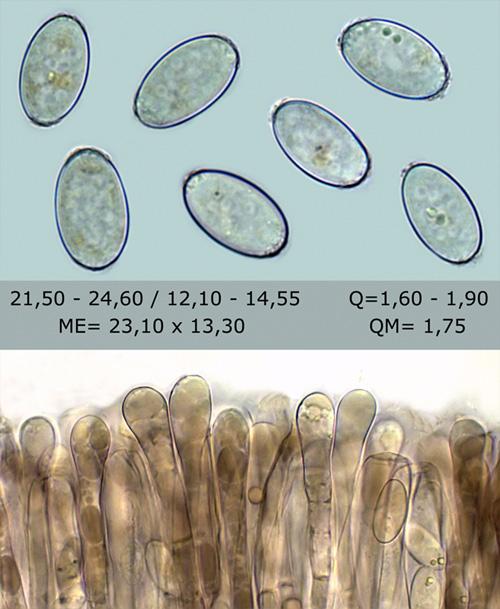
Jacky
Best wishes,
Gernot
Thank you very much Gernot
Never understood what should be the difference between V. conica and V. krombholzii. The red granules and fibrils on the stipe surface are always present. When the stipe is short they are more dense and the whole surface is red, when the stipe elongate the red is very diluted on the surface.
Mario