
11-05-2026 12:32
 Bernard CLESSE
Pourriez-vous m'aider à identifier cette héloti
13-05-2026 15:26
 François Freléchoux
Bonjour,Voici une récolte faite il y a quelques j
12-05-2026 15:41
 Nicolas VAN VOOREN
Dear Ascolovers, especially interested in Pezizale
13-05-2026 12:05
 Thierry Blondelle
Bonjour à tous,J'aimerais avoir confirmation de c
10-05-2026 23:17
 Andreas Gminder
Hello,today we found in a moist steep decidous for
28-04-2026 20:07
 Lothar Krieglsteiner
... on twig in the air at standing Ceratonia siliq
27-04-2026 20:52
Lothar Krieglsteiner
Found on hanging tiwg of Olea europaea in dried-ou
11-05-2026 20:22
Lothar Krieglsteiner
on attached twig of standing Ficus caricaquite uns
29-04-2026 10:44
Lothar Krieglsteiner
growing at moist, drying-out soil at the side of a
Hello
On the dung of Ovis ammon (in dutch Moeflon) I found this Lasiobolus (I think). The measure of setulae is 116-292 µm, asci 175-190x30-35 µm and the measure of the spores are 20-26x11-15 µm. Can this be Lasiobolus ciliatus?
Groet
Hannie
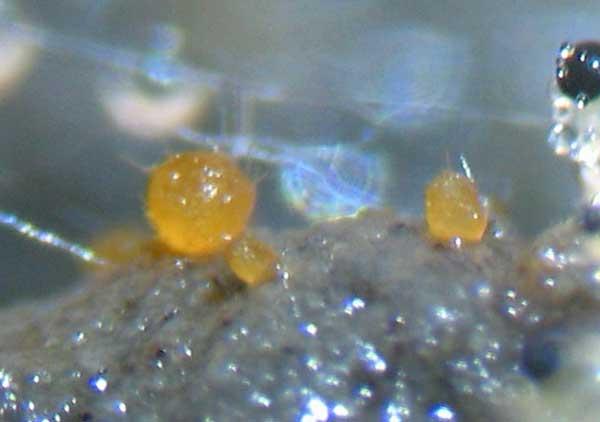
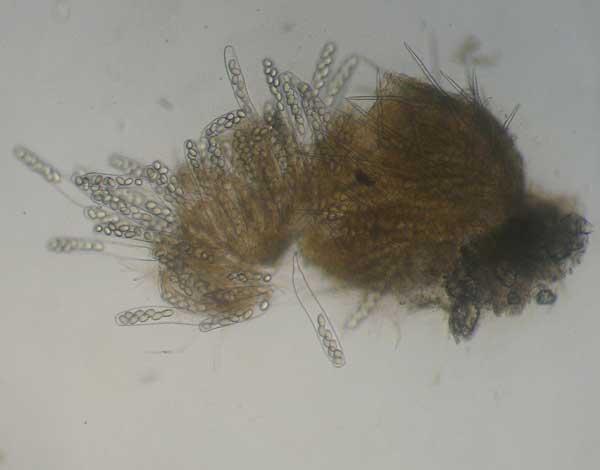
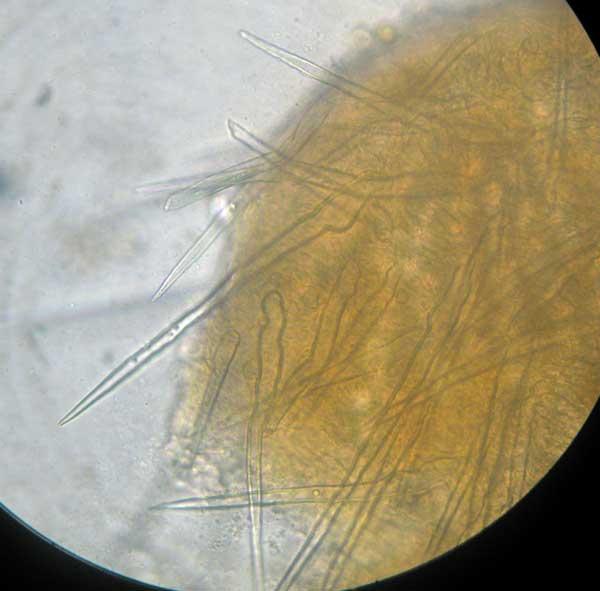
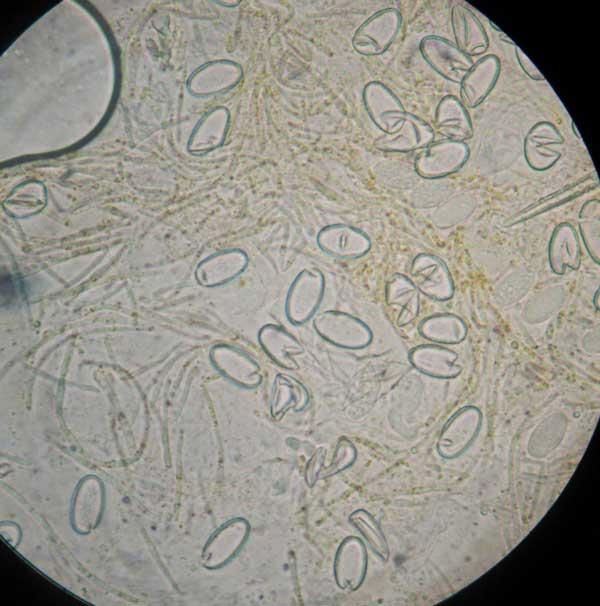
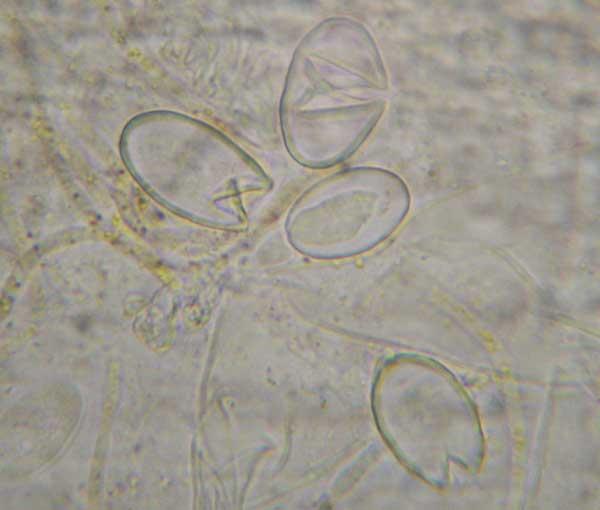
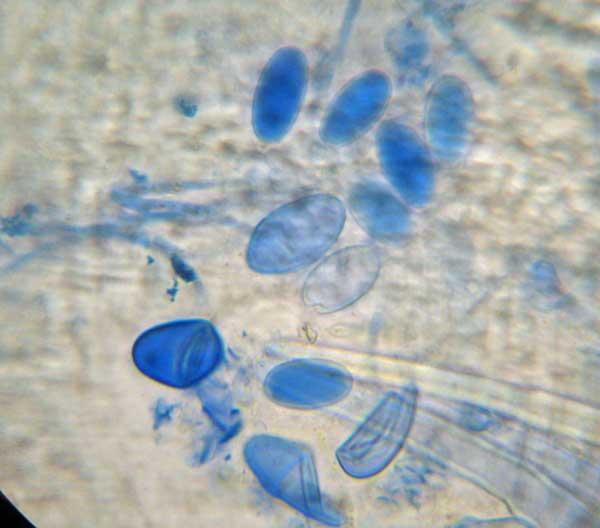

here one cannot commit himself in my opinion correctly. Something speaks for L. ciliatus, other again for L. cuniculi. However, it could also lie with the measurements and the preparation that no unambiguous result is to be expected.
Greetings
Peter.
Hello Peter,
I understand you correctly that the data are not clear on the picture? Could it be that the ascomycetes to mature even further? What's the best I can do?
greetings Hannie
Lasiobolus cf. cuniculi, more I cannot recommend. The measures speaks already for L. cuniculi, but the shape of the asci is confused. L. ciliatus have asci more cylindrical (how by your photo), L. cuniculi clavate and the spores lie biseriat. The length- bright quotient by the spores is good for the determination too, 1,4 L. cuniculi, 2,0 L. ciliatus in average.
By your preparation the pressure was to strong. Some weeks ago I collected the measures of spores from 6 species in the literature for comparison. When you be interested in, I can send you this little paper.
Greetings
Peter.
Hello Peter,
thanks for explanatian. Ik would be pleased with the paper you mentoined. I am always interested to learn. Maybe tomoroow I will try a new one under the bino.
greetings Hannie
Hello Peter,
today I put a new frb under the bino. Here some new pictures, maybe this can make it better?
groeten
Hannie
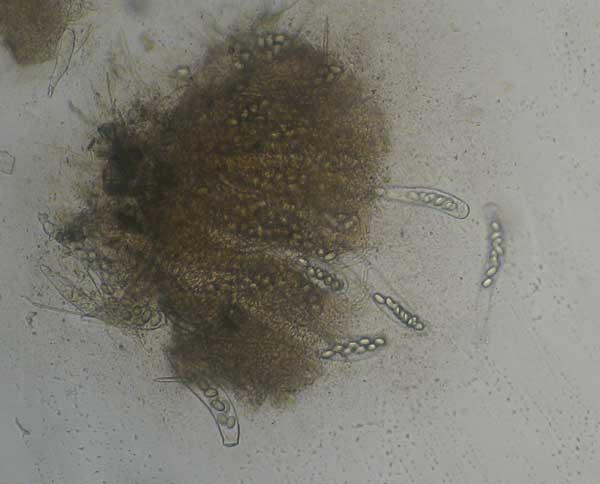
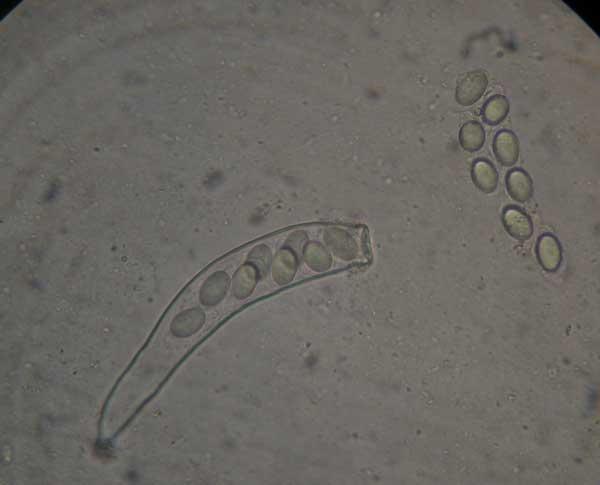
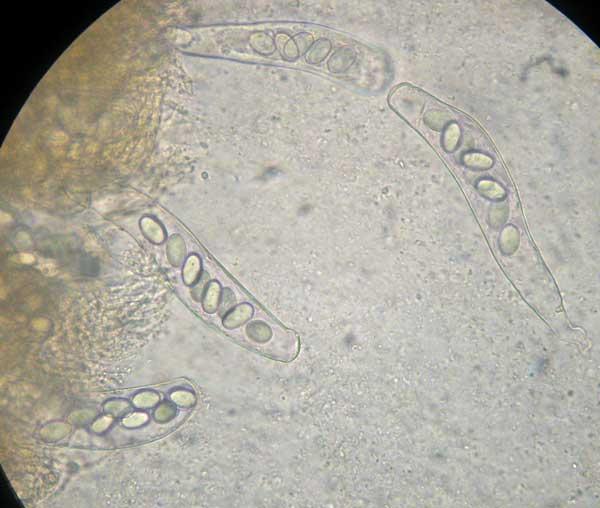
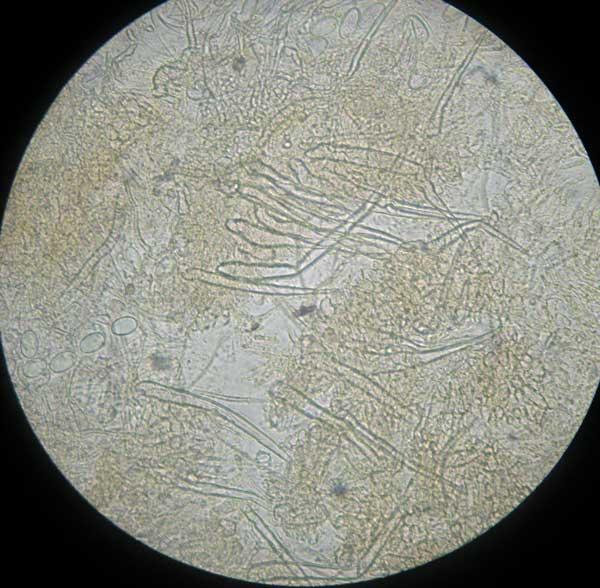
now I covinced of L. cuniculi.
Greetings
Peter.
Thanks a lot Peter.
Greetings Hannie