
22-04-2026 01:06
 Richard VALERI
Bonjour à tous.Je vous présente cette Nectria s.
21-04-2026 13:36
Gernot FriebesHi,I am out of ideas for this one. I collected Sal
21-04-2026 13:19
Gernot FriebesHi,this Lophodermium on Typha has ascospores measu
21-04-2026 13:05
Gernot FriebesHi,this hyphomycete feels familiar but I was not a
20-04-2026 22:00
 Malcolm Greaves
These pale yellow, hairy ascos were growing on cul
19-04-2026 21:23
Steve ClementsBonjour, I found this anamorphic fungus on old pl
19-04-2026 20:46
Steve Clements1 mm diameter approx spherical conidiophores on pl
12-04-2026 17:56
 Hardware Tony
Found on dead stems in February earlier this year

Dear friends
On last summer I have found several dozens of this white and HAIRLESS Pezoloma species up to 10 mm in diameter growing on the very wet soil of the peat bog of Santa María del Puerto at Somiedo (Asturias-Spain).
The hyphae of the very developped and gelified outer stratum are IKI negative. The rest of the characters are shown in my pics.
Have you some idea for this fungus?
Thanks again
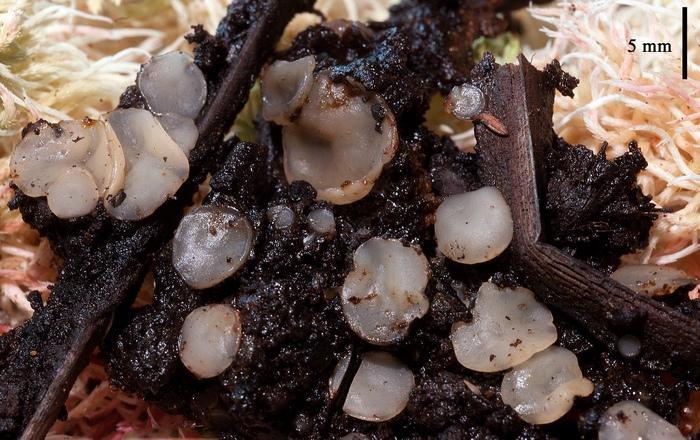
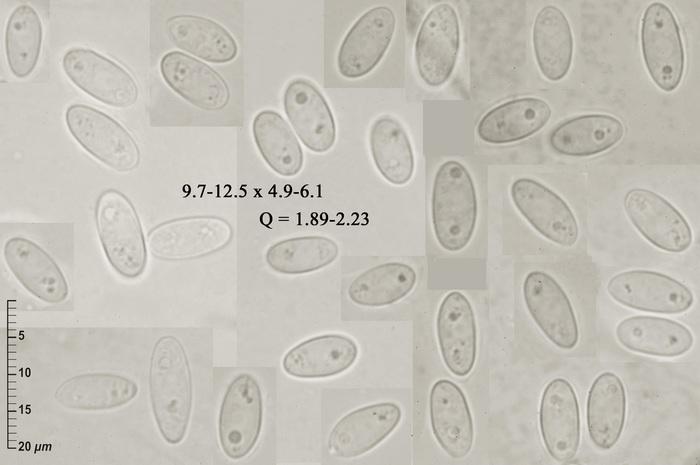
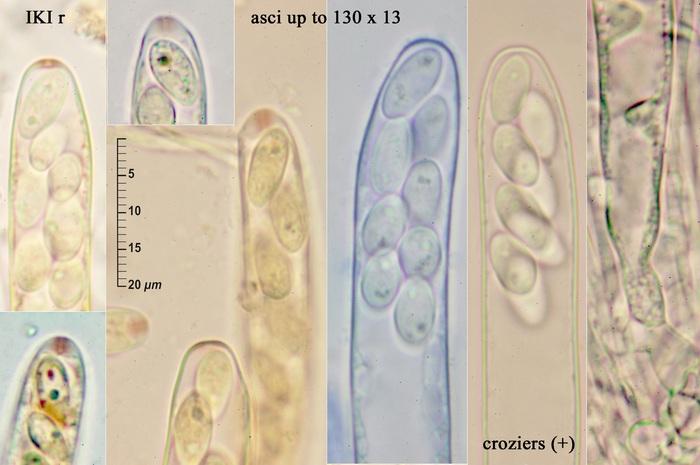
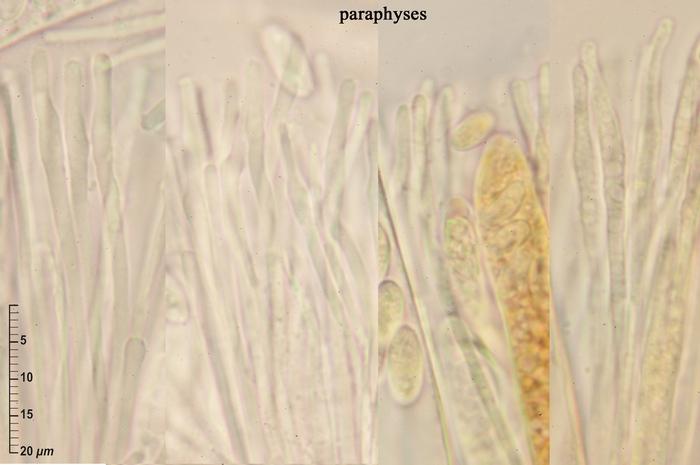
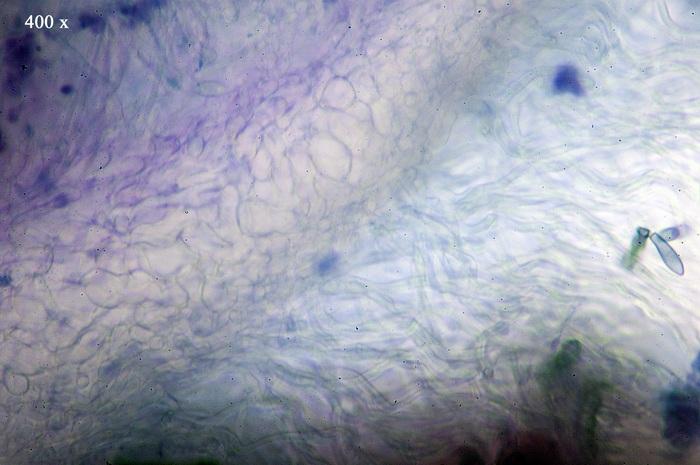
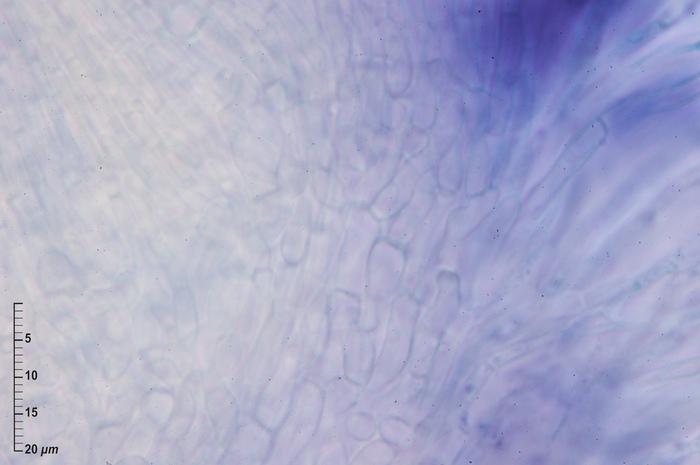
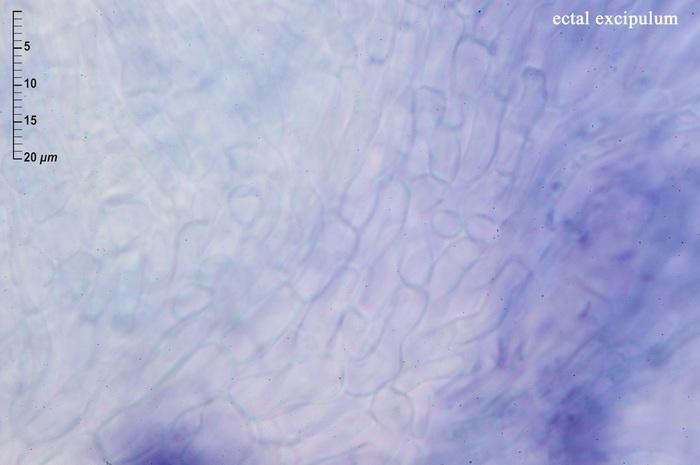
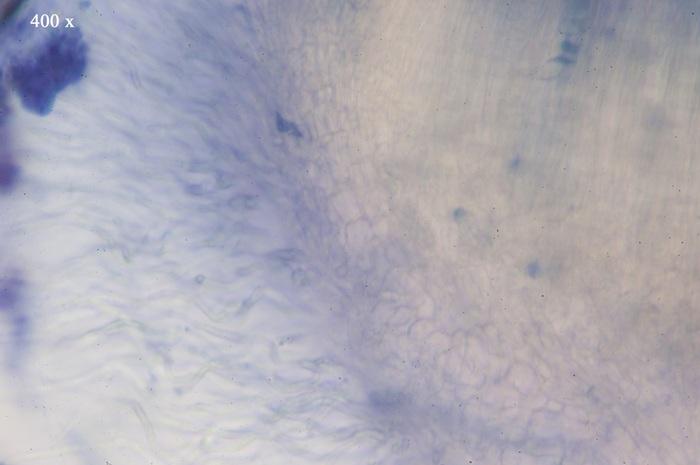
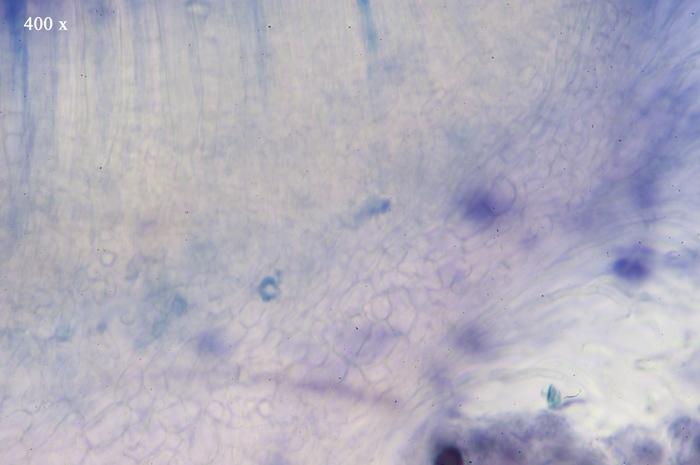
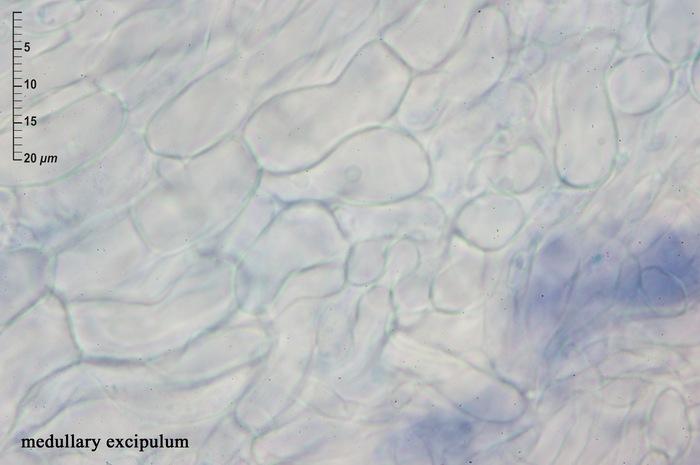
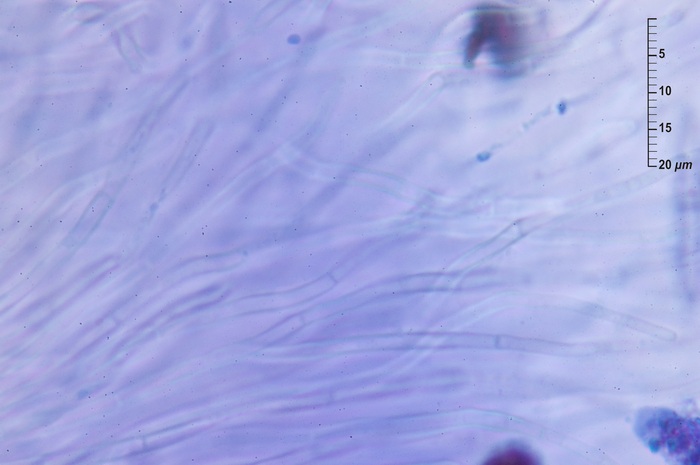 gelin-0001.jpg

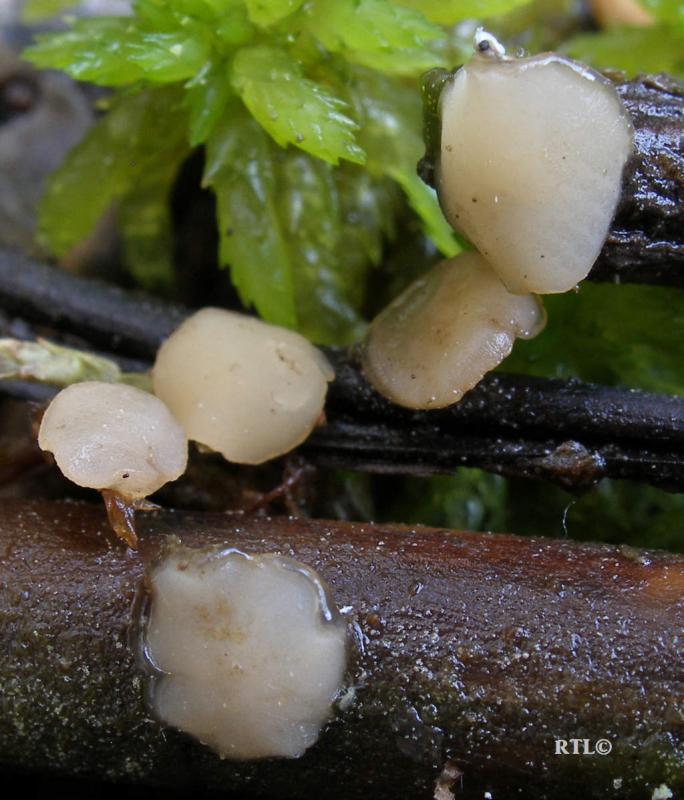
I have an old collection (July 2006) which looks as yours. I left as Pezoloma cf ciliifera because of the absence of marginal hairs and we didn´t include it in our article because of the lack of data.
http://publicacions.iec.cat/repository/pdf/00000186%5C00000049.pdf
And when you came to Teruel in 2009 we found one apo of Pezoloma ciliifera where I was unable to find any hairs, but it was only one apo...
Un abrazo,
Raúl
Hi Raúl
But we have found several dozens of hairless apothecia, not only one! By the other hand the ascospores of P. cilifera are different with many small polar oily drops.
I think this fungus is not a simply hairless form of P. cilifera
Regards
Enrique
I just can add that I have seen spores (in the same sample) of what I called Pezoloma ciliifera with such multiguttulate pattern as seen in HB 7818 or ERD 5617 and also I have seen them as you show for this species here, with more or less polar oil drops. Even this can be seen in your spore plate, those in the upper left corner look multiguttulate while most have polar oil drops. I think that the tendence is that some of the minute ones grow bigger in the evolution of the spore or they are produced because they merge. I can send you some links to my micropics if you want to compare.
Yours can be a regional variety? Good stuff for trying with molecular analysis...
Cheers,
Raúl
Hi Raúl
Could be a possibility, but I think no
Cheers
Enrique